By Philippe Lazaro
Digital Content Manager
Estimated Read Time: 6–8 Minutes
Executive Overview
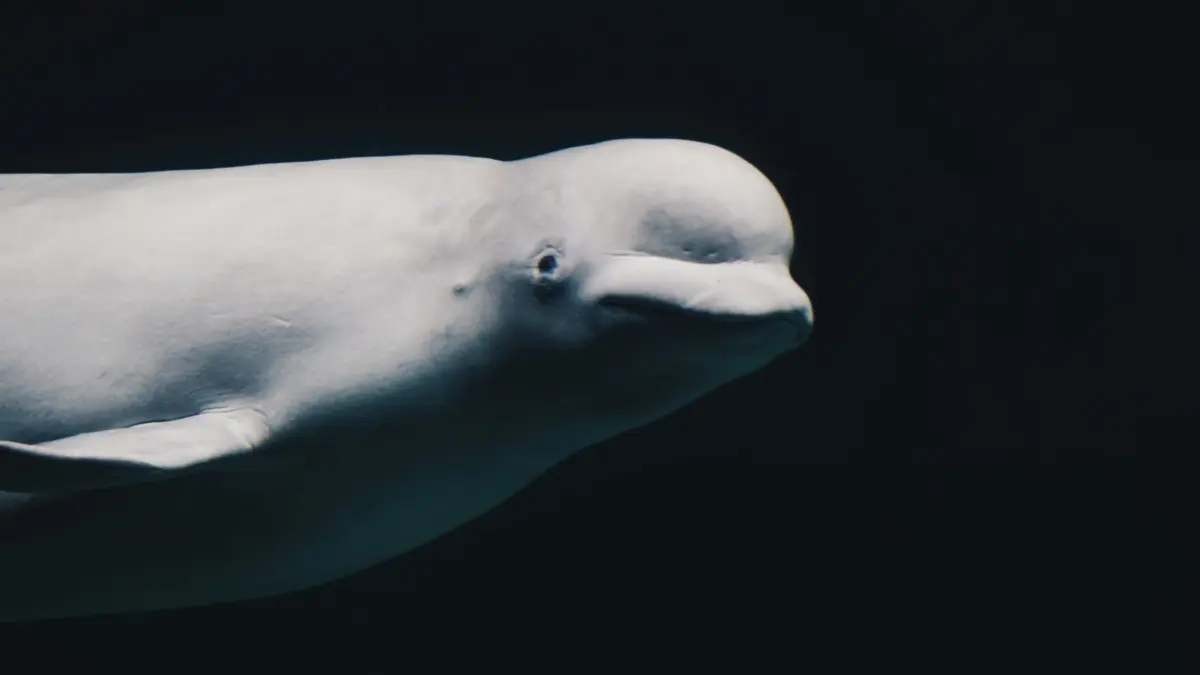
Spend an afternoon along the banks of the St. Lawrence River in Quebec, and you may catch a fleeting, ghostly flash of white breaking the surface. It is a beluga whale (Delphinapterus leucas), navigating the dynamic freshwater corridors hundreds of miles away from the open sea. While the sight of a marine mammal thriving in a river might seem anomalous, these ivory-colored cetaceans have made this aquatic artery their home for millennia.
Yet, this unique population—genetically isolated from their Arctic counterparts for thousands of years—now stands at a perilous ecological crossroads. Once numbering around 10,000 at the dawn of the 20th century, the St. Lawrence beluga population has plummeted to an estimated 900 to 1,800 individuals. Today, these whales face a compounding crisis. Historic pressures like industrial pollution, heavy vessel traffic, and legacy hunting have been amplified by modern climate change. As Arctic warming melts sea ice, it reshapes marine ecosystems, driving apex predators like orcas into historical beluga sanctuaries and threatening the acoustic and physical survival of an irreplaceable evolutionary lineage.

Detailed Chronology: From Ancient Glaciers to Modern Estuaries
The story of the St. Lawrence belugas is written in geology, climate shifts, and evolutionary resilience. It begins not with water, but with colossal sheets of ice.
The Retreat of the Wisconsin Glacier (c. 15,000 Years Ago)
Approximately 15,000 years, the immense Wisconsin ice sheet, which blanketed a vast expanse of North America, began a slow, monumental retreat. The sheer weight of the glacier had severely depressed the continental crust beneath it. As the ice melted, this topographical depression invited Atlantic seawater to flood the lowlands, creating a massive inland water body known as the Champlain Sea.
Stretching from the modern-day Atlantic coast westward toward the Great Lakes and up into parts of what is now New York State, the Champlain Sea was a cold, marine environment teeming with life. Paleontological discoveries across the St. Lawrence lowlands—from Quebec City to the Ottawa Valley—have unspooled a rich history of this vanished sea. Researchers have unearthed the sub-surface fossilized remains of porpoises, humpback whales, fin whales, bowhead whales, as well as multiple species of seals and walruses embedded beneath modern farm fields, suburban developments, and forested hills.
The Birth of the St. Lawrence River (c. 10,000 Years Ago)
As the ice age drew to a close, the relieved landmass began a slow process of rebound, a geological phenomenon known as isostatic uplift. As the earth rose, the Champlain Sea gradually drained away, leaving behind the modern St. Lawrence River basin.

While most marine mammals returned to the open ocean as salinity levels shifted and shorelines receded, one group of belugas stayed behind. Confined within the newly formed estuary, this population became geographically and genetically isolated from all other beluga groups inhabiting northern Canada, Alaska, and Russia.
Over the next 10,000 years, these stranded whales adapted to an extreme, highly variable environment. Their behaviors, migration patterns, and physiological responses evolved to match the distinct rhythms of the river. For generations, they also became integral to local Indigenous communities, providing a vital source of nutrition, food security, and cultural significance.
The Industrial Era and Overhunting (20th Century)
For most of their recorded history, the St. Lawrence belugas endured. However, the 20th century brought unprecedented anthropogenic threats. Viewed historically as competitors for fisheries or targets for commercial hunting, the population was systematically decimated.
Commercial and recreational hunting drastically reduced their numbers from an estimated 10,000 individuals down to a fraction of that figure before hunting was finally restricted in 1979. Even after legal protections were enacted, the population failed to rebound. The surrounding watershed had become heavily industrialized, leaving the river choked with chemical contaminants, heavy metals, and persistent organic pollutants that compromised the whales’ immune and reproductive systems.
Supporting Context & Metrics: A Population Under Siege
Today, the scientific community categorizes the St. Lawrence beluga population as endangered. While historical counts placed the population in the thousands, recent aerial surveys and acoustic monitoring suggest that only 900 to 1,800 individuals remain.
The threats facing these whales are multifaceted and systemic:
- Chemical Contamination: Living at the terminus of a heavily industrialized watershed, St. Lawrence belugas carry some of the highest contaminant loads recorded in marine mammals. Toxins such as PCBs, PAHs, and heavy metals accumulate in their blubber, leading to high rates of cancer, reproductive failure, and compromised immune systems.
- Acoustic and Physical Vessel Disturbance: The St. Lawrence River is a bustling commercial highway. Cargo ships, ferries, and whale-watching vessels generate intense underwater noise pollution. Because belugas rely heavily on echolocation and vocalizations to navigate, forage, and socialize, heavy marine traffic essentially blinds and deafens them, while also increasing the risk of lethal ship strikes.
- Climate-Driven Ecosystem Shifts: The most insidious threat comes from a rapidly warming Arctic. As global temperatures rise, sea ice diminishes, fundamentally altering northern marine ecosystems.
The Arctic Sea Ice Minimum Connection
Every September, scientists at the National Snow and Ice Data Center (NSIDC) record the annual Arctic sea ice minimum—the point at which summer melt reaches its maximum extent before the winter refreeze begins.
The data paints a stark picture: the 19 lowest September sea ice extents in nearly five decades of satellite observation have all occurred within the last two decades (2007–2025). This relentless downward trend directly impacts belugas. In the Arctic, shrinking ice cover reduces natural refuges, leaving whales exposed. Furthermore, open water invites increased commercial shipping and, crucially, the migration of new apex predators into traditional beluga territories.
Chief among these newcomers is the orca (Orcinus orca). As Arctic waters warm and ice retreats, killer whales are penetrating deeper into northern habitats, introducing an unprecedented predatory pressure to beluga populations that have had no recent evolutionary experience with them.
Official Statements and Conservation Perspectives
Conservation scientists and environmental advocates stress that the plight of the St. Lawrence beluga is a warning flare for global marine biodiversity.
"Groups of belugas in places like the St. Lawrence River and the Arctic have been separated for such long periods that they highlight the importance of genetic diversity when it comes to climate resilience," notes a senior researcher affiliated with Ocean Conservancy’s biodiversity initiatives. "Losing a distinct population, like the St. Lawrence group, cannot simply be offset by healthy numbers of belugas in another part of the world. They represent thousands of years of unique history, culture, and localized adaptation."
Organizations like Ocean Conservancy continue to push for robust, systemic protections that span ecosystem-wide management rather than isolated species interventions. Environmental advocates emphasize that protecting these distinct populations requires addressing root causes: curbing greenhouse gas emissions, regulating industrial runoff, and strictly managing marine traffic in critical cetacean habitats.
Future Outlook: Charting a New Course for Whales
The story of the St. Lawrence beluga is a profound paradox. They are living archives—survivors of a prehistoric inland sea shaped by retreating glaciers—yet they are acutely vulnerable to the hyper-accelerated climate shifts of the 21st century. Their survival serves as a bio-indicator of the health of our global waterways, demonstrating that human impacts reach far inland and persist across vast stretches of time.
To reverse the decline of the St. Lawrence belugas and safeguard other vulnerable cetacean populations—such as the endangered Cook Inlet belugas in Alaska—legislative and conservation frameworks must evolve.
Legislative Action: The Whale CHARTS Act
A critical step forward in mitigating human-induced mortality is legislative reform. Proposals such as the Whale CHARTS Act aim to fundamentally change how regulatory bodies manage marine traffic and large cetaceans.
If enacted, the legislation would significantly reduce ship strikes by amending the National Oceanic and Atmospheric Administration’s (NOAA) near-real-time monitoring and mitigation programs. By improving our technological understanding of the precise locations and extents of baleen and sperm whale migration routes, feeding grounds, and mating and calving areas, authorities can implement dynamic speed restrictions and routing measures for commercial shipping.
Ultimately, saving the St. Lawrence beluga requires humanity to recognize its profound influence on the planet’s hydrological systems. If these ancient ice-age survivors vanish, we lose not only an irreplaceable species, but a living record of what our ocean once was—and a sobering glimpse of what it risks becoming.