







Executive Overview
In the high-stakes world of public mass transit, operational efficiency is frequently judged by on-time performance, fleet maintenance schedules, and route optimization. Yet, the invisible engine that keeps buses moving on schedule—workforce management—is often anchored by decades-old, administrative legacy systems.
For the Pinellas Suncoast Transit Authority (PSTA) in St. Petersburg, Florida, the process of assigning duty routes, scheduling vacations, and managing holiday time had long been governed by a familiar, labor-intensive ritual: paper bidding. Operators filled out physical slips, supervisors manually cross-referenced complex labor rules, and union bid marshals audited stacks of handwritten paperwork in a process prone to friction, delays, and human error.
Recognizing that modernizing the agency required looking inward at internal processes just as much as outward at fleet technology, PSTA partnered with transit software specialist GIRO to design and deploy the award-winning Workforce Transit Modernization project. By implementing GIRO’s HASTUS-SelfService and its specialized BidWeb digital platform, PSTA replaced paper workflows with a transparent, automated, and secure digital system.
The results have been transformative. The project achieved a 100% operator participation rate during its pilot phase, accelerated vacation bidding throughput by 300%, slashed administrative effort by 75%, and cut the overall vacation bidding timeline in half. More importantly, the initiative accomplished this without sacrificing contractual protections or upsetting historical seniority rules.
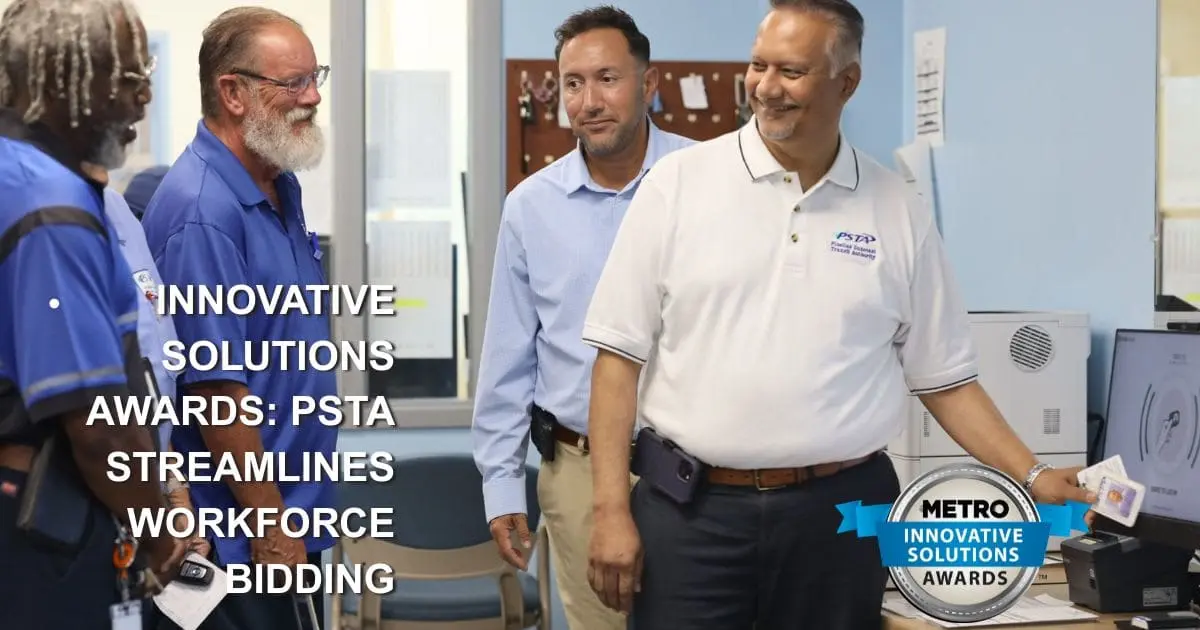
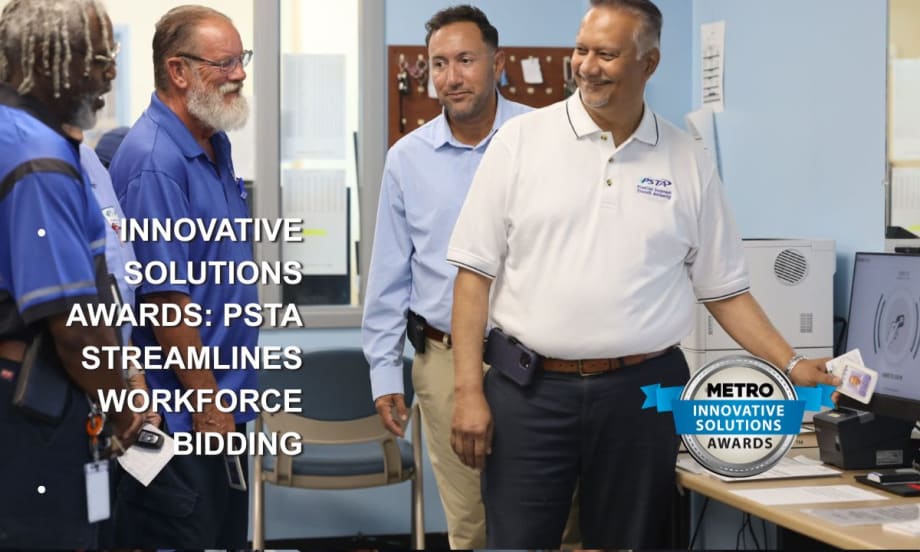
For these achievements, PSTA and GIRO earned a prestigious METRO Magazine Innovative Solutions Award. Beyond the immediate metrics, the PSTA initiative offers a blueprint for transit agencies nationwide, demonstrating how collaborative change management, labor-union alignment, and employee-centric technology can successfully overhaul legacy internal operations.
Detailed Chronology: From Paper Slips to the Digital Cloud
The journey toward modern workforce management at PSTA did not happen overnight. It required a carefully planned, methodical transition designed to build trust among frontline operators, administrative schedulers, and union leadership.
Phase 1: Identifying the Bottlenecks of Legacy Operations
Prior to the digital rollout, PSTA operated like many legacy transit authorities across North America. Operator work assignments, vacation periods, and holiday slots were managed through traditional paper bidding cycles.

The logistical hurdles of this system were immense. The process required physical paperwork, manual reconciliation of overlapping preferences, and constant follow-ups between supervisors and union bid marshals. Legibility issues frequently caused administrative confusion, and time-sensitive bidding often forced operators to be physically present at transit facilities during specific windows, creating scheduling conflicts and unnecessary stress.
Agency leadership realized that any true modernization effort could not simply be a top-down technology mandate. It had to directly address the daily pain points of the workforce while respecting the hard-earned rules governing seniority and labor agreements.
Phase 2: Collaborative Planning and Stakeholder Alignment
PSTA approached the transition as a comprehensive change-management initiative rather than a simple software installation. From the outset, management collaborated closely with union leadership and frontline employees to design a system that would guarantee transparency.
To legally cement the integrity of the new digital platform, the process was first formalized through a memorandum of understanding (MOU) and subsequently incorporated into the unions’ collective bargaining agreements. This crucial step ensured that existing seniority rules were not altered, but rather automated and protected by cryptographic digital records.
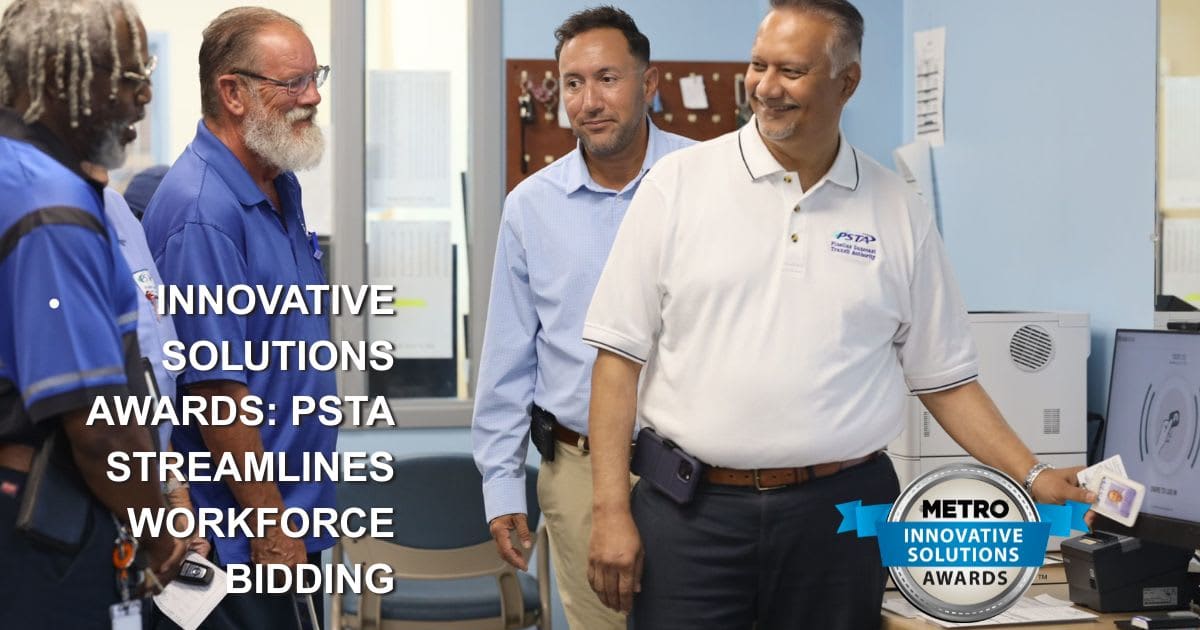
"The team effort started by ensuring the software solution was not going to undermine current seniority assignments and would protect the current process and provide full transparency," explained Raj Singh, PSTA’s assistant manager of schedules. "The accuracy of the audit log allowed the union bid marshals to reassure operators that the software was not doing anything outside the union contract rules."
Phase 3: The Parallel Testing and Pilot Rollout
To mitigate risk and ease user anxiety, PSTA executed a transitional testing phase where paper and digital bidding operated simultaneously across multiple bid cycles.
During this parallel run:
- Administrative staff entered bids electronically into the HASTUS-SelfService platform.
- Union bid marshals maintained strict oversight, verifying that digital outcomes matched contractual obligations.
- Time-stamped audit logs were utilized as the official, unalterable record of all bidding activities.
This transparent trial period proved vital. By demonstrating that the software mirrored—and reliably enforced—the collective bargaining agreement without bias, operators quickly warmed up to the new interface.
Phase 4: Full Deployment and Cultural Integration
With confidence established during the pilot, PSTA eliminated paper bidding slips entirely. Operators were given secure access to the BidWeb digital platform via any internet-connected device, including smartphones, tablets, and home computers.
Employees could now review available work packages, analyze vacation splits, submit bids in real time, and monitor the live progress of the bidding process from anywhere. The archaic requirement for physical presence was permanently removed, granting transit operators unprecedented flexibility over their work-life balance.
Supporting Context & Metrics: Quantifying the Operational Gains
The transition from paper-based dependency to a streamlined digital ecosystem produced immediate, measurable impacts across PSTA’s administrative and operational departments.
Operational and Administrative Efficiency
The data gathered following full deployment highlights the dramatic scale of improvement achieved by the Workforce Transit Modernization project:
- 100% Operator Participation: During the initial pilot and subsequent rollout phases, participation rates among operators reached a flawless 100%, reflecting high user adoption and intuitive system design.
- 300% Increase in Throughput: Vacation bidding throughput skyrocketed by 300%. Administrative workflows became so efficient that four employees could complete tasks in the exact timeframe it previously took a single staff member to process manually.
- 50% Reduction in Total Timeline: The overall duration required to complete the agency-wide vacation bidding process was cut in half, returning valuable hours back to both staff and operators.
- 75% Decrease in Administrative Effort: Operations and scheduling staff reported a 75% reduction in manual coordination, tracking, tracking reconciliation, and follow-up inquiries.
Empowering the Workforce
Beyond pure administrative time-savings, the project fundamentally improved the employee experience by shifting control directly into the hands of the workforce. Operators no longer needed to chase down paper notices or wait for physical postings to understand their schedule status.
Direct access to real-time work assignments, accrued paid time off (PTO) balances, and leave data drastically reduced the volume of routine inquiries directed at supervisors. This autonomy fostered a renewed sense of professional respect and reliability among frontline staff.
"The solutions we implemented have made a vast improvement to the independence of our workforce," noted Nicole Dufva, PSTA’s director of planning and scheduling. "The shift toward transparency, self-service, and real-time access is what made this a broader workforce modernization effort rather than simply a technology upgrade."
Official Statements and Leadership Perspectives
The success of the Workforce Transit Modernization project has drawn praise from executive leadership, operational managers, and industry observers alike, highlighting the strategic importance of internal technology investments in modern public transit.
Reflecting on the agency’s trajectory and the recognition received from METRO Magazine, PSTA CEO Brad Miller emphasized the broader implications for the transit sector:
"We were excited and honored to receive this award," said Miller. "Workforce technology is playing an increasingly important role in transit, particularly as agencies look for ways to modernize internal processes, reduce administrative burden, and better support frontline employees."
Miller’s remarks underscore a growing industry realization: that supporting transit operators with modern digital tools is just as critical to staff retention and morale as upgrading rolling stock or expanding route networks. In an era marked by labor shortages and heightened competition for talent, administrative friction can become a silent driver of employee dissatisfaction. By eliminating that friction, PSTA has positioned itself as an employer of choice in Florida’s competitive labor market.
Furthermore, the collaboration between PSTA and technology provider GIRO serves as a textbook example of effective vendor-agency partnerships. By listening closely to the unique rules of local labor agreements and tailoring software like HASTUS and BidWeb to accommodate them, GIRO helped bridge the gap between rigid enterprise software and the nuanced realities of transit operations.
Future Outlook: Scaling Success Across the Enterprise
What began as a targeted solution for operator duty and vacation bidding has quickly catalyzed a cultural and operational evolution across the entire Pinellas Suncoast Transit Authority.
Expanding Self-Service Across Bargaining Units
As employees and managers grew comfortable with the self-service platform, organic demand for digital integration spread rapidly throughout the organization. Recognizing the immense value of streamlined internal communication, PSTA has since expanded the initiative to incorporate additional employee groups.
The agency is actively working toward comprehensive, enterprise-wide implementation for other bargaining units. By integrating additional operational departments into the HASTUS ecosystem, PSTA aims to standardize data management, payroll visibility, and scheduling transparency agency-wide.
A Replicable Model for the Transit Industry
For transit agencies across the United States and internationally, PSTA’s experience offers a clear, actionable roadmap. The primary takeaway is that successful workforce modernization cannot be achieved through software procurement alone; it requires intentional communication, unwavering transparency, and deep mutual trust between management and labor unions.
As public transit systems grapple with ongoing labor shortages, tightening operational budgets, and rising expectations for service reliability, the PSTA initiative proves that some of the most profound transformations occur away from the public eye. By replacing cumbersome paper workflows with employee-centric digital platforms, PSTA has future-proofed its operations, fortified labor-management relations, and elevated the daily work experience for the dedicated professionals who keep the Suncoast moving.