





Executive Overview
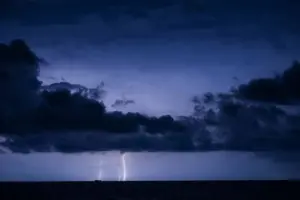
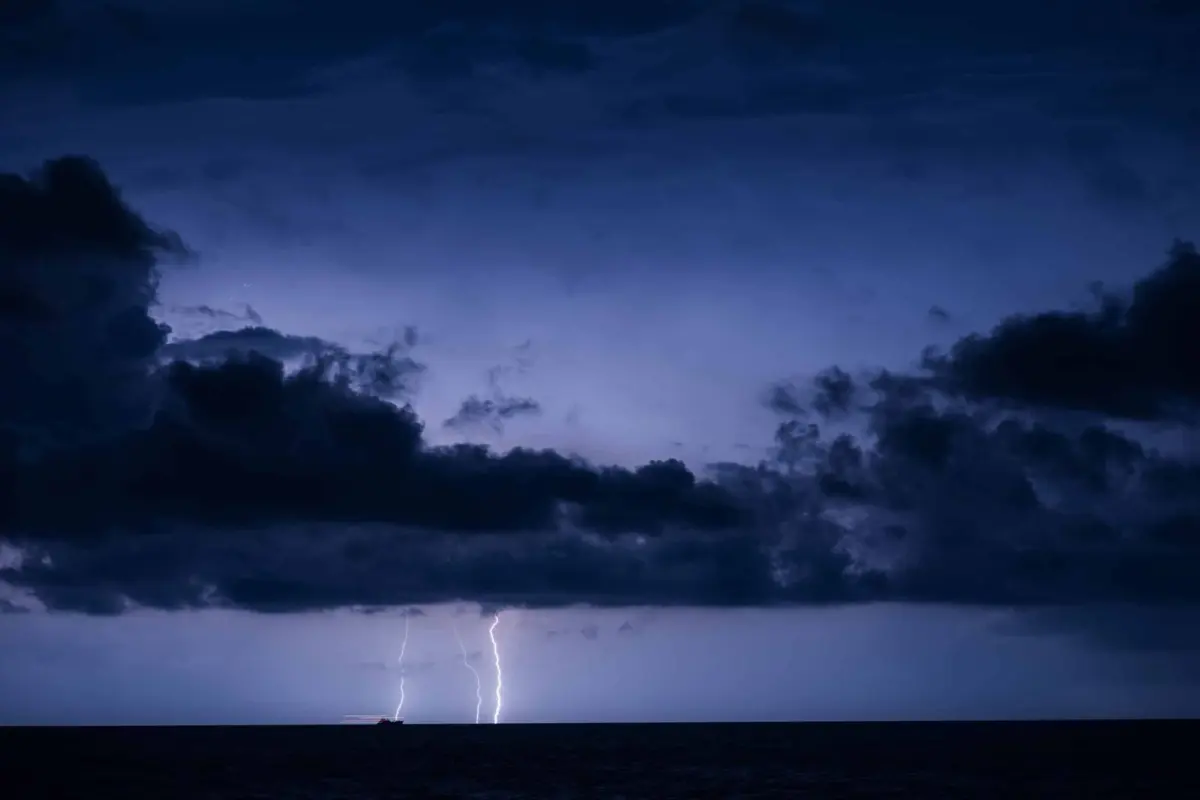
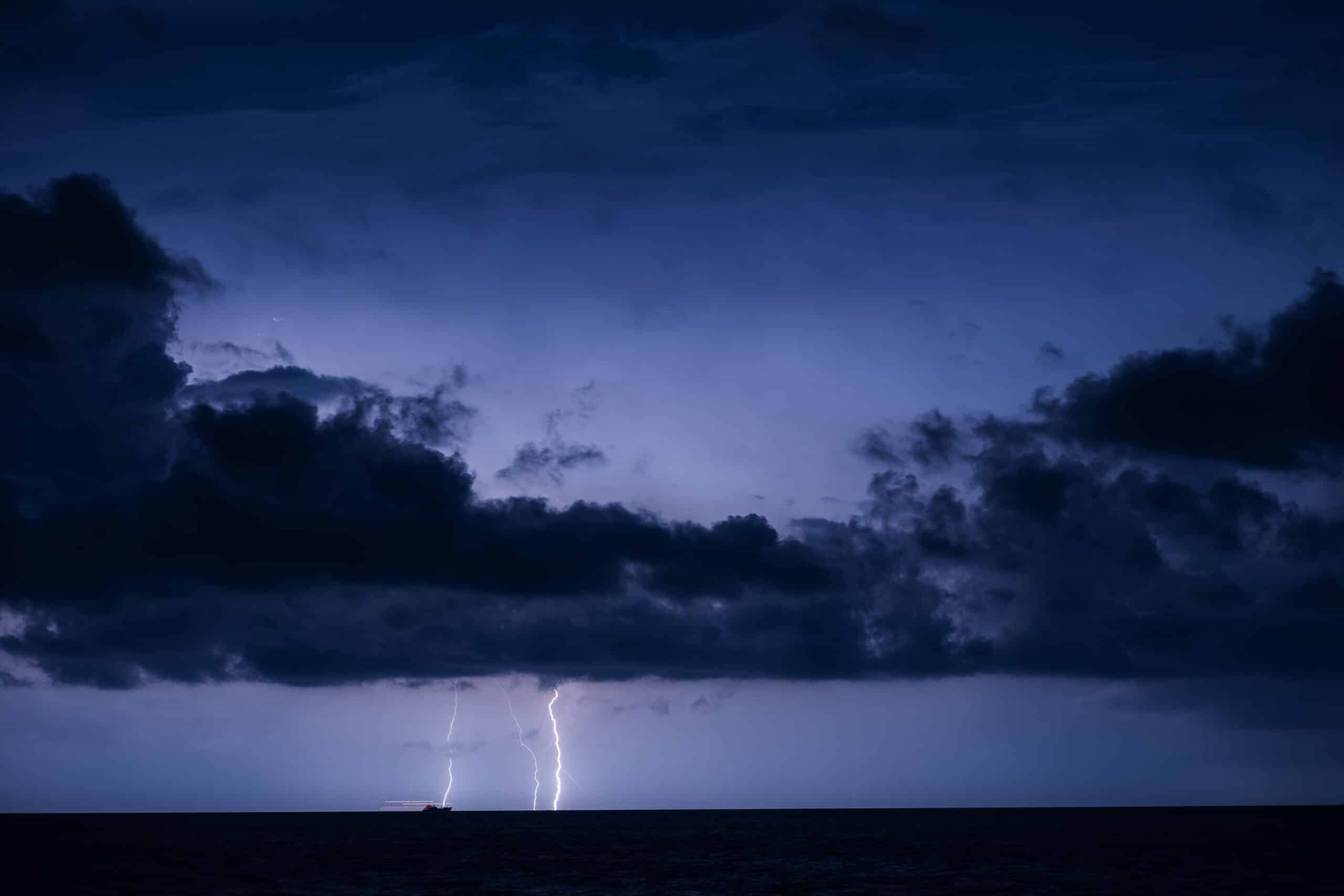
Modern meteorology has advanced significantly, yet marine weather remains inherently volatile. For recreational anglers and commercial fishing boat operators alike, a tranquil morning on the water can dissolve into a maritime emergency in a matter of minutes. Sudden wind shifts, escalating chop, towering wave heights, and zero-visibility squalls routinely transform standard fishing excursions into high-stakes survival scenarios.
When a vessel is caught unawares in heavy weather, the primary operational directive shifts away from speed and toward calculated control. According to marine safety experts and on-water assistance providers, improper maneuvering, a failure to don personal flotation devices (PFDs) early, and poorly secured deck gear remain the leading catalysts for vessel capsizing and maritime fatalities. This report delivers an authoritative, step-by-step framework for managing sudden squalls, mitigating structural and mechanical strain, maintaining vessel stability, and executing recovery protocols when an emergency unfolds on the water.
Detailed Chronology: Phase-by-Phase Storm Response
When severe weather materializes on the horizon or descends directly upon a fishing vessel, the sequence of operational responses dictates the margin between safety and disaster. Navigating a storm requires a disciplined, chronological approach to risk management.
Phase 1: Immediate Deceleration and Bow Management
The instinctual reaction of many boaters when confronted by dark clouds and high winds is to punch the throttle and race for the nearest dock or ramp. Marine safety professionals caution that this is frequently the most dangerous mistake a skipper can make.
Running at high speeds in a developing chop causes the hull to slam violently into steep, closely spaced waves. This practice places catastrophic mechanical stress on engine mounts, transoms, and the hull structure itself, while drastically reducing steering responsiveness.
- Reduce Speed: Back off the throttle immediately to a pace that maintains positive steerage without launching the boat off wave crests.
- Manage Wave Angles: Never run directly perpendicular (beam-on) to heavy waves, as this dramatically increases the risk of capsizing—particularly for smaller, narrower fishing craft. Instead, take waves on the bow at a controlled 45-degree angle (quartering), which allows the V-hull to slice through water efficiently while preserving stability.
Phase 2: Prioritizing Personal Flotation Devices (PFDs)
In the chaotic environment of a sudden squall, vessel motion becomes unpredictable. A boat pitching violently in heavy seas makes it nearly impossible to safely traverse the deck, access below-deck storage lockers, or properly fit life jackets.

Safety protocols dictate that PFD readiness must precede physical deterioration of the weather.
- Don PFDs Early: Ensure every passenger on board securely fastens a Coast Guard-approved life jacket before conditions deteriorate.
- Address Weight Distribution: Improperly distributed passenger weight is a primary contributor to vessel instability during heavy rolls. Keep passengers low, centered, and secured, preventing shifting body weight from exacerbating the rolling action of the hull.
Phase 3: Securing the Deck and Loose Equipment
Fishing boats are inherently utilitarian, often carrying an array of loose gear, tackle boxes, coolers, extra rods, and anchors. In high winds and severe rolling seas, unchocked items become dangerous projectiles and severe tripping hazards.
- Clear the Deck: Stash loose equipment securely in lockers or lash them down to hard points.
- Maintain Accessibility: Ensure that clearing the deck does not block access to critical emergency gear, fire extinguishers, or marine radios. Proper weight distribution relies heavily on keeping heavy gear low and centered within the vessel’s bilge footprint.
Phase 4: Navigational Awareness and Position Monitoring
Storms warp perception, obscure landmarks, and push vessels off course through a combination of windage and set currents. Maintaining strict situational awareness prevents a boat from drifting into dangerous waters.
- Leverage Electronics: When driving rain, spray, and fog reduce visibility to near zero, rely heavily on GPS chartplotters, radar, and depth sounders.
- Avoid Hazards: Keep a continuous eye on surrounding shallows, submerged rocks, navigation markers, and congested waterways such as the Intracoastal Waterway (ICW), where vessel traffic spikes as other boaters simultaneously seek shelter.
Supporting Context & Metrics: The Anatomy of Marine Incidents
To fully grasp the gravity of on-water storm management, it is vital to examine the data surrounding maritime fatalities and vessel failures. Marine incident reports consistently highlight human error and inadequate preparation as core vulnerabilities during severe weather events.
The Human Element and Flotation Realities
Coast Guard data indicates that the vast majority of boating fatalities involve drownings where victims were not wearing life jackets. In sudden squall scenarios, passengers often delay putting on PFDs until the vessel is already taking on water or rolling dangerously. By that point, the physical exertion required to maintain balance, combined with panic and cold water shock, makes donning a life jacket a secondary, often unfulfilled, survival task. Pre-departure discipline—specifically enforcing a strict "wear it" policy before leaving the dock—remains the single most effective countermeasure against drowning.
Mechanical Strains and Propulsion Vulnerabilities
Heavy seas place immense hydrodynamic loads on a vessel’s propulsion system. When a propeller repeatedly breaks the surface of the water during high wave action (known as "cavitation" or over-revving) and then slams back into dense water, the drivetrain experiences severe shock loading.
Furthermore, engine failure during a storm is a compounding crisis. Without propulsion, a boat loses directional control, swinging broadside to incoming seas (beam-on). In this vulnerable posture, the risk of rolling over multiplies exponentially. If an engine stalls due to water intrusion, electrical shorting, or mechanical failure, the immediate priority shifts to deploying a sea anchor or drift sock from the bow to keep the vessel pointed into the weather while distress signals are transmitted.
Pre-Departure Planning: The Float Plan Imperative
No discussion of storm survival is complete without addressing pre-departure protocols. The most successful storm management strategy begins hours before the vessel casts off.
- Filing a Float Plan: Providing a reliable ashore contact with your intended route, expected return time, and passenger manifest ensures that emergency responders can initiate search protocols rapidly if communications break down.
- Understanding Equipment Limitations: Boaters must regularly audit their onboard electronics and communications gear. Issues such as degraded VHF radio range due to antenna corrosion or topographical interference can isolate a distressed vessel precisely when communication is most critical.
Official Guidelines and Expert Insights
Marine safety authorities, including the United States Coast Guard, the National Oceanic and Atmospheric Administration (NOAA), and premier on-water towing organizations like Sea Tow, advocate for systematic, calm decision-making during severe weather incidents.
According to maritime safety veterans, the core philosophy of storm response is anchored in control rather than speed:
"Storms can develop significantly faster than modern forecasts predict. When the environment turns hostile, the safest response is never a blind dash for shore. It is a series of controlled, deliberate actions focused on vessel stability, crew safety, and maintaining clear communication with the outside world. Preparation before leaving the dock matters just as much as decision-making during the storm."
Navigating Anchoring Protocols in Heavy Weather
A frequent point of debate among recreational boaters is whether to drop anchor when caught in deep-water squalls. Marine experts advise caution:
- Avoid Open Water Anchoring: Dropping anchor in heavy seas and deep open water is generally discouraged. It can cause the vessel to ride improperly, pull the bow down into oncoming waves, or swing unpredictably as wind and current shifts fight the rode.
- When Anchoring is Acceptable: Only deploy an anchor if you are drifting dangerously toward a lee shore, shallows, or heavy hazards, and only if the water depth, bottom substrate, and anchor tackle are properly rated to hold the load.
Post-Storm Evaluation and Future Outlook
Once the squall line passes and meteorological conditions stabilize, the emergency phase concludes, but the operational duty of the skipper continues. Returning directly to port without a thorough assessment of the vessel can lead to catastrophic secondary failures if hidden damage went unnoticed during the height of the storm.
Post-Storm Inspection Checklist
Upon reaching safe harbor or calm water, boaters must conduct a meticulous examination of the vessel:
- Hull and Transom Integrity: Check the gel coat, fiberglass, and transom joints for stress cracks, delamination, or structural shifting caused by wave-slamming.
- Bilge Operations: Inspect the bilge pumps to ensure they functioned correctly and check for abnormal water accumulation that might indicate a through-hull fitting failure.
- Steering and Propulsion: Test the steering mechanism lock-to-lock for stiffness, binding, or unusual hydraulic resistance. Listen closely to the engine at idle for unusual vibrations, belt slips, or gear case noise.
- Electrical Systems: Verify that saltwater spray has not compromised battery terminals, navigation lights, or critical electronics.
If structural damage, engine vibrations, or steering anomalies are detected, operators should proceed with extreme caution and schedule immediate professional maintenance. In extreme scenarios where a vessel is dismasted, grounded, or severely disabled, specialized marine salvage and recovery services must be engaged once conditions permit safe operations.
Future Outlook: Technology and Marine Resilience
Looking ahead, the integration of real-time cellular radar apps, satellite-based emergency communication devices, and advanced hull-monitoring sensors promises to further reduce marine casualties. However, technological tools are only as reliable as the mariner utilizing them.
As unpredictable weather patterns continue to challenge boaters, adherence to foundational seamanship—prioritizing proactive safety equipment use, mastering wave handling techniques, and respecting the raw power of open water—remains the ultimate safeguard for everyone on the water.