







Executive Overview
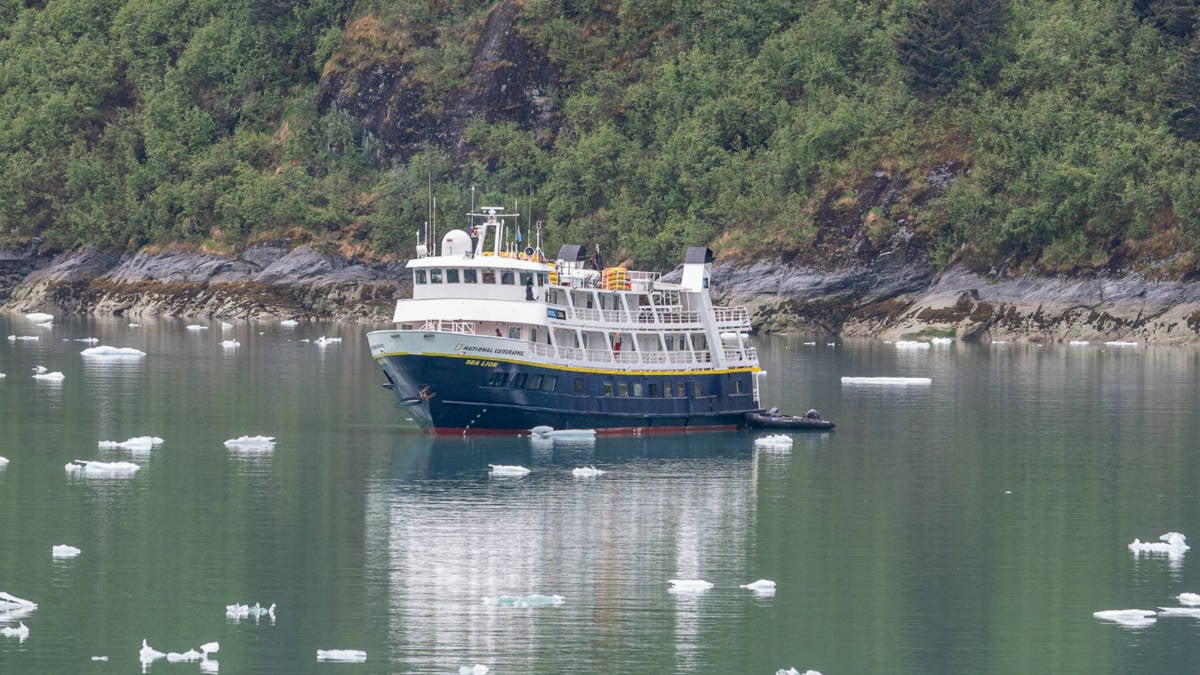
In the highly regulated world of modern passenger cruising, maintaining public health standards is not merely a matter of operational best practice—it is a strict legal requirement that dictates whether a vessel is permitted to sail US waters. Recently, Lindblad Expeditions found its expedition fleet cast into an uncomfortable spotlight following a rigorous public health evaluation. On June 21, 2026, the company’s 62-guest small ship, the National Geographic Sea Lion, underwent a routine surprise inspection by the Centers for Disease Control and Prevention’s (CDC) Vessel Sanitation Program (VSP). The resulting score sent ripples through the niche expedition cruising community: an 86.
While technically a passing grade, an 86 represents the absolute baseline for survival under the VSP’s grading rubric. In the CDC’s evaluation system, any score of 85 or below constitutes an immediate failure, meaning the National Geographic Sea Lion cleared the threshold by the slimmest possible margin. Compounding concerns, this marks the third consecutive time the vessel has achieved this exact score, revealing a persistent trend of borderline compliance that has alarmed public health advocates and industry observers alike.
A deeper dive into the official 44-point violation report reveals a litany of infractions stretching from fundamental food safety breakdowns and cross-contamination hazards to equipment failures and compromised illness-reporting protocols. These findings come at a precarious time for Lindblad Expeditions. Just as the 630-gross-ton vessel embarks on its seasonal Alaska and Pacific Northwest itineraries, the company is also grappling with broader public health scrutiny across its fleet, highlighted by recent acute gastroenteritis outbreaks aboard its sister ship, the National Geographic Sea Bird.
This report provides an exhaustive, investigative breakdown of the National Geographic Sea Lion’s recent inspection, examining the specific findings of the VSP, analyzing historical inspection data, contextualizing the regulatory framework governing small expedition vessels, and evaluating what this means for the future of Lindblad Expeditions.
Detailed Chronology and Inspection Findings
To understand the gravity of the June 21, 2026 inspection, one must examine the specific chronology and operational context of the VSP evaluation. The CDC’s Vessel Sanitation Program maintains jurisdiction over all passenger vessels carrying 13 or more passengers that operate foreign itineraries with scheduled port calls in the United States. Because these ships frequently move between international and domestic waters, they are subject to unannounced inspections twice annually.
However, the National Geographic Sea Lion spends a significant portion of its operational calendar exploring remote, international waters across Central America and Baja California. During these purely international deployments, the vessel falls outside the direct regulatory jurisdiction of the CDC, creating multi-year gaps in the public health agency’s oversight record. Prior to the June 2026 evaluation, the ship had not been inspected by the VSP since July 6, 2019, and May 6, 2018. In both of those historical instances, the ship also scored an 86. This historical pattern demonstrates that the ship’s recent performance is not an isolated anomaly, but rather indicative of systemic challenges in maintaining optimal sanitary conditions aboard the vintage-scale expedition vessel.
The Anatomy of 44 Violations
According to the official inspection report filed by VSP officers, inspectors uncovered a total of 44 distinct violations onboard the National Geographic Sea Lion. These infractions ranged from minor cosmetic issues to severe procedural breakdowns that presented direct, active risks to the health and safety of both passengers and crew. Lindblad Expeditions was formally issued a directive to submit a comprehensive corrective action report detailing how these deficiencies would be permanently remedied. At the time of reporting, this document has not yet been published publicly.
The most glaring violations centered on improper temperature controls and cross-contamination hazards within the ship’s galley and food storage areas:
- Compromised Cold-Holding Units: Inspectors discovered that a primary shipboard refrigerator was operating at dangerously elevated temperatures, ranging between 42°F and 49°F. Food safety regulations strictly dictate that perishable dairy and food items must be maintained at or below 41°F to prevent rapid bacterial proliferation. Consequently, inspectors forced the shipboard culinary staff to immediately condemn and discard approximately 50 containers of dairy products on the spot.
- Storage Flaws and Floor Contamination: In the vessel’s primary walk-in freezer, frozen fish was found improperly stored directly on the open metal grating of the freezer’s interior stairs. This arrangement created an obvious vector for cross-contamination, as dirt, debris, and microbial agents tracked in on the shoes of crew members could easily fall through the open grates directly onto the food below. In a separate incident within the same freezer, two large cardboard boxes of frozen meats were discovered sitting directly on the deck floor, violating the fundamental food safety mandate requiring all food products to be stored at least six inches off the ground on clean, dry, elevated shelving.
- Galley Sanitation Failures: Clean tableware in the main galley area was found stored inside a drawer that was visibly soiled with dried, decaying lettuce debris. Furthermore, kitchen staff were utilizing vegetable peelers that had developed active rust spots. Both the soiled storage drawers and the rusted utensils were deemed unacceptable and were discarded or removed from service during the inspection.
- Dishwashing Equipment Malfunctions: Mechanical sanitization equipment is the primary line of defense against foodborne illnesses aboard cruise ships. Inspectors identified multiple critical failures within the ship’s dishwashing systems. A hood-type dishwashing machine was found operating with a broken spray arm, severely compromising its cleaning efficacy. Another hood-type machine was discovered to be entirely incapable of reaching the mandatory final sanitizing rinse temperature of 160°F, leaving dishware vulnerable to inadequate pathogen reduction.
Supporting Context & Metrics: The AGE Report and Regulatory Standards
While the physical galley and food storage violations formed the core of the physical inspection, VSP officers also scrutinized the vessel’s administrative and epidemiological tracking systems. Of critical importance is the Acute Gastroenteritis (AGE) surveillance report—a vital public health mechanism designed to track, contain, and mitigate potential norovirus or gastrointestinal outbreaks before they cascade through an enclosed shipboard environment.
Epidemiological Discrepancies
The CDC’s evaluation revealed multiple administrative failures in how the National Geographic Sea Lion handled its AGE reporting requirements:
- Reporting Timelines Out of Compliance: Cruise lines are legally required to submit their initial 24-hour AGE surveillance reports to US port authorities between 24 and 36 hours prior to scheduled arrival. During the lead-up to the vessel’s call in Sitka, Alaska, the ship’s management submitted the report prematurely—more than 36 hours before arrival—violating procedural tracking windows.
- Missing Contact Tracing Documentation: Following an exposure incident where a crew member came into close contact with a confirmed gastrointestinal case, the mandatory 24-hour and 48-hour follow-up interviews were never properly documented in the ship’s health logs, breaking standard epidemiological protocols.
- Premature Return of Symptomatic Personnel: Perhaps most alarming from a public health containment perspective, a crew member exhibiting acute gastrointestinal symptoms failed to report their condition in a timely manner. Compounding the error, once isolated, the individual was released and returned to work too soon—resuming duties in a non-food-handling role before completing the mandatory 24- to 48-hour symptom-free isolation period required to ensure non-infectiousness.
Evolving Public Health Standards
Compounding these administrative lapses, inspectors noted that the vessel had failed to conduct required Legionella sampling of its potable water system every six months. This testing frequency is not merely a suggestion; it represents a mandatory requirement under the updated 2025 Environmental Public Health Standards established by the CDC to combat waterborne bacterial pathogens in enclosed marine plumbing networks.
These revelations do not exist in a vacuum for Lindblad Expeditions. Investigative tracking by maritime news outlets has revealed that the National Geographic Sea Lion is not an isolated point of concern within the company’s operational footprint. Earlier in the year, sister ship National Geographic Sea Bird captured industry headlines after suffering through a string of four consecutive gastrointestinal outbreaks, prompting intense questions regarding fleet-wide sanitation management, preventative maintenance, and crew training protocols on board Lindblad’s legacy expedition vessels.
Official Statements and Corporate Accountability
As of the publication of this report, Lindblad Expeditions has not issued a formal public statement addressing the specific findings of the June 21, 2026 inspection report or explaining the recurring score of 86.
Under the standard protocols of the CDC Vessel Sanitation Program, receiving a passing score—even one as precarious as an 86—does not exempt a cruise line from accountability. Lindblad Expeditions is legally mandated to formulate and submit a comprehensive Corrective Action Report (CAR) to the VSP. This document must explicitly detail how each of the 44 noted violations has been resolved, what retraining has been administered to the culinary and medical staff, and what engineering fixes have been applied to faulty refrigeration and dishwashing units.
Industry analysts note that while small ship expedition cruising often operates under a different operational ethos than mega-ship commercial cruising—emphasizing rustic, remote exploration over sprawling onboard amenities—the legal obligations regarding passenger safety, food handling, and public health compliance remain absolute. The repeated baseline scores suggest that Lindblad’s small-ship management may need to invest heavily in shore-side auditing, upgraded galley infrastructure, and enhanced crew compliance training to prevent future inspections from slipping below the critical 85-point failing threshold.
Future Outlook: Raising the Standard in Expedition Cruising
The plight of the National Geographic Sea Lion serves as a cautionary tale for the burgeoning expedition cruise sector. As adventure travel surges in popularity—drawing travelers deeper into pristine environments like Alaska, the Pacific Northwest, and remote polar and tropical regions—the infrastructure supporting these voyages must keep pace with increasingly stringent global health regulations.
For Lindblad Expeditions, the path forward requires immediate, transparent remediation. Passengers booking premium-priced expedition voyages expect uncompromising standards of safety and hygiene. When a vessel flirts with regulatory failure three inspections in a row, it risks eroding consumer trust—an asset far harder to repair than a broken spray arm or an out-of-spec refrigerator.
Moving into the remainder of the 2026 season, all eyes will be on the National Geographic Sea Lion as it transitions from its Alaskan routes down to the rivers of the Pacific Northwest. Regulators, passengers, and industry watchdogs alike will be monitoring whether Lindblad Expeditions can break its historical stagnation at 86 and restore its fleet-wide sanitation profile to a level befitting its esteemed name in expedition travel.