











Executive Overview
For millions of travelers around the globe, the Hawaiian archipelago represents the ultimate tropical ideal. With its pristine shores—such as Oahu’s stunning Lanikai Beach and Maui’s dramatic Haleakalā National Park—the Aloha State welcomed more than 9 million visitors in 2025 alone. Recognized globally as a premier travel destination, Maui was even lauded by National Geographic as one of the best places in the world to visit. Yet, beyond the postcard-worthy vistas, world-class surf breaks, and lush volcanic valleys lies a quiet public health triumph that sets the islands apart from the rest of the United States: Hawaii is the only rabies-free state in the nation.
While rabies remains a terrifying, age-old, animal-borne viral disease that claims thousands of lives globally each year, visitors and residents in Hawaii enjoy a unique sanctuary free from the constant underlying threat of the virus. According to the Cleveland Clinic, rabies is notorious for inducing neurological nightmares, including severe anxiety, hallucinations, hostility, and ultimately, death if left untreated. The Centers for Disease Control and Prevention (CDC) estimates that roughly 100,000 individuals across the U.S. undergo post-exposure prophylaxis annually after interactions with potentially infected wildlife such as bats, raccoons, skunks, and stray dogs.
In Hawaii, however, this threat is virtually non-existent. But this enviable public health status is neither an accident of geography nor a stroke of random luck. It is the direct result of more than a century of rigorous, unyielding biosecurity protocols, strict animal quarantine enforcement, and proactive state legislation. While this fortress-like defense protects the local ecosystem and human population, it presents a formidable bureaucratic and logistical hurdle for pet owners dreaming of bringing their four-legged companions along to paradise.

Detailed Chronology: A Century of Biosecurity and Defense
Maintaining an island ecosystem free from a deadly terrestrial pathogen requires constant vigilance and historical foresight. Hawaii’s journey toward becoming a rabies-free sanctuary is rooted in early 20th-century public health policy.
The Origins of Isolation (1912)
Recognizing the extreme vulnerability of an isolated island chain to foreign animal diseases, the Territorial Government of Hawaii enacted foundational animal quarantine laws in 1912. Managed by what is now the State of Hawaii’s Animal Industry Division, these early regulations were designed to intercept rabies before it could cross the Pacific Ocean via imported domestic pets or working animals. At a time when global travel was dominated by maritime shipping—meaning journeys took weeks rather than hours—quarantine was the most effective firewall available.
The 1991 Wake-Up Call
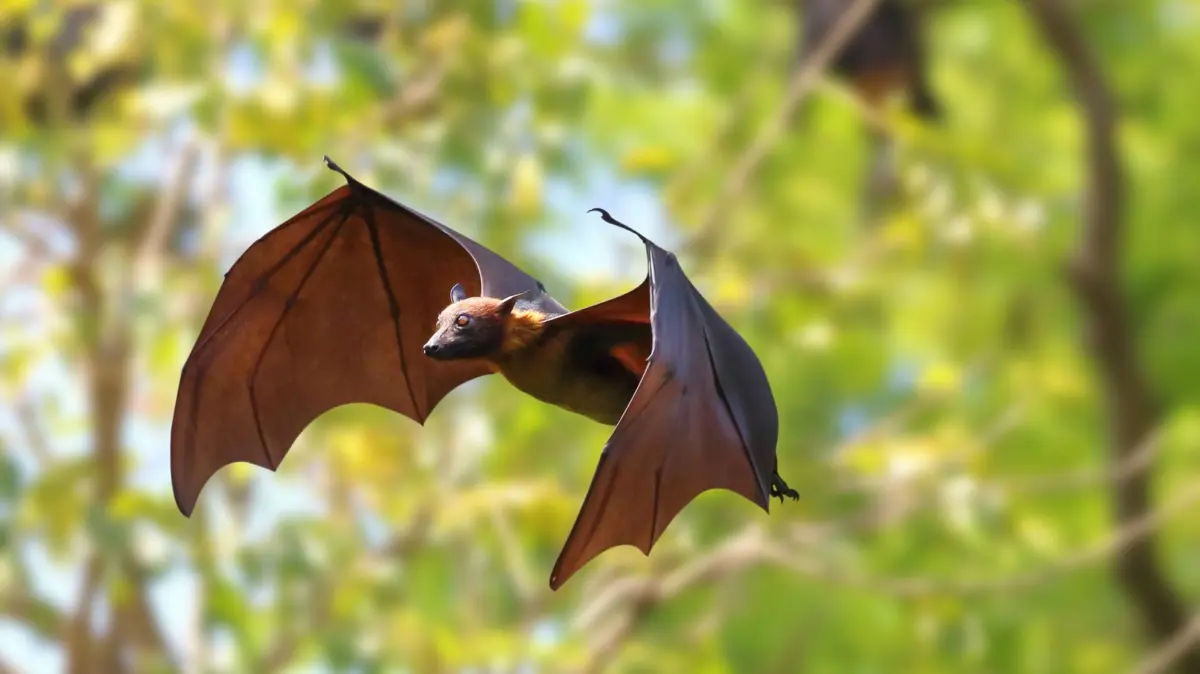
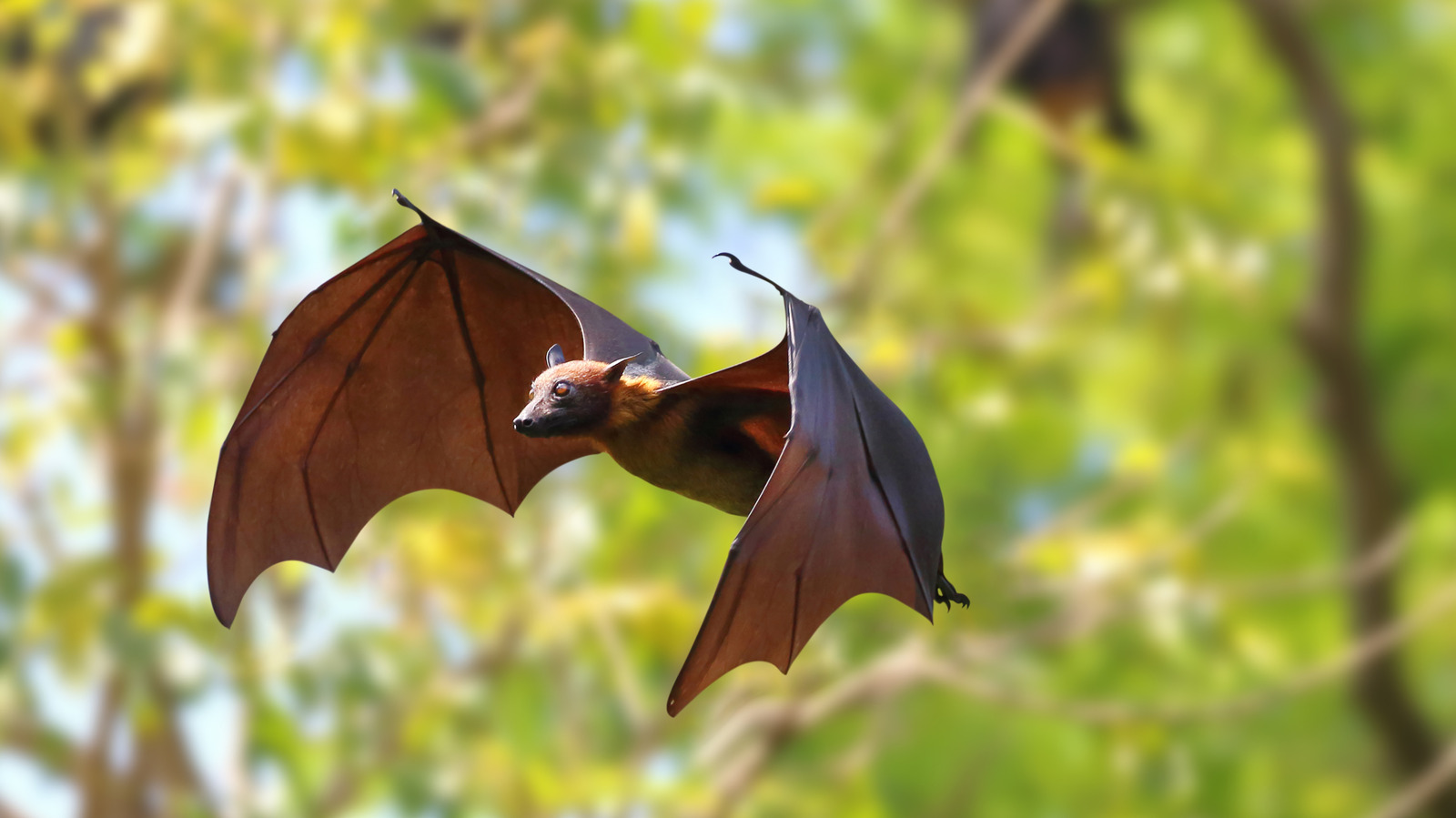
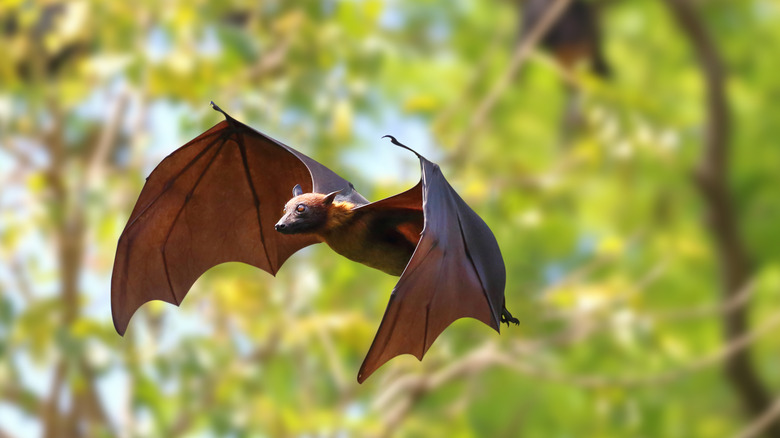
For decades, the quarantine system held firm, successfully keeping the deadly virus at bay. However, Hawaii’s defensive shield faced a rare and alarming breach in 1991. According to findings published in the Hawai’i Medical Journal, a single rabid bat was discovered on the islands. While the incident did not trigger a widespread terrestrial outbreak, it served as a stark reminder of the airborne vectors that can bypass traditional maritime and airport cargo checkpoints. Public health officials responded with heightened surveillance, emphasizing that wildlife monitoring must remain just as rigorous as domestic pet screening.
Modernization and the Five-Day-or-Less Program
As commercial aviation transformed tourism and global mobility skyrocketed toward the end of the 20th century, the traditional, mandatory 120-day absolute quarantine policy faced mounting pressure from frustrated pet-owning residents and travelers. Recognizing the need to balance humane treatment for animals with uncompromising public health standards, the state introduced the Five-Day-or-Less Program.

Rolled out incrementally through advanced veterinary diagnostics and blood titer testing, this program allowed pets that met stringent pre-arrival requirements to clear customs in a fraction of the time. A notable milestone occurred in 2010 when Bo, the First Family’s Portuguese Water Dog, successfully traveled to Hawaii without undergoing a prolonged quarantine, showcasing that meticulous preparation could satisfy the state’s rigorous demands without inflicting months of isolation on beloved pets.
Supporting Context & Metrics: The Science and Stakes of Rabies
To fully grasp why Hawaii guards its borders with such uncompromising strictness, one must examine the nature of the rabies virus itself and the broader statistical landscape of American public health.
The Pathogen and Its Toll
Rabies is a lyssavirus that targets the central nervous system, ultimately leading to disease in the brain and death. Once clinical symptoms manifest in humans or animals, the disease is nearly 100% fatal. According to the Cleveland Clinic, early symptoms mimic the flu—including fever, headache, and general weakness—before rapidly progressing to neurological chaos: cerebral dysfunction, anxiety, confusion, agitation, delirium, abnormal behavior, hallucinations, and hydrophobia.
While the CDC reports that human rabies cases in the United States are relatively rare—typically numbering between one and three dozen annually—the economic and medical burden of preventative treatment is massive. Approximately 100,000 Americans receive post-exposure prophylaxis (PEP) every year following potential exposures to wildlife reservoirs.
Hawaii’s Tourism and Ecological Footprint
Hawaii’s appeal rests heavily on its extraordinary biodiversity and safe outdoor recreation. Data from the state’s 2025 Annual Visitor Research Report indicates that the islands welcomed over 9 million visitors that year alone. Millions of hikers, beachgoers, surfers, and campers immerse themselves in the state’s lush landscapes—from the volcanic heights of Haleakalā to the emerald valleys of Kauai—without the background anxiety of encountering a rabid raccoon, fox, or stray dog.
However, being free of rabies does not mean Hawaii’s natural environment is entirely devoid of biological hazards. Public health officials frequently remind travelers that other endemic diseases exist within the islands. Most notably, leptospirosis—a bacterial zoonotic disease spread through the urine of infected animals, often found in fresh water streams and muddy soil—poses a documented risk to hikers and swimmers. Similar warnings apply to various tropical pathogens found across global vacation hotspots, requiring travelers to maintain baseline health awareness even in paradise.
Official Guidelines and Pet Travel Realities
For pet owners enchanted by the prospect of a Hawaiian vacation alongside their dogs or cats, the reality requires meticulous planning, substantial financial investment, and strict adherence to state law. Because the stakes are so high, the Hawaii Department of Agriculture’s Animal Quarantine Station enforces a zero-tolerance policy for non-compliant arrivals.
Navigating the Quarantine Protocols
Bringing a pet into a rabies-free jurisdiction is a complex undertaking. Pet owners face two primary pathways:
- The 120-Day Quarantine: If pet owners fail to complete the rigorous pre-arrival testing and documentation process, or if they simply opt out of advanced scheduling, animals are subjected to up to 120 days of quarantine upon arrival at the Honolulu facility, at the owner’s expense. This is designed as a fail-safe to ensure that any incubation period for the rabies virus has elapsed before the animal steps foot in the general community.
- The Five-Day-or-Less Program: For most travelers, this is the preferred route, though it demands exhaustive preparation. To qualify, pets must meet several non-negotiable criteria:
- Microchipping: The pet must be implanted with an ISO-compliant microchip prior to rabies vaccination.
- Rabies Vaccinations: The animal must have received at least two lifetime rabies vaccinations, administered at least 30 days apart, with the most recent shot given prior to the antibody blood test.
- FAVN Rabies Antibody Test: Blood samples must be sent to an approved laboratory to test for an adequate antibody response (at least 0.1 IU/mL).
- Waiting Period: There is a mandatory waiting period of at least 30 days after the blood sample is received by the laboratory before the pet can safely and legally land in Hawaii.
- Documentation and Fees: Complete health certificates, parasite treatments administered within specific timeframes before flight, and designated state processing fees must be submitted and paid in advance.
Failure to update basic logistical information—such as contact phone numbers or flight itineraries—can result in immediate administrative snags at the airport, turning a dream vacation into a logistical nightmare.
Global Precedents: Other Rabies-Free Sanctuaries
Hawaii is not entirely alone in its distinction. Around the globe, a select few island jurisdictions maintain strict rabies-free status through similarly draconian quarantine and biosecurity frameworks. Australia, famously isolated by ocean boundaries and protected by stringent quarantine laws, remains free of terrestrial rabies. Similarly, Guam—a picturesque U.S. territory located in the Western Pacific—enforces rigorous pet entry protocols to shield its tropical ecosystem from the introduction of the virus. In all these regions, the price of maintaining a rabies-free paradise is eternal vigilance at the border.
Future Outlook: Preserving the Sanctuary in a Hyper-Connected World
As global travel rebounds and passenger volumes across the Pacific continue to surge, the Hawaii Department of Agriculture faces ongoing challenges in balancing tourism convenience with biosecurity protection.
Modernization efforts are continuously underway to streamline document verification through digital portals, reducing the risk of clerical errors that strand pets or frustrate travelers. However, state veterinarians and public health advocates stress that complacency is the greatest threat to Hawaii’s unique status. With unauthorized animal smuggling and illegal pet transport remaining a constant enforcement concern at U.S. ports of entry, maritime and airport interdiction units remain on high alert.
Looking ahead, public health infrastructure in Hawaii will likely lean further into molecular diagnostics, enhanced wildlife monitoring (particularly concerning migratory bat populations), and public education campaigns aimed at incoming tourists and new residents. For now, the Aloha State stands as a shining example of how strict, science-backed policy can successfully preserve a natural sanctuary—ensuring that generations of humans and animals can enjoy the breathtaking beauty of the islands, free from the shadow of one of history’s most feared diseases.


