












Executive Overview
China is a landscape defined by millennia of deep-rooted history, dramatic ecological contrasts, and an unmatched pace of modernization. For the uninitiated western traveler, preconceptions of the country are frequently bottlenecked by mainstream news cycles, geopolitical tensions, and historical stereotypes that paint the nation as austere, monochromatic, or distant. Yet, beneath the headlines lies a vibrant, hyper-connected, and culturally diverse powerhouse that fundamentally upends expectations.

From ultra-modern metropolises housing futuristic architecture to mist-shrouded mountain sanctuaries that inspired Hollywood blockbusters, China rewards the open-minded traveler like few other destinations. Navigating this vast nation requires shedding preconceived notions and embracing a society defined by high-speed efficiency, profound hospitality, and a complex interplay between ancient tradition and hyper-technological progress. This comprehensive report explores the ten most startling realities foreign tourists encounter upon visiting China, offering a window into the true scale, culture, and rhythm of the modern Middle Kingdom.

Detailed Chronology: The Evolution of Modern Chinese Tourism
To understand how China became one of the most dynamic and accessible travel destinations in the modern era, one must look at its rapid developmental trajectory over the past few decades.

- The Late 20th Century (Opening and Awakening): For decades following economic reform and opening-up policies, foreign travel to China was largely restricted to structured group tours visiting heavily regulated historical landmarks like the Forbidden City, the Great Wall, and Xi’an’s Terracotta Warriors. Infrastructure was nascent, and travel required physical maps, paper tickets, and cash.
- The 2008 Beijing Olympics (The Infrastructure Boom): Serving as a massive turning point on the global stage, the 2008 Olympic Games catalyzed unprecedented investments in urban infrastructure. This era marked the rapid expansion of urban metro systems—growing from just a handful of cities with rail networks to a staggering nationwide web—and the foundational groundwork for the world’s most advanced high-speed rail network.
- The Digital Revolution (2010s): The proliferation of smartphones gave rise to the "super-app" ecosystem. Cash rapidly became obsolete as platforms like WeChat and Alipay integrated payments, transit, and social communication into single interfaces. This digital pivot initially created friction for foreign tourists lacking domestic bank accounts, a barrier that has only recently been systematically dismantled.
- The Rural Revitalization Era (Present Day): In recent years, massive state-led investments in rural connectivity have linked once-isolated villages to metropolitan centers via high-speed roads and rails. Concurrently, targeted tourism development has transformed overlooked geographic pockets—such as Danzhai County in Guizhou—into thriving cultural hubs, broadening China’s tourism footprint far beyond its mega-cities.
Supporting Context & Metrics: Unpacking the Scale of China
The sheer magnitude of China’s physical infrastructure and socio-economic landscape is staggering. Quantifying these elements highlights why first-time visitors are routinely left awe-struck:

- The High-Speed Rail Monopoly: China boasts over 100,000 miles of railway infrastructure, with high-speed rail networks accounting for nearly one-third of that total—surpassing the high-speed rail capacity of the rest of the world combined.
- Urban Transit Explosion: As recently as 2009, only 10 Chinese cities operated urban metro systems. Today, that number has surged to 55 cities, providing cheap, clean, and unfathomably efficient urban transit for millions daily.
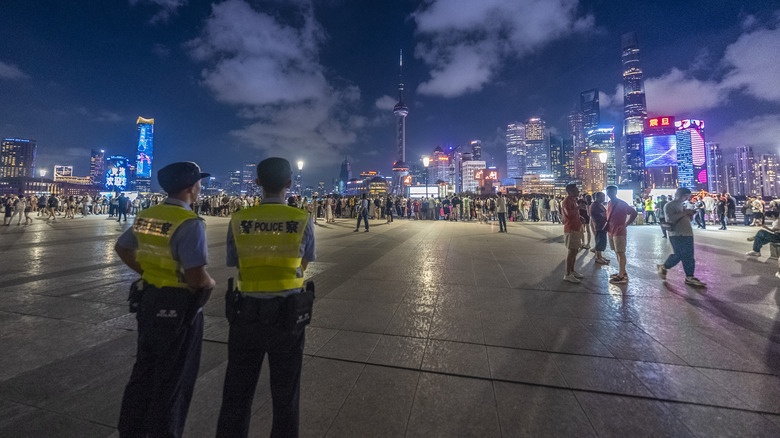
- Digital Integration and Safety Indices: According to global polling data by Gallup, 94% of people in China report feeling safe walking alone at night, vastly outstripping numbers reported in North America and Western Europe. Crime rates continue to see sharp downward trends, cementing the country’s status as one of the statistically safest environments for global travelers.
- The Urban-Rural Divide: Despite an economic miracle that lifted hundreds of millions out of poverty, China maintains one of the widest urban-rural income disparities globally. While urban dwellers enjoy sophisticated digital economies and rising wages, approximately half a billion people remain classified as rural, with average monthly take-home figures hovering around $290, though government initiatives continue working to bridge this gap through targeted public service expansions.
Official Statements and Expert Perspectives
Navigating the gap between Western perceptions and Chinese realities has become a focal point for travel analysts, cultural anthropologists, and international journalists alike.

Foreign ministries, including the U.S. Department of State, acknowledge that violent crime rates across China are remarkably low, aligning with official domestic reporting highlighting continuous drops in overall crime indices. Tourism boards and travel economists emphasize that affordability remains a cornerstone of the Chinese travel experience, with budget travelers capable of sustaining comfortable journeys on remarkably modest daily expenditures.

At the grassroots level, firsthand accounts from independent travelers echo a resounding theme of profound hospitality. Writing for publications like The Guardian, travelers frequently document spontaneous acts of kindness from local citizens—ranging from housekeeping staff volunteering to guide lost relatives through historic sights to strangers intervening at transit hubs to bridge language barriers. Online travel communities on platforms like Reddit consistently rank China among the friendliest and most welcoming nations, shattering lingering stereotypes of cultural aloofness.


Future Outlook: Navigating China in the Years Ahead
As China continues to refine its international tourism policies—including expanding visa-free transit options for numerous nationalities—the nation is poised for a significant rebound in inbound global travel. However, future visitors must navigate a uniquely digitized ecosystem.
The absolute reliance on applications such as WeChat and Alipay for daily transactions, coupled with firewalls blocking Western utilities like Google and Meta, means that digital preparation is no longer optional; it is a prerequisite for survival. Travelers must equip themselves with localized navigation tools like Amap, super-app integration for payments, and trusted connectivity solutions.
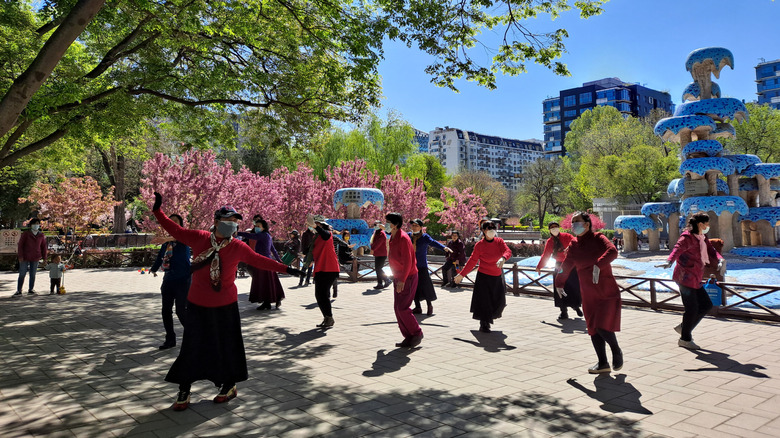
Simultaneously, the push toward "slow travel" is gaining momentum. While mega-cities like Shanghai and Beijing will always command attention, the future of Chinese tourism lies in its geographical diversity—from the multi-hued geological wonders of the Gansu Rainbow Mountains to the mist-veiled pillars of Zhangjiajie National Forest Park. By looking beyond geopolitical headlines and embracing the vibrant, hyper-efficient, and deeply communal rhythm of everyday Chinese life, modern tourists will discover a destination that constantly reinvents itself while honoring thousands of years of cultural heritage.


