











Executive Overview
For decades, travelers venturing into the heart of Florida’s peninsula have fixated on the flashing neon signs of Orlando’s mega-resorts, the coastal sprawl of major metropolitan beaches, or the sprawling academic corridors of Gainesville. Yet, nestled quietly between these bustling urban giants lies a serene, slow-paced sanctuary that rejects the frantic energy typically associated with the Sunshine State.
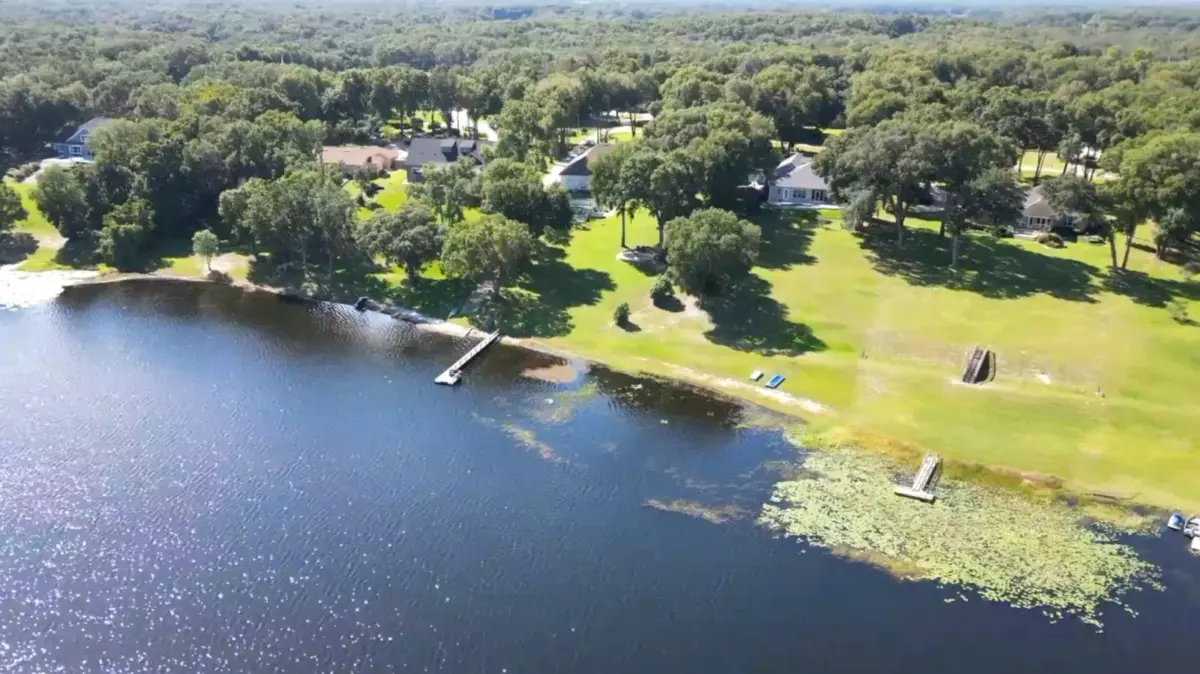
Fruitland Park, a tight-knit suburb boasting a modest population of nearly 9,000 residents, serves as an unexpected portal into old-Florida charm. Situated directly on the western edge of Lake Griffin—the northernmost anchor of central Florida’s massive, ecologically rich Harris Chain of Lakes—this community offers a compelling dichotomy. It is simultaneously an untouched haven for outdoor enthusiasts, anglers, and boaters, and an emerging culinary destination capable of satisfying discerning food critics.
As Florida continues to experience record-breaking tourism numbers and unprecedented population growth, suburban hideaways like Fruitland Park are seeing a re-evaluation. Far from being merely a sleepy bedroom community, Fruitland Park offers an accessible weekend retreat, an inspiring day trip for urban dwellers, and a gateway to some of the finest freshwater ecosystems in the American Southeast. This report examines the geographical significance, recreational landscapes, culinary evolution, and infrastructural connectivity that position Fruitland Park as a premier destination for travelers looking to venture off the beaten path.
Detailed Chronology and Geographical Evolution
To understand the modern appeal of Fruitland Park, one must trace its roots through the broader narrative of Lake County’s development. Long before modern highways sliced through central Florida, the region surrounding Lake Griffin was inhabited by indigenous peoples who thrived on the abundant fish and wildlife sustained by the Ocklawaha River basin.
In the late 19th century, as the railroad expanded southward, entrepreneurs recognized the agricultural potential of the region’s rolling hills and fertile soil. Fruitland Park officially blossomed during the citrus boom, earning its name from the vast groves of citrus trees that once dominated the landscape. While a series of historic freezes in the 1980s forced agricultural shifts throughout central Florida, the town managed to preserve its verdant, tree-canopied aesthetic.
Fast forward to the 21st century, and Fruitland Park has transitioned into a residential and recreational asset within the rapidly expanding Orlando metropolitan sphere. Situated less than an hour’s drive from the heart of downtown Orlando and under 90 minutes from Gainesville, the suburb occupies a strategic geographic crossroads.
Recent infrastructural advancements have further highlighted the accessibility of the region. Orlando International Airport (MCO)—currently ranked as Florida’s busiest airport—is aggressively modernizing its regional footprint, including pioneering initiatives alongside the Federal Aviation Administration (FAA) to introduce commercial flying taxis by 2028. For travelers flying into MCO, reaching the tranquil shores of Lake Griffin takes less than 70 minutes, bridging the gap between international connectivity and secluded wilderness.

Supporting Context & Metrics: Navigating Lake Griffin and the Harris Chain
At the physical and spiritual core of Fruitland Park’s outdoor appeal is Lake Griffin State Park, a sprawling 620-acre public sanctuary that encapsulates the primeval beauty of central Florida. Open daily from 8:00 a.m. until sunset, the park acts as a sanctuary for both human visitors and a diverse array of native wildlife.
Flora, Fauna, and Aquatic Adventures
The park’s crown jewel is a magnificent, ancient live oak tree estimated to be roughly 400 years old. Standing as a silent witness to centuries of ecological and human history, the tree draws botanists, photographers, and nature lovers alike.
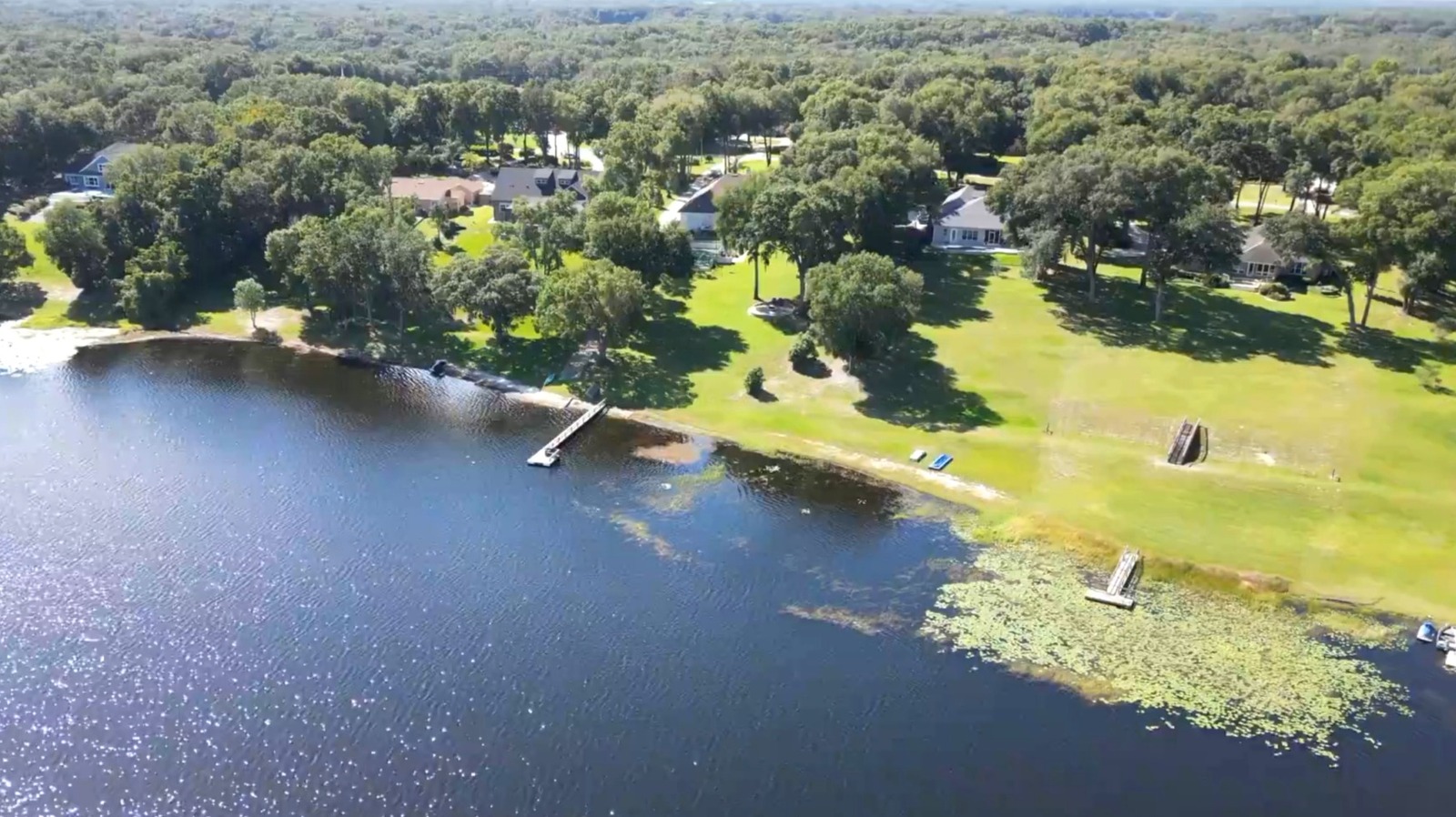
However, the true heartbeat of the park is the water. Lake Griffin forms a crucial link in the Harris Chain of Lakes, creating a continuous aquatic highway for boaters and paddlers. Visitors eager to explore the waterways can launch their own watercraft or utilize local outfitters such as Just Paddle It, which provides kayak rentals directly on-site.
Paddlers frequently navigate from the open waters of the lake into the adjacent Dead River. True to its name, the Dead River features virtually no current, making it an ideal, low-stress environment for recreational kayakers and canoers. As visitors glide through the blackwater channels, they are routinely treated to sightings of wading birds—including herons, egrets, and ospreys—nesting in the surrounding cypress swamps and marshes. Naturally, encounters with the region’s most famous resident, the American alligator, are common, providing an authentic taste of Florida’s wild interior.
For those who prefer a guided experience, the park and surrounding operators offer organized canoe, kayak, and pontoon boat tours. These excursions provide deep dives into the local ecology, highlighting the delicate balance of the wetland watershed.
A World-Class Angling Destination
For decades, angling enthusiasts have debated which region claims the title of America’s premier fishing destination. While states like Michigan and Alaska frequently dominate headlines for cold-water species, specialized tracking platforms like Fishing Booker consistently rank Florida as the top U.S. state for overall fishing diversity and quality.
Lake Griffin plays a prominent role in this reputation. The lake and its adjoining canals harbor exceptional populations of largemouth bass, channel catfish, black crappie, and bluegill.
- Local Angling Hotspots: Local fishing guides recommend navigating from the main boat ramps directly into the lake’s extensive residential canal systems. The canals situated nearest to the Harbor Hills Country Club are widely regarded as prime locations for casting lines, offering protected waters where fish congregate year-round.
- Accessibility: Demonstrating a commitment to inclusive outdoor recreation, Lake Griffin State Park features a fully wheelchair-accessible fishing pier located directly adjacent to the boat dock.
- Regulatory Framework: Anglers should note that possessing a valid Florida freshwater fishing license is required, with standard exemptions applying for youth under 16 and Florida residents aged 65 and older.
Culinary Horizons: From Historic Plantages to Mediterranean Comforts
While the natural scenery draws visitors in, Fruitland Park’s emerging culinary scene encourages them to linger. Eschewing the generic chain restaurants that often characterize suburban corridors, the town features distinct, independently owned dining institutions that have garnered regional acclaim.
The Rose Plantation: Historic Elegance on a Plate
For travelers seeking an upscale, immersive dining experience, The Rose Plantation offers an ambiance that is virtually unmatched in Lake County. Housed within a meticulously restored 100-year-old historic mansion, the restaurant marries architectural heritage with modern culinary craft.
Under the guidance of owners Dave and Diana Andrews, the establishment functions as a destination dining room. The menu focuses on scratch-made, seasonal cuisine, featuring sophisticated dishes such as Low Country seafood risotto, maple-rosemary pork chops, and other contemporary American classics, all paired with a thoughtfully curated wine program.
While fine dining naturally commands higher price points, diner sentiment reflects exceptional value for the experience. A prominent review on TripAdvisor notes that an evening at the plantation "did not feel overly pricey for the experience," specifically recommending it as an ideal location for a milestone celebration or a romantic date night. Furthermore, the establishment maintains a stellar 4.5-star rating derived from over 1,200 verified reviews on Google, cementing its status as a culinary anchor for the region.
Stavros and Sons: Community, Comfort, and Mediterranean Flavors
For those desiring a more relaxed, family-friendly atmosphere without sacrificing quality, Stavros and Sons Fruitland Park delivers hearty portions of Greek and Italian comfort food.
Operating as a beloved community staple, the restaurant is celebrated for its warm hospitality and neighborhood-centric vibe. Diners frequently praise the establishment’s handmade pizzas and strombolis—notable for being served with a side of house-made marinara sauce that allows patrons to customize their flavor profiles.
Reviewers on TripAdvisor frequently highlight the restaurant’s "great family atmosphere" and "sizable portions at affordable prices," noting that the attentive staff makes every visitor feel like a regular.
Strategic Location: Savvy travelers often utilize Stavros and Sons as a convenient pitstop. The restaurant is located in close proximity to The Villages, one of the nation’s fastest-growing and most famous master-planned retirement communities. For visitors exploring the golf-cart-centric culture of The Villages, Fruitland Park serves as an easily accessible culinary extension of their journey.
Future Outlook: Balancing Growth and Preservation
As central Florida’s population continues to swell, municipalities like Fruitland Park face the delicate task of balancing modern infrastructural development with the preservation of their unique, small-town identity.
The proximity to Orlando International Airport—and the impending introduction of futuristic regional transit solutions like flying taxis by the end of the decade—signals that Fruitland Park will only become more accessible to national and international travelers. Yet, city planners and conservationists are acutely aware that the town’s primary asset is its tranquility.
Efforts to maintain the ecological integrity of Lake Griffin State Park, coupled with strict zoning that protects the historic character of downtown commercial corridors, indicate a community striving for sustainable growth. Local tourism boards are increasingly marketing the area not as an alternative to Orlando’s theme parks, but as a necessary antidote to them—a place where tourists can trade lines and asphalt for open water, ancient oaks, and historic hospitality.
For the traveler willing to venture just a few miles off the beaten path, Fruitland Park stands ready to deliver an authentic, restorative slice of the Sunshine State that honors its past while thoughtfully navigating its future.


