










Executive Overview
Marine flares are a cornerstone of maritime safety. Designed to pierce through darkness, fog, and torrential rain, these pyrotechnic devices serve as a crucial lifeline for mariners facing distress on open waters. However, the very chemistry that makes marine flares effective—explosive propellants, incendiary materials, and chemical compounds capable of burning at temperatures exceeding several thousand degrees Fahrenheit—also renders them inherently hazardous.
Across coastal and inland waterways, boaters frequently mismanage these vital safety instruments. From improper storage in damp bilge spaces to unlawful disposal methods such as tossing expired units into household trash or igniting them recreationally, the risks associated with marine flares extend far beyond the vessel. Improper handling poses severe threats to municipal waste workers, environmental ecosystems, and emergency response infrastructure.
This comprehensive guide examines the lifecycle of marine visual distress signals (VDSS). It establishes authoritative protocols for onboard storage, outlines meticulous inspection regimens, details safe transport and disposal methodologies, and explores modern technological alternatives like electronic visual distress signals (eVDSS). By elevating pyrotechnic safety to the same operational priority as navigation and engine maintenance, the recreational and commercial boating communities can safeguard lives both on and off the water.

Detailed Chronology: The Lifecycle of a Marine Flare
Understanding how a marine flare ages and transitions from a life-saving device to a hazardous material requires examining its distinct operational phases: manufacture, deployment, expiration, and disposal.
Phase 1: Manufacture and Deployment Readiness
When first manufactured, marine flares are hermetically sealed and rigorously tested to ensure they can withstand the harsh marine environment. During this initial phase, the chemical composition—typically comprising oxidizers, metallic fuels, and colorants—remains stable. Upon purchase, these flares meet United States Coast Guard (USCG) or international maritime carriage requirements, serving as uncompromised legal and practical safety equipment.
Phase 2: Active Service and Environmental Exposure
Once placed aboard a vessel, the flare enters its active service window, which typically spans 36 to 42 months (3.5 years) from the date of manufacture. Throughout this period, the flare is subjected to continuous environmental stressors:
- Thermal Cycling: Fluctuations between extreme heat in direct sunlight and cool nighttime temperatures.
- Humidity and Saltwater Intrusion: Constant exposure to marine air, condensation, and occasional direct wetting.
- Vibration and Impact: The constant kinetic energy of hull slap, engine vibration, and rough seas.
Phase 3: Expiration and Latent Hazard
Upon reaching its expiration date, the chemical stability of the pyrotechnic compound begins to degrade. Binders may dry out, oxidizers can absorb microscopic amounts of ambient moisture, and casing seals may micro-fracture. Crucially, expiration does not render a flare inert; rather, it makes its performance unpredictable. An expired flare may fail to ignite, burn erratically, explode prematurely, or project burning slag backward toward the user.

Phase 4: Decommissioning and Safe Disposal
The lifecycle concludes when the flare is formally retired. Because pyrotechnics cannot be neutralized through domestic means, this phase mandates strict adherence to hazardous waste management protocols. The flare must be transferred from the vessel to an authorized municipal collection point, fire department, or manufacturer take-back program for professional destruction.
Supporting Context & Metrics: The Hidden Dangers of Pyrotechnic Management
To fully appreciate why regulatory bodies and marine safety organizations emphasize rigorous flare management, one must evaluate the statistical and physical realities of pyrotechnic devices.
The Thermal and Chemical Threat Matrix
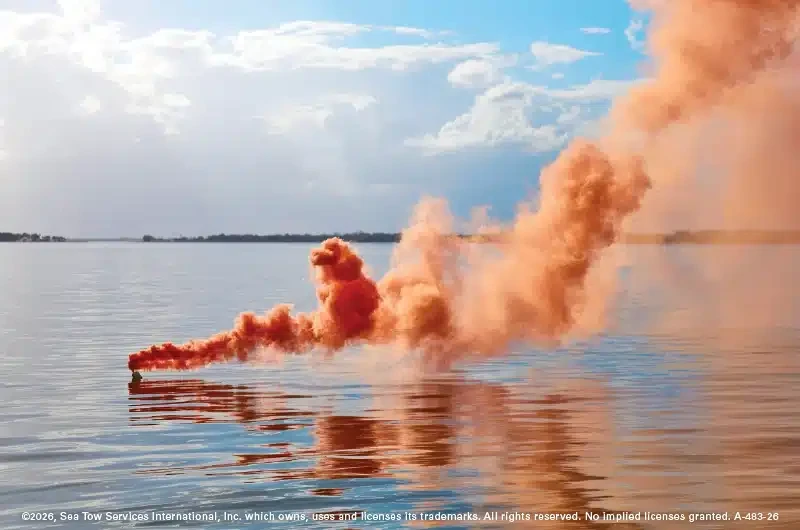
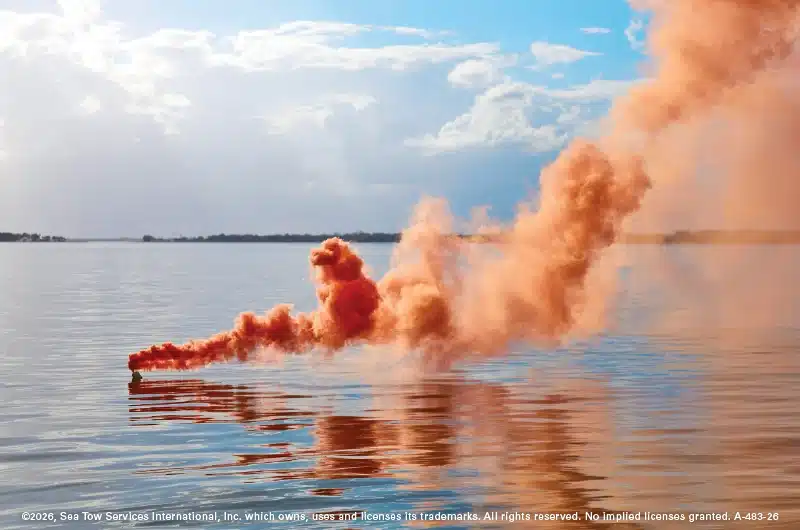
Marine flares generally fall into three categories: handheld red flares, aerial parachute flares, and floating or handheld orange smoke signals.
- Handheld Flares: Burn at temperatures ranging from 1,500°F to over 3,000°F (815°C to 1,650°C). This is hot enough to melt aluminum, burn through fiberglass decks, and cause catastrophic third-degree burns instantly.
- Aerial Parachute Flares: Launch projectiles hundreds of feet into the air using explosive gunpowder charges. A misfire or structural failure during launch can result in severe facial trauma, hand injuries, or vessel fires.
- Smoke Signals: Generate dense, chemical-laden smoke via exothermic reactions that can quickly overwhelm enclosed spaces, causing severe respiratory distress or chemical asphyxiation.
The Environmental and Municipal Impact
According to solid-waste management agencies, marine flares thrown into standard household garbage trucks frequently react with compaction machinery or other refuse, triggering intense fires within garbage compaction units. Furthermore, tossing flares into waterways releases heavy metals, perchlorates, and toxic chemical residues directly into marine ecosystems, violating environmental protection statutes and poisoning aquatic life.
Official Statements and Regulatory Standards
Maritime safety agencies worldwide enforce strict carriage requirements for visual distress signals while issuing stern warnings regarding their mishandling.
United States Coast Guard (USCG) Directives
The USCG mandates that vessels operating on coastal waters, the Great Lakes, and territorial seas—as well as those connected rivers directly accessing them—must carry unexpired visual distress signals approved for both day and night use.
In official advisory notices, the Coast Guard emphasizes:
"Expired pyrotechnic distress signals do not meet legal carriage requirements. Furthermore, attempting to discharge expired flares for disposal or recreational purposes is strictly illegal in many jurisdictions, as it diverts emergency search and rescue (SAR) resources and constitutes a false distress signal—a federal offense."
Environmental Protection Agency (EPA) and Waste Authorities
Environmental regulators classify unspent pyrotechnic marine flares as household hazardous waste (HHW) or commercial explosives, depending on the volume and ownership of the vessel. Consequently, standard municipal refuse collectors are legally barred from accepting them. State departments of environmental protection mandate that pyrotechnics be handled exclusively by certified hazardous waste handlers or authorized public safety personnel.
Best Practices: Storage, Inspection, and Maintenance
Proper onboard stewardship maximizes the lifespan of active flares while preventing accidental degradation.
1. Strategic Onboard Storage
Flares must be stored where they are shielded from environmental extremes yet instantly accessible during a crisis.
- Climatic Control: Keep flares away from direct sunlight, engine heat, and areas prone to heavy bilge water accumulation.
- Container Selection: Utilize water-resistant, robust containers designed specifically for marine safety gear. Ensure containers are clearly marked with high-visibility safety symbols.
- Isolation: Store flares away from loose metallic tools, batteries, paints, and cleaning solvents that could dent, puncture, or react with the flare casings.
2. Systematic Inspection Protocols
Mariners should inspect their visual distress signal inventory at least once every boating season, prior to undertaking extended offshore passages, and immediately following any heavy weather event or knockdown.
- Expiration Date Verification: Check the stamped manufacture or expiration date. If a flare is approaching or has passed its expiration date, remove it from primary service immediately.
- Structural Integrity Assessment: Examine the body of the flare for hairline cracks, swelling, deep dents, punctures, or missing safety caps. Any structural compromise demands immediate retirement.
- Moisture and Corrosion Check: Look for rust around metal end caps, salt crystallization, damp or peeling labels, and discoloration. Moisture ingress is the primary precursor to erratic pyrotechnic performance.
- Legibility of Instructions: Operating instructions and safety warnings must be crystal clear. If fading or water damage has rendered the text illegible, the flare must be replaced.
3. Managing Expired Flares as Backups
Many skippers feel reluctant to discard expensive flare kits the moment they expire, choosing instead to retain them as "secondary backups." While an expired flare might function in a dire emergency, it introduces unacceptable operational risk.
- If expired flares are retained on board, they must be stored in a completely separate compartment from the primary, unexpired USCG-compliant kit.
- They must be visibly marked with permanent marker or brightly colored tape reading "EXPIRED – BACKUP ONLY" to eliminate any hesitation or confusion during a high-stress emergency response.
Protocols for Safe Disposal and Transport
When flares reach the end of their utility, mariners must navigate a patchwork of local disposal options. There is no single, federally mandated drop-off program in the United States, requiring boaters to act proactively.
Authorized Disposal Pathways
- Local Solid Waste & HHW Programs: Contact county or municipal hazardous waste departments. Inquire specifically if they host designated "Household Hazardous Waste Collection Days" that accept marine pyrotechnics.
- Fire Departments and Law Enforcement: Some municipal fire stations or sheriff’s marine divisions periodically collect expired flares for controlled demolition training. Always call ahead; unannounced drop-offs are prohibited.
- Manufacturer and Marina Take-Back Programs: Forward-thinking marine retailers and flare manufacturers occasionally sponsor amnesty days or trade-in programs. Check with regional chandleries for upcoming events.
Strict Prohibitions: What NEVER to Do
- DO NOT throw flares in household trash, recycling bins, or dumpsters.
- DO NOT submerge flares in water, soak them, or bury them in soil.
- DO NOT attempt to dismantle, crush, cut open, or tamper with the casing.
- DO NOT ignite, burn, or "test fire" flares to get rid of them.
Transporting Pyrotechnics Safely
When transporting approved flares to a hazardous waste facility, safety remains paramount:
- Keep flares in their original packaging or secure them firmly in padded containers to prevent shifting during transit.
- Keep them away from direct sunlight, cigarette lighters, vehicle heaters, and other ignition sources. Do not leave flares unattended in a hot vehicle.
- Transport only the exact quantity authorized by the receiving facility.
- Emergency Protocol: If a flare is actively smoking, leaking powder, or feels unusually hot, do not attempt to transport it. Move it to an open, non-flammable outdoor area away from structures and immediately contact local emergency services or the fire department for professional remediation.
Future Outlook: The Rise of Electronic Visual Distress Signals (eVDSS)
As maritime technology evolves, the boating industry is increasingly shifting away from traditional pyrotechnic flares in favor of electronic visual distress signals (eVDSS).
Approved by the USCG under specific standards, electronic distress signals utilize high-intensity LED arrays programmed to flash the internationally recognized SOS distress pattern (three short, three long, three short flashes).
Advantages of eVDSS Systems:
- Reusability: Powered by replaceable batteries, eVDSS units can be tested repeatedly without consuming the device, making them exceptionally cost-effective over time.
- Zero Thermal Hazard: Because they do not rely on chemical combustion, eVDSS units produce no flame, heat, smoke, or hazardous residue, entirely eliminating onboard fire risks and disposal complications.
- Extended Visibility and Duration: Modern electronic beacons can signal continuously for hours—far outlasting the brief 30-to-60-second burn time of a traditional pyrotechnic flare.
Regulatory Considerations
While eVDSS technology offers a compelling alternative, mariners must note that electronic devices usually require pairing with an approved daytime visual distress signal (such as an orange distress flag bearing the black square and ball symbol) to fully satisfy USCG carriage requirements for both day and night use.
As municipal hazardous waste programs become increasingly restrictive and environmental awareness grows, the adoption of eVDSS paired with responsible pyrotechnic management represents the future of safe, sustainable recreational and commercial boating.
Frequently Asked Questions
Can I put expired boat flares in the regular household trash?
No. Marine flares contain volatile chemical compositions that can easily ignite under the pressure of garbage compaction trucks, posing extreme danger to sanitation workers and threatening municipal facilities. They must be handled exclusively through hazardous waste channels.
Can I fire expired flares into the sky or water to get rid of them?
Never. Discharging a flare outside of a legitimate life-threatening emergency is illegal. It wastes critical search and rescue resources, poses severe environmental contamination risks, and can result in heavy fines or criminal prosecution.
What should I do if I discover a wet, leaking, or corroded flare on my boat?
Do not attempt to clean, handle aggressively, or use the device. Isolate the compromised flare in a well-ventilated, non-combustible outdoor space away from heat sources, and contact your local fire department, marine law enforcement agency, or hazardous waste coordinator for professional disposal guidance.
Do expired flares satisfy United States Coast Guard safety equipment mandates?
No. Expired pyrotechnic signals do not meet legal carriage requirements during safety inspections by the USCG or auxiliary patrols. Vessels must maintain a full complement of unexpired, certified visual distress signals at all times.
How frequently should I inspect my vessel’s visual distress signals?
Conduct a thorough physical and calendar inspection at least once before the start of each boating season, prior to undertaking any extended offshore voyage, and immediately following any severe weather event or physical impact to your safety storage lockers.


