Executive Overview
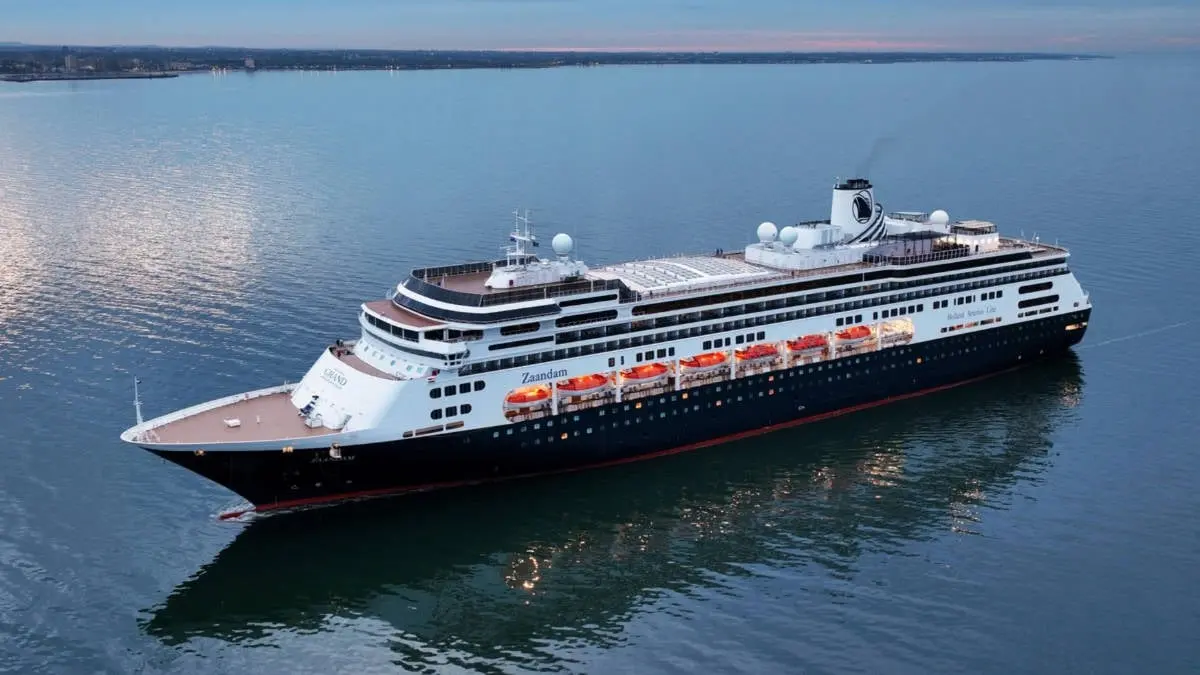
As the cruise industry continues to navigate complex operational logistics, post-pandemic fleet maintenance challenges, and unpredictable weather patterns, itinerary modifications have become an increasingly frequent point of friction between cruise lines and their passengers. No itinerary highlights this delicate balancing act quite like Holland America Line’s upcoming 35-day “Legendary Hawaii, Tahiti & Marquesas” voyage. Aboard the 1,432-guest Zaandam, passengers eagerly anticipating a sweeping, once-in-a-lifetime trans-Pacific journey are instead finding themselves caught in a wave of last-minute schedule adjustments, port cancellations, and growing anxieties regarding the vessel’s mechanical reliability.
Set to depart on Thursday, October 15, 2026, the ambitious voyage covers more than 9,400 nautical miles, tracing a remote path across the Pacific Ocean. However, recent communications from Holland America Line to booked guests have revealed significant alterations to the cruise path. While some of these adjustments offer logistical advantages—such as avoiding port congestion in French Polynesia—others point toward a more troubling operational reality: required reductions in the ship’s operating speed.
The announcement that the ship must adjust its cruising speed has forced the complete cancellation of a rare and sought-after port call in Tabuaeran (Fanning Island), Kiribati. More critically, it has reignited passenger concerns over potential propulsion difficulties. These anxieties are not unfounded; they follow closely on the heels of a turbulent early-summer season for the Zaandam, during which technical propulsion issues forced the cancellation of multiple Alaskan ports and delayed a subsequent departure by over 24 hours.
As passengers weigh the allure of exotic island destinations against the unsettling prospect of mechanical slowdowns in the middle of the vast Pacific Ocean, questions loom large regarding fleet maintenance, transparency, and guest compensation. This comprehensive report examines the chronology of the Zaandam’s itinerary modifications, analyzes the operational context behind the changes, reviews official responses from Holland America Line, and evaluates the broader implications for long-haul expedition cruising.
Detailed Chronology of Itinerary Modifications
The evolution of the “Legendary Hawaii, Tahiti & Marquesas” itinerary reveals a cascading series of adjustments communicated to passengers over several weeks. What initially appeared to be minor tweaks to optimize port access quickly transformed into substantial itinerary deletions, sparking widespread debate within cruising communities and social media forums dedicated to the voyage.
The French Polynesia Swap: An Unintended Benefit
The first wave of modifications focused on French Polynesia, specifically altering the sequence of calls to Raiatea and Bora Bora. Under the original schedule, the Zaandam was slated to arrive in Bora Bora on Tuesday, November 3, remaining in port from 8:00 a.m. to 11:00 p.m., followed by a call to Raiatea on Wednesday, November 4, from 8:00 a.m. to 5:00 p.m.
However, scheduling conflicts presented a crowding challenge. On those exact dates, Silversea Cruises’ ultra-luxury vessel, the Silver Whisper, was also scheduled to call on both ports. While the Silver Whisper carries a much smaller footprint—accommodating a maximum of just 388 guests—the simultaneous presence of two cruise ships in remote island tenders and ports can strain local infrastructure, shore excursion availability, and transportation networks.

To alleviate this, Holland America Line restructured the visits. The Zaandam will now call on Raiatea on November 3 from 8:00 a.m. to 5:00 p.m., and proceed to Bora Bora on November 4, staying from 8:00 a.m. to 6:00 p.m.
In its communication to guests, the cruise line framed this adjustment as an exclusive upgrade:
"These revised dates mean Zaandam will be the only ship in port during both visits, providing greater access to local transportation, shore excursions, and experiences ashore. An earlier departure time from Bora Bora will also offer the opportunity to enjoy a memorable sunset sailaway."
While the logic behind avoiding port congestion was well-received, it served as the opening salvo in a broader series of changes that would soon test passenger patience.
The Speed Restrictions and the Loss of Fanning Island
The tone of the notifications shifted dramatically when passengers received subsequent updates detailing modifications tied directly to the ship’s operating capabilities. The pivotal email included a stark revelation:
"Adjustments to the ship’s planned operating speed will be required during portions of the voyage. As a result, we will no longer call at Tabuaeran (Fanning Island), Kiribati, on Thursday, October 29, and have adjusted the time spent in certain ports."
The omission of Tabuaeran is a heavy blow for itinerary purists. Located in the central Pacific Ocean, Fanning Island is an isolated coral atoll known for its pristine, untouched beaches, vibrant marine life, and welcoming local communities. Because of its remote geography, it is rarely visited by commercial cruise ships, making it a crown jewel of trans-Pacific itineraries. Striking it from the manifest purely due to cruising speed limitations underscored the severity of the vessel’s operational constraints.
To partially offset the loss of Fanning Island, Holland America Line added two hours of port time to two alternative destinations: Kahului, Hawaii, on October 24, and Moorea, French Polynesia, on November 6. Additionally, the cruise line issued a non-refundable $100 USD onboard credit to every passenger’s shipboard account, redeemable for specialty dining, spa treatments, retail purchases, and shore excursions.
Despite these remedial measures, the deletion of a major port call due to speed reductions cast a long shadow over the voyage, immediately driving passengers to search for historical context regarding the ship’s mechanical health.
Supporting Context & Metrics: The Shadow of Past Mechanical Failures
Cruise passengers are notoriously resilient, understanding that weather, maritime traffic, and local port authorities can dictate sudden itinerary shifts. However, structural speed reductions that necessitate the complete removal of international port calls routinely raise red flags. These concerns are amplified when a specific vessel carries a recent history of technical setbacks.
The June 2026 Alaska Propulsion Incidents
To understand why booked guests on the October 15 trans-Pacific sailing are voicing acute anxiety, one must look back at the Zaandam’s operational performance earlier in the year.
In June 2026, Cruise Hive reported a series of high-profile propulsion failures that severely disrupted the ship’s Alaska season:
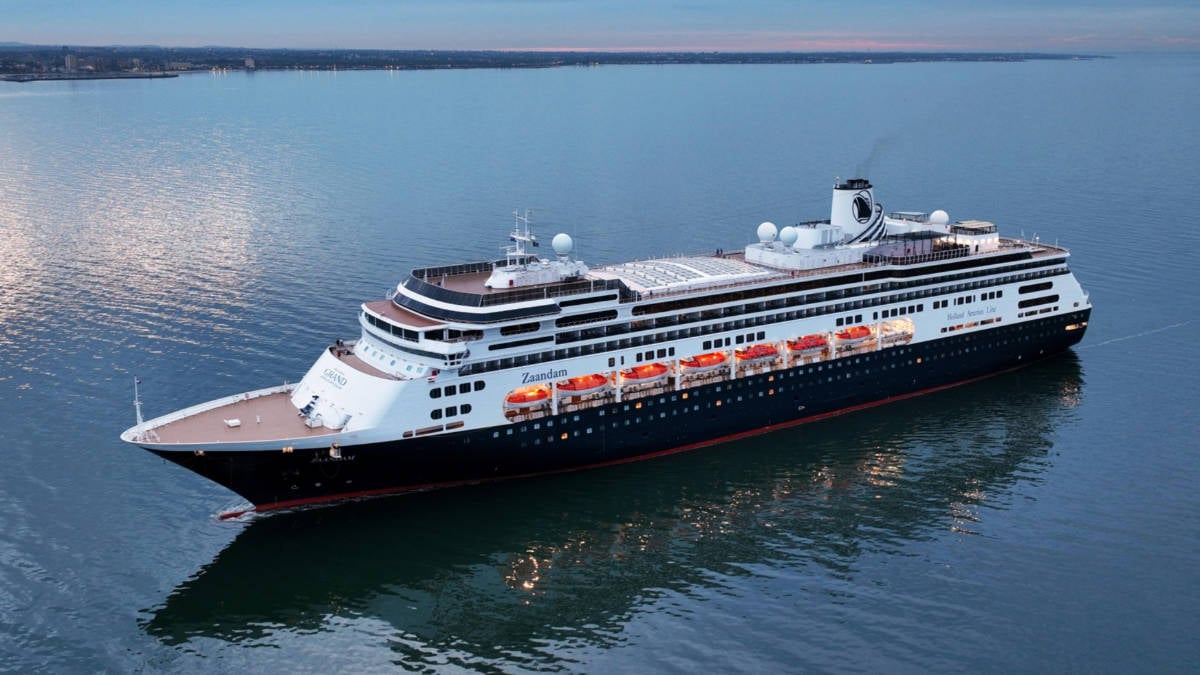
- The June 3 Sailing: The Zaandam was forced to drop both Skagway and Ketchikan from its itinerary. Furthermore, the ship had to skip its highly anticipated scenic cruising through Glacier Bay. The root cause was identified as a technical malfunction impacting one of the ship’s primary propulsion systems, rendering it incapable of maintaining standard cruising speeds.
- The Captain’s Announcement: Addressing passengers directly during the June 3 voyage, the ship’s captain confirmed the reality of the situation: "We’re dealing with a technical issue affecting one of our propulsion systems, which means we’re unable to sail at our normal speed." Holland America Line subsequently utilized overnight docking time in Juneau to perform emergency triage and repairs.
- The Cascading Delay (June 10 Sailing): The technical troubles extended to the subsequent voyage departing on June 10. That sailing was delayed by more than 24 hours at embarkation to allow technicians additional time to work on the propulsion systems. When the ship finally departed, it operated under a heavily truncated itinerary that featured only two port stops: Wrangell and Ketchikan.
The Trans-Pacific Risk Calculus
While Holland America Line’s engineering teams routinely execute repairs during quick turnarounds, a 35-day trans-Pacific voyage presents an entirely different magnitude of operational risk compared to a seven-day Alaska coastal cruise.
The itinerary demands crossing thousands of miles of open ocean, far removed from major maritime industrial centers, dry docks, or specialized marine parts suppliers. For seasoned cruisers, the realization that the Zaandam requires intentional speed adjustments before embarking on a 9,400-mile odyssey sparks legitimate operational worries.
Compounding these mechanical apprehensions are environmental factors. Pacific hurricane and typhoon seasons, influenced by climatic patterns such as El Niño, have demonstrated an increasing frequency and unpredictability of severe weather events. Social media groups dedicated to the October 15 sailing quickly became sounding boards for passenger unease.
One booked guest shared on Facebook:
"We are going to cross the Pacific and there is no guarantee that the problem with the propulsion system is not going to get worse."
Another traveler echoed these sentiments, highlighting environmental volatility:
"I am very concerned about having mechanical issues in the middle of the Pacific with hurricanes going through lately due to El Niño. One by Cabo right now, three earlier this past week."
These quotes capture the core tension of modern long-haul cruising: the friction between executing complex, exotic itineraries and managing aging or temperamental vessel infrastructure under the microscope of instant global communication.
Official Statements and Corporate Response
As passenger speculation mounted across digital channels, Holland America Line’s communication strategy relied on direct email notifications, structured onboard credits, and targeted itinerary re-optimizations.
The cruise line’s official posture emphasizes transparency regarding schedule modifications while framing the adjustments as proactive measures to ensure guest satisfaction and safety. By explicitly detailing the need for adjusted operating speeds—rather than attributing the itinerary changes entirely to weather or port congestion—the line acknowledged the mechanical constraints under which the voyage will operate.
Key elements of Holland America Line’s official response include:
- Advance Notice: Providing notifications weeks ahead of departure, allowing guests time to adjust shore excursions, flights, and pre-cruise arrangements.
- Value Mitigation: Offering targeted monetary compensation via the $100 non-refundable onboard credit, designed to absorb some of the sting associated with losing a unique port call like Fanning Island.
- Optimized Port Experiences: Highlighting the exclusivity gained by shifting the French Polynesia port calls to avoid overlap with competitor vessels, thereby preserving the quality of the ashore experience despite the reduced overall port count.
Nevertheless, industry analysts note that cruise lines face a fine line when addressing propulsion-related slowdowns. Without explicit guarantees that the underlying technical issues identified in Alaska have been fully and permanently resolved, skepticism among passengers remains an unavoidable byproduct of itinerary manipulation.
Future Outlook & Industry Implications
The situation surrounding the Holland America Line Zaandam’s upcoming trans-Pacific voyage serves as a microcosm of broader operational challenges facing the global cruise industry. As cruise lines push vessels further into remote, exotic, and extended itineraries to satisfy post-pandemic traveler demand for unique experiences, the margin for mechanical error shrinks significantly.
Fleet Maintenance and Aging Infrastructure
The Zaandam, an R-class cruise ship originally introduced to the Holland America fleet in 2000, represents a beloved class of mid-sized vessels known for their classic nautical design and ability to access ports that mega-ships cannot reach. However, maintaining older propulsion systems, electrical grids, and mechanical architecture across intensive, globe-trotting schedules requires rigorous dry-docking and component overhauls.
When supply chain disruptions, labor shortages in shipyards, or tight turnaround times impede comprehensive preventative maintenance, technical issues inevitably surface at sea. For Holland America Line, ensuring that the Zaandam successfully completes its grueling Pacific crossing without further degradation of cruising speed will be a critical test of engineering readiness.
Passenger Expectations vs. Maritime Realities
The dialogue sparked by the Zaandam’s itinerary changes also highlights a shifting paradigm in consumer relations. Modern cruisers are increasingly vocal, organized, and interconnected via digital platforms like Facebook groups and cruise message boards. When changes occur, information—and anxiety—travels instantly.
Cruise lines must increasingly balance transparent communication with the risk of triggering preemptive panic. While some passengers on the October 15 sailing have chosen to cancel or voice sharp critiques, others take a pragmatic view, acknowledging the foundational boilerplate of passenger contract agreements: no itinerary is ever legally guaranteed, and remote expeditions inherently carry a higher degree of operational unpredictability.
Conclusion
As October 15, 2026, approaches, all eyes will be on the Zaandam as she prepares to cast off from her departure port. For the 1,432 guests onboard, the voyage promises to be a remarkable exploration of Hawaii, Tahiti, and the Marquesas—a masterclass in natural beauty and remote island culture. Whether that promise is overshadowed by lingering mechanical anxieties or redeemed by the exclusive experiences in Raiatea, Bora Bora, and extended stays in Kahului and Moorea remains to be seen. What is certain is that the voyage will be closely watched by the wider maritime community as a barometer of how legacy cruise lines manage the complex intersection of mechanical realities and passenger expectations in the modern era.