











Executive Overview
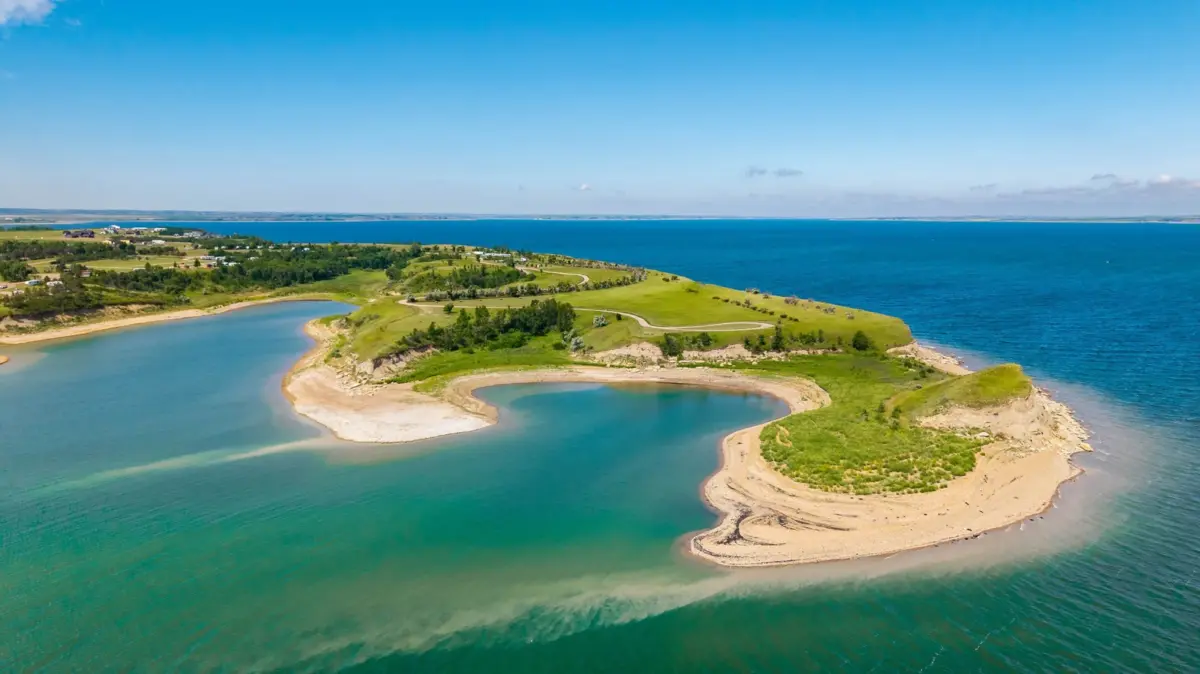
When travelers conjure images of North Dakota, the landscape that typically dominates the imagination is the rugged, sun-drenched topography of Theodore Roosevelt National Park. Often characterized as Mother Nature’s outdoor gymnasium—where deep canyons, sprawling prairies, and sculpted badlands test the limits of physical endurance—the state is globally celebrated for its raw, untamed terrain. Yet, this visceral narrative obscures a serene, deeply refreshing counter-narrative: a sprawling aquatic network of lakes, reservoirs, and winding riverine pools that offer world-class boating, sandy beaches, and pristine swimming opportunities largely hidden from the mainstream tourist map.
Embracing the state’s official tourism mantra to "Be legendary," North Dakota’s lesser-known water bodies range from multi-thousand-acre manmade leviathans that rival coastal horizons to intimate, tree-lined hidden gems spanning fewer than fifty acres. These aquatic environments echo the 26th U.S. President’s lifelong romance with the American frontier, offering modern travelers a chance to swap rough riding for kayaking, windsurfing, and secluded shoreline relaxation.
This comprehensive report examines ten of the most scenic and culturally rich lakes across North Dakota, detailing their ecological characteristics, recreational amenities, historical significance, and current standing as premier Midwestern destinations for outdoor recreation.
Detailed Chronology and Historical Significance of North Dakota’s Waterways
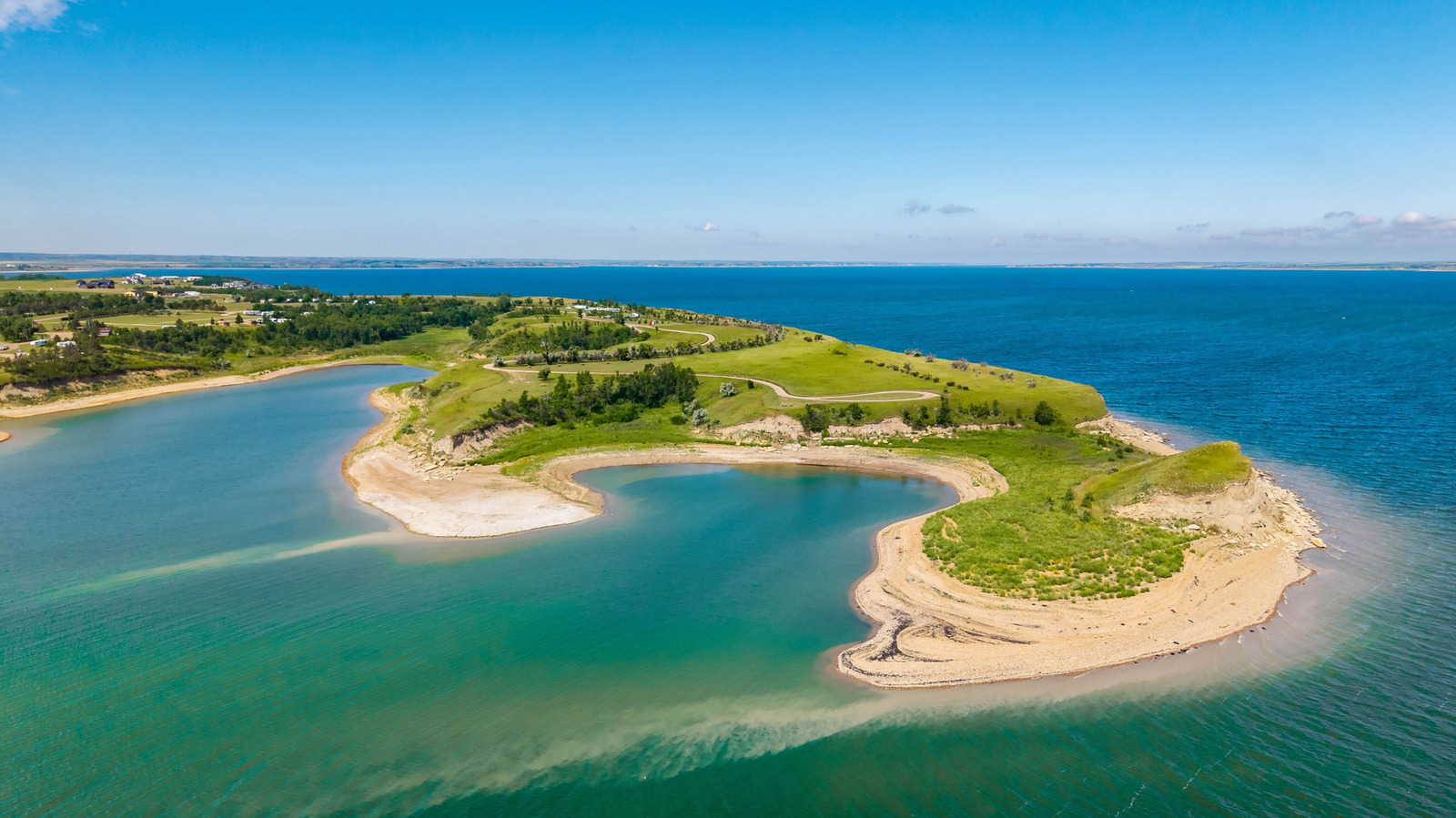
The geological and human history of North Dakota’s aquatic landmarks spans thousands of years, evolving from glacial outwash plains and indigenous trade routes to nineteenth-century homesteading frontiers and twentieth-century engineering marvels.
The Homestead Era and Early Preservation (Late 19th to Mid-20th Century)
Long before the construction of modern dams and state park designations, North Dakota’s lakes served as vital lifelines for Native American nations and early European settlers.
- Late 1800s: Settlers drawn to the fertile soils of the Red River Valley and surrounding regions established homesteads near dependable water sources, utilizing lakes like Lake Renwick and Beaver Lake not only for survival but as community focal points.
- The 1930s (New Deal Era): Recognizing the fragility of the regional ecosystem and the economic devastation of the Dust Bowl, federal and state agencies began systematic conservation efforts. During this period, historic stone structures, rustic cabins, and civic gathering spaces were constructed around key water bodies like Beaver Lake and Icelandic State Park, laying the infrastructural groundwork for modern outdoor recreation.
The Engineering Revolution (Mid-20th Century)
The physical geography of North Dakota experienced its most dramatic transformation during the mid-twentieth century through major federal river-control and hydroelectric projects.
- 1950s–1960s: The authorization and construction of major dams along the Missouri River—spearheaded by the U.S. Army Corps of Engineers under the Pick-Sloan Plan—forever altered the state’s central and western corridors.
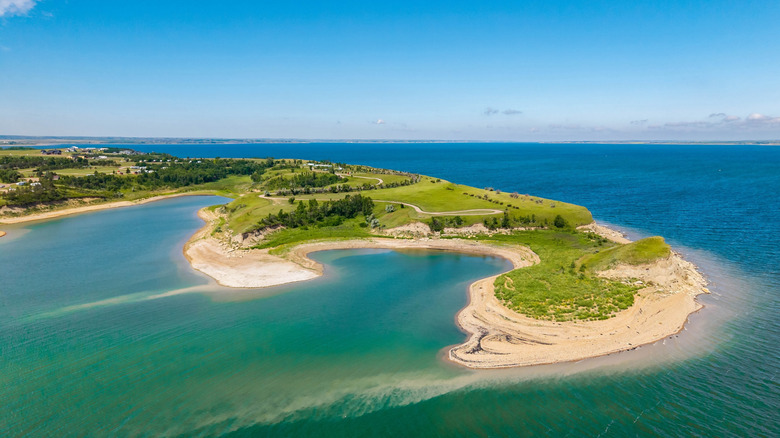
- Creation of Lake Sakakawea and Lake Oahe: The damming of the Missouri River birthed two of the largest manmade reservoirs in the United States. Lake Sakakawea, impounded by the Garrison Dam completed in 1953, and Lake Oahe, formed by the Oahe Dam near Pierre, South Dakota, extended their blue corridors deep into North Dakota. These colossal water projects transitioned landlocked prairie acreage into vast, ocean-like maritime ecosystems, permanently redefining local climates, wildlife habitats, and recreational economies.
Supporting Context & Metrics: The Top 10 Scenic Lakes of North Dakota
To fully appreciate the diversity of North Dakota’s aquatic portfolio, one must examine the distinct metrics, ecological profiles, and recreational offerings of its ten premier lake destinations.

1. Lake Metigoshe
- Location: Roland Township, northern Bottineau County (directly on the Canadian border).
- Key Metrics: Features numerous islands, deep bays, and encompasses the expansive Lake Metigoshe State Park.
- Recreational Profile: A premier year-round destination, Lake Metigoshe is celebrated for its warm-weather swimming window from late June through August. Its complex geography of hidden bays provides exceptionally smooth waters for waterskiing, wakeboarding, and kayaking. Adjacent terrestrial adventures are readily available at the neighboring Turtle Mountain State Forest, which offers miles of tranquil hiking trails and secluded woodland campsites.
2. Devils Lake
- Location: East-central North Dakota.
- Key Metrics: Spans approximately 160,000 acres of water with over 200 miles of shoreline; recognized as North Dakota’s largest natural body of water.
- Recreational Profile: Often dubbed the "Perch Capital of the World," Devils Lake is a legendary haven for anglers. Due to ongoing regional climate shifts, the lake’s water levels and shoreline are in a state of dynamic flux. Grahams Island State Park serves as the primary recreational hub, thrusting out into the center of the lake to provide expansive sandy beaches, modern boat ramps, and world-class sportfishing infrastructure.
3. Lake Sakakawea
- Location: Western and central North Dakota.
- Key Metrics: Encompasses 368,000 acres of water with an astounding 1,300 miles of shoreline—surpassing the ocean coastline of California. It stands as the third-largest manmade reservoir in the United States.
- Recreational Profile: Affectionately termed North Dakota’s "ocean," Lake Sakakawea is a massive, serpentine reservoir shaped by the Garrison Dam. Due to its sheer expanse, the lake generates robust regional breezes, making it a premier destination for windsurfers and recreational sailors. Swimming beaches are concentrated within Lake Sakakawea State Park, while adventurous visitors can explore miles of untamed, remote shoreline (though hikers are advised to remain vigilant regarding local tick populations).
4. Lake Renwick
- Location: Cavalier County, northeastern North Dakota.
- Key Metrics: Covers 204 acres within the boundaries of Icelandic State Park.
- Recreational Profile: Lake Renwick acts as a geographical and historical time portal. Situated in Icelandic State Park, the lake combines pristine sand beaches and family-friendly swimming areas with preserved historic homestead structures, including nineteenth-century pioneer churches and community halls. The calm waters are exceptionally well-suited for leisurely kayaking and paddleboarding, supported by fully equipped lakeside campgrounds.
5. Beaver Lake
- Location: Logan County, southern North Dakota.
- Key Metrics: Spans roughly 1,000 acres within Beaver Lake State Park.
- Recreational Profile: Offering a peaceful refuge from urban fast-paced living, Beaver Lake features a picturesque central basin ideal for unhurried swimming and motorized boating. The park boasts an intimate sandy beach, efficient boat launching facilities, and profound historical touchstones, including a pioneer stone cairn and a meticulously preserved stone cabin constructed by Depression-era caretakers.
6. Lake Elsie
- Location: Richland County, southeastern North Dakota (approximately one hour south of Fargo).
- Key Metrics: Spans 390 acres of clean, spring-fed water.
- Recreational Profile: Serving as an ideal weekend escape for residents of Fargo, Lake Elsie combines high water clarity with robust public amenities, including picnic pavilions, modern restrooms, charcoal grills, and dedicated trailer parking. The lake features a functional boat dock and is framed by cozy local accommodations, such as lakeside bed-and-breakfasts offering panoramic morning water views.
7. Jamestown Reservoir
- Location: Stutsman County, immediately north of Jamestown ("Buffalo City").
- Key Metrics: Covers approximately 2,000 acres in the eastern half of the state.
- Recreational Profile: Developed as a primary flood-control and recreation resource, the reservoir features a southern beach area composed primarily of smooth pebbles and small stones rather than fine sand. Boaters enjoy exceptional access via seven distinct concrete boat ramps. On the western shore, Pelican Point provides comprehensive campground facilities for overnight visitors seeking to combine frontier museum tours in Jamestown with active water sports.
8. Clausen Springs Lake
- Location: Barnes County, southeastern North Dakota.
- Key Metrics: A compact 43-acre water body situated within a dedicated local recreation and wildlife management area.
- Recreational Profile: Clausen Springs Lake is a quintessential local favorite defined by its intimate scale and absence of heavy commercial crowds. Surrounded by rolling, diverse terrain and an adjacent wildlife management sanctuary, it offers a micro-adventure experience complete with a swimming beach, picnic areas, and a designated kayak launch. Its small size allows visitors to circumnavigate the entire water body via paddle craft in a fraction of an hour.
9. Brewer Lake
- Location: Cass County, approximately 40 miles northwest of Fargo.
- Key Metrics: A diminutive 125-acre reservoir managed as a public recreation area.
- Recreational Profile: Highly valued for its exceptional ecological "bang-for-your-buck," Brewer Lake features an efficient layout encompassing a compact sand beach, modern fishing docks, campgrounds, and a streamlined boat ramp. Due to its limited surface area, it is exceptionally popular among recreational kayakers and anglers, though visitors should note that pleasant weekend weather frequently draws capacity crowds, necessitating early morning arrivals.
10. Lake Oahe
- Location: Extends from central North Dakota (near Bismarck) down through South Dakota (to Pierre).
- Key Metrics: A 232-mile-long aquatic corridor representing the fourth-largest reservoir in the United States.
- Recreational Profile: Formed by the impoundment of the Missouri River behind the Oahe Dam, Lake Oahe snakes down the spine of the Dakotas like a vast ribbon of brilliant blue. Its expansive North Dakota shoreline—particularly accessible via the Beaver Creek Recreation Area near the middle of its northern reach—provides world-class opportunities for open-water swimming, sportfishing, powerboating, and immersive wilderness camping.
Official Guidelines, Safety Protocols, and Operational Regulations
Navigating North Dakota’s state parks and lake recreation areas requires adherence to standardized operational frameworks established by the North Dakota Parks and Recreation Department and local water management boards.
- Operational Hours: For the vast majority of state-managed swimming beaches and day-use areas across lakes such as Metigoshe, Sakakawea, and Icelandic, public access is formally maintained between 7:00 AM and 10:00 PM.
- Lifeguard Status: In keeping with the rugged, self-reliant ethos of the American frontier, nearly all public swimming beaches on North Dakota lakes operate without lifeguard supervision ("Swim at Your Own Risk"). Visitors are urged to exercise personal vigilance, utilize proper flotation devices for children, and monitor local weather advisories regarding sudden prairie wind shifts.
- Boating and Environmental Compliance: All motorized watercraft must comply with state registration laws and mandatory life jacket requirements. Furthermore, due to growing ecological concerns regarding invasive aquatic species (such as zebra mussels and Eurasian watermilfoil), state authorities enforce rigorous watercraft inspection and draining protocols at all major boat ramps, including those at Devils Lake, Lake Sakakawea, and Jamestown Reservoir.
Future Outlook: Sustainable Tourism and Conservation in North Dakota
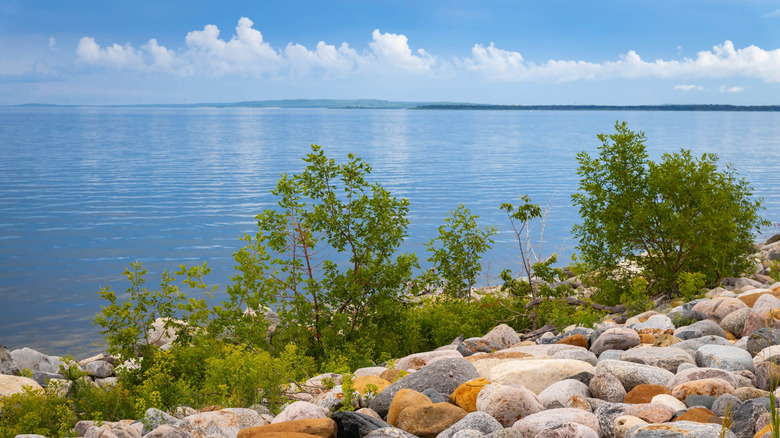
As national travel trends increasingly prioritize uncrowded, nature-centric destinations over congested coastal resorts, North Dakota’s aquatic infrastructure is poised for strategic expansion. State tourism boards and park management agencies are investing heavily in balancing increased visitor volume with rigorous environmental preservation.
Key initiatives looking toward the future include:
- Climate Adaptation Infrastructure: With water bodies like Devils Lake experiencing dynamic shoreline shifts due to regional precipitation and climate fluctuations, state planners are engineering adaptable dock systems and resilient access roads to ensure uninterrupted public utility.
- Habitat Restoration: Ongoing partnerships between the North Dakota Game and Fish Department and local conservation groups aim to protect critical spawning grounds in reservoirs like Lake Sakakawea and Lake Oahe, safeguarding world-class sportfishing economies for future generations.
- Low-Impact Eco-Tourism: The promotion of smaller, intimate water bodies—such as Clausen Springs Lake and Brewer Lake—helps distribute tourist traffic evenly across the state, preventing ecological degradation at marquee parks while offering travelers tranquil, authentic engagements with the Northern Great Plains.
Ultimately, North Dakota proves that beneath its reputation as a rugged land of badlands and dry prairie lies a vibrant, refreshing aquatic underworld. Whether navigating the glassy bays of Lake Metigoshe or marveling at the endless horizon of Lake Sakakawea, travelers who venture off the beaten path will discover that North Dakota’s lakes are indeed legendary.


