









Executive Overview
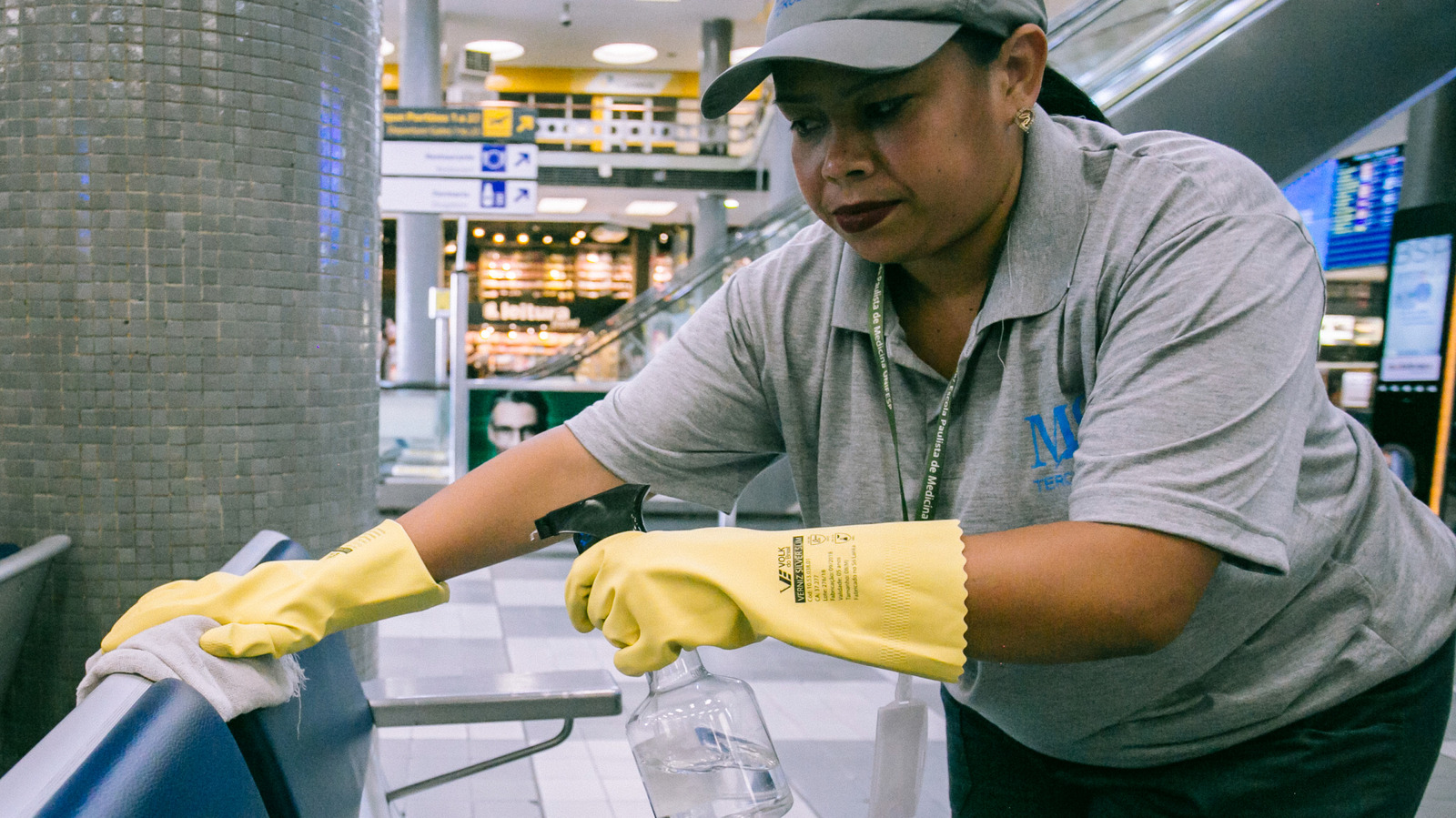
Airports are designed fundamentally as transition points—vast, high-traffic ecosystems intended to usher travelers seamlessly from Point A to Point B. Yet, in the modern landscape of global aviation, they have increasingly evolved into micro-cities. Between unexpected delays, tight-knit layovers, and the necessity of arriving hours before departure, passengers routinely spend significant portions of their journeys within terminal walls. While world-class dining, live entertainment, curated public art, and high-end retail options go a long way toward mitigating travel fatigue, they ultimately fail if a foundational element is missing: cleanliness.
As transit hubs repeatedly note, a clean terminal does more than simply maintain hygiene; it transforms the psychology of travel. It feels welcoming, lowers ambient stress, and establishes a positive tone for an entire itinerary.
To quantify and celebrate these efforts, the prestigious Skytrax World Airport Awards—which have tracked global passenger sentiment and operational excellence since 1999—released its definitive metrics for 2026. In the specialized category for the World’s Cleanest Airports, the rankings were partitioned to fairly evaluate both major global mega-hubs and regional facilities handling fewer than 30 million annual passengers.

The findings offer a stark reality check for Western aviation infrastructure: Not a single North American or European airport cracked the top five for major hubs. In fact, the sole North American representative to appear anywhere on the overarching Skytrax cleanliness lists was Houston Hobby Airport. Instead, dominance in mega-hub sanitation is concentrated entirely in Asia, with South Korea, Hong Kong, Singapore, and Japan capturing every top-tier position.
This comprehensive report explores the operational strategies, cultural philosophies, and cutting-edge technologies that propel the top five major airports of 2026 to the global summit of cleanliness.
Detailed Chronology of the Skytrax 2026 Evaluations
The evaluation process for the Skytrax World Airport Awards relies on rigorous, independent global customer satisfaction surveys. Millions of travelers across more of the world’s top aviation hubs evaluate key performance indicators, ranging from terminal navigation and Wi-Fi reliability to seat comfort and, crucially, the rigorousness of cleaning standards across concourses, seating zones, retail spaces, and washrooms.
As global passenger volumes surged past pre-pandemic highs in 2025—with the Airports Council International (ACI World) recording staggering throughput figures—maintaining spotless environments became an increasingly Herculean task. The 2026 results reflect a year-long accumulation of these passenger votes, culminating in a definitive hierarchy of cleanliness.

- The Continental Divide Emerges: Early data collection cycles in late 2025 hinted at a widening gap between Asian mega-hubs and their Western counterparts. While major American and European facilities struggled with staffing shortages, wear-and-tear, and high passenger-to-janitor ratios, Asian hubs doubled down on structural cleaning investments.
- The Robot Revolution Reaches Maturity: By early 2026, the integration of autonomous cleaning systems—which began experimentally during the early 2020s—became fully institutionalized at top-ranked facilities like Seoul Incheon.
- Spring Maintenance Deployments: In March 2026, facilities like Incheon kicked off massive, multi-week environmental overhauls, washing exterior glass, deep-cleaning structural architecture, and setting a high standard of hygiene just as the spring travel rush commenced.
- The Final Tally: When the 2026 Skytrax awards were formally tallied, Tokyo Haneda reclaimed its crown at the top of the major airport cleanliness list, closely followed by Incheon, Singapore Changi, Tokyo Narita, and Hong Kong International.
Supporting Context & Metrics: The Top 5 Cleanest Major Airports (2026)
1. Tokyo Haneda Airport (HND) — Japan
- Passenger Volume (2025): Over 91.6 million (3rd busiest airport globally, per ACI World)
- Skytrax Cleanliness Standing: #1 Major Airport Globally
Securing first place on the Skytrax cleanest major airport list is Tokyo Haneda International Airport, a facility that has historically dominated this category through a combination of peerless national cultural values and state-of-the-art facility management. Handling a staggering 91.6 million passengers in 2025 alone, Haneda’s ability to remain spotless under immense foot traffic is nothing short of a masterclass in logistics.
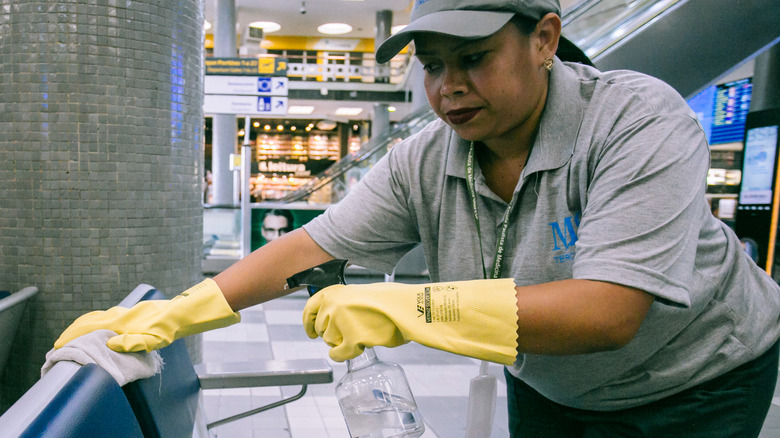
This consistent excellence is no accident; it is spearheaded by award-winning leadership. Haneda’s cleaning operations are guided by individuals like Niitsu Haruko, who holds the revered title of "Environmental Meister"—an honor bestowed upon professionals who triumph in the All-Japan Building Cleaning Competition. Haruko, who transitioned from frontline cleaning to training Haneda’s extensive janitorial workforce, instills a philosophy of profound personal responsibility. As she noted in interviews with Tokyo Updates, "What’s important is putting your heart into it. I take pride in what I do. Some say that cleaning is a behind-the-scenes sort of work, but I want to do it boldly. That way, I can take responsibility for the work I do."
2. Seoul Incheon International Airport (ICN) — South Korea
- Skytrax Cleanliness Standing: #2 Major Airport Globally (and #2 on the World’s Best Airports overall list)
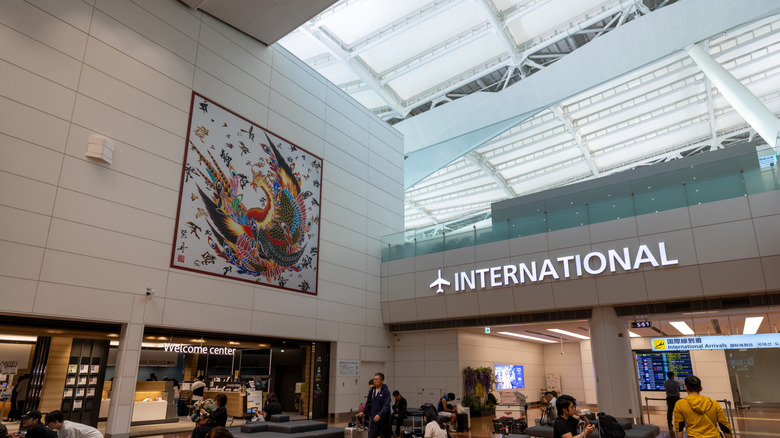
Coming in at a close second is Seoul Incheon International Airport. Incheon achieves its pristine state through a hybrid model that marries old-fashioned, meticulous human labor with cutting-edge artificial intelligence. Since 2022, the airport has deployed fleets of autonomous AI cleaning robots that patrol the terminal floors alongside human maintenance crews, vacuuming and scrubbing continuously without disrupting passenger flow.
Beyond daily maintenance, Incheon engages in intensive seasonal overhauls. Every spring, the airport executes a comprehensive, 40-day environmental maintenance program involving hundreds of specialized workers who deep-clean everything from interior carpets to the exterior structural glass of the terminals. "Through this spring environmental maintenance, we will create a clean and safe airport environment to provide passengers with a comfortable experience," stated Bae Young-min, head of infrastructure at Incheon, speaking to the Seoul Economic Daily.
Incheon’s commitment to hygiene complements its reputation as one of the world’s most luxurious transit hubs, offering travelers lush indoor gardens, cultural centers, museums, spas, and high-end retail.
3. Singapore Changi Airport (SIN) — Singapore
- Skytrax Cleanliness Standing: #3 Major Airport Globally (Ranked #1 overall in the 2026 Skytrax Top Airport Report)
While Singapore Changi Airport claimed the coveted #1 spot for the overall World’s Best Airport in 2026, it slipped slightly to the #3 position for pure cleanliness, swapping places with Incheon from the previous year. However, a third-place global ranking remains an extraordinary feat, and passenger sentiment on platforms like Google Maps consistently praises Changi for feeling "exceptionally clean, well-organized, and incredibly efficient" from the moment of entry.
Changi’s operational prowess shines brightest in its washrooms. According to Changi’s corporate publications, the cleaning protocols are meticulously engineered around flight schedules. To prevent cross-contamination and maximize efficiency, cleaning staff utilize strict color-coded systems for mops, cloths, and equipment based on specific zones. Furthermore, interactive digital feedback screens are embedded within washrooms, allowing passengers to instantly report maintenance issues for rapid remediation by roaming staff.
4. Tokyo Narita International Airport (NRT) — Japan
- Skytrax Cleanliness Standing: #4 Major Airport Globally
Reflecting Japan’s deeply ingrained cultural reverence for cleanliness (osouji), Tokyo’s secondary international gateway, Narita, secured the fourth spot globally. Spanning three expansive terminals, Narita is frequently lauded by passengers for its spacious, gleaming layouts and spotless facilities.
Travelers navigating Narita’s terminals—while browsing extensive selections of regional snacks, skincare boutiques, and duty-free shops—routinely note the absence of clutter and grime. Beyond sanitation, Narita offers travelers an array of engaging amenities, including observation decks for plane-spotting, public street pianos, curated art exhibitions, and world-class airline lounges. Though located roughly an hour by train east of Tokyo’s central business district, the pristine environment serves as a tranquil buffer for international arrivals.
5. Hong Kong International Airport (HKG) — Hong Kong
- Skytrax Cleanliness Standing: #5 Major Airport Globally (Ranked #1 for World’s Best Airport Washrooms)
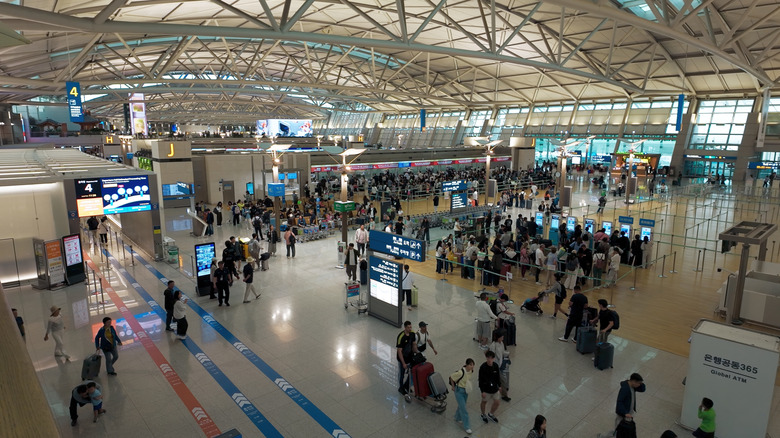
Rounding out the global top five is Hong Kong International Airport (HKIA). In addition to securing fifth place overall for major airport cleanliness, HKIA captured the absolute crown jewel of washroom hygiene, ranking #1 out of 270 airports worldwide in Skytrax’s World’s Best Airport Washrooms 2026 report.
Travelers frequently highlight HKIA’s massive scale paired with its ultra-modern, highly organized architecture. A standout feature of Hong Kong’s cleanliness infrastructure is its passenger-centric wellness amenities: the airport provides free public shower facilities fully stocked with necessary toiletries and hair dryers. For travelers enduring grueling long-haul flights across time zones, stepping off a plane into a pristine terminal and immediately accessing a complimentary, spotless shower redefines the transit experience. Once refreshed, passengers can reach downtown Hong Kong in under thirty minutes via the Airport Express.
Official Statements & Industry Perspectives
The stark contrast between Asian transit hubs and North American facilities has sparked intense discourse among aviation analysts. Industry leaders have increasingly pointed to structural differences in funding, union contracts, and cultural expectations regarding public stewardship.
While Western airports—such as Salt Lake City International—have increasingly acknowledged that "a clean airport just feels better—it’s more welcoming, more comfortable, and it can set the tone for the whole trip," closing the infrastructure gap remains a monumental challenge.
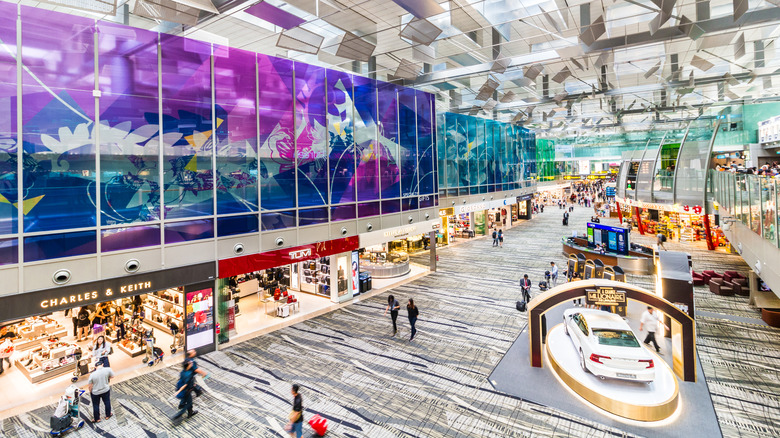
In Asia, cleanliness is treated not merely as a housekeeping task, but as a core component of national hospitality (Omotenashi in Japan). Executives across Haneda, Incheon, Changi, Narita, and Hong Kong view custodial staff as frontline brand ambassadors rather than invisible laborers. By investing heavily in continuous staff training, ergonomic cleaning technologies, and smart-sensor monitoring systems, these airports have turned hygiene into an unassailable competitive advantage.
Future Outlook: The Next Frontier in Airport Sanitation
As global air travel continues to expand toward the latter half of the 2020s, passenger expectations regarding health, safety, and cleanliness will only intensify. The benchmark established by the top five cleanest airports in 2026 highlights several critical trends that will shape the future of global aviation infrastructure:
- Mainstream AI and Automation: The successful deployment of autonomous scrubbing and sanitizing robots at hubs like Seoul Incheon signals the end of human-only cleaning models. Future mega-terminals will increasingly rely on a symbiotic workforce where robots handle repetitive floor care, allowing human specialists to focus on high-touch touchpoints and detailed detailing.
- Data-Driven Feedback Loops: Reactive cleaning is rapidly becoming obsolete. Airports are moving toward predictive maintenance models powered by Internet of Things (IoT) sensors in high-traffic zones—such as washrooms and security queues—that automatically dispatch janitorial crews based on real-time foot traffic and usage metrics.
- Elevated Passenger Wellness: Facilities like Hong Kong and Changi have demonstrated that washroom and shower hygiene are primary drivers of passenger satisfaction. Future terminal redesigns across North America and Europe will likely face mounting pressure from travelers to incorporate free, spa-grade hygiene facilities to match Asian standards.
- The North American Challenge: For North American airports to break into the elite tiers of Skytrax cleanliness rankings in the coming decade, systemic investments in capital infrastructure, janitorial labor allocation, and cultural shifts toward proactive maintenance will be required. Until then, Asia will maintain its uncontested reign over the world’s most immaculate skies.