



Executive Overview
In the modern era of cruise vacationing, the frantic dash to the muster station on embarkation day—once characterized by heavy orange life vests, packed boat decks, and long, tedious roll calls—has largely been replaced by the convenience of the digital "e-muster." Pioneered extensively across major fleets, this self-mustering format allows passengers to review safety videos at their own pace via their mobile devices or stateroom televisions before checking in at their designated physical assembly areas.
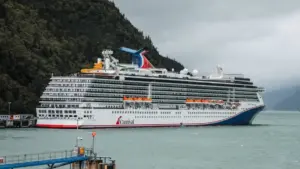
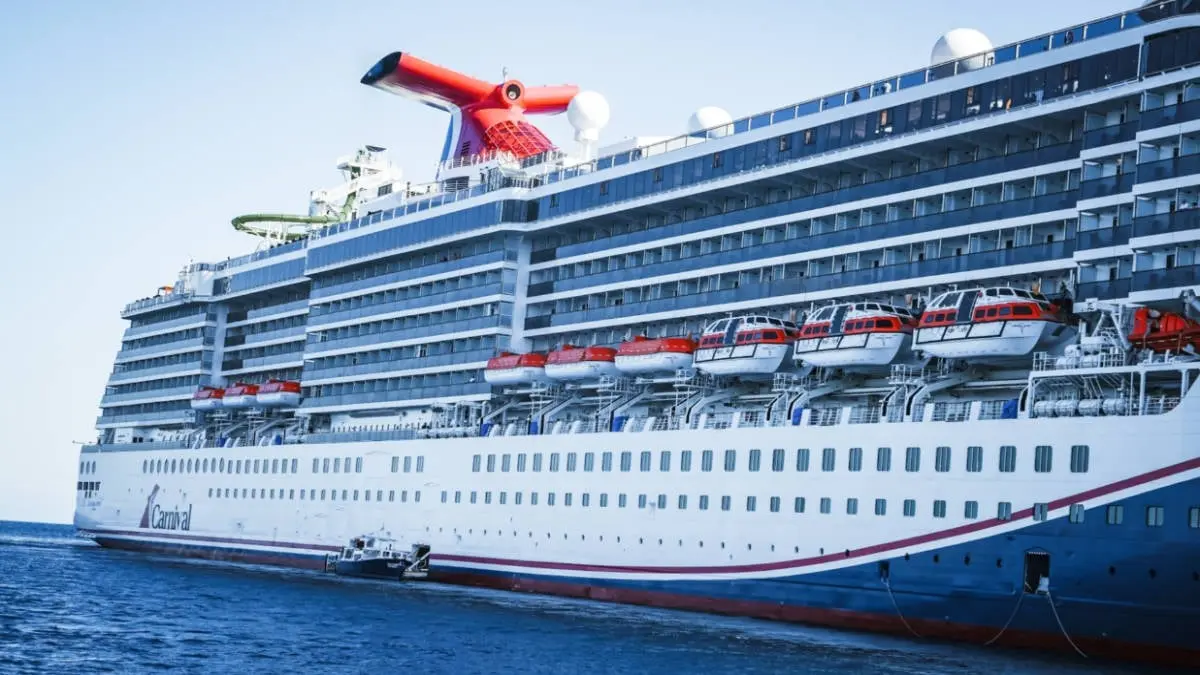
However, cruise enthusiasts accustomed to this streamlined process are being reminded that maritime law remains absolute: safety is an active, continuous, and uncompromising obligation. Carnival Cruise Line has recently dispatched direct notifications to guests booked on six specific upcoming sailings across six distinct vessels within its fleet. These travelers have been informed that their voyages will temporarily suspend the modern e-muster protocol in favor of a full, traditional, in-person safety briefing.
While these announcements inevitably trigger a wave of curiosity—and occasional anxiety—among first-time cruisers or those accustomed to digital convenience, Carnival’s leadership is quick to clarify that this is not a permanent rollback of the popular self-mustering system. Instead, these targeted drills are part of a strictly mandated, recurring compliance schedule required by international maritime conventions and national coast guards. Twice annually per vessel, every ship in the Carnival fleet must execute a traditional, full-scale muster drill to ensure both crew readiness and absolute adherence to global safety benchmarks.
This comprehensive report examines the operational mechanics behind these mandatory in-person drills, the regulatory frameworks governing them, the passenger experience during a traditional muster, and why the cruise line’s beloved digital e-muster system remains firmly entrenched as the industry standard for the vast majority of its itineraries.
Detailed Chronology and Regulatory Frameworks
To understand why a select group of Carnival passengers must step away from the Lido deck’s welcome buffet to participate in a traditional safety drill, one must look deep into the regulatory architecture that governs the global cruise industry. Maritime safety is not dictated solely by corporate policy; it is enforced by a stringent network of international treaties and national oversight bodies.
The Mandate of SOLAS and Coast Guard Authorities
At the apex of maritime governance is the International Convention for the Safety of Life at Sea (SOLAS), a treaty administered by the International Maritime Organization (IMO). Alongside SOLAS regulations, cruise ships operating out of United States ports, Australian waters, and various other international jurisdictions must comply with the hyper-vigilant oversight of local maritime agencies, such as the United States Coast Guard (USCG).
Carnival Cruise Line’s brand ambassador, John Heald, has repeatedly addressed passenger inquiries regarding these periodic protocol shifts, emphasizing that compliance is non-negotiable.
"This is something that every single ship needs to do twice a year as per US Coast Guard, Australian Coast Guard, and other government agencies, and SOLAS, Safety of Life at Sea," Heald confirmed.
These regulatory bodies require tangible, randomized, or scheduled demonstrations of a ship’s emergency readiness under real-world conditions. While the digital e-muster has proven exceptionally effective at educating passengers and drastically reducing terminal congestion on embarkation day, regulatory authorities mandate that physical, crew-led, ship-wide exercises be performed periodically to prove that the infrastructure, public address systems, crew response times, and crowd-control measures function seamlessly without reliance on digital architecture.
Operational Exceptions and Unforeseen Adjustments
Logistics in the cruise industry are inherently fluid, subject to the unpredictable whims of weather, port congestion, and mechanical maintenance. Because these mandatory in-person drills must occur twice per calendar year per vessel, scheduling them requires precise coordination between cruise operations, port authorities, and itineraries.
However, unexpected developments can force sudden alterations to these plans. A prime example occurred aboard the Carnival Sunshine. The vessel was originally scheduled to execute a full, in-person safety briefing at the commencement of its September 27 departure from Norfolk, Virginia. However, a severe nor’easter battered the Mid-Atlantic coast, forcing a significant itinerary disruption. The departure was delayed to September 28, and the ship’s schedule was compressed to ensure passengers still experienced a viable vacation.
Faced with a delayed departure and a shortened sailing, Carnival operations made the executive decision to cancel the in-person drill. Instead, guests reverted to the standard self-mustering (e-muster) procedure. This pivot allowed the cruise line to expedite the embarkation and safety clearance process, enabling the ship to get underway as swiftly as possible. To maintain strict compliance with SOLAS and USCG mandates, the deferred in-person drill for that specific vessel profile is systematically rescheduled for a subsequent voyage in the near operational window.
Supporting Context & Metrics: The Anatomy of a Traditional Muster Drill
For passengers who have only ever experienced the quick-scan e-muster—where guests watch a brief video, visit their muster station to have their room keys scanned by a crew member, and promptly return to their vacation—participating in a traditional drill represents a noticeable shift in embarkation-day pacing.
Step-by-Step Execution of the In-Person Briefing
When a full, in-person safety briefing is called, the entire ship operates on a synchronized emergency protocol timeline. The process is characterized by several distinct phases:
- Pre-Departure Notification: Guests receive explicit written notification in their embarkation documentation, supplemented by digital reminders via the Carnival Hub app and stateroom television announcements.
- The Emergency Signal: Shortly before the ship casts off lines, the ship-wide public address system sounds the official maritime emergency alert signal: seven short blasts followed by one long blast. This audio cue is universally recognized across the global maritime industry.
- Muster Station Mobilization: Passengers are instructed to make their way directly to their assigned muster stations (indoors in lounges, dining rooms, or public theaters, or outdoors on promenade decks, depending on the ship class). Elevators are typically taken out of service during this phase to simulate emergency power protocols, requiring guests to use stairwells.
- Crew Verification and Scanning: Crew members are strategically positioned throughout stairwells and at muster station entry points. They rigorously check guests’ Sail & Sign cards to verify 100% attendance. Every single soul on board—from infants to veteran cruisers—must be accounted for.
- Demonstrations and Protocols: Once assembled, ship officers and crew members conduct live demonstrations on how to properly don a life jacket. For younger travelers, crew members distribute specialized wristbands that clearly identify their designated muster stations and emergency groupings.
- Public Address Walkthrough: Throughout the drill, public address announcements guide guests through every theoretical step of an evacuation procedure, establishing familiarity with escape routes and ship geography.
Operational Restrictions During the Drill
To ensure undivided attention and maximize the safety of all individuals on board, normal shipboard commerce and hospitality services are temporarily paused. Food and beverage service—including specialty dining venues, the Lido buffet, and pool bars—is temporarily closed during the duration of the safety briefing.
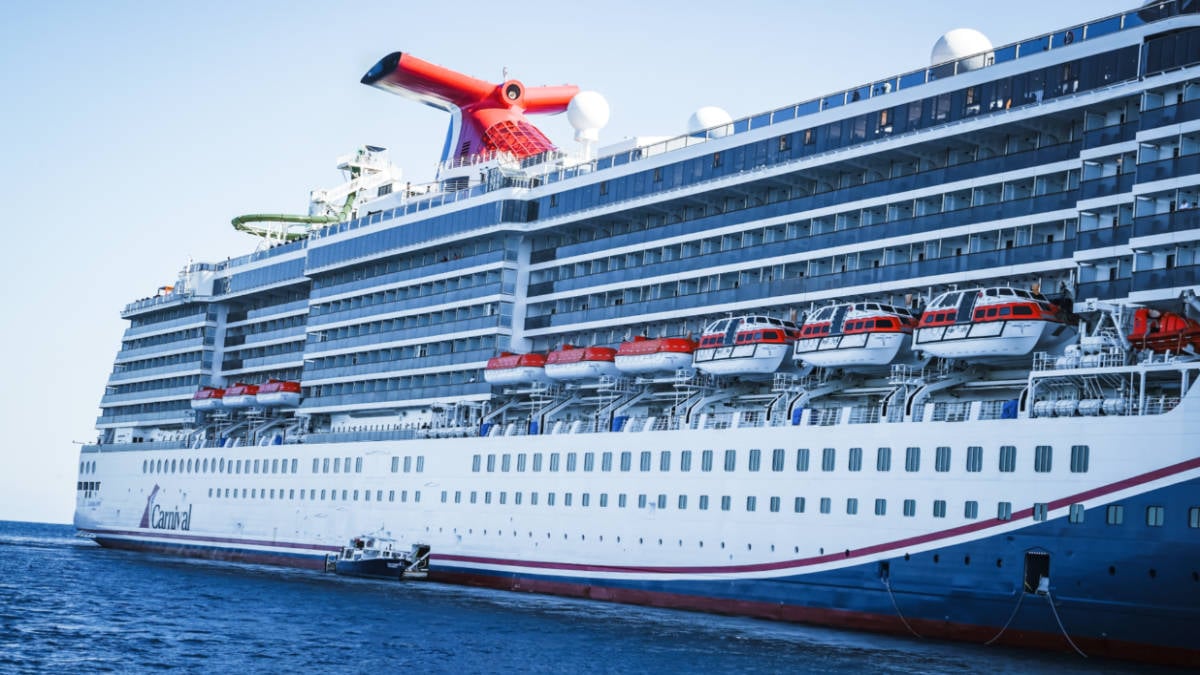
Furthermore, crew members are thoroughly evaluated during these drills. Safety officers monitor how efficiently crew members direct foot traffic, manage crowd surges, assist passengers with mobility challenges, and communicate vital instructions. These drills serve as both a passenger education exercise and an essential performance audit for the ship’s internal safety department.
Official Statements and Corporate Philosophy
Carnival Cruise Line maintains that while passenger comfort and vacation relaxation are paramount, they will never supersede absolute operational integrity. The company’s corporate communications emphasize transparency and preparedness.
In the official email notifications distributed to guests booked on the impacted sailings, Carnival underscores its foundational values:
"The safety of everyone on board is always our priority, and we are dedicated to maintaining responsible and secure operations. As part of this commitment to this key Carnival value, a safety briefing will be conducted ahead of every sailing," the communication explains.
Addressing the mandatory nature of the exercise, the notification continues:
"Shortly before departure, a full safety drill will take place on your upcoming sailing. This is a mandatory procedure, and all guests will be required to participate in this brief but essential exercise."
This firm stance reflects the broader cruise industry’s post-2020 operational evolution. While the introduction of the e-muster was initially accelerated during the pandemic to promote social distancing, cruise lines quickly realized that the digital format vastly improved the embarkation experience by eliminating the claustrophobic, tightly packed crowds of traditional muster stations. However, regulatory bodies insisted that convenience must not erode baseline preparedness, leading to the hybrid model currently in use: an overwhelming reliance on digital e-mustering supplemented by mandatory, bi-annual in-person drills.
Future Outlook: The Balancing Act Between Innovation and Regulation
As the global cruise industry continues to set passenger volume records, cruise lines face the ongoing challenge of balancing seamless, friction-free guest experiences with uncompromising regulatory compliance.
Will the E-Muster Disappear?
A common anxiety among frequent cruisers is whether regulatory agencies might force a complete return to the cumbersome, pre-2020 traditional muster drills for all sailings. Industry analysts and cruise executives strongly indicate that a full-scale retreat to old methods is highly unlikely.
The digital e-muster has proven to be an overwhelming success across multiple metrics:
- Compliance Rates: Studies show that e-muster systems actually achieve higher comprehension and completion rates because passengers can review safety information clearly without external distractions or acoustic issues on crowded outdoor decks.
- Flow Management: By staggering when guests complete their safety briefings prior to sail-away, cruise terminals and ship gangways experience significantly reduced bottlenecks.
- Guest Satisfaction: Vacationers consistently rate the flexibility of the digital check-in and e-muster process as a major upgrade to their embarkation-day experience.
Consequently, the e-muster remains the baseline protocol across the vast majority of the Carnival fleet. The implementation of full, in-person drills remains strictly limited to the targeted, bi-annual compliance schedule required by SOLAS and national coast guards.
What Travelers Should Know Moving Forward
For future Carnival guests, the key takeaway is adaptability. While the vast majority of sailings will continue to utilize the quick and convenient e-muster system, travelers are advised to carefully read all pre-cruise communications sent by the cruise line.
If a booked sailing falls under the bi-annual regulatory audit window, guests will be clearly notified in advance. Rather than viewing a traditional, in-person safety drill as an inconvenience, maritime experts encourage passengers to view it as a reassuring reminder of the immense infrastructural dedication required to safely navigate millions of vacationers across the world’s oceans each year.
As Carnival Cruise Line continues to refine its safety protocols, the combination of modern digital innovation and rigorous, traditional compliance ensures that the line’s fleet remains among the safest, most thoroughly prepared maritime operations in the world.