






By the Sea Tow Safety Editorial Board
Published: August 18, 2026 | Updated: August 17, 2026
Executive Overview
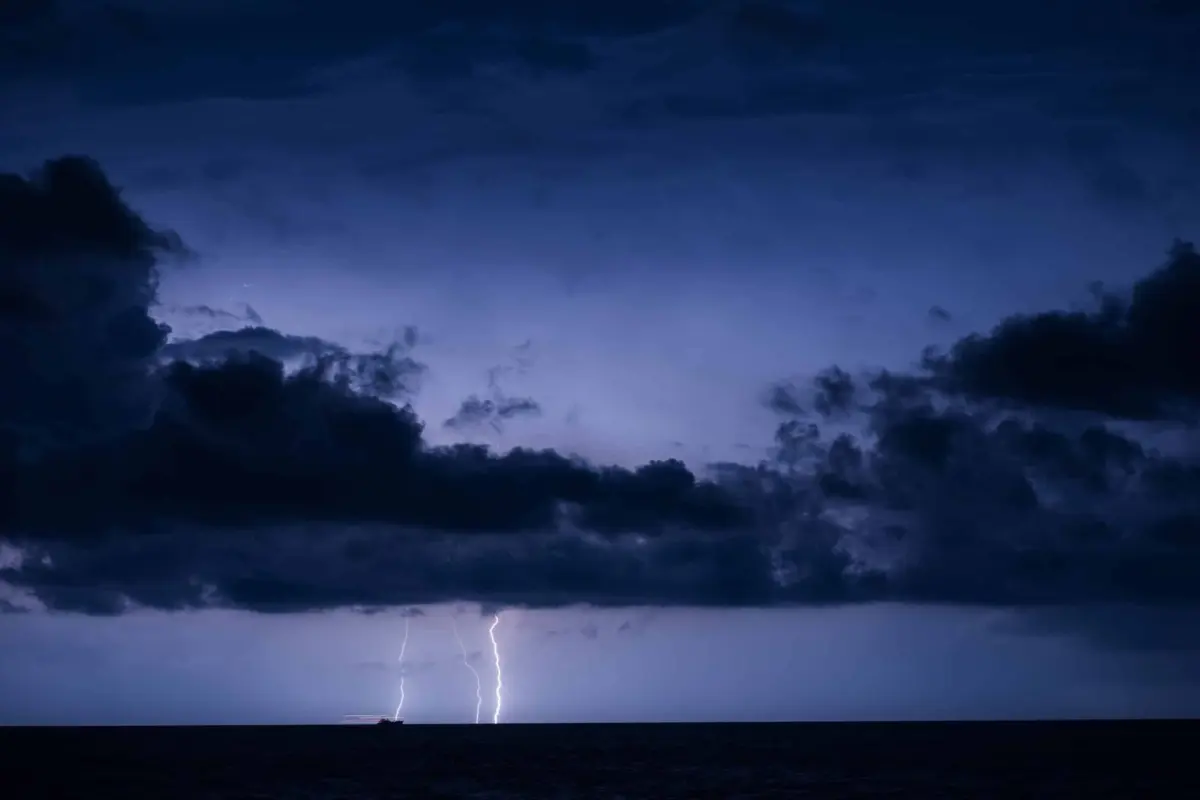
Modern meteorological forecasting has evolved by leaps and bounds, yet the marine environment remains inherently volatile. For recreational anglers and commercial fishing boat operators alike, a pristine morning on the water can dissolve into a maritime gauntlet in a matter of minutes. Sudden wind shifts, rapidly escalating wave heights, and blinding downpours reduce visibility to near zero, transforming an average fishing trip into an immediate test of survival, seamanship, and vessel management.
When a fishing boat is caught unawares in a severe weather system or a fast-moving squall, the foundational rule of thumb is straightforward yet frequently misunderstood: storm response is about control, not speed.

Too often, the visceral human reaction to an approaching wall of black clouds is panic-induced acceleration—an urgent, desperate dash to outrun the weather back to the safety of the dock. Marine safety experts and seasoned on-water towers emphasize that this instinctual reaction is frequently the most dangerous choice a captain can make. Accelerating blindly into deteriorating conditions places immense mechanical strain on the hull and engine mounts, exacerbates violent slamming in heavy chop, and dramatically compromises steering control precisely when precision handling is needed most.
This comprehensive operational guide explores the mechanics of heavy-weather seamanship. It provides an authoritative framework for managing your vessel, protecting your passengers, securing your cargo, and mitigating risks when Mother Nature unleashes her fury offshore or in congested inland waters like the Intracoastal Waterway (ICW).
Detailed Chronology: Phase-by-Phase Heavy Weather Management
When storm conditions materialize around your vessel, survival and vessel preservation depend on executing a disciplined, prioritized sequence of actions. The following chronological framework outlines the critical phases of storm response.
[Phase 1: Immediate Recognition & Speed Reduction]
       │
       ▼
[Phase 2: Personnel Protection (Life Jackets & Weight Distribution)]
       │
       ▼
[Phase 3: Deck Stabilization & Gear Securing]
       │
       ▼
[Phase 4: Positional Awareness & Electronic Navigation]
       │
       ▼
[Phase 5: Post-Storm Inspection & Safe Return]
Phase 1: Immediate Recognition and Speed Reduction
The moment atmospheric conditions deteriorate—marked by a sudden drop in barometric pressure, shifting winds, darkening skies, or whitecaps forming on the water—your immediate priority is to adjust your vessel’s operating tempo.
- Throttle Back: Reduce speed immediately. Lowering your velocity allows you to maintain precise steering control without forcing the bow of your fishing boat to slam violently into steep, breaking waves.
- Angle of Attack: Never run directly perpendicular to steep, breaking waves, particularly in smaller fishing vessels, as this dramatically increases the risk of capsizing or broadside roll (beam seas). Instead, take the seas on your bow at a comfortable 45-degree angle (the "quartering" method), which softens the impact and maintains hull integrity.
- Resist the Urge to Outrun: Unless you are mere yards from a protected harbor entrance and visibility allows you to navigate it safely, do not attempt to outrun a severe cell. Fast-moving systems like an unexpected squall can drop visibility and elevate wave heights within minutes, turning open water into a chaotic obstacle course.
Phase 2: Personnel Protection and Life Safety
Once the vessel’s speed and heading are stabilized, attention must shift instantly from the mechanics of the boat to the human element on board.
- Mandatory Life Jacket Deployment: In rough water and amid violent vessel movements, searching for, retrieving, and properly donning life jackets becomes exceedingly difficult—and often perilous. Take safety precautions immediately by ensuring every single passenger is wearing a USCG-approved life jacket before conditions peak.
- Weight Distribution Management: Improper weight distribution is a primary contributor to vessel instability during heavy seas. Instruct passengers to remain seated near the centerline and low down in the cockpit or cabin. Shifting bodies to one side or crowding the gunwales can drastically alter the boat’s center of gravity, inviting a catastrophic capsize when hit by a rogue wave.
- Pre-Departure Preplanning Context: Marine statistics consistently demonstrate that the primary cause of boating fatalities involves unexpected severe weather coupled with a failure to wear life jackets. This underscores why comprehensive predeparture checklists and the filing of a formal float plan with a trusted contact ashore are non-negotiable elements of responsible boating. A proper float plan ensures that if conditions escalate and communications fail, emergency services know your intended route and expected return time, drastically expediting rescue response windows.
Phase 3: Securing Loose Gear and Clearing Decks
Fishing boats are unique operational platforms. They are inherently cluttered with specialized equipment, tackle boxes, rods, coolers, bait wells, and gaffs—all of which transform into lethal projectiles or dangerous tripping hazards when subjected to violent rolling and pitching.
- Lock Down the Cockpit: Quickly stow loose gear in dedicated lockers, fish boxes, or secure cabin spaces. Bungee cords, heavy-duty straps, and snap-latches should be utilized to immobilize heavy coolers and tackle stations.
- Clear Pathways: Keeping the deck clear ensures that if an emergency arises, passengers and crew can safely access vital safety gear, fire suppression systems, or life-saving appliances without stumbling over rogue equipment.
Phase 4: Positional Awareness and Electronic Navigation
Storm-force winds and relentless currents can push even a well-anchored or throttled-down boat far off its intended course. Maintaining strict spatial awareness prevents accidental grounding or drift into high-density shipping lanes.
- Monitor Your Surroundings: Continuously track your position relative to shallow water, rocky shorelines, and navigational markers using your onboard electronics (GPS chartplotters, radar, and depth sounders).
- Compensate for Reduced Visibility: If torrential rain, sea spray, or fog drastically reduces visibility, reduce your speed further. Rely heavily on your electronics, sound signals, and visual spotters to monitor nearby vessel traffic.
- Understand Communication Limitations: In busy waterways such as the Intracoastal Waterway (ICW), storms trigger a rush of maritime traffic seeking immediate shelter, leading to severe congestion. Furthermore, heavy precipitation can degrade electronic performance. Understanding technical issues such as poor VHF radio range and atmospheric static can help you identify signal limitations before a communications failure compromises your safety.
Supporting Context & Metrics: The Anatomy of Marine Weather Hazards
Understanding why marine weather is so dangerous helps reinforce the strict adherence to safety protocols outlined above. According to historical data compiled by maritime safety organizations and the U.S. Coast Guard, weather-related marine incidents frequently share common operational failures:
- The Sudden Onset Factor: Over 65% of severe weather-related vessel capsizings occur because the operator delayed taking precautionary measures during the initial stages of a squall, attempting to "power through" rather than reducing speed and securing the vessel.
- Mechanical Strain Metrics: Operating a planing-hull fishing boat at high speeds through a 3-to-4-foot choppy sea multiplies the structural G-force impacts on transom and engine mounts by up to 400%, vastly increasing the probability of mechanical or steering failure during a storm.
- Propulsion Vulnerability: Statistical analysis of offshore rescue requests reveals that nearly 30% of boats requiring emergency assistance during storms experienced secondary mechanical failure—frequently caused by water ingestion, electrical short circuits from driving rain, or structural strain on steering linkages.
Official Statements and Expert Guidance
Maritime safety authorities, including the veteran captains and towing professionals at Sea Tow, emphasize that preparation is a continuous cycle that begins long before casting off lines.
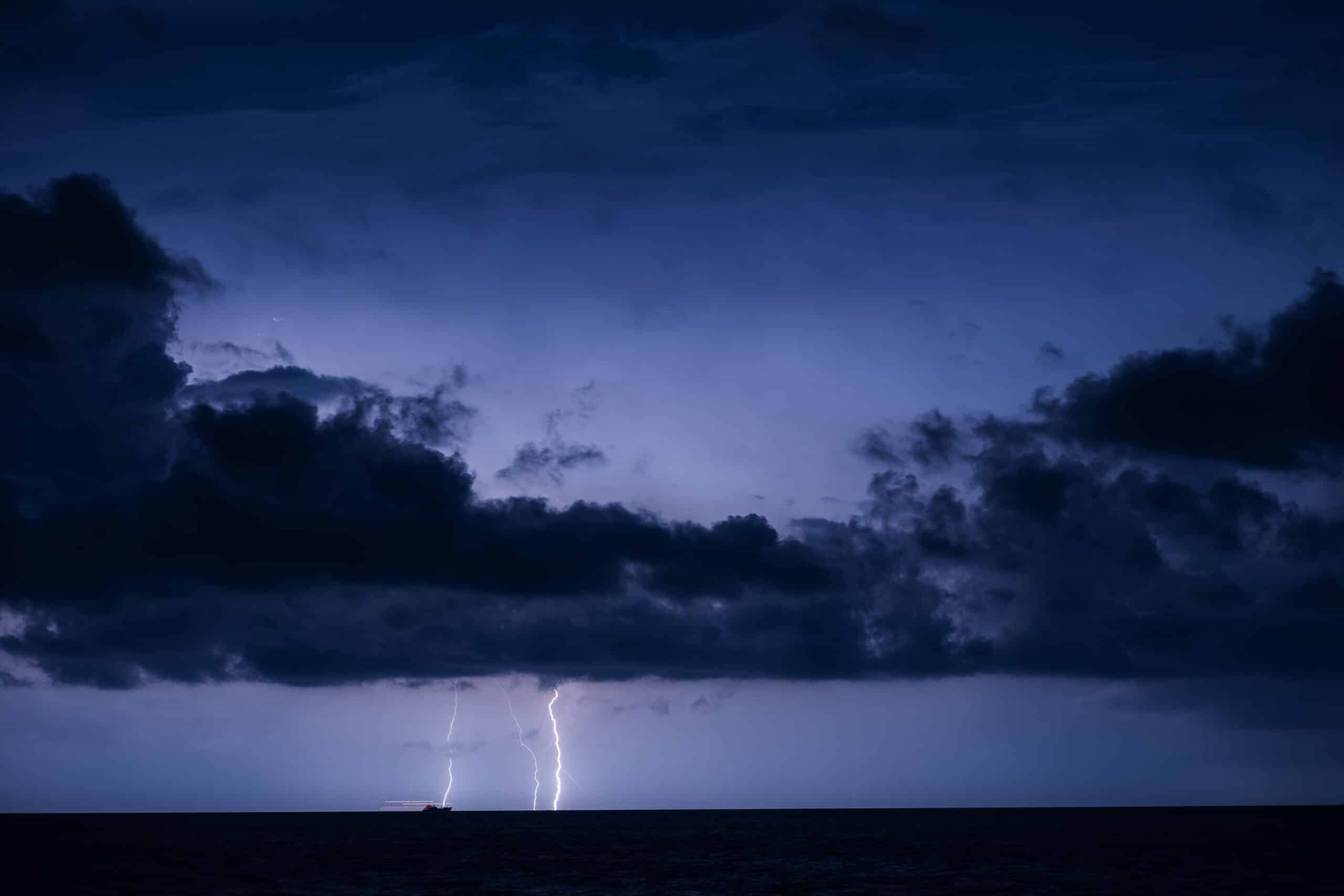
"Storms do not care about your schedule, your catch, or how experienced you think you are," notes a senior Sea Tow operations manager. "When the barometer drops and the horizon turns slate gray, your mindset must shift entirely from recreation to preservation. The decisions you make in the first five minutes of a squall—slowing down, putting on life jackets, and securing the deck—dictate whether you will make it back to the dock under your own power or require professional salvage and recovery services."
Experts also caution against the impulsive use of anchors in open water during heavy weather:
- The Anchoring Dilemma: Do not attempt to anchor in open water during a severe storm unless your engine has completely failed and you are actively drifting toward a lee shore or shallow hazard. Anchoring in heavy seas can cause the bow to pin down, allowing steep stern or beam waves to swamp the vessel, or causing the anchor rode to chafe and part under extreme cyclical loads.
Managing Engine Failures in Extremis
If your engine fails during a severe storm, the danger escalates exponentially. Without propulsion, the vessel loses its ability to maintain a safe heading into incoming seas, leaving it at the mercy of wind and waves.
[Engine Failure in Storm]
       │
       ├─► 1. Deploy Sea Anchor / Drogue (Keep bow into waves)
       │
       ├─► 2. Don Life Jackets & Check Bilge Pumps
       │
       ├─► 3. Issue Mayday / PAN-PAN via VHF (If operational)
       │
       └─► 4. Standby for Professional Towing/Salvage Assistance
Should propulsion fail:
- Deploy a Sea Anchor or Drogue: If available, deploy a drogue or sea anchor off the bow to keep the vessel’s nose pointed into the wind and waves, preventing dangerous beam-to rolling.
- Rig Manual Bilge Systems: Ensure automatic and manual bilge pumps are functioning to clear incoming water.
- Communicate Distress: Transmit a securité, pan-pan, or mayday call on VHF Channel 16 immediately, providing your precise GPS coordinates, vessel description, and nature of distress.
- Professional Intervention: In extreme weather scenarios where a vessel becomes disabled, takes on water, or grounds on a shoal, professional marine assistance, towing, salvage, and recovery services will be dispatched as soon as local sea states allow safe operations on-water.
Post-Storm Protocol and Future Outlook
Once the squall line passes and meteorological conditions begin to stabilize, the temptation is to immediately resume fishing or race back to port at high speed. Experienced captains exercise extreme caution during this post-storm window.
Post-Storm Inspection Checklist
Even if your vessel appears undamaged from the exterior, hidden structural stress or mechanical fatigue can manifest hours or days after enduring heavy wave impacts.
- Bilge Inspection: Check the bilge compartments thoroughly for signs of abnormal water accumulation, which may indicate hull compromise, loose through-hull fittings, or stern boot leakage.
- Steering and Propulsion Check: Test the steering wheel from lock to lock while operating at idle speed. Listen intently for unusual engine vibrations, cavitation, propeller damage, or steering stiffness.
- Electrical System Verification: Inspect navigation electronics, bilge switches, battery terminals, and VHF radios for moisture intrusion or salt accumulation.
- Hull Integrity Review: Once docked, inspect the gel coat along the waterline, stringers, and transom for stress cracks, delamination, or impact damage caused by floating debris swept out by storm runoff.
Future Outlook: Technology and Seamanship in Boating Safety
Looking toward the future of recreational and commercial boating safety, the integration of advanced real-time weather telemetry, satellite-linked marine radar, and automated vessel tracking systems will continue to improve early warning capabilities. However, technology can never replace foundational seamanship.
As climate patterns become increasingly erratic and severe weather events occur with greater frequency, the burden of safety remains in the hands of the captain. By cultivating a disciplined mindset focused on proactive preparation, strict adherence to safety checklists, and calm, methodical execution during maritime emergencies, boaters can ensure that every voyage—even one interrupted by an unexpected storm—ends safely back at the dock.
Frequently Asked Questions
Should you try to outrun a storm in a fishing boat?
No. If weather conditions are already deteriorating in your immediate vicinity, attempting to outrun a storm is hazardous. Accelerating blindly into choppy water increases hull strain, reduces visibility, and compromises steering control. It is almost always safer to reduce speed, take the seas at a comfortable angle, and prepare your vessel and crew for the weather.
Is it safe to anchor during a storm?
Only as a last resort. Anchoring in open water during heavy seas can cause the boat to swing unpredictably, strain the anchor rode, and position the hull improperly relative to incoming waves. Only drop anchor if you are experiencing total propulsion failure and are actively drifting toward a dangerous lee shore or shallow hazard, and only if water depth and bottom conditions allow for a secure hold.
What is the most dangerous part of boating in a storm?
The combination of loss of propulsion and beam seas (waves striking the side of the boat) represents the single greatest threat. Without engine power to maintain a safe bow heading, a vessel is vulnerable to broadside rollovers and catastrophic capsizing.
About Sea Tow: Since 1983, Sea Tow has been the premier leader in on-water marine assistance, offering 24/7 towing, jump starts, fuel delivery, ungrounding, and comprehensive salvage support to boaters nationwide.