









Executive Overview
For millions of residents and visitors in the greater Los Angeles metropolitan area, the pursuit of outdoor recreation often feels synonymous with frustration. Popular, hyper-exposed trails—such as the perpetually congested paths of Wilacre Park, universally known as Fryman Canyon in Studio City—frequently offer little more than a grueling workout sandwiched between bumper-to-bumper traffic, gridlocked parking lots, and an overwhelming volume of fellow hikers. While these urban-adjacent pathways serve a purpose, they rarely deliver the quiet solitude, untouched vistas, and communion with nature that many outdoor enthusiasts truly crave.
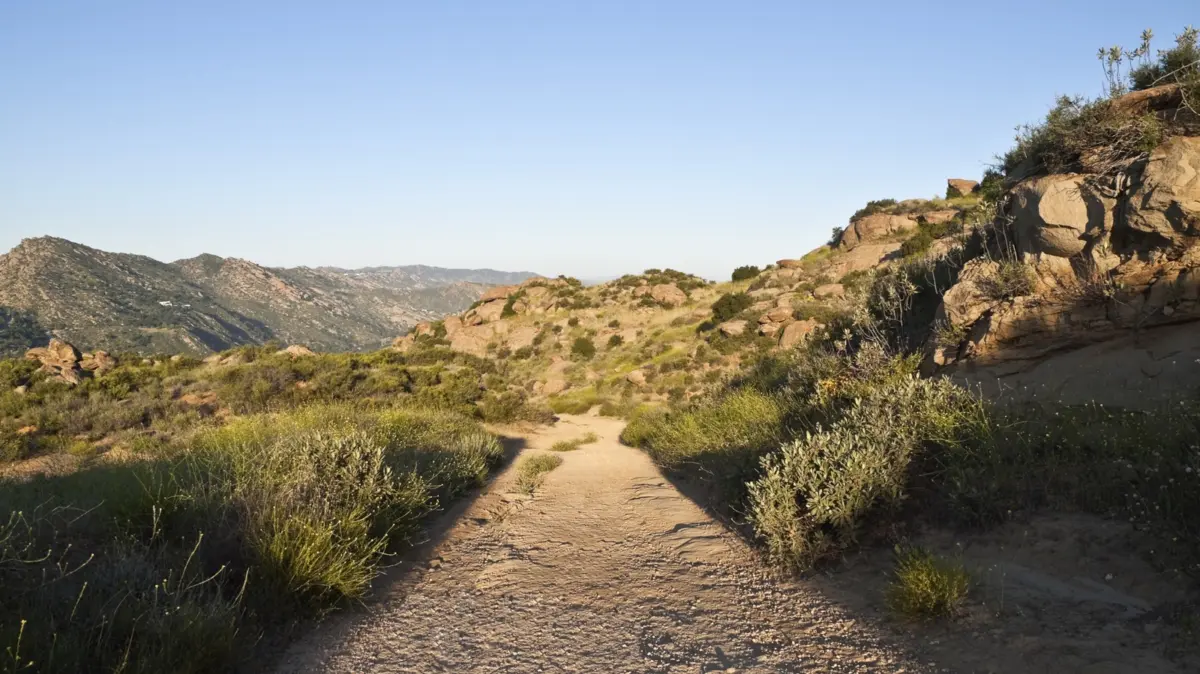
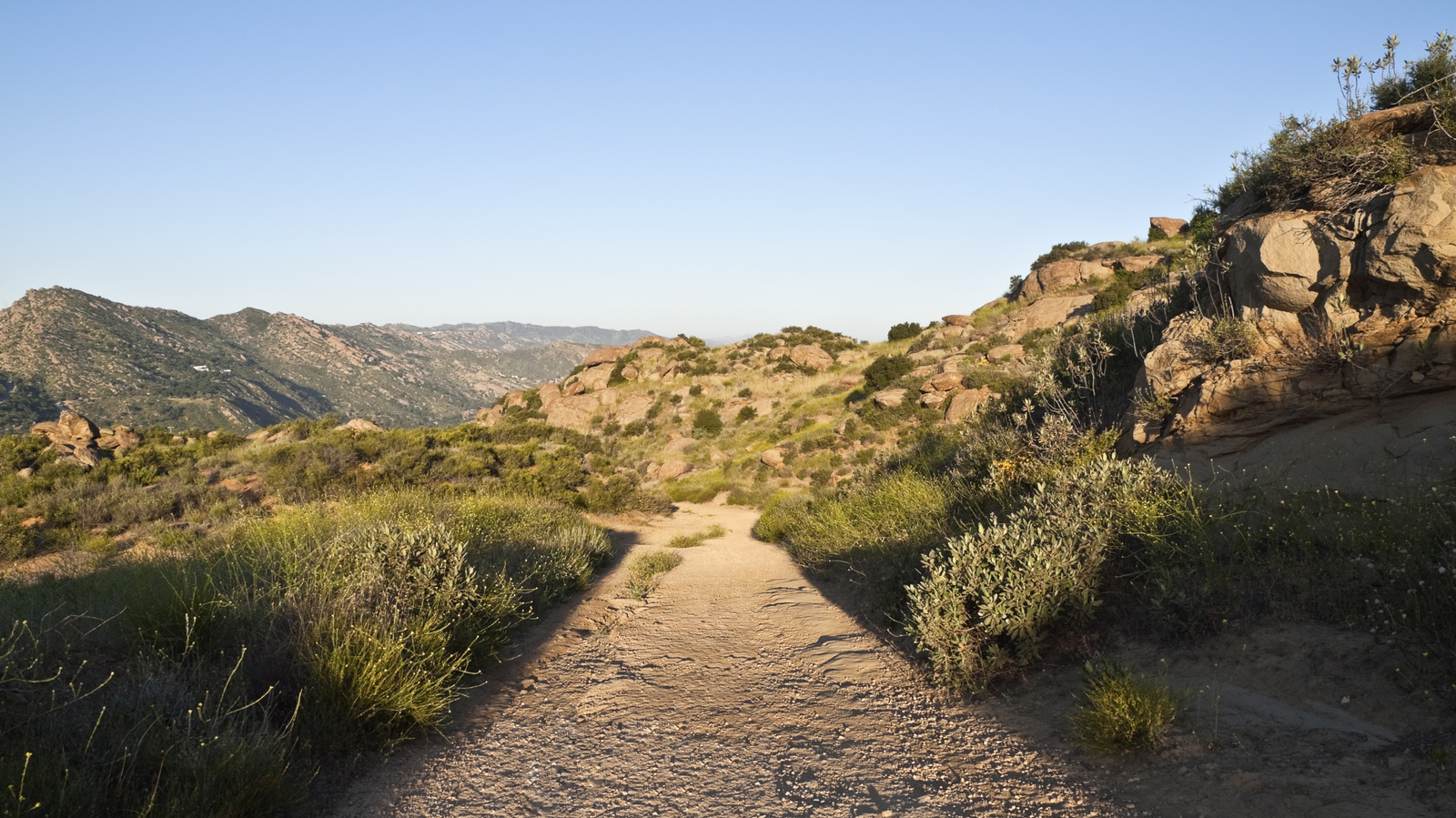
Just a short drive beyond the dense sprawl of the city, however, lies an expansive, rugged alternative that dramatically shifts the Southern California hiking paradigm. Situated roughly 30 miles northwest of downtown Los Angeles in Simi Valley—widely recognized as one of the safest and most family-friendly municipalities in the Golden State—Rocky Peak Park spans a breathtaking 4,800 acres of protected wilderness. Straddling the rugged ridge of the Santa Susana Mountains along the border of Los Angeles and Ventura counties, this dramatic landscape features millions of years of geological evolution, unique sandstone caverns, panoramic valley overlooks, and a thriving wildlife corridor.
Offering a welcome reprieve from the congested trailheads of the inner city, Rocky Peak Park blends physical challenge with ethereal beauty. Whether hikers are seeking an early morning cardiovascular push above the marine layer or a serene evening escape as the sun dips below the horizon, this regional haven delivers world-class outdoor recreation without the urban chaos.

Detailed Chronology & Geological History
To truly appreciate the majesty of Rocky Peak Park, one must look far beyond its modern trail markers and understand the deep, violent, and fascinating geological forces that shaped the terrain over millions of years.
The Deep Past: From Ocean Floor to Mountain Ridges
The weathered, extraterrestrial-looking sandstone formations that define Rocky Peak Park did not appear overnight. Millions of years ago, during the Cenozoic era and earlier geological epochs, much of Southern California was submerged beneath a vast prehistoric ocean. Over vast expanses of time, massive layers of sediment—comprising sand, silt, and marine organisms—accumulated on the ocean floor, compressing under immense pressure to form thick strata of sedimentary rock.
As tectonic plates beneath the Earth’s crust shifted and ground against one another, intense seismic activity began to push these buried layers upward. The ongoing collision and compression between the Pacific and North American tectonic plates crumpled, faulted, and uplifted the Earth’s crust, thrusting ancient marine deposits high into the sky to form what we now know as the Santa Susana Mountains.
Wind, Water, and Weathering
Once exposed to the elements, these newly formed mountain ridges were subjected to relentless weathering. Wind, rain, and extreme temperature fluctuations began to carve away the softer surrounding rock, exposing durable, wind-carved sandstone monoliths, hidden crevices, and pocket caves. The unique geologic fissures and tilted rock angles found throughout Rocky Peak Park are direct physical manifestations of these ancient tectonic convulsions. Today, these porous rock faces serve as both a visual wonder and a tactile reminder of the earth’s dynamic, ever-changing nature.

Exploring the Trail Network: A Comprehensive Guide to Rocky Peak
Spanning thousands of acres of rugged topography, Rocky Peak Park offers routes that cater to varying skill levels, though the terrain universally demands respect, proper footwear, and preparation. Because the park acts as a critical topological barrier between the San Fernando Valley and Simi Valley, trails frequently feature steep ascents, loose gravel, and exposed sandstone slabs.
1. The Rocky Peak Trail
- Distance: ~5 miles roundtrip
- Elevation Gain: ~2,700 feet
- Character: A steady, uncompromising climb through native chaparral, featuring expansive valley views and iconic geological landmarks.
Beginning just north of the 118 Freeway, the journey often starts deceptively close to modern civil infrastructure. Hikers park in either the compact roadside lot at the trailhead or the larger lot across the busy highway—requiring vigilant caution when crossing—before quickly leaving the sights and sounds of traffic behind.
The route initiates on a wide fire road before transitioning into a rugged dirt trail that weaves through resilient native chaparral, scrub oak, and seasonal flora. As climbers push upward along the 2,700-foot ascent, they are flanked by towering, wind-sculpted sandstone boulders that defy conventional earthly architecture. Along the path, hikers can explore secluded, wind-formed caves carved directly into the rock face. Upon reaching the summit, visitors are rewarded with a sweeping, uninterrupted panoramic vista encompassing both Simi Valley and the sprawling San Fernando Valley.
2. The Hummingbird Trail
- Character: Technical, physically demanding, and adventurous.
For seasoned hikers and rock scramblers looking to push their limits, the Hummingbird Trail branches off the main Rocky Peak network. This route is not for the faint of heart; it requires navigating steep, boulder-strewn slopes, utilizing bolted-down ropes to scale vertical rock faces, and squeezing through narrow natural tunnels. The trail ultimately leads to the infamous "swing cave"—a graffiti-laden cavern often outfitted with makeshift cargo netting, ropes, and the occasional hammock left behind by adventurous locals.
3. The Chumash Trail
- Distance: ~3 miles (moderate)
- Character: Historically rich, visually stunning, and ecologically diverse.
Starting further to the west before intersecting with the broader Rocky Peak Trail, the Chumash Trail offers a moderate yet deeply engaging 3-mile trek. Along this path, hikers frequently encounter crater-pocked sandstone bedrock formations that served as historical food-processing stations. Centuries ago, the indigenous Chumash people utilized these natural stone mortars—known as morteros—to grind wild acorns and seeds, providing a tangible link to the land’s deep human history.
Supporting Context, Ecosystems & Metrics
Beyond its geological and recreational appeal, Rocky Peak Park functions as an indispensable ecological sanctuary within Southern California’s increasingly fragmented natural landscape.
Wildlife Corridor and Biodiversity
The park is not merely a collection of hiking trails; it is a vital ecological corridor linked directly to the Simi Hills and the broader Santa Monica Mountains ecosystem. This protected passageway allows large mammals—including mule deer, bobcats, coyotes, and the occasional mountain lion—to migrate, hunt, and maintain genetic diversity across regional populations.
Bird watchers and naturalists frequent the park to observe resident and migratory avian species. Red-tailed hawks and turkey vultures regularly soar on thermal updrafts above the ridgelines, while smaller reptiles, such as the colorful Western fence lizard, dart among the rocks.
- Ecological Warning: Because the park serves as a thriving natural habitat, visitors must remain vigilant. During warmer months, venomous Pacific rattlesnakes frequently sun themselves on warm rocks and trail edges. Hikers are strongly advised to keep pets on secure leashes, stay strictly on designated paths, and listen carefully to their surroundings.
Flora and Seasonal Shifts
While the landscape appears dry and monochromatic during the peak of summer, spring transforms Rocky Peak Park into a vibrant tapestry of color. Following winter rains, hillsides erupt with native wildflowers, most notably the iconic golden California poppy (Eschscholzia californica) and deep purple lupines, contrasting sharply against the white and grey sandstone formations.
Essential Metrics and Trail Logistics
- Location: Simi Valley, California (Bordering Los Angeles and Ventura counties, ~30 miles northwest of Downtown LA).
- Acreage: Approximately 4,800 protected acres.
- Shade Availability: Highly limited. Aside from brief, sporadic canopied sections along canyon bottoms, the trails are entirely exposed to direct sunlight.
- Multi-Use Status: Trails are shared cooperatively between hikers, trail runners, and mountain bikers. Hikers must remain alert, listen for approaching bicycle bells, and yield the right-of-way appropriately.
Official Perspectives and Land Management
The preservation and management of Rocky Peak Park represent a collaborative triumph among municipal, county, and state conservation entities. The park is overseen and maintained by the Santa Monica Mountains Conservancy (SMMC) and the Mountains Recreation and Conservation Authority (MRCA), public agencies dedicated to protecting open space, wildlife habitats, and public access to nature in Southern California.
In official statements regarding regional open spaces, land management officials frequently emphasize the critical balance between public recreation and ecological conservation. Representatives from the MRCA have repeatedly noted that as the population density of the Los Angeles basin continues to swell, outlying sanctuaries like Rocky Peak Park play an irreplaceable role in public health, mental well-being, and environmental education.
Furthermore, local authorities in Simi Valley have championed the park as a crown jewel of the city’s extensive green space initiatives. Law enforcement and park rangers work in tandem to ensure visitor safety, maintain trail markers, and prevent illegal dumping or vandalism—particularly around sensitive geological features and cultural sites like the Chumash morteros. Public advocacy groups and park volunteers routinely host trail-maintenance days, reinforcing the community’s deep-rooted commitment to keeping these wild spaces pristine for future generations.
Future Outlook
As urban centers across Southern California continue to grapple with population growth, traffic congestion, and the shrinking footprint of natural lands, the value of regional escapes like Rocky Peak Park will only appreciate.
Future plans for the Santa Susana Mountains and surrounding Simi Hills focus heavily on landscape connectivity—securing additional acreage to expand the existing wildlife corridor and prevent habitat fragmentation caused by encroaching suburban development. Conservationists are actively working on habitat restoration projects aimed at removing invasive plant species, protecting native oak woodlands, and bolstering populations of at-risk native flora.
For the everyday outdoor enthusiast, Rocky Peak Park represents an enduring antidote to the stresses of modern city life. It proves that true wilderness, geological wonder, and profound peace are not trapped behind multi-hour flights or distant national parks, but are often hidden just over the horizon, waiting to be explored by those willing to venture just a little bit further off the beaten path.