










Executive Overview
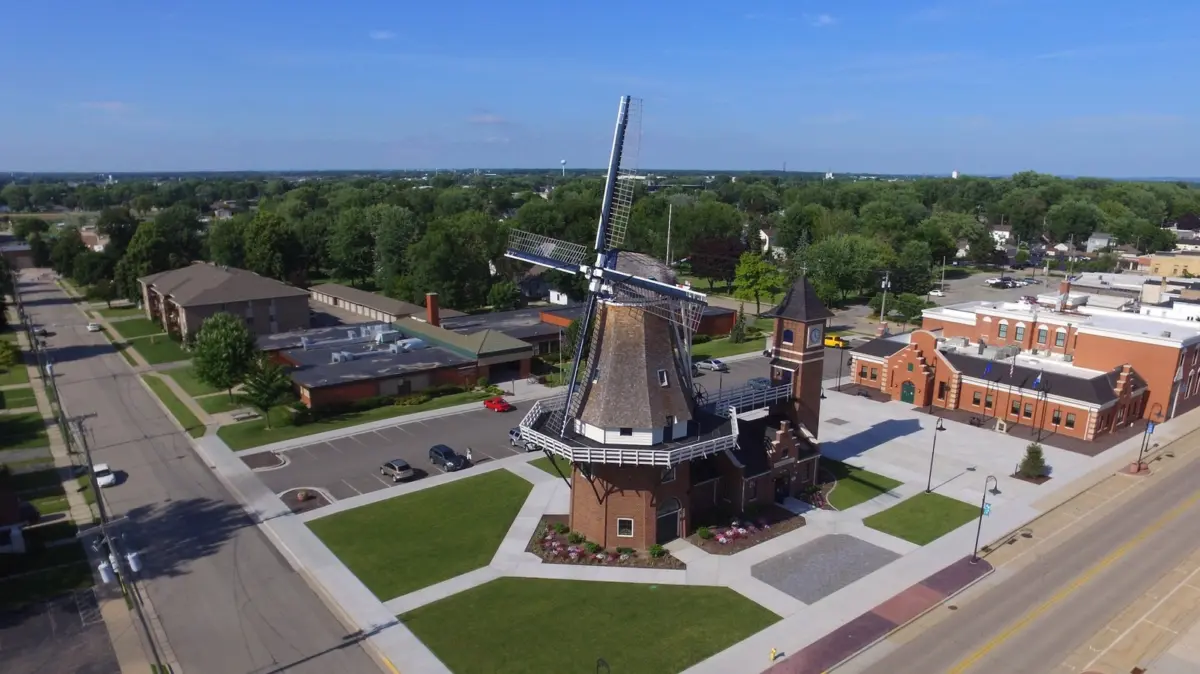
Nestled within the vibrant expanse of the Fox Cities in east-central Wisconsin, the village of Little Chute stands as a remarkable testament to cultural preservation, community resilience, and natural splendor. Located just 15 minutes northeast of Appleton and a mere 30 minutes southwest of Green Bay, this tight-knit community of under 12,000 residents offers a compelling escape from the frantic pace of larger metropolitan areas. Originally named “Petite Chutes”—meaning "The Little Falls"—by early French explorers, the community was fundamentally shaped in the mid-19th century by Dutch immigrants led by Father Theodore J. Van den Broek. Today, Little Chute deftly balances its rich European heritage with modern Midwestern hospitality, boasting over 80 acres of lush parkland, thriving local commerce, and a landmark 100-foot working windmill that anchors its historic downtown.
This comprehensive report examines Little Chute’s deep historical roots, its economic and cultural contributions to the Fox River Valley, its recreational infrastructure, and its strategic positioning as a premier day-trip destination in the Upper Midwest.
Detailed Chronology
To fully understand Little Chute’s unique character, one must trace its development through key historical epochs, from indigenous lands and French exploration to mid-century European settlement and 21st-century revitalization.
- Pre-Settlement Era: Long before European arrival, the banks of the Fox River served as vital hunting, fishing, and trading grounds for Native American tribes, drawn to the rushing waters and abundant natural resources of the region.
- 17th–18th Centuries (French Exploration): French fur traders and missionaries navigated the Fox-Wisconsin waterway, a critical transportation route connecting the Great Lakes to the Mississippi River basin. Observing the cascading waters, they designated the area Petite Chutes.
- 1848 (The Dutch Migration): Father Theodore J. Van den Broek, a visionary Dutch Dominican priest, journeyed from the Netherlands to Wisconsin, bringing several Dutch families with him. They established a permanent agrarian and spiritual settlement, laying the cultural bedrock for the community.
- Mid-to-Late 19th Century: The village grew as an agricultural and milling hub. The harnessing of the Fox River powered early industrial efforts, eventually leading to the construction of the historic Fox River lock system to facilitate regional navigation and commerce.
- 1988 (Inauguration of the Great Wisconsin Cheese Festival): Recognizing the state’s agricultural identity, the village launched what would become a nearly 40-year tradition, celebrating America’s Dairyland with community-wide festivities.
- 2015 (The Windmill Rises): After years of planning, fundraising, and international cooperation, a fully functioning 1850s-style Dutch grain mill—constructed in the Netherlands, disassembled, and shipped to Wisconsin—was officially opened to the public on Main Street, becoming an instant architectural and cultural icon.
Supporting Context & Metrics
Little Chute’s appeal lies in its careful calibration of infrastructure, preservation, and economic vitality. Quantitative metrics highlight the village’s commitment to quality of life and tourism:
- Population: Approximately 11,900 residents, maintaining a stable small-town demographic while drawing thousands of annual visitors.
- Green Space: Over 80 acres of meticulously maintained municipal parks, providing direct access to the Fox River ecosystem.
- The Windmill Landmark: Standing proudly at 100 feet tall on Main Street, the Little Chute Windmill operates both as a working grain mill and a cultural museum. Its associated nonprofit maintains a genealogy archive housing hundreds of thousands of records detailing individuals with ancestral roots in the Netherlands.
- Recreational Trails: Features such as the 1.2-mile Heritage Parkway Trail offer non-motorized access across the Little Chute Islands, flanked by nineteenth-century stone locks and modern ADA-accessible kayak launches.
- Festivals and Events: The annual Great Wisconsin Cheese Festival draws tens of thousands of visitors during the first weekend of June, generating significant seasonal tourism revenue. Supplementary events like Market on Main and the Pints on the Park/Plaza summer beer garden series sustain downtown foot traffic from spring through autumn.
Official Statements
Local civic leaders, historical preservationists, and tourism authorities have consistently emphasized the importance of blending heritage conservation with modern community development.
On Cultural Preservation and Heritage:
Representatives from the Little Chute Historical Society and the Windmill nonprofit organization have frequently highlighted the importance of bridging the gap between historical awareness and contemporary community engagement.
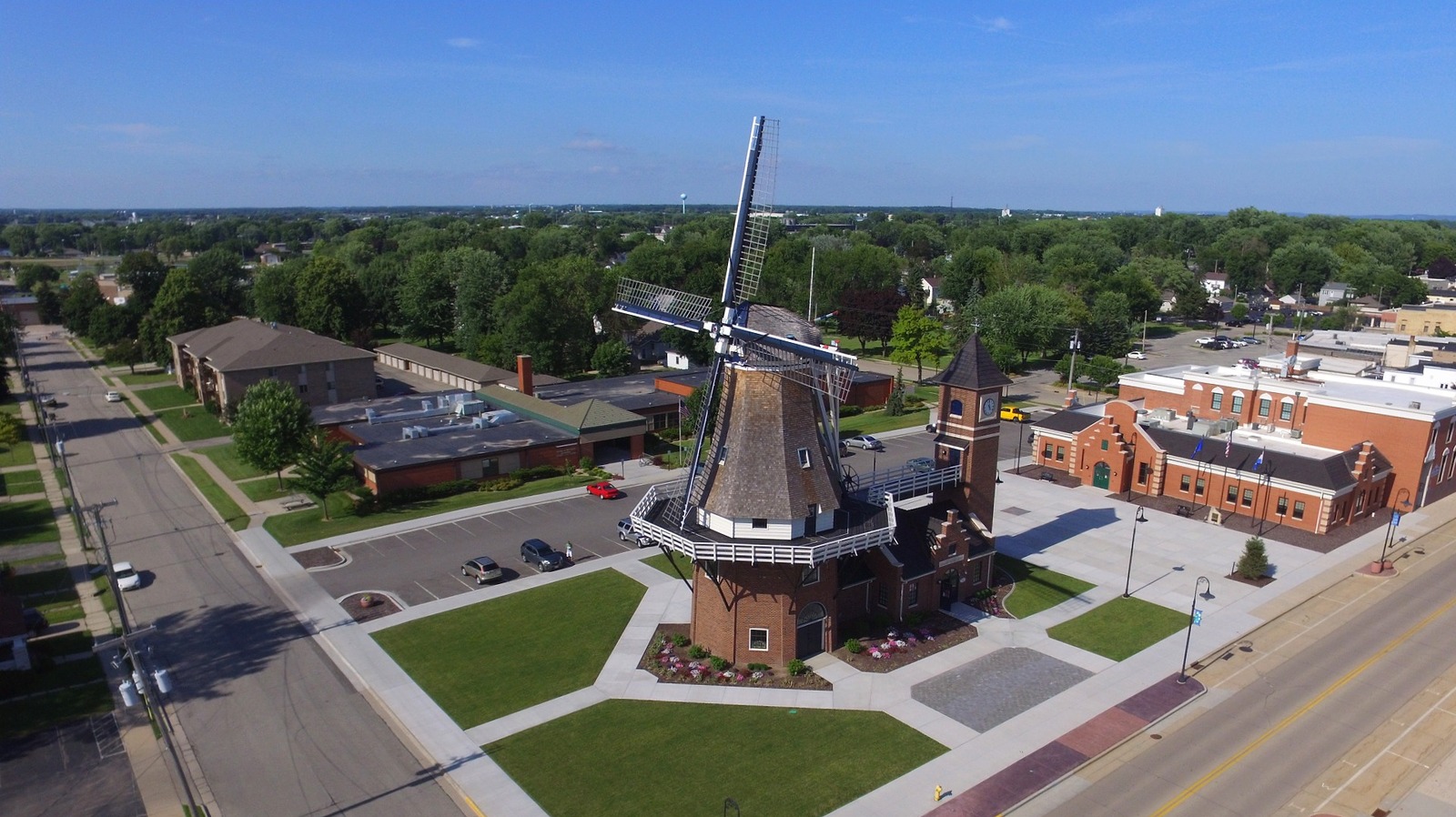
"The windmill is not merely a static monument to our past; it is a breathing, operational center of our community," notes institutional literature from the Little Chute Windmill organization. "By preserving authentic Dutch milling techniques and maintaining an exhaustive genealogy archive connecting thousands of families to their European origins, we offer a living classroom for generations to come."

On Economic Development and Tourism:
Village planners and local business associations underscore the symbiotic relationship between outdoor recreation and downtown commerce.
"Little Chute occupies a rare sweet spot in the Fox Cities," remarks a local municipal spokesperson. "We offer an immediate escape into nature via Heesakker Park and the Fox River locks, yet visitors are steps away from locally owned cafes, breweries, and traditional eateries on Main Street. Our investments in ADA accessibility, self-service kayak rentals, and historic trail systems ensure that our natural assets are open to everyone."
Future Outlook
As the Fox Cities region experiences steady suburban and industrial growth, Little Chute faces the dual challenge of accommodating modern economic development while safeguarding its historic identity and natural preserves.
Future initiatives focus heavily on environmental stewardship along the Fox River corridor, maintaining the historic integrity of the mid-19th-century lock systems, and expanding digital genealogy archives to serve a global demographic of researchers seeking Dutch roots in Wisconsin. Furthermore, continuous enhancements to downtown pedestrian areas, such as Windmill Plaza and Main Street, aim to bolster local small businesses, ensuring that the village remains a premier, sustainable day-trip destination for travelers originating from Green Bay, Appleton, Milwaukee, and beyond.
Whether visitors arrive for the thrum of the great grain mill, a quiet afternoon casting lines for smallmouth bass along the Fox River, or the exuberant cheese-tasting traditions of early June, Little Chute exemplifies the enduring charm and cultural richness of Wisconsin’s heartland.