










Executive Overview
For decades, the standard retirement playbook pointed aggressively south. Millions of older Americans traded their lifetime homes for the year-round humidity, flat topography, and sprawling master-planned communities of the Florida Sunbelt. However, a notable demographic shift is currently underway. A growing segment of retirees is actively rejecting the traditional tropical migration, driven by rising insurance premiums in hurricane-prone zones, mounting anxieties over severe weather events, and an aversion to relentless, oppressive heat.
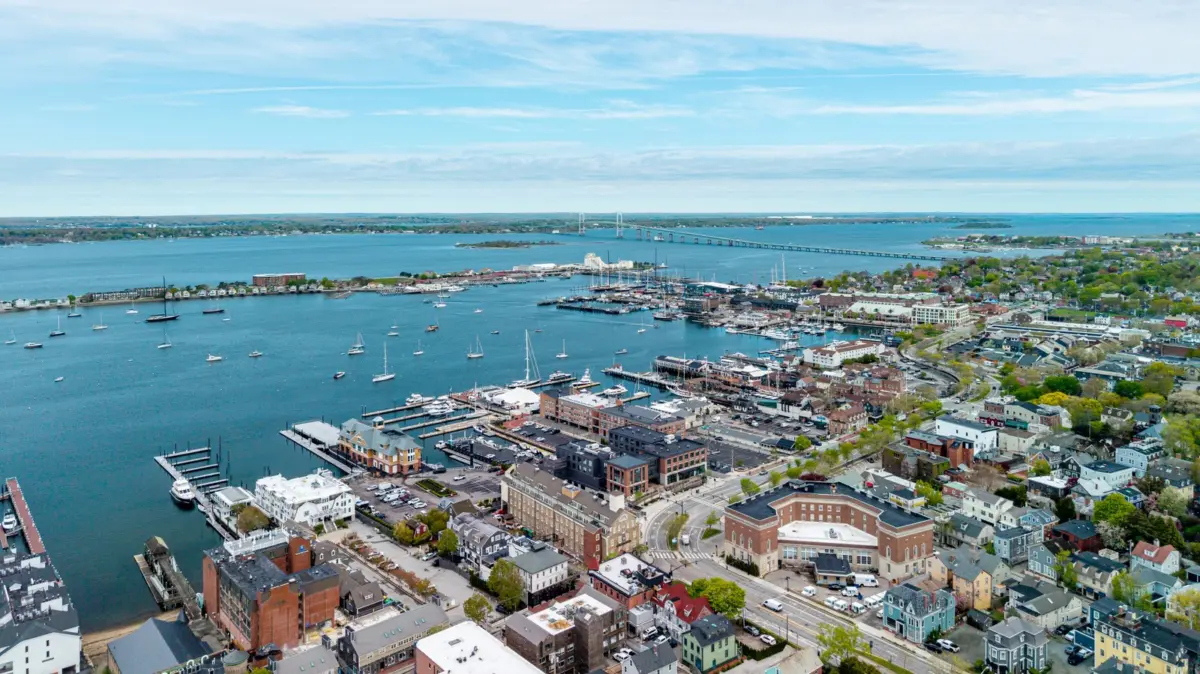
In place of the Sunbelt, a discerning class of retirees is turning its attention northward to New England—specifically to Newport County, Rhode Island. Nestled along the dramatic and historically rich coastline of Narragansett Bay and the Atlantic Ocean, Newport County offers a compelling alternative. It blends classic New England charm, top-tier healthcare systems, rich maritime history, and distinct four-season weather patterns with robust safety metrics and walkable communities.
Far from a sleepy coastal hamlet, Newport County delivers an active, intellectually stimulating, and visually stunning backdrop for post-career living. With summer temperatures naturally moderated by offshore Atlantic currents, the region avoids the punishing heat waves common further south. At the same time, its rich tapestry of conservation lands, pristine beaches, and tight-knit community infrastructure makes it an increasingly popular sanctuary for active adults seeking substance, culture, and natural beauty in their golden years.
Detailed Chronology: The Evolution of Newport County as a Premier Living Destination
To understand Newport County’s modern appeal as a retirement haven, one must examine the geographic and historical forces that shaped it over centuries.
From Gilded Age Playground to Year-Round Sanctuary
Originally established as a colonial hub of maritime trade and religious tolerance in the 17th century, Newport evolved during the 19th and early 20th centuries into the legendary "Gilded Age" playground for American industrialists, including the Vanderbilts, Astors, and Morgans. These elite families constructed sprawling summer "cottages"—architectural masterpieces that now line the dramatic cliffs and serve as permanent cultural touchstones for the county.
For generations, Newport was viewed primarily as a seasonal destination—alive with socialites and yachting regattas in the summer, and largely quiet during the bitter New England winters. However, over the past few decades, a quiet demographic transformation has taken place. Improvements in remote work, modern infrastructure, winterization of historic homes, and expanding local healthcare networks have turned seasonal visitors into year-round residents. Retirees who once rented summer homes are increasingly choosing to make Newport County their permanent legal domicile, drawn by the area’s rich cultural calendar, safety, and deep sense of community identity.
Modern Urban Planning and Coastal Preservation
The turn of the 21st century marked a concerted municipal effort within Newport County to balance historic preservation with modern livability. Local leadership recognized that to attract long-term residents—particularly retirees looking for manageable, pedestrian-friendly environments—they needed to invest heavily in public spaces, park revitalizations, and sustainable coastal management.

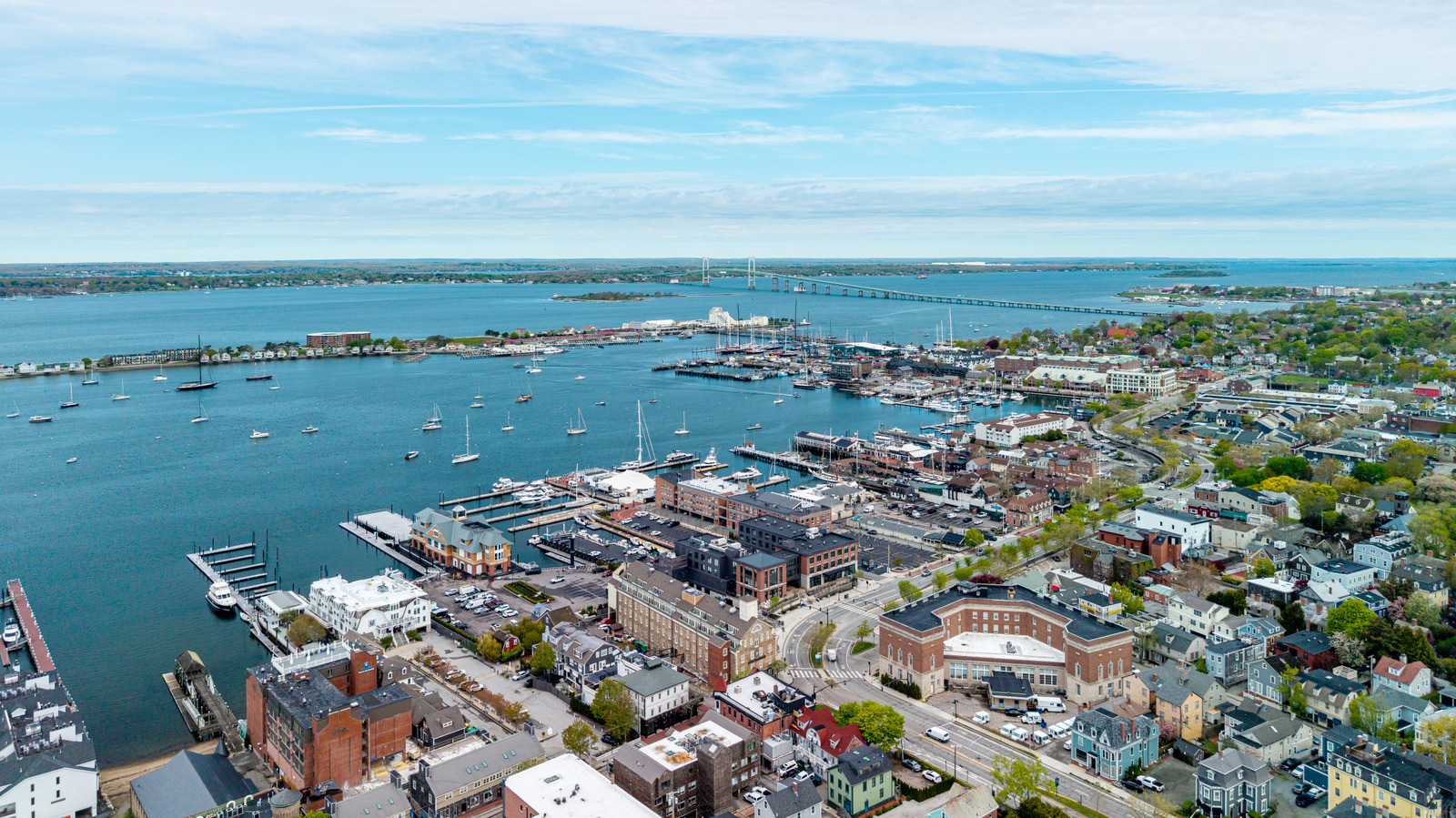
Projects like the conversion of historic quarries into community green spaces (such as Ballard Park) and the ongoing preservation of wildlife refuges (such as Sachuest Point) transformed industrial and forgotten parcels into pristine natural assets. Concurrently, public transportation networks and pedestrian corridors were refined, ensuring that while the region maintains its historic 18th- and 19th-century aesthetic, it functions seamlessly for seniors navigating daily life.
Supporting Context & Metrics: Climate, Walkability, Safety, and Healthcare
When evaluating Newport County as a retirement destination, prospective residents must look beyond postcard aesthetics and examine hard metrics regarding climate, mobility, security, and health services.
Climate and Seasonal Comfort
One of the primary catalysts for retirees leaving Florida is the climate—specifically, the intolerable summer heat and the escalating severity of tropical storms. Newport County presents a starkly different meteorological profile:
- Summer Temperatures: Because of the stabilizing thermal mass of the surrounding Atlantic Ocean and Narragansett Bay, summer daytime highs in Newport County routinely hover around a comfortable 79°F. This makes outdoor exertion pleasant well into the afternoon.
- Winter Dynamics: While New England winters are undeniably colder than those in the American South, the immediate coastline experiences a moderating ocean effect that keeps extreme sub-zero temperatures somewhat in check compared to inland New England. However, prospective residents must prepare for crisp sea winds and manageable seasonal snowfall.
- Hurricane Risk: While no coastal area is entirely immune to severe weather, the geological positioning of Southern New England shields it from the direct, catastrophic landfall intensity frequently experienced by the Gulf and Atlantic coasts of Florida.
Walkability, Transportation, and Infrastructure
Newport County scores exceptionally well in pedestrian and bike friendliness, particularly within the historic core of the city of Newport. Historic downtown streets, lined with colonial-era architecture, invite daily walks to local cafes, bakeries, and cultural landmarks.
- For distances exceeding comfortable walking radiuses, local municipal bus systems provide reliable connectivity across key districts.
- While extensive cross-county excursions or heavy grocery runs still favor car ownership, many retirees find that they can significantly reduce their driving reliance compared to sprawling Sunbelt suburbs.
Public Safety Metrics
Safety is a paramount concern for retirees, and Newport County consistently outperforms national safety benchmarks. According to community safety data aggregator Nextdoor and regional law enforcement reports, crime rates—including both property and violent crimes—sit comfortably below the national average. This low-crime environment fosters a profound sense of psychological security, allowing older adults to walk neighborhoods, parks, and coastal trails at various hours with peace of mind.
Healthcare Access
A major anxiety for retirees relocating to rural or purely scenic areas is the proximity and quality of medical care. Newport County benefits immensely from its placement within the broader New England healthcare corridor. Residents have access to Newport Hospital, a Magnet-designated community hospital affiliated with the Lifespan health system (partnered with Warren Alpert Medical School of Brown University). This ensures that emergency care, specialized geriatric services, oncology, and cardiology are within minutes of most county residences, rivaling or exceeding the medical infrastructure found in many retirement-heavy Florida counties.
Official Statements and Community Insights
The viability of Newport County as a premier retirement destination is best reflected through the experiences of its residents, local advocates, and community organizations dedicated to active aging.
Social Networks and Senior Engagement
Moving to a new region later in life often presents social hurdles. Recognizing this, Newport County has cultivated a robust ecosystem designed to integrate newcomers swiftly:
- The Edward King House: Serving as Newport’s vibrant senior center, this facility offers everything from fitness classes and art workshops to computer literacy courses and lecture series, functioning as an indispensable hub for community building.
- The Middletown Senior Center: Located adjacent to Newport, this center provides specialized programming, health screenings, and organized social outings tailored to older adults.
- Grassroots Digital and Civic Groups: Organizations like Newport Social and local volunteer networks (such as shoreline cleanup coalitions) allow retirees to marry civic engagement with social connection, ensuring a rapid path toward meaningful local friendships.
"Retiring in Newport County isn’t just about trading a mortgage for a view; it’s about plugging into a living history and a community that genuinely cares about its residents’ well-being," notes a long-term regional community planner. "Our seniors are not isolated in gated suburban rings; they are walking our historic streets, volunteering in our parks, and actively participating in the civic life of the city."
Future Outlook: Sustainability, Economic Realities, and the Road Ahead
As more retirees look toward Northeastern coastal enclaves, Newport County faces unique challenges and opportunities in shaping its future.
Balancing Growth with Preservation
The primary challenge facing Newport County moving forward is balancing housing demand with historic and environmental preservation. As word spreads about the region’s appeal as a Sunbelt alternative, real estate demand remains robust. Municipal planners are increasingly focused on smart-growth policies, affordable senior housing initiatives, and sustainable zoning to ensure that longtime locals and incoming retirees alike can secure stable housing without eroding the historic charm that defines the region.
Climate Resiliency and Infrastructure Adaptation
While Newport County avoids many tropical storm hazards, rising sea levels and coastal erosion are realities that local municipal governments take seriously. Ongoing investments in coastal defense, stormwater management, and green infrastructure ensure that the county’s pristine beaches, historic estates, and walking trails will remain protected for decades to come.
Financial Considerations
Retirees must weigh the distinct tax and cost-of-living profile of Rhode Island against other states. While property taxes in the Northeast can be higher than in certain parts of the South, residents frequently report that the trade-off is more than justified by the exceptional quality of local governance, public safety, educational institutions, infrastructure, and world-class healthcare. Furthermore, Rhode Island has enacted progressive tax exemptions on Social Security and pension income, making it increasingly tax-friendly for fixed-income households.
Conclusion
For retirees seeking an escape from the suffocating heat, hurricane anxiety, and architectural uniformity of traditional southern retirement hotspots, Newport County, Rhode Island, offers a refreshing paradigm. With its moderate summer climate, unmatched natural beauty—from the rugged trails of Sachuest Point to the silver sands of Easton’s Beach—and an engaging, secure community fabric, this historic East Coast enclave proves that the best chapter of retirement living just might be found where New England tradition meets the Atlantic shore.