









Executive Overview
The global transportation and public mobility landscape is undergoing a profound, multi-dimensional transformation. Driven by the twin imperatives of environmental sustainability and operational efficiency, transit agencies, municipal authorities, and private-sector suppliers are fundamentally rethinking how people move within urban and regional environments. From fleet electrification and alternative-fuel adoption to corporate mergers linking human-driven microtransit with autonomous platforms, the latest developments across the sector signal a maturing industry ready to embrace next-generation technology.
Recent developments captured in the transportation sector highlight a bustling marketplace defined by high-stakes contract awards, strategic acquisitions, and infrastructure investments. Transit providers are increasingly tasked with balancing immediate capital replacement needs with long-term carbon-reduction targets. Whether upgrading to compressed natural gas (CNG) to expand high-capacity bus rapid transit (BRT) corridors, deploying near-zero-emission propane autogas vehicles to slash local nitrogen oxide (NOx) footprints, or blending human-managed networks with artificial intelligence-driven autonomous solutions, today’s transit operators are navigating a complex operational matrix.
This report offers a comprehensive examination of the key business moves, technological deployments, and manufacturing contracts driving the mobility sector forward. By analyzing these developments through an authoritative journalistic lens, industry stakeholders can better understand the strategic priorities reshaping the future of public transit.
Detailed Chronology of Industry Developments
The past several weeks have seen a flurry of transformative announcements, contract awards, and corporate consolidations across North America. Below is a detailed chronology of the pivotal events shaping the transit industry.
New Flyer Secures Major CNG Bus Orders in Texas and Ohio
In the manufacturing sector, New Flyer of America—a subsidiary of NFI Group Inc.—announced substantial contracts for compressed natural gas (CNG) buses from two major metropolitan transit agencies: the Metropolitan Transit Authority of Harris County, Texas (Houston METRO) and the Central Ohio Transit Authority (COTA). These orders address distinct fleet replacement and service expansion strategies tailored to each region’s unique passenger demand.
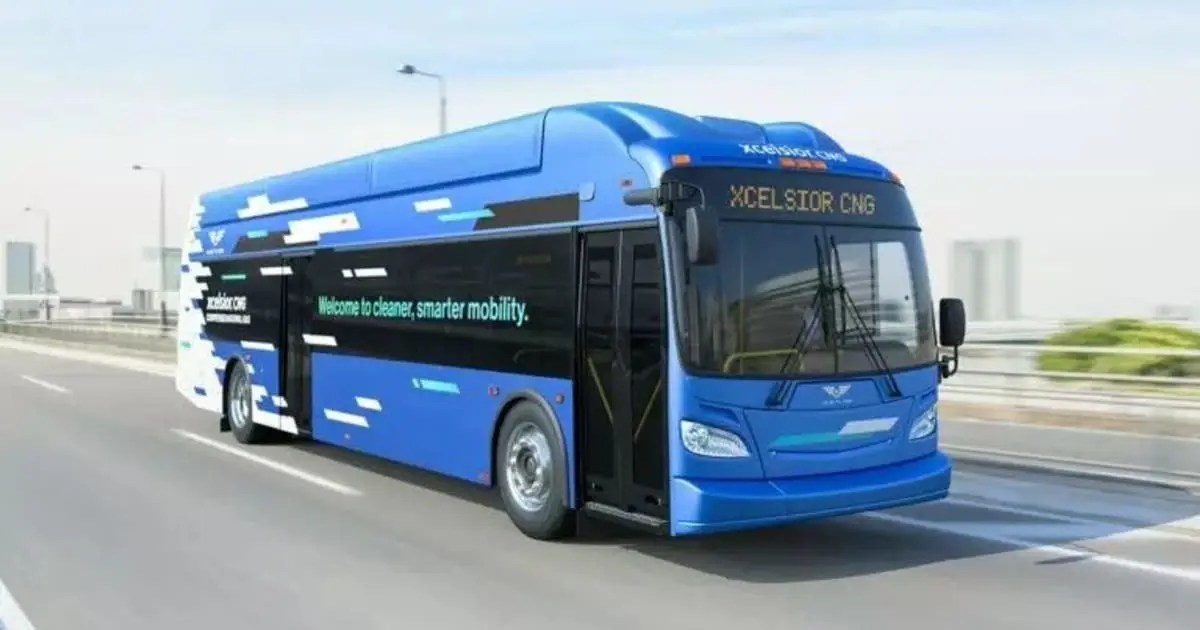
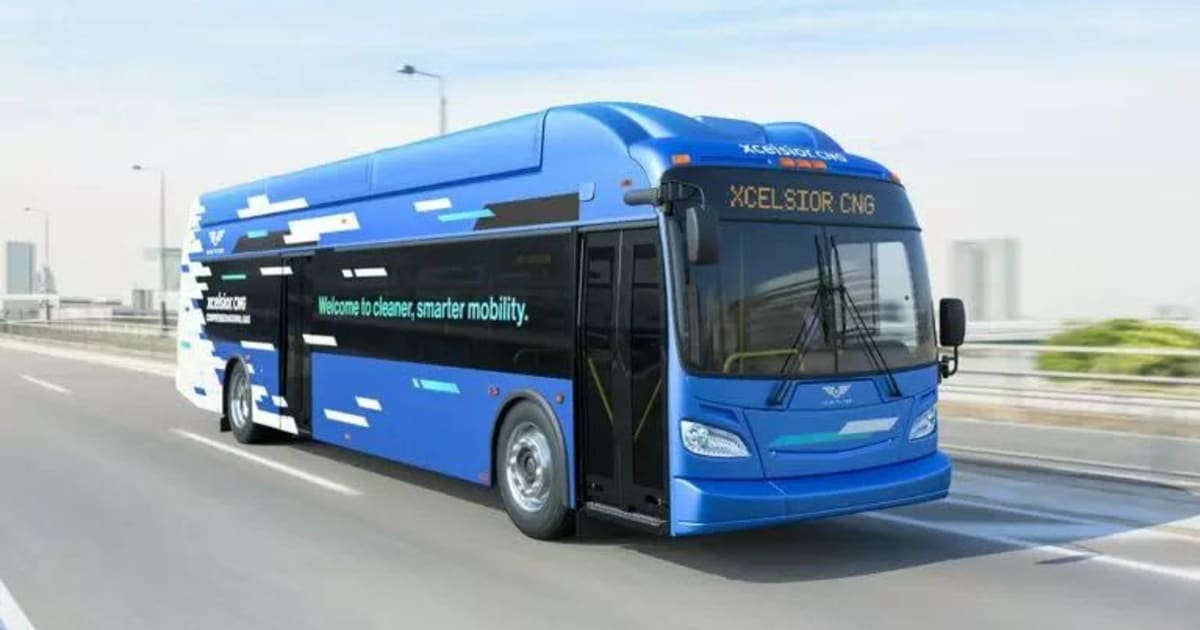
- Houston METRO: The agency finalized an order for 100 40-foot Xcelsior CNG buses, valued at approximately $93 million. Added to New Flyer’s firm backlog in the second quarter of 2026, these high-capacity vehicles will replace aging diesel-powered units that have reached the end of their operational service lives. Supported by capital grants from the Federal Transit Administration (FTA), Houston METRO is simultaneously upgrading its physical maintenance and fueling facilities to accommodate the expanded CNG fleet capacity required to service its more than 76 million annual passenger trips.
- Central Ohio Transit Authority (COTA): In Columbus, COTA awarded New Flyer a contract for up to 45 60-foot Xcelsior CNG articulated buses. The agreement includes an initial firm order for 12 buses, with options for up to 33 additional vehicles. This marks COTA’s inaugural procurement of 60-foot articulated buses from New Flyer. The deployment is strategically timed to replace older rolling stock while providing vital passenger capacity for the rollout of upcoming bus rapid transit (BRT) initiatives across Columbus and surrounding municipalities. COTA currently manages over 12 million annual passenger trips.
Transdev Wins Contract Renewal for DART First State Services
Public-private partnerships remain a cornerstone of regional transit delivery. The Delaware Transit Corporation (DTC) awarded Transdev a contract renewal to continue operating DART First State transit services throughout Sussex County, Delaware.
The agreement, featuring a three-year base term that commenced on June 18, tasks Transdev with managing the daily operations of DART’s fixed-route network, paratransit services, and microtransit programs. The operation relies on a dedicated workforce of more than 75 employees operating out of three regional facilities, deploying a combined fleet of approximately 40 fixed-route vehicles, seven paratransit vans, and four microtransit units. Transdev’s ongoing management will support DART’s progressive mobility transition, which includes integrating electric bus deployments and flexible routing systems designed to match the evolving lifestyle and commuting patterns of Sussex County residents.
University of Vermont Expands Transit Capacity with ENC
Higher education institutions continue to function as vital micro-transit laboratories. The University of Vermont (UVM), a premier research institution in Burlington with an on-site student and staff population of approximately 14,000, selected Transportation Manufacturing Corporation subsidiary ENC to supply four AXESS 40-foot diesel transit buses.
This procurement represents UVM’s first direct contract with ENC and includes options for four additional 40-foot AXESS buses, which can be specified in diesel, CNG, or diesel-electric hybrid configurations. Engineered to meet strict Buy America requirements and full Americans with Disabilities Act (ADA) compliance, ENC’s transit buses offer configurable floorplans and advanced mobility solutions tailored to university environments.
Beep and Freebee Complete Strategic Merger
In the corporate technology space, autonomous mobility provider Beep Inc. finalized its merger with Freebee, a prominent provider of human-driven microtransit platforms. This strategic combination unites Freebee’s proprietary software, large-scale operational network, and human-managed microtransit services with Beep’s deep industry expertise in deploying autonomous mobility systems via its AI-driven AutonomOS software platform.
The newly unified entity will operate under the Beep banner. Key executive roles include Beep co-founder Kevin Reid serving as chairman and CEO; Freebee co-founders Kris Kimball and Jason Spiegel stepping into roles as chief operating officer and president and chief growth officer, respectively; and Beep co-founder Mark Reid assuming the title of chief customer officer. Notably, Freebee’s consumer-facing microtransit solutions will retain the established Freebee brand identity.
The merged corporation offers municipalities and commercial clients a single-source partner capable of deploying human-driven, autonomous, or blended multi-modal transit networks, thereby creating a seamless, scalable pathway toward full network autonomy.
Mountain Line Integrates Propane Autogas Light-Duty Fleet
In Morgantown, West Virginia, the Mountain Line Transit Authority unveiled its newly acquired fleet of five light-duty buses powered by propane autogas. Built on the ROUSH CleanTech Ford E-450 cutaway chassis, these vehicles represent the only propane-fueled transit platform to successfully complete the Federal Transit Administration’s rigorous New Model Bus Testing Program (commonly known as Altoona Testing).
Passing the Altoona testing regimen is a critical milestone, as it grants transit agencies access to federal funding that can cover up to 85% of the total acquisition cost for alternative-fuel rolling stock, requiring only a 15% local financial match. To support the new fleet, Mountain Line partnered with Ferrellgas to install an on-site fueling station at zero capital cost to the agency through a multi-year fuel supply agreement.
Complete Coach Works Enhances Safety for Pierce Transit
Addressing operator safety and security remains a top priority for public transit agencies nationwide. Complete Coach Works (CCW) announced a comprehensive contract with Pierce Transit in Lakewood, Washington, to install specialized driver barrier systems across a fleet of 37 Motor Coach Industries (MCI) motorcoaches.
The installation project is being executed directly at Pierce Transit’s Lakewood maintenance facility by CCW’s specialized on-site labor teams. By utilizing mobile technical workforces, CCW helps transit agencies supplement internal staffing constraints and accelerate fleet modification timelines. The contract was finalized via the Washington State Department of Enterprise Services (DES) Contract vehicle, allowing Pierce Transit to streamline procurement and expedite project execution.
Supporting Context, Metrics, and Technical Specifications
To fully appreciate the scope of these developments, it is essential to examine the underlying financial, engineering, and operational metrics driving these decisions.
Fleet Electrification and Alternative Fuels: CNG vs. Propane vs. Diesel
The juxtaposition of heavy-duty CNG bus procurements by Houston METRO and COTA against Mountain Line’s light-duty propane deployment highlights a nuanced approach to emissions reduction. While heavy-duty corridors with high passenger density require high-capacity platforms like the 40-foot and 60-foot Xcelsior CNG buses—supported by federal funding and expanded local fueling infrastructure—smaller regional networks benefit immensely from alternative light-duty solutions.
The ROUSH CleanTech propane autogas systems deployed by Mountain Line offer exceptional environmental benefits. Certified to 0.02 grams per brake horsepower-hour, these engines emit 90% less nitrogen oxide (NOx) than the United States Environmental Protection Agency’s (EPA) strictest regulatory thresholds. Furthermore, comprehensive environmental audits conducted by the EPA and the California Air Resources Board (CARB)—evaluating eight distinct emissions outputs, including particulate matter (PM), non-methane hydrocarbons, carbon monoxide, carbon dioxide, methane, formaldehyde, and nitrous oxide—demonstrate that ROUSH CleanTech propane systems emit an average of 64% less across all measured criteria compared to conventional internal combustion baselines.
The Microtransit-Autonomy Synergy
The merger of Beep and Freebee underscores a broader macro-trend in urban mobility: the convergence of human-in-the-loop services with physical artificial intelligence. Traditional microtransit has proven exceptionally effective at solving the "first-mile/last-mile" challenge, feeding passengers into high-capacity fixed-route rail and bus systems. However, chronic labor shortages and rising operating costs have created severe headwinds for transit operators.
By integrating Freebee’s established operational footprint with Beep’s AutonomOS software platform, the combined company can dynamically dispatch human-driven vehicles where complex urban environments require human interaction, while seamlessly transitioning to fully autonomous shuttles on closed campuses, suburban master-planned communities, and dedicated rights-of-way. This modular architecture allows transit planners to optimize capital expenditure and labor allocation simultaneously.
Official Industry Perspectives and Leadership Insights
Industry leaders across manufacturing, public operations, and technology sectors have emphasized the strategic importance of these recent developments.
Commenting on the integration of physical AI and multi-modal transit networks following the Beep-Freebee merger, executive leadership noted that the combination bridges an essential operational gap. Traditional public transit agencies have long sought a unified vendor capable of scaling microtransit without sacrificing reliability or safety. By uniting Freebee’s human-centric mobility network with Beep’s proven autonomous deployments, the newly structured organization offers municipal leaders a pragmatic, risk-managed evolution toward driverless infrastructure.
Similarly, transit equipment manufacturers emphasize the value of robust federal backing. Representatives from New Flyer noted that ongoing capital commitments from organizations like the Federal Transit Administration are vital to modernizing urban fleets. Without structured federal grant programs and state procurement vehicles—such as the Washington State DES contract utilized by Pierce Transit—regional agencies would struggle to absorb the high upfront capital costs associated with modernizing safety barriers, upgrading maintenance facilities for CNG compatibility, and transitioning to alternative fuel architectures.
Future Outlook: The Next Horizon in Mobility
As the transportation sector looks toward the remainder of the decade, several key trajectories are poised to dictate industry success:
- Regulatory Compliance and Carbon Neutrality: Environmental standards will continue to tighten. Transit agencies will face mounting pressure to accelerate the retirement of legacy diesel fleets in favor of zero-emission and near-zero-emission alternatives, including battery-electric buses (BEBs), hydrogen fuel cell electric buses (FCEBs), and advanced renewable natural gas (RNG) or propane applications.
- Technological Integration and Data Analytics: The deployment of software platforms like Beep’s AutonomOS points toward a future where entire transit networks are orchestrated via centralized artificial intelligence. Real-time demand-responsive transit (DRT) algorithms will dynamically route fixed-route, microtransit, and autonomous assets to match shifting passenger volumes, minimizing empty running miles and maximizing cost recovery.
- Workforce Development and Safety Enhancements: As evidenced by Complete Coach Works’ driver barrier installations for Pierce Transit, protecting frontline transit operators remains paramount. Concurrently, the use of on-site mobile technical labor services will likely expand as agencies seek innovative ways to execute fleet modifications without overwhelming internal maintenance departments.
In conclusion, the modern mobility sector is characterized by pragmatic innovation. By combining heavy-duty manufacturing prowess, alternative-fuel infrastructure investments, and cutting-edge autonomous software integrations, public transit is evolving into a more resilient, sustainable, and interconnected ecosystem capable of meeting the demands of 21st-century urbanization.