





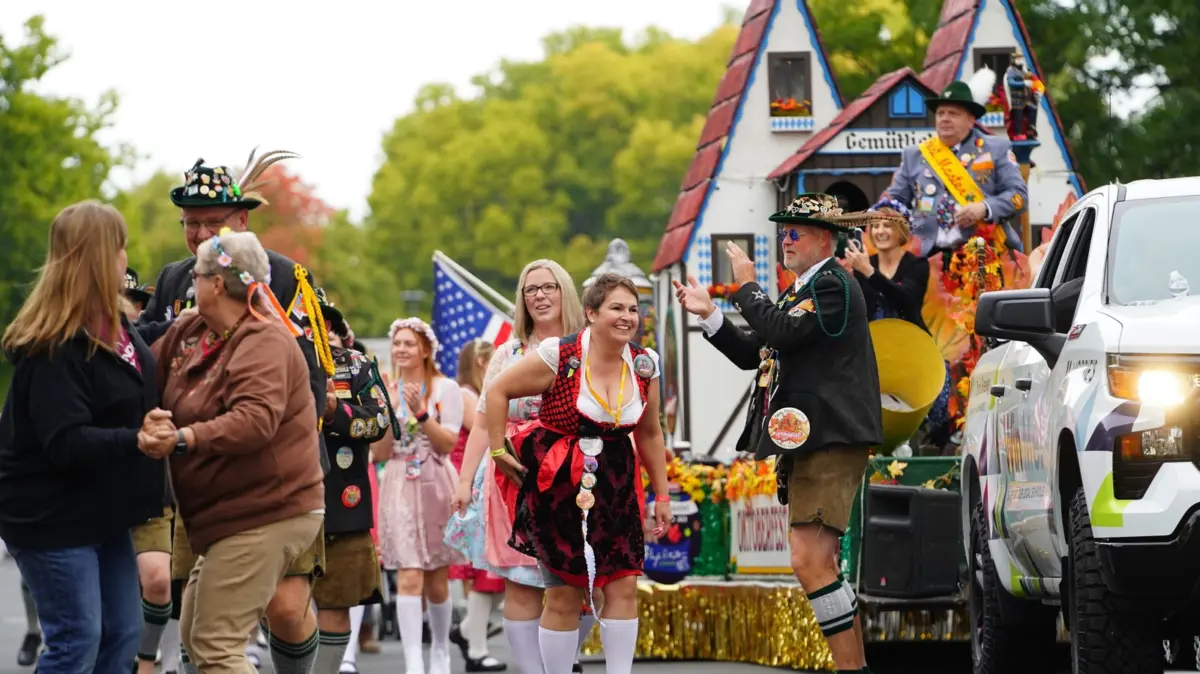
Long before the final wooden beer keg is tapped beneath the glowing autumn sky in Munich, a parallel festival season spills across the United States. From reimagined logging towns tucked deep within the Cascade Mountains to bustling riverside parks in the Midwest, rugged ski resorts in Utah, and historic communal villages established by 19th-century religious separatists in Iowa, America’s Oktoberfest celebrations reveal how deeply—and at times unexpectedly—European traditions have woven themselves into the national cultural fabric.
Driven by waves of German immigrants fleeing political upheaval and economic hardship during the mid-1800s, communities throughout the Midwest, Northeast, and Mountain West laid roots that endure today. Subsequent waves of immigration following World War II, alongside refugees escaping Nazi persecution, continuously reshaped the German-American narrative. Today, some towns preserve this heritage as living history, while others intentionally reinvented their local economies around a picturesque Bavarian aesthetic.
Executive Overview
Across the United States, Oktoberfest is no longer a localized cultural nod; it is a massive economic and tourism driver that attracts millions of visitors annually. While the scale ranges from massive multi-weekend street festivals drawing hundreds of thousands of revelers to intimate heritage gatherings in small historic towns, the common threads remain unbroken: heavy ceramic steins, lively polka music, traditional dirndls, and lederhosen. Together, they embody the quintessential German concept of Gemütlichkeit—a sense of warmth, friendliness, and belonging.
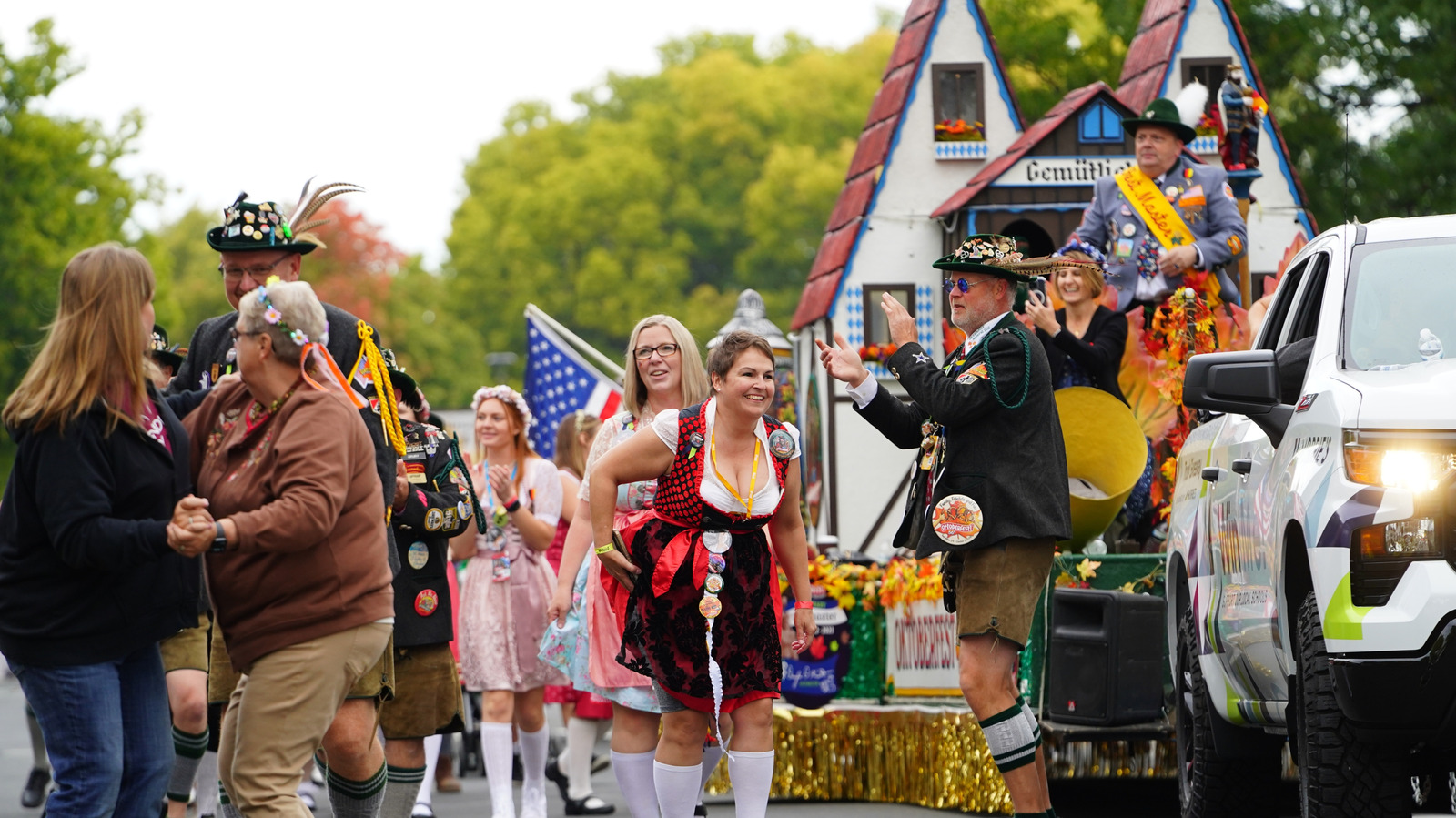
This comprehensive overview examines the ten premier German-inspired destinations across the United States for celebrating Oktoberfest, highlighting their historical origins, signature events, economic footprints, and unique cultural expressions.
Detailed Chronology of Top Destinations
1. Oktoberfest Zinzinnati (Ohio)
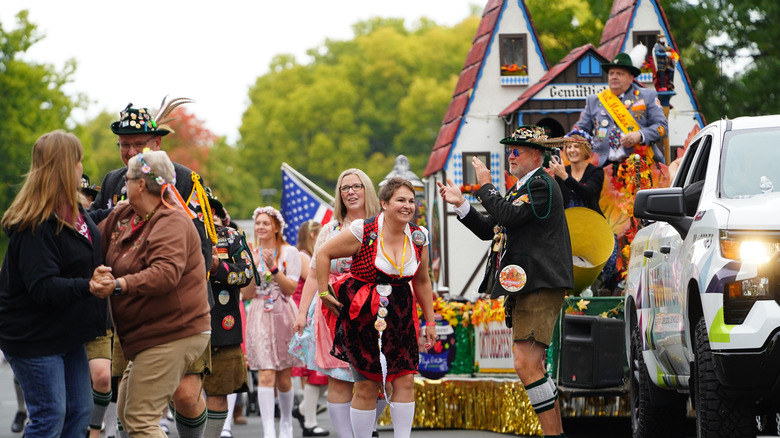
As the largest Oktoberfest in the United States, Cincinnati’s premier festival celebrated a monumental milestone with its golden anniversary. Originating in 1976 when the German-American Citizens League proposed an event to honor the nation’s bicentennial and celebrate the city’s profound German roots, "Zinzinnati" has grown into the second-largest Oktoberfest in the world outside of Munich. The four-day event routinely attracts between 700,000 and 800,000 attendees.
Recent milestones include the debut of a two-story glockenspiel biergarten and a 31-foot clock tower overlooking the festival grounds. Signature highlights feature the Samuel Adams Stein Hoisting Competition, the 14k/7k Brewery Run tracing historic beer transport routes, the beloved Running of the Wieners dachshund race, and the world’s largest synchronized chicken dance. Alongside traditional pretzels, attendees sample local fare such as goetta cheese fries, smoked mettwurst, and spicy halusca, washed down with offerings from 25 beer vendors.
2. Zeeco Oktoberfest Tulsa (Oklahoma)
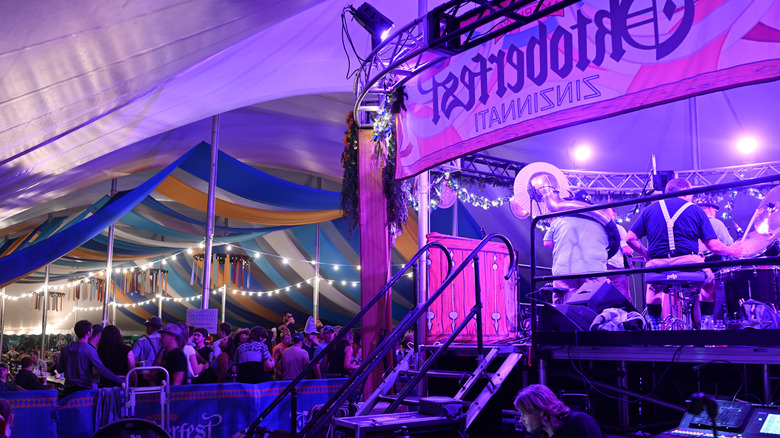
For three consecutive years, Tulsa’s premier event has claimed the top spot in nationwide rankings. Spanning 140,000 square feet across 11 tents and stages, the festival pours hundreds of German and domestic beers from more than 300 taps.
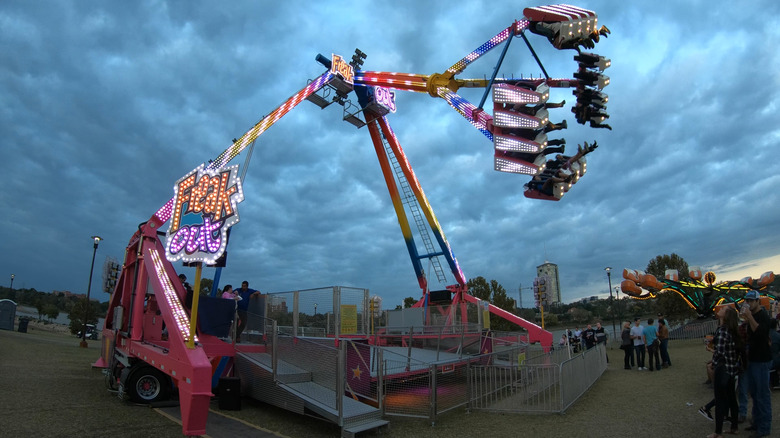
The weekend features renowned polka and German music acts like Das Glockenspiel, Dorfrocker, and the Chardon Polka Band. Families enjoy a dedicated Jugendzelt (Children’s Tent), carnival rides, and a complimentary Family Free Day. Competitive thrills include the intense MassKrug Carry, the Bier Barrel Race, the Strong Stein competition, and the chaotic Dachshund Dash. Central European specialties—ranging from Bavarian cheesecake and schnitzel sandwiches to bratwurst with sauerkraut—round out the experience.
3. Helen Oktoberfest (Georgia)
Running from mid-September through early November, Helen hosts the longest-running Oktoberfest in the United States. Situated in the Blue Ridge Mountains, this former timber town faced economic decline in the late 1960s before artist and set designer John Kollock—drawing on his military service in Germany—proposed a radical transformation into an Alpine Bavarian village.
Complete with cobblestone paths, murals, and half-timbered architecture, Helen now welcomes over 2 million visitors annually. The heart of the celebration is the Festhalle, where traditional brass music, wurst, schnitzel, and spätzle draw crowds year after year. Recent additions include festive Halloween night costume contests, blending American holiday traditions with Alpine charm.
4. Mt. Angel Oktoberfest (Oregon)
Tracing its roots back to September 1966, Mt. Angel’s festival evolved into the Pacific Northwest’s largest folk festival. Managed entirely by a nonprofit corporation and an army of volunteers, attendance skyrocketed from 39,000 in its inaugural year to hundreds of thousands.
The festival grounds feature themed zones, including the Alpinegarten, Biergarten, and the Bandstand—where local children perform the traditional Webertanz (Weaver’s Dance) daily at noon. At the center stands a 49-foot-high glockenspiel, the tallest of its kind in the nation, alongside a 20-foot Fruchtsäule (harvest obelisk). Since its inception, Mt. Angel Oktoberfest has reinvested over $3.5 million back into regional nonprofits.
5. New Ulm Oktoberfest (Minnesota)
Founded in 1854 by German immigrants belonging to the Chicago Land Society, New Ulm is widely recognized as one of the most authentically German cities in America. Towering over the city skyline is the 102-foot Hermann Monument, erected in 1897 and designated by Congress as a national symbol of German heritage.
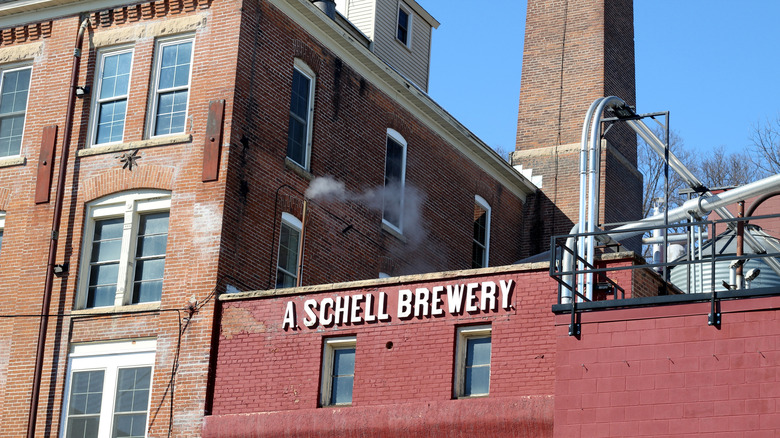
New Ulm’s brewing legacy is anchored by Schell’s Brewery, founded in 1860, making it the second-oldest family-owned brewery in the United States. Its fall Oktoberfest spans multiple locations across two weekends, highlighted by live polka music, local craft lagers, and the U.S. Steinholding Association Minnesota State Championship Finals.
6. Frankenmuth Oktoberfest (Michigan)
Known affectionately as Michigan’s "Little Bavaria," Frankenmuth launched its Oktoberfest in 1990 to commemorate the fall of the Berlin Wall. In 1996, Munich’s Lord Mayor and the German Parliament officially endorsed the event, making it the first Oktoberfest outside of Germany sanctioned by the Bavarian government.
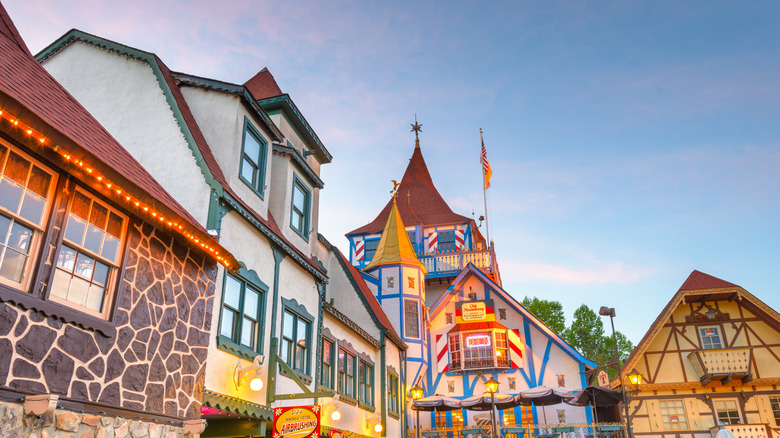
The festival holds an exclusive partnership with Munich’s Hofbräuhaus, importing authentic German beer directly for the event. Founded in 1845 by German missionaries, the town welcomes over 3 million annual visitors. Highlights include the official keg-tapping ceremony, traditional dance troupes, and the popular Wiener Dog Races.
7. Snowbird Oktoberfest (Utah)
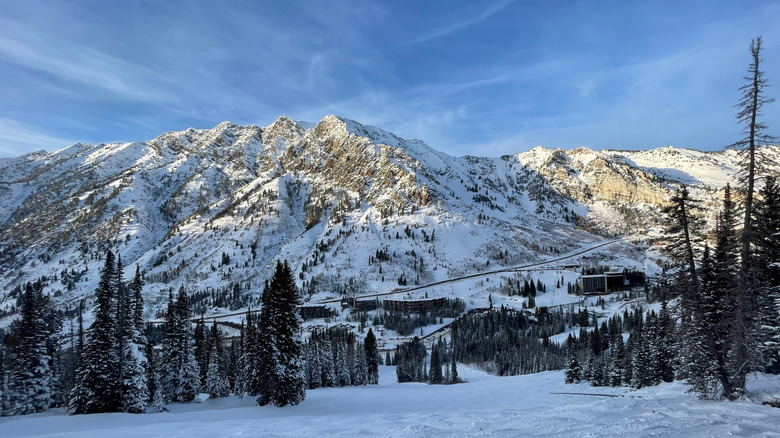
Framed by the rugged peaks of the Wasatch Mountains along Little Cottonwood Canyon, Snowbird’s Oktoberfest was inspired in 1972 by two Bavarian accordion players who noted the region’s striking resemblance to the European Alps.
What began as a modest gathering has expanded into a multi-weekend autumn festival drawing over 60,000 visitors. Featuring more than 50 varieties of German and local Utah craft beers, the festival fills the mountain air with the aroma of grilled bratwurst, roasting sauerkraut, and apple strudel, accompanied by traditional alphorn demonstrations.
8. Amana Colonies Oktoberfest (Iowa)
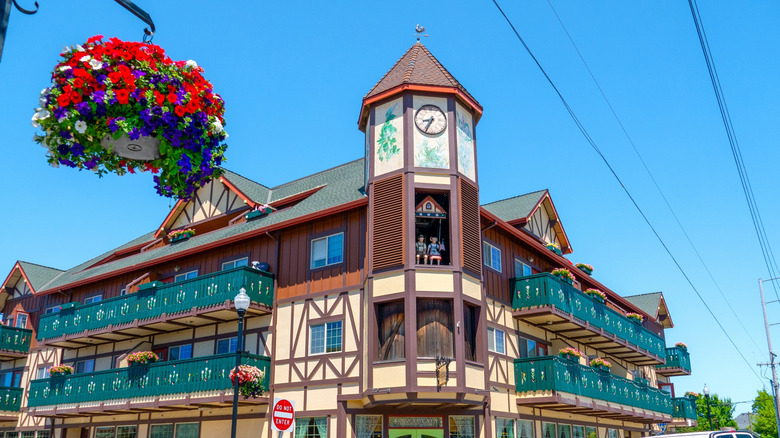
Offering a heritage-focused, small-town atmosphere, the Amana Colonies Oktoberfest is Iowa’s oldest continuous festival. Founded between 1855 and 1861 by German religious separatists, the seven distinct villages operated as a communal society until transitioning to private ownership in 1932.
Drawing tens of thousands of visitors to the sprawling Festhalle Barn, the festival features a Saturday morning parade, traditional folk dancing, and brews from Millstream Brewing Co., the state’s pioneering post-Prohibition brewery. Competitions range from keg tossing and log-sawing to Nagelhauen (nail-driving) and regional yodeling contests.
9. Trapp Family Lodge Oktoberfest (Vermont)
Boasting a unique Hollywood connection, the von Trapp family—famous for inspiring The Sound of Music—fled Nazi-occupied Austria in 1938 and eventually settled in Stowe, Vermont. Today’s 2,600-acre resort features the von Trapp Brewing Bierhall, which serves as the centerpiece for an annual Austrian-inspired Oktoberfest.
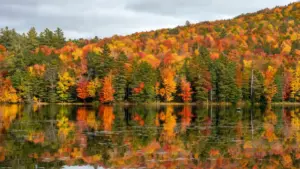
Set against the vibrant foliage of the Green Mountains, the celebration features Austrian lagers brewed on-site, traditional Alpine fare, live oompah music, and fiercely contested stein-holding and Trachten costume competitions.
10. Leavenworth Oktoberfest (Washington)
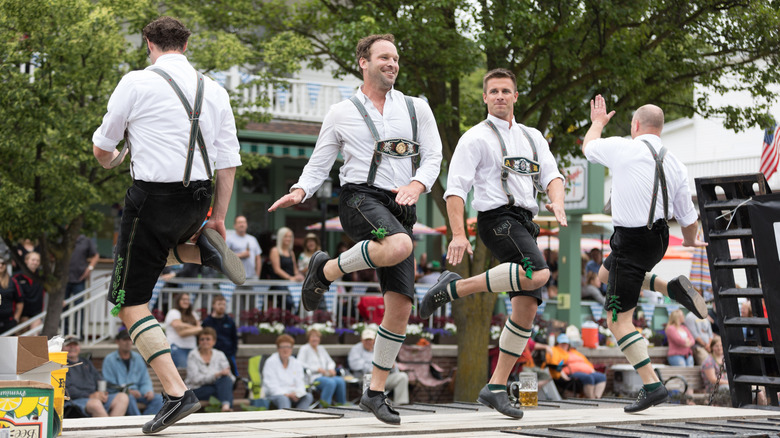
Originally established in 1890 as a modest trading post called Icicle Flats, Leavenworth faced economic collapse when local rail lines shifted. In 1962, community leaders engineered a dramatic economic revitalization, transforming the downtown commercial district into a picturesque Alpine Bavarian village framed by the Cascade Mountains.
Drawing over 3 million visitors annually, Leavenworth’s multi-weekend Oktoberfest features multiple entertainment venues across the Festhalle and Front Street Park, custom-brewed festival ales, authentic German imports, and a 10,000-square-foot Kinderplatz featuring a 62-foot Ferris wheel.
Supporting Context & Metrics
| Festival Name | Location | Estimated Annual Attendance | Signature Highlights |
|---|---|---|---|
| Oktoberfest Zinzinnati | Cincinnati, OH | 700,000 – 800,000 | Glockenspiel biergarten, world’s largest chicken dance, goetta specialty foods |
| Zeeco Oktoberfest | Tulsa, OK | Tens of thousands | USA Today #1 ranking, 300+ beer taps, MassKrug Carry |
| Helen Oktoberfest | Helen, GA | 2 Million+ (Annual tourism) | Longest-running U.S. Oktoberfest, Alpine architecture, extended multi-week schedule |
| Mt. Angel Oktoberfest | Mt. Angel, OR | Up to 375,000 (Historically) | 49-foot glockenspiel, Webertanz children’s dance, $3.5M+ raised for nonprofits |
| New Ulm Oktoberfest | New Ulm, MN | Tens of thousands | 102-ft Hermann Monument, historic Schell’s Brewery, State Steinholding Finals |
| Frankenmuth Oktoberfest | Frankenmuth, MI | 3 Million+ (Annual tourism) | Only German government-sanctioned U.S. event, direct Hofbräu beer imports |
| Snowbird Oktoberfest | Snowbird, UT | 60,000+ | Wasatch mountain backdrop, 50+ beer varieties, alphorn demonstrations |
| Amana Colonies Oktoberfest | Amana Colonies, IA | 30,000 – 40,000 | Historic communal villages, Millstream craft brews, log-sawing & yodeling contests |
| Trapp Family Lodge | Stowe, VT | Thousands | von Trapp family legacy, on-site Austrian lagers, Green Mountain foliage views |
| Leavenworth Oktoberfest | Leavenworth, WA | 3 Million+ (Annual tourism) | Full Alpine village transformation, custom festival ales, 62-foot Ferris wheel |
Official Statements and Industry Insights
Cultural preservationists and tourism directors emphasize that these celebrations serve a dual purpose: honoring ancestral roots while stimulating regional economies.
Jon Childers, Executive Director of the Amana Heritage Society, noted in regional broadcasts that maintaining historical integrity remains paramount. "The continuity of our traditions connects current generations directly to the resilient spirit of the 19th-century pioneers who laid the foundational architecture and community values of the colonies."
Similarly, civic leaders in locations like Frankenmuth and Helen highlight that architectural investments made decades ago continue to yield generational dividends. By intentionally embracing European aesthetics, these towns successfully transitioned from declining industrial and logging economies into thriving hubs of cultural tourism.
Future Outlook
As consumer demand for immersive, experiential travel continues to surge, America’s Oktoberfest destinations are well-positioned for sustained growth. Festival organizers are increasingly integrating modern sustainability initiatives, expanding local craft beer partnerships, and enhancing family-friendly programming to appeal to younger demographics.
Whether measured by the sheer scale of Cincinnati’s massive riverfront tents, the intimate community spirit of the Amana Colonies, or the alpine majesty of Snowbird and Leavenworth, the American Oktoberfest has evolved far beyond a simple seasonal party. It stands as a vibrant testament to cultural adaptation, community resilience, and the enduring appeal of raising a stein in good company.