










Executive Overview
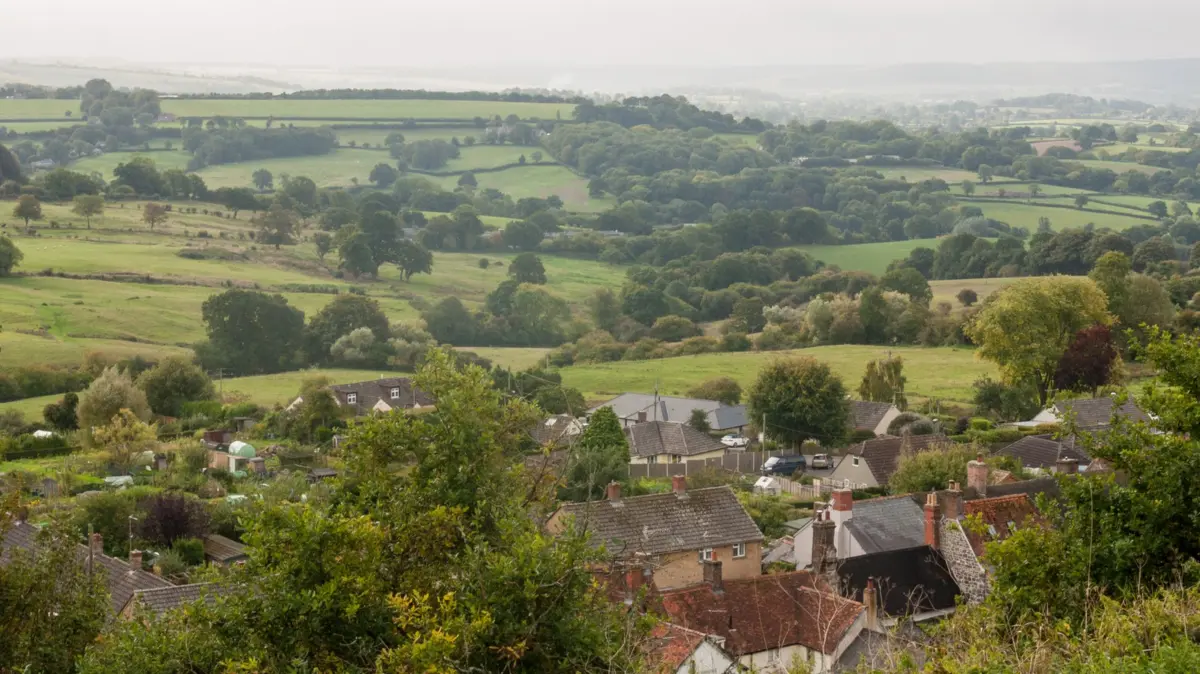
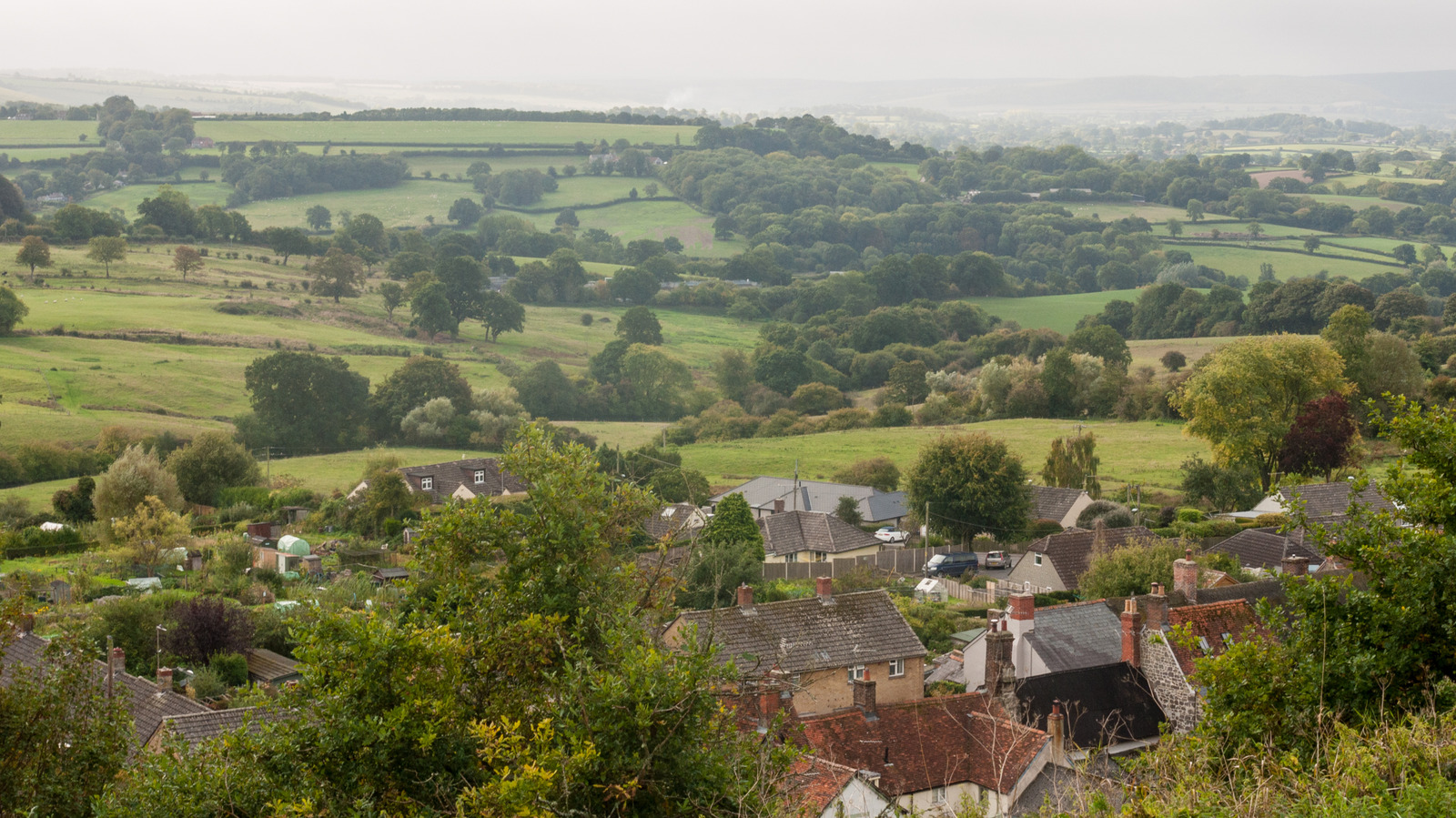
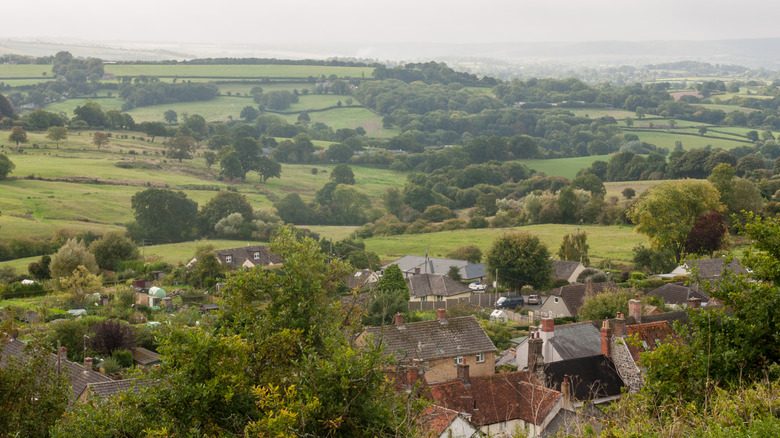
Perched 700 feet above the sweeping, river-webbed expanses of the Blackmore Vale in North Dorset, England, lies Shaftesbury—a picturesque medieval market town that feels suspended in time. Renowned for its overgrown, cobbled lanes, weather-beaten stone cottages, and breathtaking vistas, Shaftesbury has long captured the imagination of travelers, historians, and literary giants alike. Immortalized as the fictional hilltop settlement of "Shaston" by Victorian novelist Thomas Hardy in masterpieces such as Tess of the d’Urbervilles, the town today represents a harmonious blend of Saxon heritage, medieval ecclesiastical history, and vibrant contemporary rural life.
Strategically situated roughly equidistant—about an hour’s drive—between the bustling southern coastal resort of Bournemouth and the regal, UNESCO World Heritage-listed Roman baths of Bath, Shaftesbury serves as an ideal destination for cultural day-trippers and dedicated travelers alike. Beyond its striking topography and literary provenance, the town boasts a thriving commercial high street, dynamic weekly markets, artisan boutiques, and a network of scenic walking trails that invite visitors to intimately connect with the Dorset countryside. As domestic and international tourism increasingly prioritizes authentic, heritage-rich, and slower-paced destinations, Shaftesbury stands out as a compelling jewel in the British travel landscape, offering a window into centuries of English history set against one of the country’s most romantic panoramas.
Detailed Chronology: From Saxon Stronghold to Modern Haven
The historical narrative of Shaftesbury is one of remarkable ecclesiastical prominence, strategic adaptation, and gradual architectural evolution. Its trajectory spans over a millennium, leaving indelible marks on the town’s geography and cultural identity.
[888 A.D.] Foundation of Shaftesbury Abbey by King Alfred the Great
    │
    ▼
[14th Century] Peak density; thriving pilgrimage hub & industrial guild center
    │
    ▼
[1539] Dissolution of the Monasteries under King Henry VIII; decline begins
    │
    ▼
[19th Century] Immortalized by Victorian novelist Thomas Hardy as "Shaston"
    │
    ▼
[1973] Global fame achieved via the iconic Ridley Scott-directed Hovis bread advertisement
The Saxon Era and the Foundation of the Abbey (888 A.D.)
Shaftesbury’s origins trace back deep into the Anglo-Saxon period. In 888 A.D., King Alfred the Great—celebrated for his defense of the Anglo-Saxon kingdoms against Viking incursions—founded Shaftesbury Abbey. This pivotal institution quickly grew to become one of the wealthiest and most influential Benedictine nunnery foundations in all of England. Alfred appointed his own daughter, Æthelgifu, as the abbey’s first abbess, cementing the settlement’s royal patronage and spiritual significance.
Medieval Prosperity and the Pilgrimage Boom (14th Century)
By the 14th century, Shaftesbury had evolved into Dorset’s most densely populated town. Its elevated, defensible position atop the green hills of North Dorset became secondary to its spiritual magnetism. The abbey housed the mortal remains of Saint Edward the Martyr, drawing a continuous, lucrative stream of religious pilgrims from across Europe.
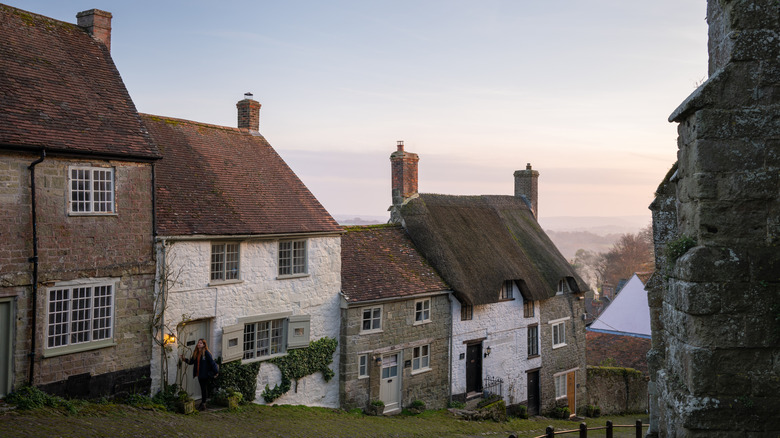
To service this influx of travelers and the resident nuns, the local economy diversified rapidly. Industrial tradespeople—including tanners, tailors, leatherworkers, stonemasons, and cobblers—flocked to the settlement. Market streets, such as the historic Gold Hill (first recorded in official documents in 1352), buzzed with commercial activity, running vertically alongside the eastern perimeter of the sprawling abbey complex.
The Tudor Dissolution and Economic Shift (1539)
The fortunes of Shaftesbury shifted dramatically in the 16th century. As the religious and cultural tides of the English Reformation swept the nation, King Henry VIII targeted monastic wealth and influence. In 1539, Shaftesbury Abbey was surrendered to the Crown, systematically dismantled, and its properties dispersed.

Without the steady stream of pilgrims and the economic engine of the nunnery, the town experienced a profound economic contraction. Trade routes increasingly favored coastal hubs and developing manufacturing centers elsewhere in Britain. Shaftesbury receded from its national prominence, transitioning quietly into a localized agricultural market town—a period of stagnation that paradoxically preserved its medieval charm and architectural integrity for future generations.
Literary Immortality and the Hovis Phenomenon (19th and 20th Centuries)
By the Victorian era, the town’s weathered stone facades and dramatic topography caught the eye of Thomas Hardy. Utilizing his deep familiarity with the region, Hardy immortalized Shaftesbury under the thinly veiled moniker of "Shaston" in several works, most notably Tess of the d’Urbervilles (1891).
In the 20th century, Shaftesbury achieved an entirely different kind of immortality. In 1973, advertising agency CDP produced a legendary television commercial for Hovis bread, directed by a young Ridley Scott. Featuring a young boy pushing a bicycle up the precipitous, cobbled incline of Gold Hill to the swelling strains of Dvořák’s "New World Symphony," the advertisement cemented the street in the British collective consciousness as the archetype of nostalgic, picturesque England.
Supporting Context & Metrics
Understanding Shaftesbury requires examining its geographical specifications, economic foundations, and tourism metrics that define its modern appeal.
Topographical and Architectural Metrics
- Elevation: Situated approximately 700 feet (213 meters) above sea level, providing sweeping panoramic views over the Blackmore Vale.
- Gold Hill Specifications: The historic lane drops steeply toward the town center, featuring a maximum gradient of 22% near its summit and a total vertical span of roughly 540 feet.
- Regional Proximity: Located approximately 1 hour’s drive (roughly 30 miles) from both Bath to the north and Bournemouth to the south. The Jurassic Coastline near Lyme Regis sits roughly 90 minutes to the southwest.
- Trail Networks: Serves as a key waypoint or terminus for major regional walking routes, including the 216.5-mile Hardy Way, the 30-mile St. Edward’s Way Pilgrimage, and the 50-mile White Hart Link.
Local Commerce and Visitor Infrastructure
Shaftesbury maintains a thriving independent retail sector designed to cater to both residents and cultural tourists. The town hosts bustling open-air markets weekly:
- Thursday Market: Continuing a centuries-old trading tradition, offering fresh regional produce, artisanal baked goods, cheeses, ground coffee, and vintage books.
- Weekend Markets: Additional trading days held on Saturdays and Sundays in the town center, incorporating indoor stalls within the historic town hall to ensure continuity regardless of inclement weather.
- Specialist Retailers: High Street and the surrounding lanes feature unique independent establishments, ranging from mineral and fossil emporiums like Nature’s Treasures to eco-conscious, nature-focused bookstores like Folde.
Official Statements and Local Perspectives
Preserving a historic settlement while accommodating modern visitors requires careful coordination between local government agencies, heritage bodies, and community organizations.
Local authorities emphasize the delicate balance between heritage preservation and sustainable rural tourism. In a comprehensive planning document issued by the Dorset Council, officials noted:
"The historical fabric of Shaftesbury, characterized by its medieval street layouts, vernacular stone architecture, and prominent hilltop defensive topography, represents an irreplaceable cultural asset. Management strategies must prioritize the conservation of assets like Gold Hill and the abbey precinct while fostering an economically resilient local commerce that benefits residents and visitors alike."
Furthermore, representatives from the Shaftesbury Abbey Museum & Gardens highlight the educational and cultural value of the town’s monastic roots:
"The excavation and curation of the abbey grounds allow us to tell a story of national significance. When visitors walk among the medieval foundations and the physic garden—featuring plants historically utilized for medicinal and spiritual purposes—they are engaging directly with the spiritual heart of Anglo-Saxon and medieval Wessex."
Tourism advocates from Visit Dorset frequently point to the vista from the top of Gold Hill as a primary anchor for regional travel marketing. Campaign literature describes the view over Blackmore Vale not merely as a scenic backdrop, but as "one of the most romantic and enduring sights in England, bridging the literary heritage of Thomas Hardy with the timeless appeal of the British countryside."
Future Outlook
As Shaftesbury looks toward the future, its stakeholders face the classic challenge of modern heritage management: protecting historical authenticity while embracing sustainable growth.
Sustainable Heritage Tourism
With an increasing global appetite for slow travel, countryside exploration, and heritage tourism, Shaftesbury is well-positioned to attract visitors seeking alternatives to overcrowded urban centers. Local tourism boards are actively promoting off-peak travel seasons, encouraging multi-day stays rather than brief afternoon visits, thereby spreading economic benefits across local guesthouses, inns, and tearooms.
Infrastructure and Trail Integration
Long-term development plans emphasize the enhancement of walking and cycling infrastructure. By deepening integration with regional trail networks such as the Hardy Way and the White Hart Link, Shaftesbury aims to attract eco-tourists and outdoor enthusiasts. Furthermore, ongoing archaeological preservation efforts at the Shaftesbury Abbey Museum ensure that future generations of historians and visitors will continue to unearth new insights into the town’s Saxon and medieval past.
Ultimately, Shaftesbury remains a living testament to the resilience of English rural communities. By honoring its literary lineage, protecting its architectural treasures, and fostering a vibrant local economy, this medieval hilltop haven ensures that its storied past will continue to inspire travelers for centuries to come.