









Executive Overview
As the global transportation sector navigates a critical inflection point, the responsibilities of advocating for sustainable living have evolved beyond passive interest. True advocacy—often termed "clean energy evangelism"—now demands active, daily participation in the green transition. Whether upgrading a household fleet, electrifying home heating, or engaging local communities through public demonstrations, individual choices serve as the most visible catalysts for societal change.
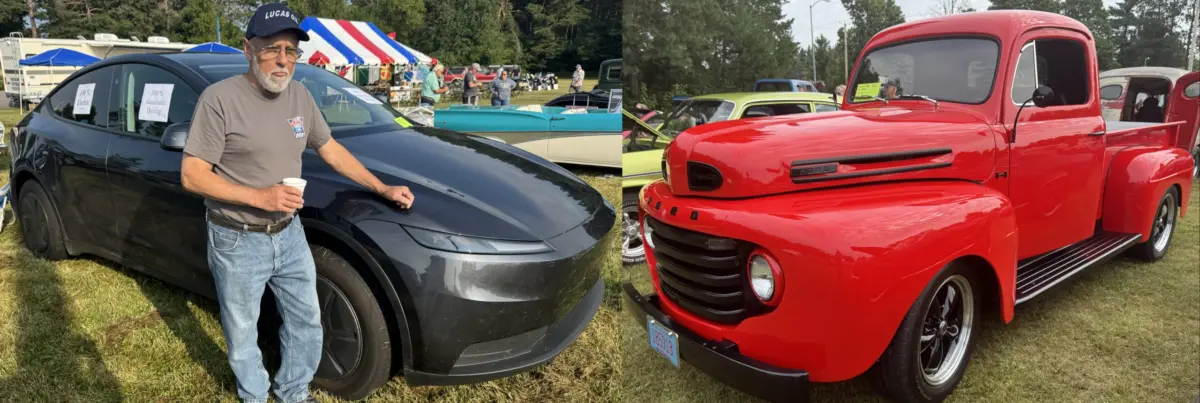
Recent insights from long-term electric vehicle (EV) advocates highlight both the progress and the persistent hurdles facing clean energy adoption. While high-efficiency battery electric vehicles (BEVs) and electric bicycles (ebikes) offer viable, cost-effective alternatives to internal combustion engine (ICE) vehicles, grassroots advocacy encounters unique cultural resistance. Traditional car shows dominated by vintage gasoline-powered vehicles demonstrate that changing public perception requires more than simply showing up; it demands strategic engagement, modern infrastructure understanding, and a clear articulation of the economic and environmental benefits of electrification.
This report examines the core tenets of the clean energy evangelist lifestyle, the current financial and technological landscape of EVs in 2026, the challenges of navigating the used EV market, and the critical role of micro-mobility solutions like ebikes in eliminating the need for multi-car households.

Detailed Chronology: A Decade of Grassroots EV Advocacy
The journey of grassroots clean energy advocacy over the past ten years reveals a distinct shift in public attitudes toward electric mobility. Reviewing the timeline of personal EV integration highlights how technological milestones have transformed the evangelist’s toolkit.
- The Early Adoption Era (Mid-2010s): A decade ago, driving an electric vehicle like a first-generation Nissan LEAF required patience and a pioneer’s mindset. Public charging infrastructure was sparse, and range anxiety was a constant companion for early adopters. During this period, evangelism relied heavily on education. Displaying homemade "100% Electric" placards on vehicles and pairing EV driving with micro-mobility solutions—such as early-generation ebikes—was essential to proving that electric transit was practical for daily commuting and recreation. Group participation in local events and parades was relatively straightforward, as the novelty of zero-emission vehicles naturally drew curious crowds.
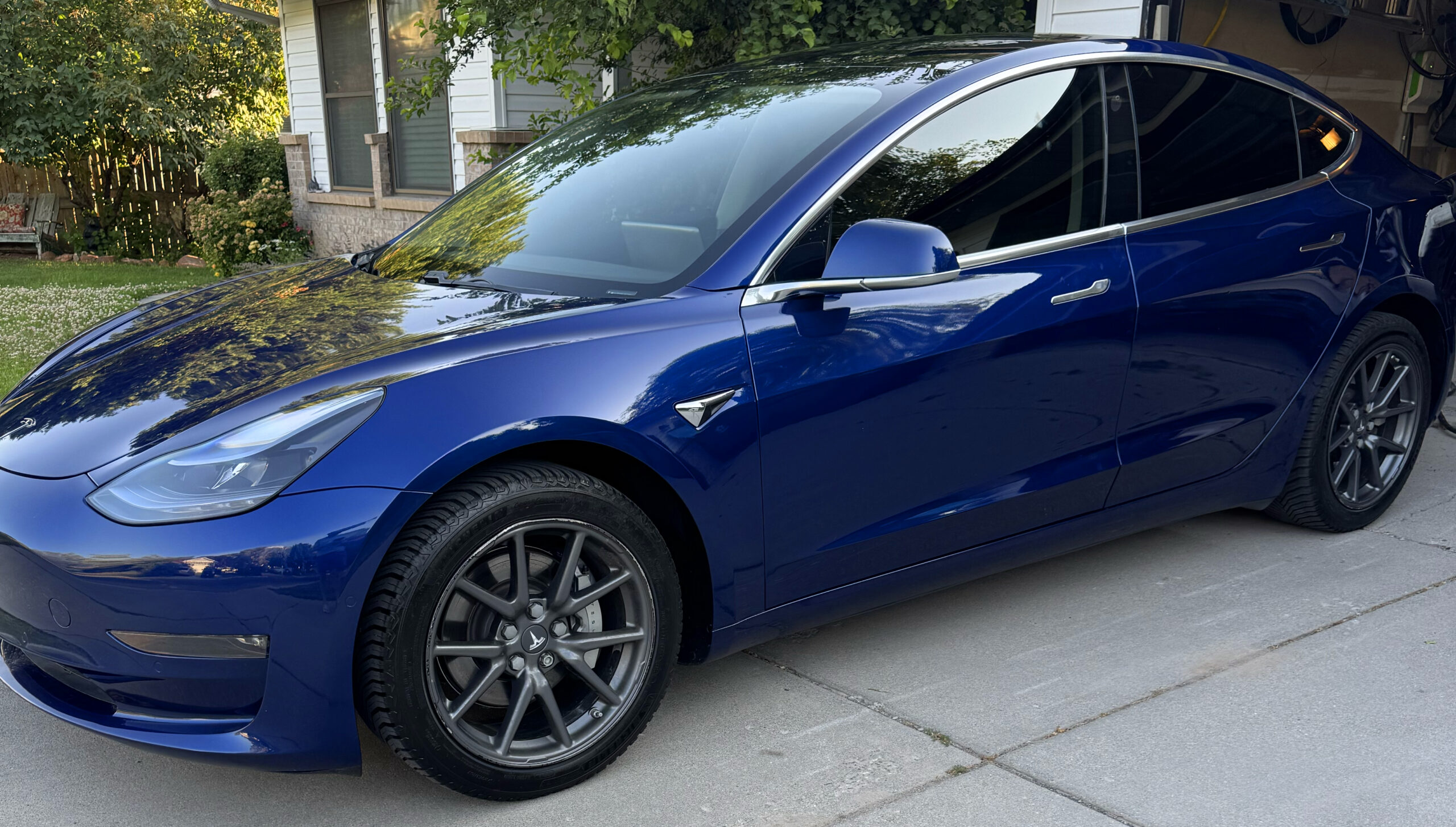
- The Mainstream Transition (Late 2010s to Mid-2020s): As battery chemistry improved and automakers began serious platform developments, EVs transitioned from niche novelties to mainstream contenders. The proliferation of the Tesla Model 3 and Model Y fundamentally altered consumer expectations, pushing standard driving ranges past the 300-mile threshold. However, advocacy during this phase shifted from introducing the concept of electric travel to debunking persistent myths regarding battery degradation, cold-weather performance, and grid capacity.
- The Contemporary Landscape (2026): Today, the challenges of advocacy have taken on a cultural dimension. While modern EVs—equipped with advanced hardware such as Tesla’s V4 computer architecture and sophisticated driver-assistance systems—offer unprecedented performance and value, community engagement requires refined tactics. Traditional car culture, deeply rooted in the preservation of classic internal combustion engines, often presents a lukewarm reception to contemporary production EVs. Consequently, modern evangelists must pivot away from traditional static auto shows and focus on active community integration, policy education, and lifestyle modeling that emphasizes total cost of ownership and public health benefits.
Supporting Context & Metrics: The Economics and Environmental Impact of Modern Electrification
To effectively advocate for clean energy, evangelists must possess a firm grasp of the underlying economics, technological advantages, and environmental metrics that differentiate electric alternatives from fossil-fuel-dependent machinery.
The Environmental Imperative
The primary argument for transitioning to a pure battery electric vehicle lies in lifecycle emissions reduction and localized air quality improvement. Operating an ICE vehicle not only burns finite fossil fuels and generates high volumes of carbon dioxide, but it also releases dangerous sub-micron particulate matter into the atmosphere. Furthermore, traditional driving relies heavily on friction braking, which continuously sheds hazardous particulate matter from brake pads into municipal environments.

In contrast, a BEV operates with an energy efficiency of roughly 90%, burning zero fossil fuel during operation. Because BEVs utilize regenerative braking for the vast majority of deceleration, physical brake pad wear is drastically minimized, mitigating a hidden source of urban air pollution. Even when factoring in the emissions associated with generating the electricity required to charge a BEV, the carbon footprint is substantially lower than that of an equivalent gas-powered vehicle, and this disparity widens continuously as regional electrical grids incorporate higher percentages of renewable energy sources.
Financial Realities and Financing in 2026
Economic accessibility remains a primary driver for mass adoption. Current market conditions in 2026 offer attractive financing options for buyers looking to step into new electric hardware:
- New Vehicle Financing: Interest rates for new base models, such as the rear-wheel-drive Tesla Model Y, hover around 1.5%, translating to accessible monthly payments of approximately $559. Base Model 3 variants secure financing near 2% with monthly commitments around $529. For larger households, specialized offerings like the long-wheelbase three-row, 6-seat Model YL launch edition provide expanded utility at roughly $992 per month.
- Technological Integration: Standard equipment packages on contemporary models now feature advanced hardware suites, such as Hardware V4, capable of supporting sophisticated autonomous driving software packages for a subscription fee of $99 per month. EPA-estimated ranges consistently exceed the 300-mile mark, effectively eliminating standard range anxiety for the vast majority of drivers.
- The Used EV Market Paradox: For budget-conscious consumers, the secondary market presents remarkable opportunities alongside notable friction points. Well-maintained older models—such as a 7-year-old Tesla Model 3 Performance boasting strong remaining battery health and active warranties—can be acquired for approximately $15,000.
However, a significant market inefficiency persists: traditional used car dealerships frequently lack the specialized knowledge required to properly inventory and market electric vehicles. Dealership staff often struggle to identify critical technical specifications, such as battery health retention, dual versus single motor configurations, or onboard computer hardware versions (HW2, HW3, or HW4). Furthermore, identifying vehicles sold between mid-2023 and spring 2026 that include permanent software subscriptions requires direct physical inspection of the vehicle’s onboard menu systems. While this lack of dealer sophistication creates a barrier for the average used car buyer, it simultaneously presents savvy consumers with opportunities to secure substantial bargains.

Infrastructure Interoperability
The charging landscape has undergone a massive consolidation phase. The widespread adoption of the North American Charging Standard (NACS) means that virtually all major US electric vehicle brands can now seamlessly utilize the extensive Tesla Supercharger network. Many newer non-Tesla EVs now arrive factory-equipped with native NACS sockets, removing the need for third-party adapters. Entry-level electric options, such as the Chevrolet Bolt EV starting at $27,600, come standard with native NACS integration, democratizing fast-charging access across price points.
Micro-Mobility as a Bookend Strategy
True clean energy evangelism extends beyond primary passenger vehicles. The integration of an electric bicycle (ebike)—particularly mountain-style ebikes capable of navigating gravel trails, absorbing road imperfections, and safely traversing urban infrastructure—serves as a vital bookend transportation action. For many households, an ebike successfully replaces the functional utility of a second internal combustion car. Whether handling local errands, commuting to the gym, or picking up prescriptions, micro-mobility expands the radius of human-powered transit, providing a versatile, highly efficient supplement to a primary household BEV.
Official Guidelines for the Clean Energy Evangelist
Effective advocacy requires adherence to a structured methodology. To maximize impact without alienating community members, clean energy evangelists should follow these core principles:
- Prioritize Knowledge and Cost Literacy: Maintain a deep understanding of the upfront costs, financing incentives, and long-term maintenance savings associated with each clean energy upgrade. Being able to clearly explain the total cost of ownership builds immediate credibility.
- Lead by Example: Transition personal fossil fuel dependencies to electric alternatives as equipment reaches the end of its useful life. Prioritize replacing gas-powered cars, water heaters, furnaces, and lawn equipment with high-efficiency electric heat pumps and battery systems when replacement cycles naturally occur.
- Deploy Visible Statements: Utilize pure battery electric vehicles as rolling billboards for zero-emission practicality. In areas with low EV density, simply driving a clean, quiet, highly capable EV demonstrates to neighbors and local peers that electric mobility is a viable, everyday reality rather than an abstract futuristic concept.
- Embrace Multi-Modal Transit: Consistently incorporate public transportation, carpooling, and ebike commuting into daily routines to minimize single-occupancy vehicle miles traveled.
- Targeted Community Engagement: Recognize the limitations of traditional enthusiast spaces. Rather than attempting to convert traditional internal combustion engine hobbyists at static car shows, focus advocacy efforts on forward-looking civic events, educational seminars, and digital platforms where consumers are actively seeking transition advice.
Future Outlook
Looking toward the remainder of the decade, the trajectory of clean energy adoption will depend heavily on the continued maturation of secondary markets, infrastructure resilience, and grassroots education. As legacy automotive inventory ages out of the national fleet, the influx of affordable used electric vehicles will accelerate adoption among lower- and middle-income demographics who rely on secondary market values.
Simultaneously, the convergence of micro-mobility infrastructure with robust municipal transit planning promises to reshape urban and suburban landscapes. Clean energy evangelists will continue to play a pivotal role in bridging the gap between emerging technological capabilities and public acceptance. By demonstrating the financial prudence, environmental necessity, and sheer operational superiority of electric mobility and home electrification, advocates will help steer the global transition toward a cleaner, more sustainable future.