Tucked away in the Northwest region of England, just a stone’s throw from the bustling cultural hub of Liverpool, lies the Wirral Peninsula—a picturesque and historically rich destination that frequently escapes the radar of international tourists. Bounded by three distinct bodies of water—the Irish Sea to the north, the River Dee to the west, and the River Mersey to the east—this lush extension of land marries a proud agricultural and maritime past with modern leisure.
Characterized by dramatic sea views, sprawling sandy shorelines, highly walkable towns, and a burgeoning culinary scene, the Wirral offers travelers an immersive escape from urban congestion. Its unique geographic positioning provides striking vistas stretching across the Dee Estuary toward the Welsh hills, while its proximity to Liverpool makes it exceptionally accessible via historic ferry routes and well-maintained public transport networks.
From the preserved Victorian industrial heritage of Port Sunlight Village to the rugged, bird-rich dunes of Meols Beach and the award-winning culinary institutions scattered throughout the region, the Wirral Peninsula represents a masterclass in regional regeneration, historic preservation, and coastal charm. This report delves into the comprehensive topography, historical evolution, recreational offerings, gastronomic landscape, and future outlook of one of England’s best-kept coastal secrets.
To truly appreciate the contemporary landscape of the Wirral Peninsula, one must examine its historical trajectory—a timeline shaped by monastic foundations, maritime trade, industrial philanthropy, and modern suburban development.
Early Foundations and Medieval Roots (Pre-1800s)
Prehistoric and Roman Eras: Archaeological findings across the peninsula indicate sporadic settlement, with ancient tracks and Roman artifacts linking the region to the broader trade routes of Britannia.
Monastic Influence: During the medieval period, the Wirral was heavily influenced by religious houses, most notably Birkenhead Priory, founded in the 12th century by Benedictine monks. The priory served as a vital crossing point over the River Mersey for pilgrims and travelers making their way toward Holyhead and Ireland.
Agricultural and Maritime Economy: For centuries, the local economy relied heavily on mixed farming, fishing, and small-scale port activities. The shifting sands of the Dee and Mersey estuaries dictated local livelihoods, fostering a resilient coastal community accustomed to navigating challenging tidal conditions.
The 19th Century: Industrialization and Residential Expansion
The Rise of Liverpool’s Wealth: As Liverpool burgeoned into a global trading empire during the Industrial Revolution, the Wirral transformed. Wealthy Liverpool merchants sought refuge from the congested city, leading to the rapid residential and resort development of coastal towns like New Brighton and Hoylake.
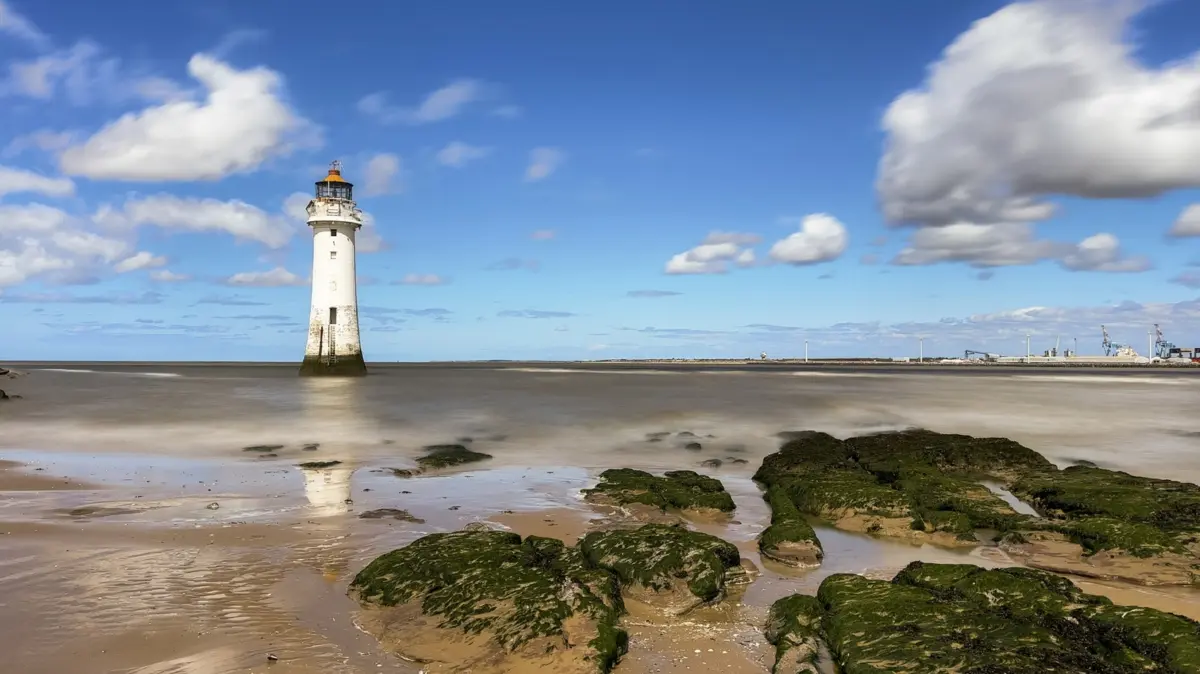
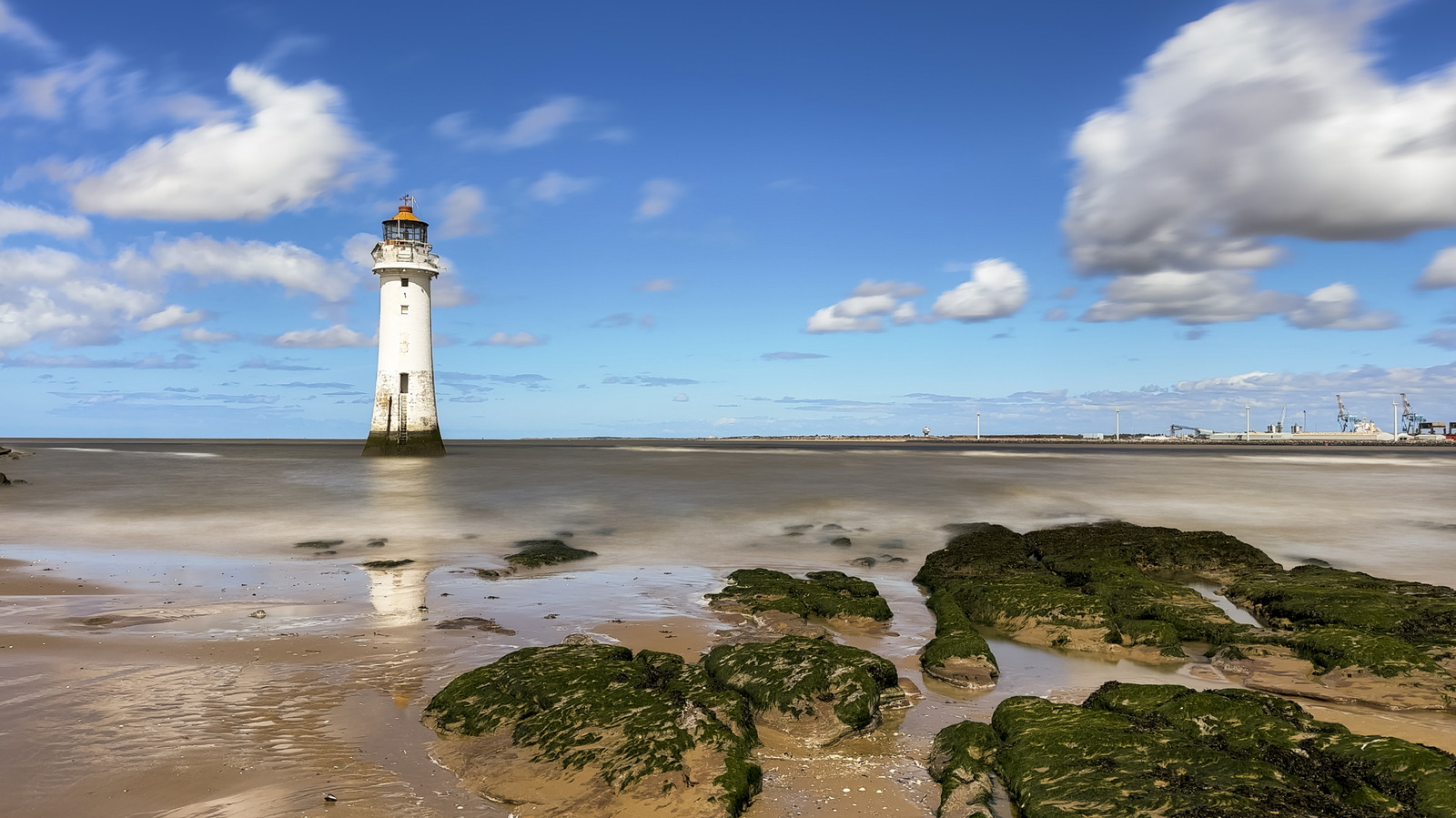
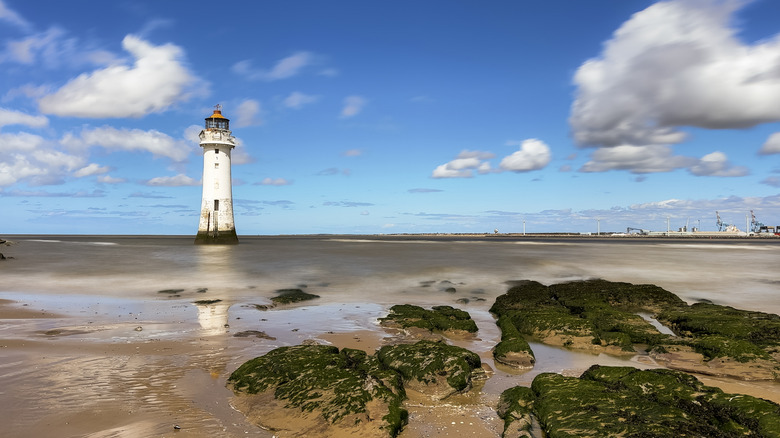
1830: The construction of the historic New Brighton Lighthouse marked a critical turning point for maritime safety along the treacherous approaches to the River Mersey, establishing a lasting landmark that continues to define the peninsula’s northern coastline.
1888 — The Birth of Port Sunlight: Industrialist William Hesketh Lever (later Lord Leverhulme) acquired land on the Wirral to build a revolutionary factory village for the workers of his soap manufacturing company, Lever Brothers. Port Sunlight was designed not merely as housing, but as a utopian industrial community featuring diverse architectural styles, open green spaces, and cultural institutions—principles that endure today.
The 20th and 21st Centuries: Conservation, Tourism, and Modernity
Post-War Suburbanization: Improved railway networks and the construction of the Mersey Tunnels transformed the Wirral into a vital commuter hub, blending rural tranquility with metropolitan connectivity.
Establishment of Protected Spaces: Throughout the late 20th century, local authorities and conservation trusts placed heavy emphasis on protecting the region’s natural assets, leading to the creation of the Wirral Country Park—the first country park in Great Britain—in 1973 along the disused Birkenhead Railway line.
Contemporary Tourism Renaissance: In recent decades, the peninsula has leveraged its historical architecture, sweeping coastal paths, and burgeoning food culture to position itself as a premier domestic and international holiday destination for travelers seeking an authentic British coastal experience.
Supporting Context & Metrics
Understanding the economic, demographic, and environmental framework of the Wirral Peninsula illuminates why this region remains an essential destination for cultural tourists and nature enthusiasts alike.
Geographic and Environmental Metrics
Boundaries: The peninsula spans approximately 60 square miles, bordered by roughly 25 miles of coastline encompassing sandy beaches, rocky shores, and tidal estuaries.
The Three Waters:
River Mersey: Forms the eastern boundary, historically connecting the Wirral to Lancashire and the world via international shipping lanes.
River Dee: Forms the western boundary, acting as a natural frontier with Wales and featuring internationally recognized mudflats and saltmarshes critical for migratory bird species.
Irish Sea: Frames the northern tip, offering bracing open-water views and vigorous marine climates.
Accessibility: Commuters and tourists can traverse the peninsula via an integrated network of local trains operated by Merseyrail, extensive bus routes, and the iconic cross-river Mersey Ferries, which have linked Birkenhead and Wallasey to Liverpool for centuries.
Recreational Infrastructure
Wirral Country Park: Spanning over 12 miles of continuous multi-user paths (walking, cycling, and horseback riding), the park links seamlessly into the broader Wirral Way, offering unobstructed views across the Dee Estuary to the Clwydian Range in Wales.
Beach Diversity: The peninsula accommodates varied coastal preferences across its five primary coastal zones:
New Brighton Beach: Family-friendly sandy shores paired with Victorian heritage and coastal fortifications like Fort Perch Rock.
Thurstaston Beach: Quiet, rugged shoreline ideal for contemplation, dog-walking, and scenic picnics.
West Kirby Beach & Marine Lake: A premier hub for water sports, including sailing, windsurfing, kayaking, and open-water swimming.
Meols Beach: A haven for naturalists, bird-watchers, and outdoor enthusiasts engaging in low-impact shoreline activities.
Leasowe Bay Beach: Famed for its extensive paved coastal pathways catering to cyclists and walkers tracking toward Hoylake.
Official Statements and Local Insights
The preservation and promotion of the Wirral Peninsula rely heavily on collaborative efforts between local governance bodies, environmental agencies, and hospitality leaders.
Promoting Sustainable Coastal Tourism
Representatives from local tourism boards have consistently emphasized the delicate balance between encouraging visitor numbers and preserving the pristine natural habitats of the Dee Estuary. In recent municipal planning statements, local authorities highlighted:
"The Wirral Peninsula occupies a unique ecological and cultural intersection in North West England. Our primary objective is to invite travelers to experience the diverse natural beauty of our coastlines—from the windswept shores of Thurstaston to the vibrant maritime heritage of New Brighton—while strictly adhering to conservation frameworks that protect our fragile estuarine bird populations and historic architecture."
Architectural Preservation and Community Heritage
Regarding the ongoing preservation of historic districts such as Port Sunlight Village, cultural historians and museum curators note the enduring relevance of 19th-century urban planning:
"Port Sunlight stands as a living monument to a progressive era of industrial welfare and architectural experimentation. The careful maintenance of its tree-lined avenues, timber-framed cottages, and cultural anchors like the Lady Lever Art Gallery ensures that visitors do not merely observe history, but step directly into a thoughtfully preserved chapter of British social history."
Future Outlook: The Evolution of the Wirral Peninsula
As the travel industry shifts toward sustainable, slower-paced, and experiential tourism, the Wirral Peninsula is uniquely positioned to capture the imagination of modern travelers. Several key developments and trends point toward a bright and sustainable future for the region:
1. Enhanced Green Mobility and Trail Connectivity
Local councils are heavily investing in active travel infrastructure, expanding cycle paths along the Wirral Way, and upgrading public transport integration. The goal is to reduce carbon footprints by encouraging visitors to explore the peninsula entirely on foot, by bicycle, or via electrified public transit systems.
2. Culinary Tourism Expansion
Building on the success of award-winning establishments like The Red Fox and upscale dining venues such as the Thornton Hall Grill, the Wirral is rapidly gaining a reputation as a culinary hotspot in the North West. Future projections indicate a rising tide of farm-to-table dining concepts, leveraging the peninsula’s rich agricultural heritage and coastal bounty to attract dedicated food tourists from Liverpool, Manchester, and beyond.
3. Biodiversity and Conservation Stewardship
With climate change presenting ongoing challenges to coastal communities, regional environmental groups are prioritizing coastal defense strategies that work with nature rather than against it. Projects aimed at restoring salt marshes and protecting dune systems along Meols and Leasowe will ensure that the natural landscapes remain resilient and vibrant for generations of visitors to come.
Conclusion
The Wirral Peninsula offers a rare combination of accessible coastal beauty, profound industrial and maritime heritage, and an increasingly sophisticated gastronomic identity. Whether one is tracing the historic footsteps of Victorian soap workers in Port Sunlight, cycling along the breezy pathways of Leasowe Bay, or savoring locally sourced British classics at a country pub, the peninsula proves that some of England’s most rewarding treasures lie just beyond the horizon of its most famous cities.