









Executive Overview
Tucked away within the verdant, mist-shrouded expanses of Hampshire’s New Forest National Park, the village of Beaulieu—whose name translates directly from the Norman French as "beautiful place"—stands as a masterclass in historical preservation and rural tranquility. Located approximately 85 miles southwest of London, this idyllic settlement offers a compelling reprieve from the frenetic pace of urban life. Yet, beneath its postcard-perfect exterior of rust-red brick cottages, half-timbered facades, and tranquil river bends lies a complex socio-historical landscape born of monastic ambition, royal decree, and centuries of architectural transformation.
For travelers, urban planners, and heritage conservationists alike, Beaulieu represents a fascinating case study in how rural hamlets can balance modern tourism demands with the strict ecological and historical parameters of a protected national park. From the 13th-century footprints of the Cistercian Order to the Victorian grandeur of the Palace House, the village is an open-air archive. This report explores the historical lineage, architectural triumphs, culinary ecosystem, and strategic logistical framework that make Beaulieu one of southern England’s most vital rural escapes.
Detailed Chronology: From Royal Indulgence to Monastic Ruins
To understand the spatial and cultural layout of modern Beaulieu, one must trace a timeline spanning over eight centuries—a narrative driven by religious devotion, political upheaval, and aristocratic stewardship.
The 13th Century: Foundation and the Cistercian Legacy
The origins of Beaulieu are inextricably tied to the volatile reign of King John. Established in 1204 as a foundational gift to the monks of the Cistercian Order, the site was chosen for its strategic isolation and natural abundance. The Cistercians, renowned for their rigorous asceticism and agricultural innovation, transformed the marshy river valley into a thriving monastic complex known as Beaulieu Abbey.
During this medieval epoch, the abbey operated as a self-sustaining ecosystem. The monks constructed sophisticated drainage systems, farmed the surrounding forest lands, and established a sanctuary that offered protection to political and criminal fugitives alike. As the abbey grew in economic and spiritual influence, a small lay community began to gather around its periphery, laying the foundational street grid that defines the village’s historic core today.
The 16th Century: The Dissolution and Architectural Metamorphosis
The trajectory of Beaulieu was violently disrupted in the 16th century during the reign of King Henry VIII. As part of the broader Dissolution of the Monasteries, Beaulieu Abbey was suppressed, its valuable metals looted, and its stone structures systematically dismantled to prevent Catholic resurgence. The haunting, weather-beaten stone walls and pointed archways that tourists admire today are direct testaments to this Tudor-era destruction.
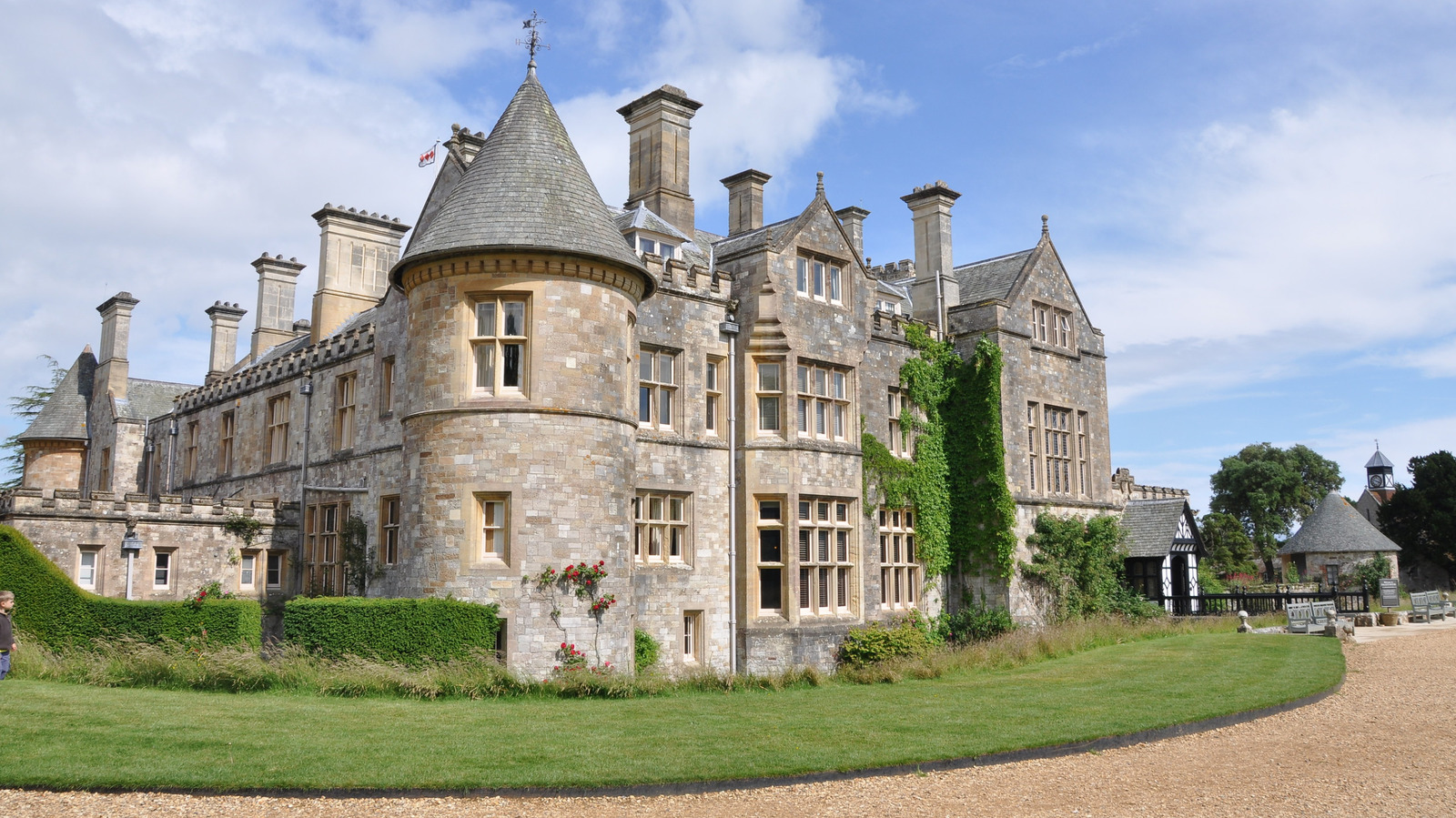
However, the site’s story did not end with the monks’ expulsion. The great gatehouse of the abbey was spared and eventually converted into a private residence. This transition marked the birth of the Palace House, shifting Beaulieu from a center of spiritual contemplation to a hub of secular aristocratic power.
The Victorian Era to the Modern Day: Preservation and Public Access
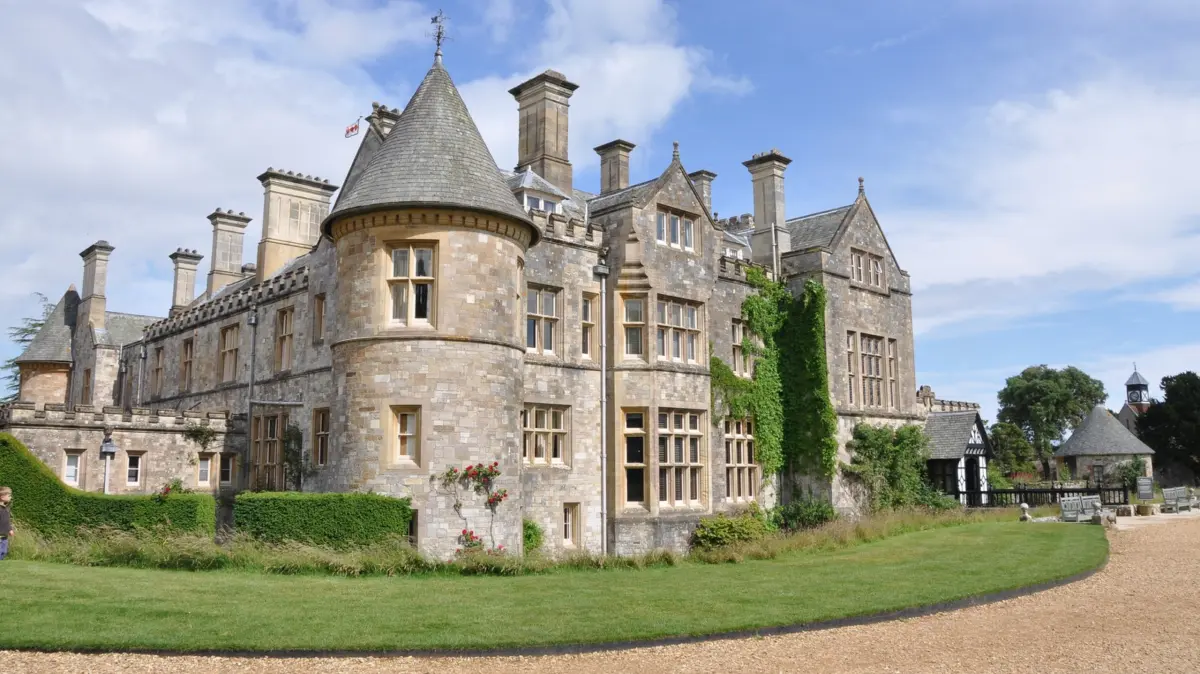
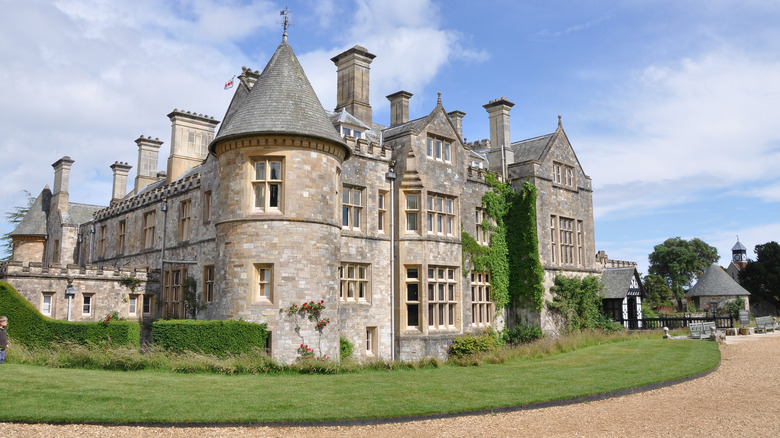
Over the subsequent centuries, the estate passed through various noble hands, most notably the Montagu family, who shaped the aesthetic profile of the village during the Victorian era. The Palace House was expanded to reflect 19th-century tastes, incorporating crenellated walls, dramatic stone roofs, and richly appointed libraries and banquet halls that blended medieval structural integrity with Victorian opulence.
In the 20th and 21st centuries, Beaulieu shifted from a private feudal estate into a meticulously curated public destination. Managed under strict conservation guidelines enforced by the New Forest National Park Authority, the village has successfully resisted over-commercialization, retaining its historical integrity while accommodating an influx of international and domestic tourists.
Supporting Context & Metrics: Geography, Infrastructure, and Tourism Impact
Navigating the Landscape: Logistics and Accessibility
Reaching Beaulieu from the economic engine of London is a journey characterized by transition—moving swiftly from the steel and glass of the capital to the rolling hills and ancient woodlands of Hampshire.
- By Automobile: The drive typically takes between two to two-and-a-half hours via the M3 motorway, transitioning onto local A-roads that wind through the New Forest. Visitors must navigate these roads with caution, as free-roaming ponies, cattle, and donkeys—a protected fixture of the New Forest—frequently cross the tarmac.
- By Rail and Bus: For eco-conscious travelers utilizing public transit, regular train services run from London Waterloo to Brockenhurst (approximately 90 minutes). From Brockenhurst station, local bus connections or regional cycling paths bridge the final miles directly into Beaulieu, keeping carbon footprints minimal in line with national park directives.
Ecological and Spatial Metrics
- Geographical Footprint: The New Forest National Park encompasses over 219 square miles (566 square kilometers) of ancient woodland, heathland, and river valleys, with Beaulieu acting as a central cultural anchor.
- Visitor Demographics: Tourism data indicates that Beaulieu attracts hundreds of thousands of day-trippers and weekend vacationers annually, with peak visitation occurring between the months of May and September.
- Economic Ripple Effect: Local hospitality metrics reveal that independent establishments—ranging from bakeries to traditional inns—rely heavily on heritage tourism, with over 75% of local businesses categorized as independent, family-run entities.
Official Statements and Heritage Perspectives
Preserving a living village that doubles as a historical monument requires a delicate balance between public engagement and rigorous conservation. Authorities and stewards of the estate have frequently articulated the philosophical framework guiding Beaulieu’s future.
In a recent heritage management briefing, representatives from the New Forest National Park Authority emphasized the dual mandate of the region:
"Our primary objective is not merely to freeze Beaulieu in amber, but to manage a living, breathing community where historical integrity coexists with contemporary rural life. Every structural adaptation and tourism initiative must respect the ecological carrying capacity of the New Forest."
Similarly, curators at the Palace House and Beaulieu Abbey estate have underscored the educational imperative of the site:
"When visitors walk through the cloisters of the abbey or view the Victorian collections within the Palace House, they are engaging with a continuum of English history. Our role is to provide transparent, immersive access to these centuries of architectural evolution without compromising the structural soul of the buildings."
Visitor sentiments mirror these official institutional goals. Online architectural registries and public review platforms consistently highlight the authenticity of the experience. As noted in a widely cited architectural review on Google Maps: "A truly seamless blend of ecclesiastical ruin and baronial grandeur; the location offers a rare depth of history without the sterile feel of a modern theme park."
Gastronomic Landscape: A Culinary Tour of High Street
No contemporary exploration of Beaulieu is complete without examining its culinary offerings. Moving away from standardized corporate dining, the village’s High Street features a tightly curated selection of establishments that celebrate local sourcing, rustic comfort, and historic ambiance.
1. Bellord and Brown
Housed within a classic red-brick townhouse on High Street, Bellord and Brown offers a rustic interior where visitors can escape the elements. Known for generous portions and a welcoming atmosphere, the cafe specializes in artisan pastries—such as fresh spinach quiche and traditional apple pie—alongside hearty breakfast options like sausage-and-tomato breakfast burritos and classic French toast.
2. The Beaulieu Bakehouse
Situated further down the street inside a sprawling brick cottage, The Beaulieu Bakehouse delivers a quintessential English tea experience. Diners can choose between cozy indoor seating or courtyard picnic tables framed by historic masonry. The menu ranges from traditional afternoon tea spreads featuring freshly baked scones and clotted cream to savory options like avocado toast and a daily house-made soup. The full English breakfast—complete with free-range eggs, local sausages, and baked beans—remains a staple for morning visitors.
3. Monty’s Inn
For travelers seeking a traditional tavern environment, Monty’s Inn—located on the corner of High Street near the Montagu Arms—provides an authentic pub experience. Featuring exposed wood-plank floors, plush armchairs, and a timber bar, the inn serves classic British comfort food, including locally sourced pork chops, beer-battered fish and chips, and garlic-infused mussels, paired with a curated selection of regional ales and wines.
Future Outlook: Sustainability and the Path Ahead
As Beaulieu looks toward the middle of the 21st century, its primary challenges will center on climate resilience, traffic management within the national park, and the sustainable management of heritage tourism.
Urban planners and park conservationists are increasingly investing in green infrastructure—encouraging pedestrianization, expanding electric vehicle charging networks near the village perimeter, and promoting cycling trails that link Beaulieu to neighboring historic gems like Henley-on-Thames, Salisbury, and the coastal hub of Bournemouth.
Ultimately, Beaulieu remains a testament to the endurance of rural English heritage. By strictly managing its environmental impact while celebrating its rich architectural and culinary tapestry, this New Forest sanctuary ensures that its transition from a medieval monastic retreat to a modern cultural escape will endure for generations to come.