





Executive Overview
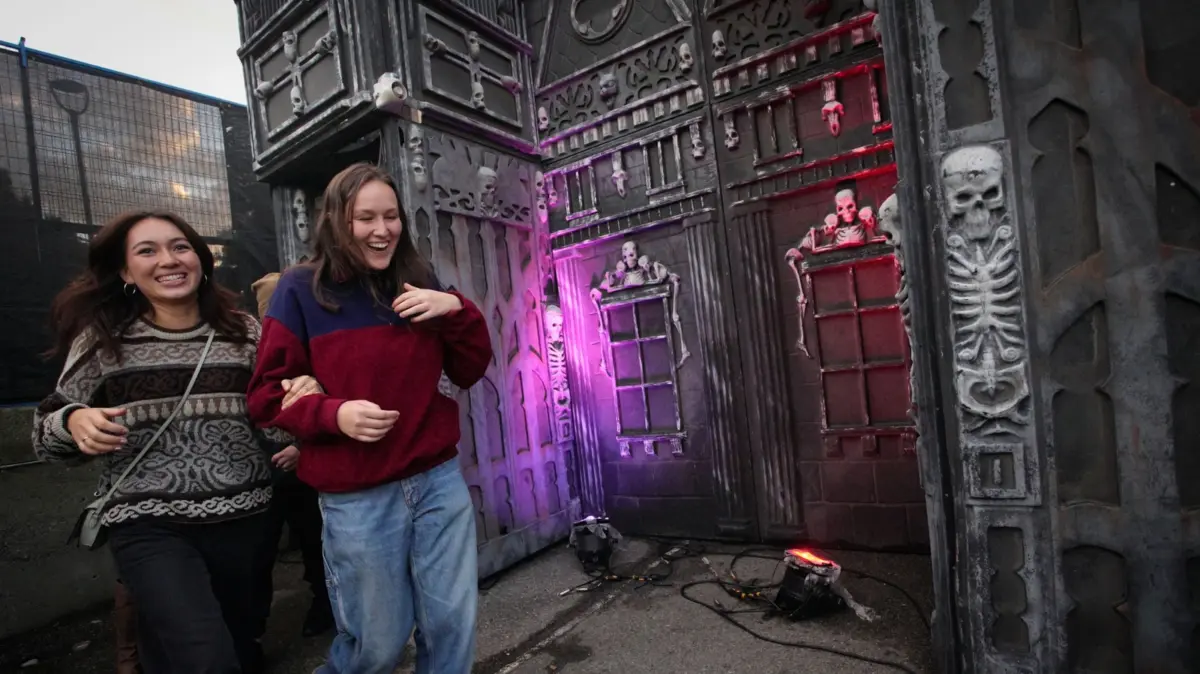
Every autumn, millions of Americans trade the crisp comfort of pumpkin patches and apple orchards for the adrenaline-soaked corridors of haunted houses. Far from being simple local fright nights, the modern haunted attraction industry has evolved into a multi-million-dollar sector characterized by Hollywood-grade special effects, elaborate multi-acre set designs, interactive storytelling, and sophisticated psychological manipulation.
While the concept of paying to be terrified might seem counterintuitive to the uninitiated, neuroscience and psychological research suggest otherwise. According to the American Brain Foundation, confronting controlled doses of fear in a safe environment can actually reduce daily stress, release pent-up adrenaline, and build psychological resilience. This enduring psychological benefit has fueled the growth of the industry since its commercial origins in the 19th century—traceable to Marie Tussaud’s revolutionary wax exhibitions and her chilling "Chamber of Horrors."
Today, the United States boasts over 2,000 professional haunted attractions spanning all fifty states, with states like California and New York hosting hundreds alone. Selecting the top contenders requires looking past generic jump scares. Industry analysts evaluate elite haunted houses based on production value, historical integration, scare actor performance, awards, and—most importantly—unfiltered reviews from real-world patrons on platforms like Google and Reddit.
This comprehensive report examines the ten best-rated, highest-production haunted houses in the United States, evaluating what makes them legendary, how they operate, and what visitors can expect when they step into the dark.
Detailed Chronology & State-by-State Breakdown of the Top 10 Haunts
From multi-story industrial complexes to sprawling rural cornfields, the top ten haunted attractions in the U.S. represent the absolute pinnacle of fear engineering.
1. Brighton Asylum (Passaic, New Jersey)
- The Experience: Operating as New Jersey’s most-visited Halloween destination for 13 consecutive years, Brighton Asylum replicates a deeply unsettling 1940s medical facility. According to local lore, the institution housed the criminally insane and was the site of illicit human experimentation before closing in 1952. Visitors navigate three distinct zones: the main building, staff quarters, and subterranean tunnels.
- Standout Features & Off-Season Events: Featured on national networks including NBC’s The Today Show and reality television hits, Brighton extends its operations beyond autumn. They host specialized holiday terror events such as Santa’s Slay in December, Dark Valentine in February, and a specialized St. Patrick’s Day fright night.
- Visitor Consensus: Reddit users frequently rank it among the scariest haunts on the East Coast, praising the hyper-interactive nature of the scarer performances.
2. Bates Motel and Haunted Hayride (Glen Mills, Pennsylvania)
- The Experience: Established in 1991 by a local family sharing the famous surname, this rural Pennsylvania fear fest has grown from a simple tractor ride into a massive complex. Recognized as a Certified Legendary Haunted Attraction by Fear Cast and ranked among the top five scares of 2025 by America Haunts, it combines classic cinematic terror with agricultural grit.
- Attraction Lineup: Guests experience the titular Bates Motel set, the Revenge of the Scarecrows Haunted Trail, and the World Famous Haunted Hayride. Beginning in 2026, the property expanded its offerings to include professional axe-throwing for visitors over 12.
- Visitor Consensus: Reviewers routinely report losing their voices from screaming, frequently praising the cinematic quality of the physical sets and the relentless dedication of the scare actors.
3. Frightmare Farms Haunted Scream Park (Fulton, New York)
- The Experience: Spanning 48 rural acres, Frightmare Farms offers a diverse, multi-attraction format that changes its themes annually. For the 2026 season, the main indoor haunt is Extraction—a dental-nightmare-themed environment designed to trigger visceral phobias. Additional zones include the Harvest of Shadows labyrinth, the Infestation terror trail, and the Bloodshiners Forbidden Forest hayride.
- VIP & Extras: Operating strictly for 11 select nights between late September and October 30th, Frightmare Farms offers an exclusive VIP package ($85 per person) for groups of six or more. This tier grants early arrival, dedicated personal tour escorts, private campfire access, and horror-themed escape rooms.
- Visitor Consensus: Local reviewers on regional subreddits consistently highlight the atmosphere of the foggy woods, complemented by hot seasonal beverages and high-end escape room additions.
4. The Dent Schoolhouse (Cincinnati, Ohio)
- The Experience: Housed inside the brick-and-mortar skeleton of a genuine 19th-century schoolhouse, the Dent Schoolhouse leans into local urban legends of 1940s and ’50s janitorial murders. While these gruesome tales have never been officially confirmed by law enforcement, the historical authenticity of the building provides an unmatched baseline of dread.
- Scare Zones & Mechanics: Divided into themed zones like Classrooms, Catacombs, Dr. Dent’s Laboratory, and Charlie’s Basement, the haunt relies on intense visual storytelling and environmental immersion rather than physical contact. Former employees note that safety policies strictly prohibit actors from grabbing guests, ensuring a panic-free boundary.
- Additional Attractions: Beyond the schoolhouse, the property features over 13 distinct photo-op installations, an extensive jack-o-lantern display, and five-minute interactive escape games.
5. Factory of Terror Haunted House (Fall River, Massachusetts)
- The Experience: Location is everything, and the Factory of Terror occupies a cavernous, 125-year-old industrial factory. With three decades of operational history, the creative team utilizes high-end animatronics, professional theatrical lighting, and industrial soundscapes to disorient guests.
- Extreme Nights: While October is the core operating season, the facility hosts Unhindged nights on November 13th and 14th. These restricted, 18-and-older events remove traditional safety barriers, allowing for a radically intense, highly interactive experience. Winter brings family-friendly yet eerie "Krampus" movie nights staged directly inside the haunted sets.
- Visitor Consensus: Deeply embedded in New England lore, local generational reviews note that the factory’s intimidating reputation has deterred faint-hearted visitors for decades.
6. House of Torment (Austin, Texas)
- The Experience: Crowned "the scariest haunted house in America" by the Travel Channel, this massive Austin attraction deploys a cast of over 80 specialized actors and a massive behind-the-scenes crew.
- Themed Lineups: The 2026 installation features three distinct storylines: Jason Universe: Survive the Night (featuring the iconic slasher franchise villain), Return of the Abominations (a post-apocalyptic toxic dystopia), and Beyond the Veil (cult rituals within a decaying mansion).
- Entertainment Value: In addition to the haunts, guests can enjoy mini escape rooms, axe-throwing lanes, live-action zombie simulations, and themed craft cocktails at the Nocturne Sanctum Secret Bar.
7. Terror in the Corn (Erie, Colorado)
- The Experience: Situated against the expansive backdrop of the Colorado plains, Terror in the Corn forces visitors to navigate a mile-long, pitch-black cornfield before stumbling upon the fictional, cursed settlement of Raven’s Gulch. The sensory experience is heavily layered with dense fog, strobe lights, and tight spatial designs.
- Accolades & Family Elements: Named the #1 haunted house in Colorado for two consecutive years by Scare Factor, the attraction pairs its terror with broad entertainment. Tickets grant admission to Anderson Farms Fall Festival, which features a sprawling, non-haunted 25-acre corn maze, zombie paintball, and communal fire pits.
8. The 17th Door Haunt Experience (Buena Park, California)
- The Experience: Designed strictly for mature, thrill-seeking adults, this Southern California powerhouse features 17 intensely detailed, horrifying rooms.
- The Extreme Factor: What sets the 17th Door apart is physical actor interaction. Every guest must sign a comprehensive waiver acknowledging exposure to water elements, electrical shocks, live animals (such as snakes and scorpions), and severe claustrophobia.
- Transparency: Visitors who purchase advance tickets can participate in rare behind-the-scenes backstage tours, witnessing firsthand how the complex psychological machinery of the haunt functions.
9. Niles Scream Park (Niles, Michigan)
- The Experience: Spanning an enormous 44-acre footprint, Niles Scream Park is less of a single house and more of an expansive theme park dedicated to horror. The flagship attraction, the Niles Haunted House, is a sprawling mansion-style installation whose layout changes entirely every single year.
- Attraction Variety: The park features five additional distinct zones: London After Dark, Sinister Schoolhouse, Wicked Woods, Field of Screams, and the extreme 18+ Hooded attraction, where guests are blindfolded and subjected to tactile scares.
10. Fear Factory (Salt Lake City, Utah)
- The Experience: Operating across six interconnected industrial buildings—some standing six stories tall—alongside two dark underground corridors, Fear Factory is an architectural nightmare. Recognized by USA Today and the Travel Channel, the facility utilizes massive physical spaces and vertical stunt actors.
- Paranormal Realities: Due to the industrial history of the buildings, numerous urban legends suggest the site is genuinely haunted—a claim investigated by paranormal television programs. Capitalizing on this, the facility offers year-round Grimm Ghost Tours. For logistics, the venue operates a dedicated "Zombie Bus" shuttle service from downtown Salt Lake City to ease visitor congestion.
Supporting Context & Industry Metrics
The haunted attraction industry is no longer a localized seasonal hobby; it is a meticulously engineered branch of the experiential entertainment economy.
- Economic Scale: According to industry data from organizations like America Haunts, the haunted attraction sector generates hundreds of millions of dollars annually, employing tens of thousands of seasonal makeup artists, carpenters, actors, and security personnel.
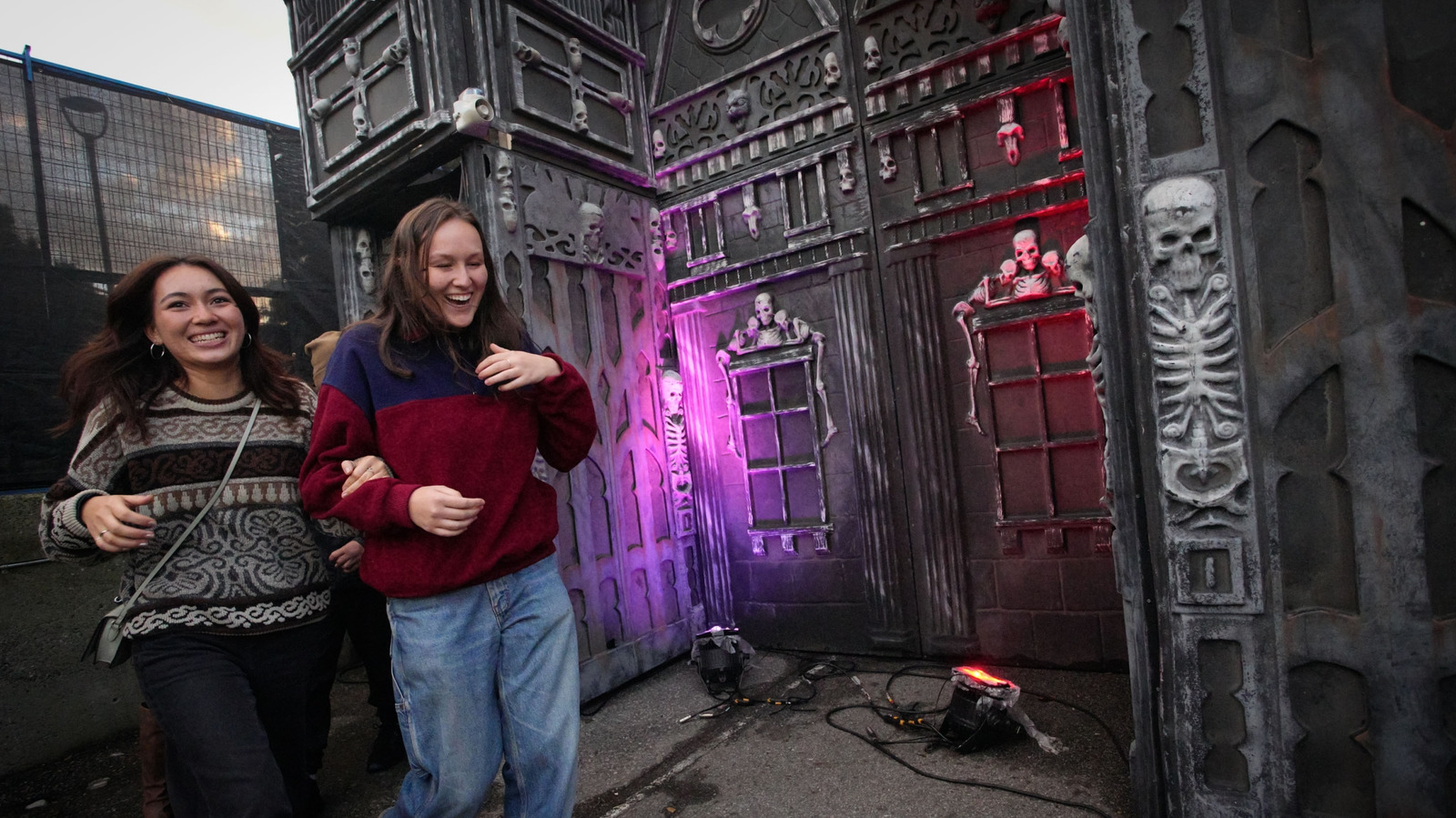
- Production Value & Technology: Modern haunts have largely abandoned simple foam-rubber props in favor of animatronics driven by pneumatic systems, projection mapping, spatial audio, and custom-blended theatrical scents (ranging from decaying organic matter to ozone).
- Demographics and Safety: Modern haunts prioritize patron safety through rigorous code compliance, mandatory waivers for extreme-contact attractions (such as The 17th Door), and clear demarcations between visual/psychological scares and physical touch.
Official Statements and Industry Insights
Industry leaders emphasize that the success of a modern haunted house relies heavily on narrative immersion rather than cheap startles.
Representatives from major attractions frequently highlight the shift toward cinematic storytelling. As noted by producers at institutions like the Dent Schoolhouse and House of Torment, the goal is to make visitors feel as though they have walked directly into a functioning horror film where they are the protagonists.
Furthermore, psychological experts affirm the cathartic value of these spaces. By placing visitors in high-arousal environments where danger is explicitly understood to be artificial, attractions provide a secure outlet for processing fear, anxiety, and stress in a communal setting.
Future Outlook
As the haunted attraction industry looks toward the late 2020s, several key trends are shaping the future of fear tourism:
- Extended Operational Calendars: Following the successful models of Brighton Asylum and Fear Factory, more major haunts are abandoning the strict September-to-November window, introducing "off-season" terror events for Valentine’s Day, St. Patrick’s Day, and mid-winter holidays.
- Integration of Augmented Reality (AR): While physical sets and live actors remain irreplaceable, forward-thinking haunts are beginning to experiment with mixed-reality headsets and wearable technology to blur the lines between physical reality and digital nightmares.
- Immersive Theater Crossovers: The boundary between traditional haunted houses and immersive theater (such as sleep-no-more style productions) is rapidly dissolving, with attractions investing heavily in complex, branching storylines where visitor choices dictate the path and intensity of their experience.
Whether you are seeking the historical dread of a 19th-century schoolhouse in Ohio, the industrial decay of a Massachusetts factory, or the intense physical confinement of a California extreme haunt, America’s premier haunted houses offer an unmatched masterclass in the art of fear.