








Executive Overview
Just a short journey from the ceaseless motion, towering glass skyscrapers, and frenetic pace of central London lies an entirely different world—one governed by the rustle of ancient canopies, the quiet mirror-like surfaces of secluded ponds, and the timeless charm of historic market towns. Epping Forest, spanning nearly 6,000 acres across the border between East London and Essex, stands as a magnificent living monument to England’s natural and royal history.
Once reserved exclusively for monarchs as a sprawling royal hunting ground, this protected green lung has evolved into an invaluable sanctuary for biodiversity, outdoor recreation, and local heritage. Despite its proximity to a global metropolis—reachable via London’s Central Line in little over an hour—Epping Forest remains astonishingly wild. Thickets of ancient hornbeam, beech, and silver birch shelter badger burrows, rabbit warrens, and centuries of architectural history, including hunting lodges commissioned by Tudor royalty.
Protected fiercely by the London Green Belt—which ensures that 94% of the wider Epping Forest District remains strictly shielded from urban sprawl—this destination offers a rare duality. Visitors can seamlessly transition from trekking through centuries-old woodlands to perusing medieval-rooted market stalls, exploring world-class niche archives, or relaxing in cozy 19th-century towns. This comprehensive report explores the rich history, outdoor adventures, charming communities, and practical considerations for experiencing one of Southern England’s most precious natural and cultural landscapes.
Detailed Chronology: From Royal Forest to Modern Sanctuary
To fully appreciate Epping Forest, one must look backward through the centuries, tracing its transformation from an untamed primeval wilderness into a fiercely protected public sanctuary.
The Primeval and Anglo-Saxon Eras
Long before the advent of concrete or paved roads, the lowlands and ridges of what is now Essex and East London were blanketed by dense, continuous primeval forest. Following the last Ice Age, oak, beech, hornbeam, and birch reclaimed the land. By the Anglo-Saxon period, these woods were utilized by local communities for pannage (turning out pigs to feed on fallen acorns and beech mast), timber harvesting, and hunting. Place names throughout the district, such as Buckhurst Hill—meaning "a hill covered in beech trees"—still bear witness to this deep-rooted arboreal history.
The Royal Hunting Grounds (Norman to Tudor Periods)
Following the Norman Conquest of 1066, much of the woodland was designated as a "forest" in the legal sense—meaning it was legally protected game territory reserved primarily for the monarch and nobility to hunt deer. Trespassing, cutting timber, or clearing land without royal permission carried severe penalties under strict forest laws.
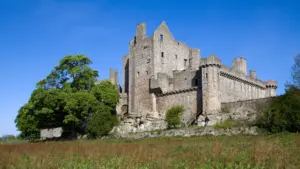
The region’s royal associations deepened significantly during the Tudor dynasty. King Henry VIII frequented the woods for sport, and in the late 1500s, Queen Elizabeth I commissioned the construction of Queen Elizabeth’s Hunting Lodge (originally known as the Great Standing) at High Beech, allowing royalty to view the hunt from an elevated, comfortable vantage point.
The Fight for Common Rights and Public Preservation
As London expanded aggressively during the Industrial Revolution, the ancient forest faced existential threats from enclosure, industrialization, and urban development. Landowners and local lords increasingly fenced off sections of the woods, threatening the traditional common rights of local people to graze animals and gather wood.
This sparked a ferocious, decades-long conservation battle in the 19th century. Local commoners, led by passionate activists, mounted legal challenges against landowners who were illegally enclosing the forest. The campaign culminated in the Epping Forest Act of 1878, passed under Queen Victoria. This landmark legislation stripped private lords of their enclosure rights, transferred ownership of the forest to the City of London Corporation as conservators, and dedicated the land "forever as an open space for the recreation and enjoyment of the public."
Supporting Context & Metrics
Understanding the sheer scale, ecological diversity, and spatial dynamics of Epping Forest requires examining the data and protective frameworks that govern the region.
Geographic and Ecological Metrics
- Total Area: Encompasses approximately 6,000 acres (nearly 2,400 hectares) of ancient woodland, rolling grasslands, heath, and wetland habitats.
- Green Belt Protection: According to municipal and conservation data provided by Visit Epping Forest, an impressive 94% of the wider Epping Forest District sits within the London Green Belt, a vital regulatory ring preventing urban encroachment.
- Flora and Fauna: The forest boasts tens of thousands of ancient pollarded trees—particularly hornbeams and beeches—whose centuries-old pruning methods have created hollow trunks that serve as critical habitats for rare invertebrates, bats, and nesting birds.
- Accessibility: Situated roughly 12 to 15 miles northeast of central London, the forest is accessible via multiple transport arteries, most notably the eastern terminus of the London Underground’s Central Line at Epping, as well as stations at Loughton and Buckhurst Hill.
Trail Networks and Outdoor Infrastructure
The forest’s interior is etched with hundreds of miles of footpaths, bridleways, and dedicated tracks designed to accommodate diverse outdoor pursuits without compromising ecological integrity:
- The Chestnut Trail: A scenic 3.25-mile route winding between Leyton and Ilford, navigating woods, open grasslands, and tranquil pond banks.
- The Golden Hill Trail: An undulating 1.6-mile path north of Loughton that guides walkers past some of the forest’s most magnificent, ancient specimens of trees.
- Mountain Biking Loop: A designated 15-mile off-road mountain biking loop, mapped extensively on platforms like Komoot, featuring an elevation gain of roughly 800 feet and catering to riders seeking an active challenge through varied terrain.
Official Statements & Expert Perspectives
Conservationists, historians, and travel authorities have long championed Epping Forest as a masterclass in balancing urban proximity with wild preservation.
Conservation and Heritage Voices
Representatives from the Epping Forest Heritage Trust, which coordinates educational programs and guided excursions, emphasize the dynamic nature of the landscape:
"Epping Forest is not a static museum exhibit; it is a living, breathing ecosystem shaped by thousands of years of human interaction and natural evolution. From ancient pollarding techniques that have sustained tree life for centuries to our ongoing battle against invasive species and climate pressures, protecting this space requires vigilance. Our guided walks—whether focused on autumnal foliage or rare forest fungi—aim to reconnect the public with the profound historical and ecological depth right on London’s doorstep."
Cultural and Literary Echoes
Literary historians frequently cite the profound impact the forest has had on British writers and poets. The 19th-century "peasant poet" John Clare famously romanticized the psychological sanctuary of the woods, writing:
"While Giant London, known to all the world, was nothing but a guess among the trees, though only half a day from where we stood…"
Travel experts, including global tourism commentators like Rick Steves, consistently highlight the British countryside and protected green spaces—particularly during the idyllic summer months—as essential components of an authentic U.K. travel itinerary, offering a stark, refreshing contrast to urban sightseeing.
The Enclosed Communities: Towns of the Epping Forest District
While the heart of the forest is dedicated to wildlife and outdoor recreation, the Epping Forest District also embraces several historic, character-filled towns nestled directly along its borders. Each community offers its own distinct cultural identity and historical legacy.
1. Epping: The Market Town Gateway
Sharing its name with the forest, Epping serves as the bustling northern gateway to the region and the eastern terminus of the Central Line. It maintains a vibrant commercial tradition anchored by its historic High Street, where a weekly market—continuing a medieval charter tradition—features over 30 bustling stalls every Monday. Alongside traditional pubs, cozy cafes, and independent bistros, visitors will find a curated selection of boutiques offering fashion, jewelry, and local crafts.
2. Loughton: Culture, High Streets, and Jazz
Loughton offers a harmonious blend of residential calm and bustling commercial activity. Its high street is lined with contemporary eateries, stylish bars, and independent shops. However, cultural enthusiasts are drawn primarily to the Loughton Library, which houses the renowned National Jazz Archive.
While New Orleans often dominates conversations about jazz history, the archive in Loughton preserves a staggering collection of journals, rare photographs, concert posters, and programs—some dating back to the 1920s—cementing the U.K.’s significant role in the global evolution of jazz culture. (Note: Archive visits currently operate on an appointment-only basis).
3. Buckhurst Hill and Waltham Abbey
- Buckhurst Hill: Retaining much of its 19th-century architectural charm, this community honors its Anglo-Saxon roots (derived from the beech-covered hill) with quiet residential lanes and proximity to sweeping forest vistas.
- Waltham Abbey: Dominated by its magnificent abbey church, this historic town holds deep royal significance. King Harold II, the final Anglo-Saxon monarch of England who fell at the Battle of Hastings in 1066, is widely believed to be entombed within the church grounds. Furthermore, local lore suggests that the town’s atmospheric halls provided the backdrop where William Shakespeare’s A Midsummer Night’s Dream may have been performed for the very first time.
Future Outlook & Visitor Guidance
As Epping Forest looks toward the coming decades, conservation managers face complex modern challenges. Balancing heavy recreational footfall from millions of annual visitors with the delicate needs of ancient habitats requires meticulous stewardship. Initiatives focusing on tree health, deer management, sustainable drainage, and wildfire prevention remain critical priorities for the City of London Corporation.
Practical Tips for Travelers
For those planning an excursion to Epping Forest, keep the following logistical recommendations in mind:
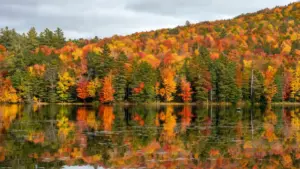
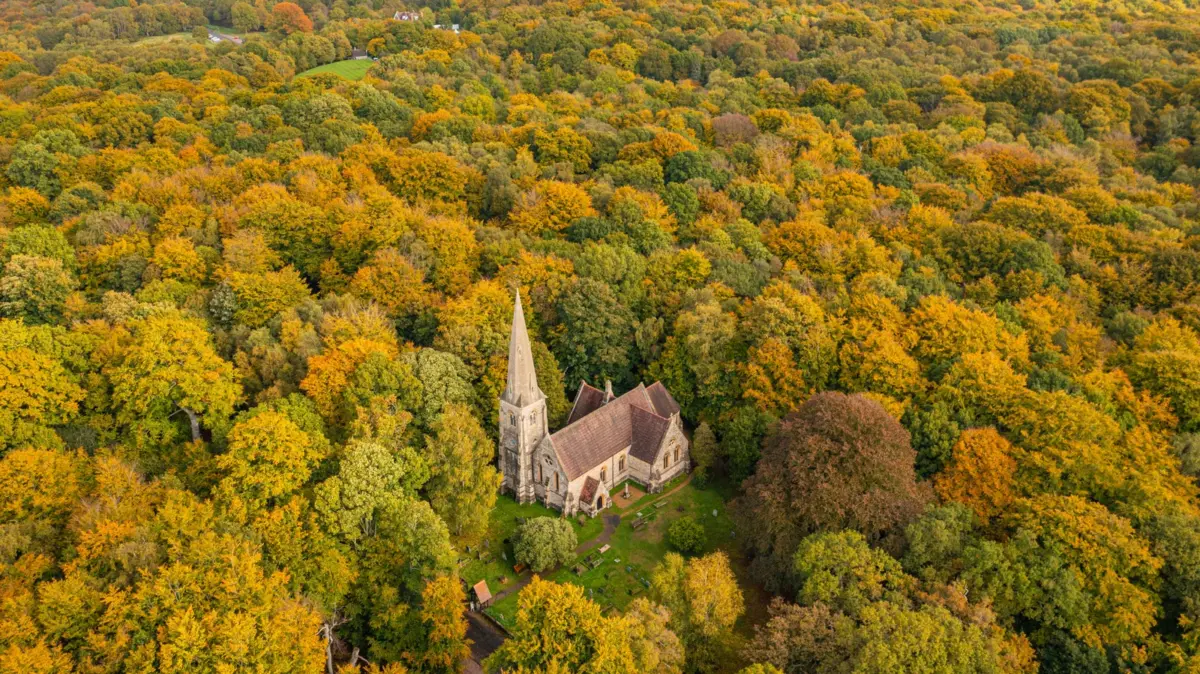
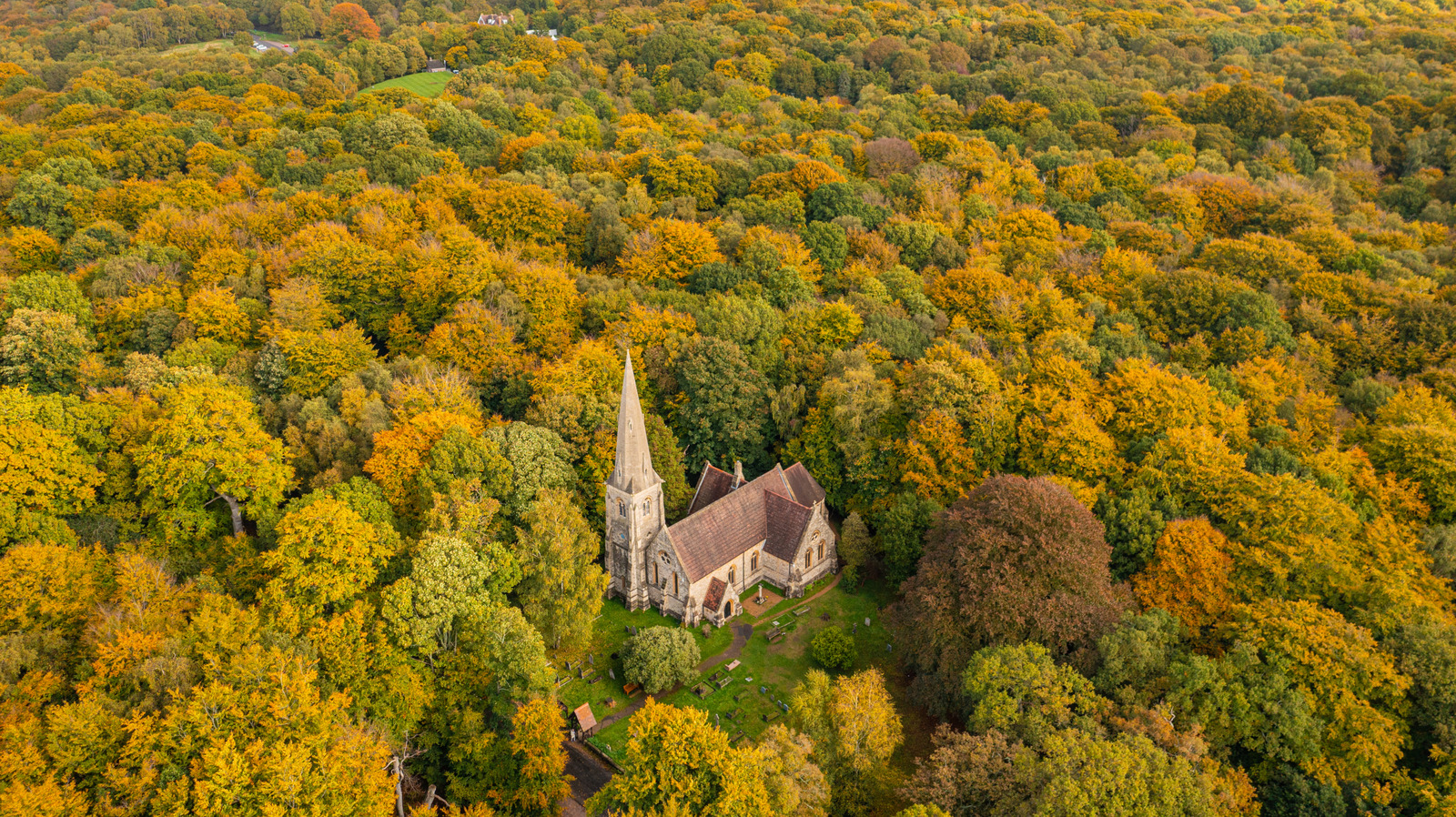
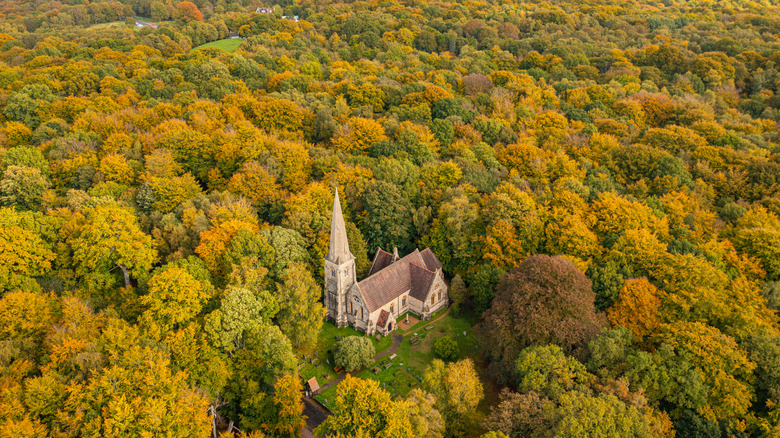
- Timing Your Visit: While the forest transforms into a canvas of rich russet and gold during autumn, travel authorities consistently recommend summer as the optimal time to experience the U.K.’s outdoor landscapes, offering the most reliable weather for hiking, cycling, and picnicking.
- Navigating Transport: Visitors utilizing the London Underground’s Central Line to reach stations like Epping or Loughton should carefully review ticketing zones and tap-in/tap-out regulations to avoid common fare payment pitfalls associated with cross-boundary travel into Essex.
- Exploring Waterways: Do not miss scenic hydrological spots like Strawberry Hill Pond, ideal for tranquil picnics among sweet chestnut trees, or Connaught Water, where anglers can cast a line during fishing season while observing herons, great crested grebes, and waterfowl.
- Family-Friendly Extensions: Travelers with children can easily expand their itinerary beyond the woods to visit the Redwings Horse Sanctuary in Ada Cole to meet rescued equines, take a riding lesson at High Beech Riding School, or interact with farm animals at the Lee Valley Animal Adventure Park in Waltham Abbey.
Epping Forest proves that nature and civilization do not need to exist in mutual exclusion. By fiercely protecting its ancient woodlands while welcoming modern explorers into its fold, this royal remnant remains one of Greater London’s most magnificent and enduring treasures.