






Executive Overview
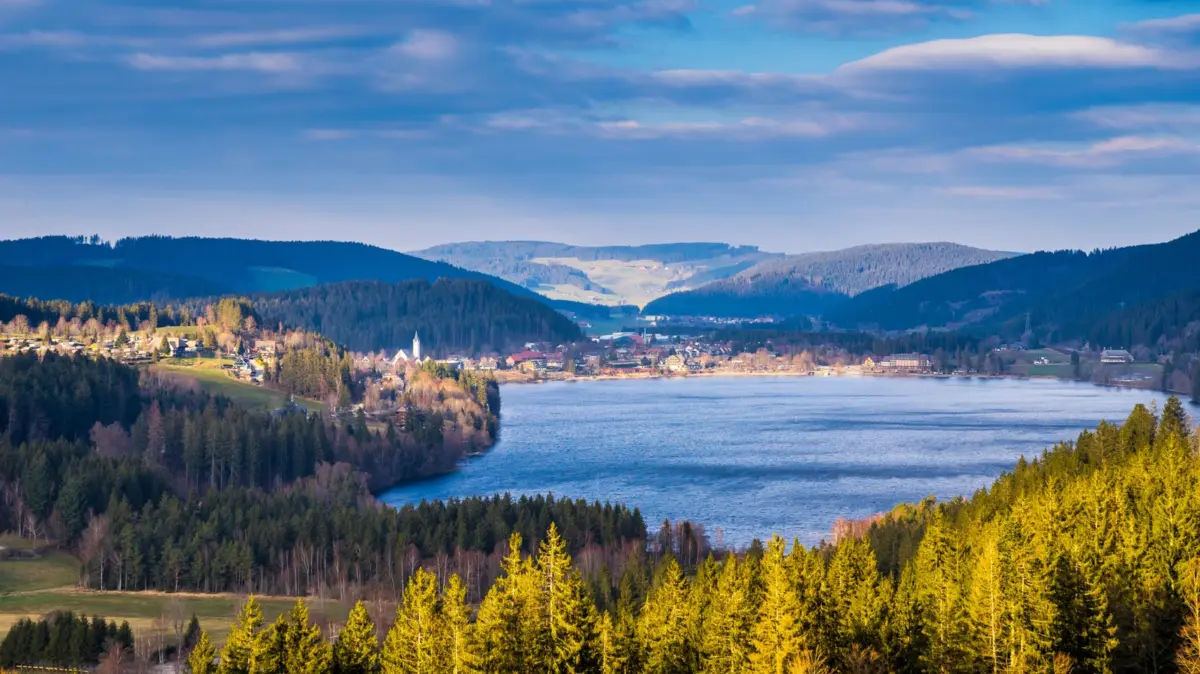
Tucked high within the rugged, undulating terrain of Germany’s legendary Black Forest lies an alpine jewel that effortlessly defies the traditional boundaries of a single vacation type. Lake Titisee—a pristine glacial basin cradled by emerald-green conifers and jagged mountain peaks—offers a multifaceted escape where rugged wilderness, therapeutic wellness, and rich cultural traditions converge. Located in the southern region of Baden-Württemberg, known locally as the Hochschwarzwald or High Black Forest, this scenic destination has evolved from a quiet geographical anomaly into one of Central Europe’s most revered retreats.
For centuries, travelers have journeyed to this region to seek solace in the deep shadows of the evergreen canopy, breathe the crisp, mineral-rich mountain air, and witness the interplay of light and water across a lake carved by ancient ice sheets. Today, Lake Titisee presents a balanced ecosystem of adventure and relaxation. Visitors can traverse miles of dense forest trails leading to panoramic viewpoints, plunge into refreshing glacial waters at sun-drenched bathing beaches, or wander through meticulously manicured spa gardens where classical melodies drift over the shoreline.
As modern travelers increasingly prioritize sustainable, nature-forward destinations that offer both mental rejuvenation and physical engagement, Lake Titisee stands out as a masterclass in destination versatility. Backed by world-class infrastructure, accessibility via high-speed regional rail, and an unwavering commitment to preserving its natural heritage, this alpine oasis remains an essential itinerary item for anyone exploring the heart of Germany.
Detailed Chronology: From Ancient Ice Age to Modern Sanctuary
To fully appreciate the striking geography of Lake Titisee, one must look far beyond human history, deep into the geological timeline of Central Europe.
The Ice Age Genesis (Pleistocene Epoch)
Millennia ago, during the height of the last Ice Age, the landscape of the southern Black Forest bore little resemblance to the serene postcard vistas seen today. The towering Feldberg massif—standing today at nearly 5,000 feet as the highest peak in the Black Forest—acted as a massive generator for alpine glaciation. A colossal tongue of ice carved its way relentlessly through the granite and sandstone bedrock, scouring out a deep basin. When the global climate warmed and the glacier finally retreated, it left behind a distinct glacial bowl. Fed by the pristine Seebach stream descending directly from the upper slopes of the Feldberg, this basin filled with crystal-clear water, giving birth to the body of water we now know as Lake Titisee.
The Foresters and Early Settlers
Long before tourism defined the region, the shores of Lake Titisee were dominated by dense, impenetrable primeval forests. The name Titisee itself has sparked centuries of linguistic debate and local folklore. While some historians trace the prefix "Titi" back to ancient Roman generals or early Germanic settlers, others link it to medieval dialects describing the dark, mysterious depths of the water (Tutti or Tethin). For generations, the economy of the High Black Forest was shaped not by leisure, but by survival and craftsmanship: forestry, timber-rafting down the regional rivers, charcoal burning, and the intricate art of clockmaking that put the Black Forest on the global map.
The Rise of the Tourism and Spa Era
As the 19th and early 20th centuries ushered in the Romantic era, artists, poets, and naturalists began to champion the therapeutic benefits of mountain landscapes. The construction of the Höllentalbahn (Hell Valley Railway) in the late 19th century revolutionized access to the southern Black Forest, suddenly connecting isolated mountain communities to Freiburg and the broader European rail network. Lake Titisee transformed rapidly from a remote timber-floating outpost into a fashionable lakeside resort.
Hotels, promenades, and traditional spa facilities—such as the historic Kurpark Titisee—were established to cater to travelers seeking the curative properties of mountain air and fresh water. Through the decades, the local tourism board and regional stakeholders carefully balanced infrastructural expansion with ecological preservation, ensuring that the lake retained its pristine allure even as international air travel and modern tourism transformed the global landscape.
Supporting Context & Metrics: Geography, Climate, and Accessibility
Understanding the mechanics of a destination requires examining the hard data that defines its environment, layout, and connectivity.
Geographical and Hydrological Profile
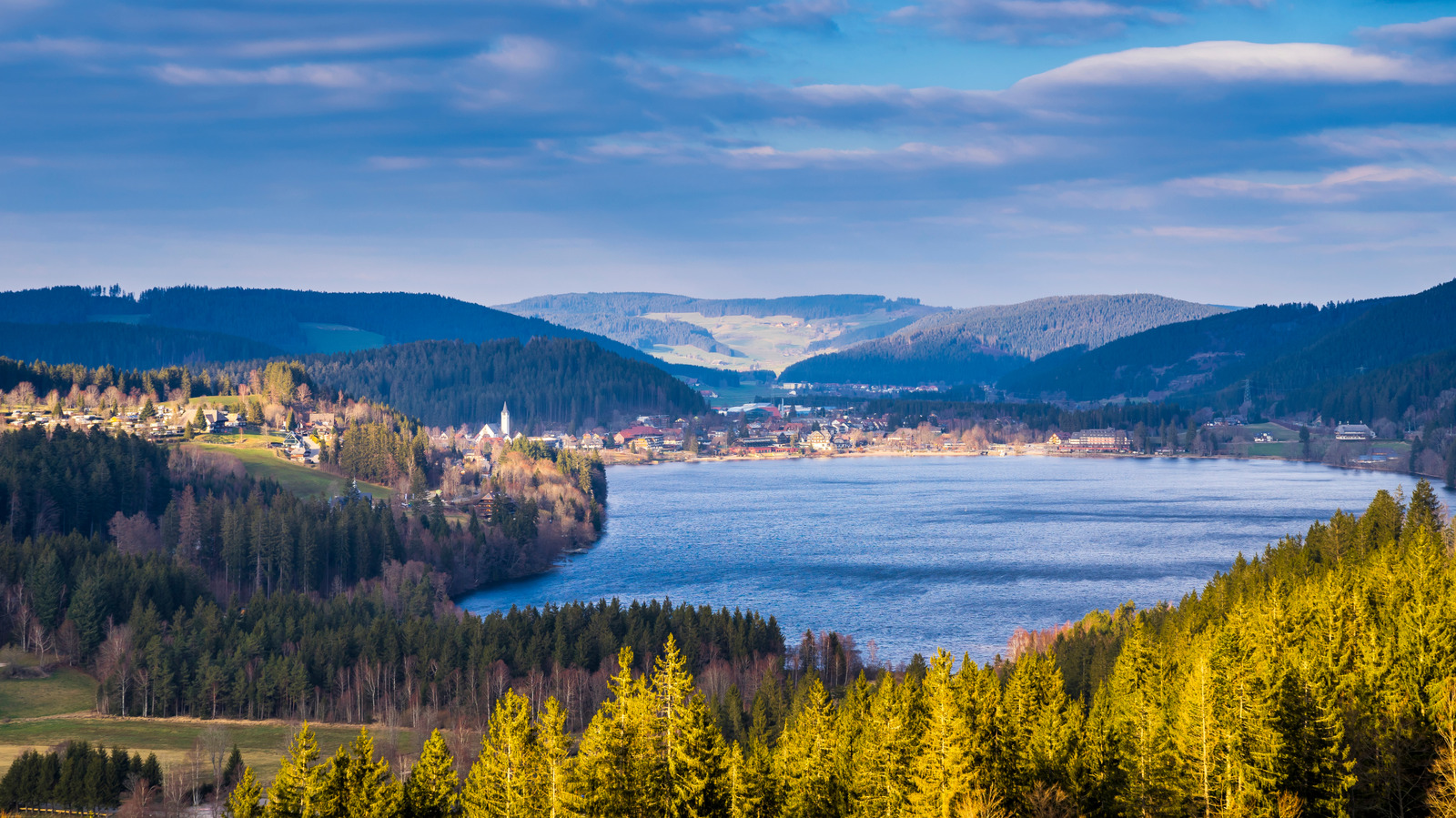
- Elevation: Approximately 840 meters (2,755 feet) above sea level, placing it firmly within the High Black Forest (Hochschwarzwald).
- Dimensions: Spanning an area of roughly 1.3 square kilometers (0.5 square miles), the lake reaches a maximum depth of approximately 20 meters (65 feet).
- Hydrology: The lake is primarily fed by the Seebach stream originating from the Feldberg region, ensuring a continuous influx of cold, highly oxygenated water that maintains the lake’s ecological health and water clarity.
- Surrounding Peaks: Dominated by the Feldberg massif (1,493 meters / 4,898 feet) to the southeast and the Hochfirst mountain (approx. 1,190 meters / 3,904 feet) to the west.
Accessibility and Transportation Networks
Lake Titisee boasts exceptional logistical integration, making it exceptionally friendly for both rail travelers and motorists:
- By Rail: Regular regional train services connect Freiburg im Breisgau to the Titisee railway station in under an hour, running through the dramatic engineering marvel of the Höllental gorge.
- By Air and Road: For international travelers, the EuroAirport Basel-Mulhouse-Freiburg is situated roughly a 1.5-hour drive away. Excellent Autobahn connections link Freiburg to major German hubs like Frankfurt and Stuttgart.
Climate and Seasonal Dynamics
The high-altitude setting ensures distinct seasonal experiences:
- Summer: Warm, pleasant days with temperatures averaging in the mid-20s Celsius (70s Fahrenheit), ideal for swimming, hiking, and open-air concerts in the spa gardens.
- Winter: A reliable snow cover transforms the Hochschwarzwald into a winter sports wonderland, offering cross-country skiing, snowshoeing along frozen forest trails, and festive atmosphere near the lake.
What to Do at Lake Titisee: A Comprehensive Guide to Activities
Whether you seek adrenaline-pumping trail hikes, serene open-water swims, or restorative wellness experiences, Lake Titisee offers an array of meticulously maintained attractions.
1. Swimming and Relaxation at Badestelle Titisee
The public bathing area, Badestelle Titisee, provides an idyllic setup for visitors looking to experience the lake firsthand. Featuring a well-manicured grassy shoreline where sunbathers can relax, the facility includes modern changing infrastructure, restroom amenities, beach chairs, and a lakeside kiosk.
While the designated non-swimmer zones cater to families, experienced swimmers frequently venture far beyond the marked buoys into the open, crystal-clear expanses of the lake. Free to the public, the bathing area operates officially from May through October, capturing the height of the Central European summer and early autumn.
2. Scenic Hiking: From Shoreline Circuits to Mountain Summits
The topography surrounding Lake Titisee is a hiker’s paradise, offering trails scaled to every level of physical endurance:
- The Titisee Lake Circuit: A gentle, highly accessible 3.6-mile trail that loops entirely around the deep-blue waters of the lake. While partially tracing local roadways, it opens up to continuous, uninterrupted vistas of the water with the looming silhouette of the Feldberg in the background.
- The Titisee to Hochfirst Loop: For a more strenuous physical challenge, hikers can tackle the 6.6-mile trail ascending to the summit of Hochfirst. Reaching heights of nearly 3,924 feet, the panoramic viewing tower at the summit rewards climbers with sweeping vistas across the Black Forest, the glittering lake below, and—on exceptionally clear days—the distant, snow-capped peaks of the Swiss Alps.
3. Wellness and Cultural Enrichment
Lake Titisee occupies a prestigious position within Germany’s world-renowned spa culture. Just a short distance from the lake sits Badeparadies Schwarzwald, one of Germany’s premier indoor wellness and entertainment complexes, featuring expansive palm-fringed thermal pools, saunas, and relaxation zones.
Back on the shores of the lake, Kurpark Titisee (the municipal spa garden) offers a masterclass in horticultural elegance. Paved pathways wind past indigenous flora, shaded benches, and open lawns designed for quiet contemplation. During the peak summer months, the park comes alive with cultural vitality, hosting regular open-air concerts featuring regional choirs, brass bands, and visiting international musicians, marrying natural acoustics with artistic expression.
Official Statements and Expert Perspectives
Regional tourism authorities and environmental stewards emphasize that the enduring appeal of Lake Titisee lies in its delicate balance between visitor accessibility and ecological preservation.
According to a representative from Hochschwarzwald Tourismus:
"Lake Titisee is more than just a body of water; it is the beating heart of our regional identity. The geological forces that formed this glacial basin left us with an extraordinary natural asset. Our primary mandate is to ensure that every visitor who walks our trails, swims in our waters, or sits in our spa gardens experiences the authentic, restorative power of the High Black Forest while actively participating in its preservation for future generations."
Local conservation experts also highlight the rigorous water-management protocols in place. Because the lake is fed directly by the Seebach stream and sustained by strict watershed protections across the Feldberg massif, water quality remains exceptionally high.
A local environmental liaison noted:
"The purity of Lake Titisee is a direct reflection of the health of the surrounding forest. When visitors respect the marked trails, utilize sustainable transit options like the Höllentalbahn, and respect our bathing regulations, they help us maintain a rare, fragile alpine equilibrium that is increasingly difficult to find in industrialized Western Europe."
Future Outlook: Sustainability, Tourism, and Conservation
As global travel patterns shift toward regional exploration and eco-conscious tourism, Lake Titisee faces both exciting opportunities and critical management challenges.
Managing Visitor Capacity
With millions of domestic and international travelers visiting the Black Forest annually, local municipalities and tourism boards are proactively implementing visitor-flow management strategies. Encouraging the use of public transportation—such as regional trains and electric shuttle buses—helps mitigate carbon emissions and roadway congestion around the fragile lake basin. Furthermore, initiatives promoting off-season travel (such as autumn foliage hikes and winter wellness retreats) help distribute tourist numbers more evenly throughout the calendar year, preventing summer overcrowding and reducing environmental stress on local flora and fauna.
Climate Resilience and Environmental Protection
Rising global temperatures present distinct challenges for alpine and sub-alpine regions. Maintaining the water levels and thermal stability of glacial lakes like Titisee requires continuous monitoring of feeder streams like the Seebach. Regional forestry departments are actively investing in climate-resilient mixed-wood reforestation projects, transitioning away from monoculture conifer plantations to build a more robust forest ecosystem capable of withstanding prolonged dry spells and pest pressures.
The Road Ahead
Lake Titisee’s future rests on its ability to honor its rich historical legacy as a traditional German spa and mountain sanctuary while boldly adopting modern sustainability standards. By prioritizing eco-friendly infrastructure, preserving its vibrant cultural traditions—from open-air concerts to artisan craftsmanship—and safeguarding its geological treasures, Lake Titisee will undoubtedly remain a timeless sanctuary of wellness, wilderness, and wonder for generations to come.