








Executive Overview
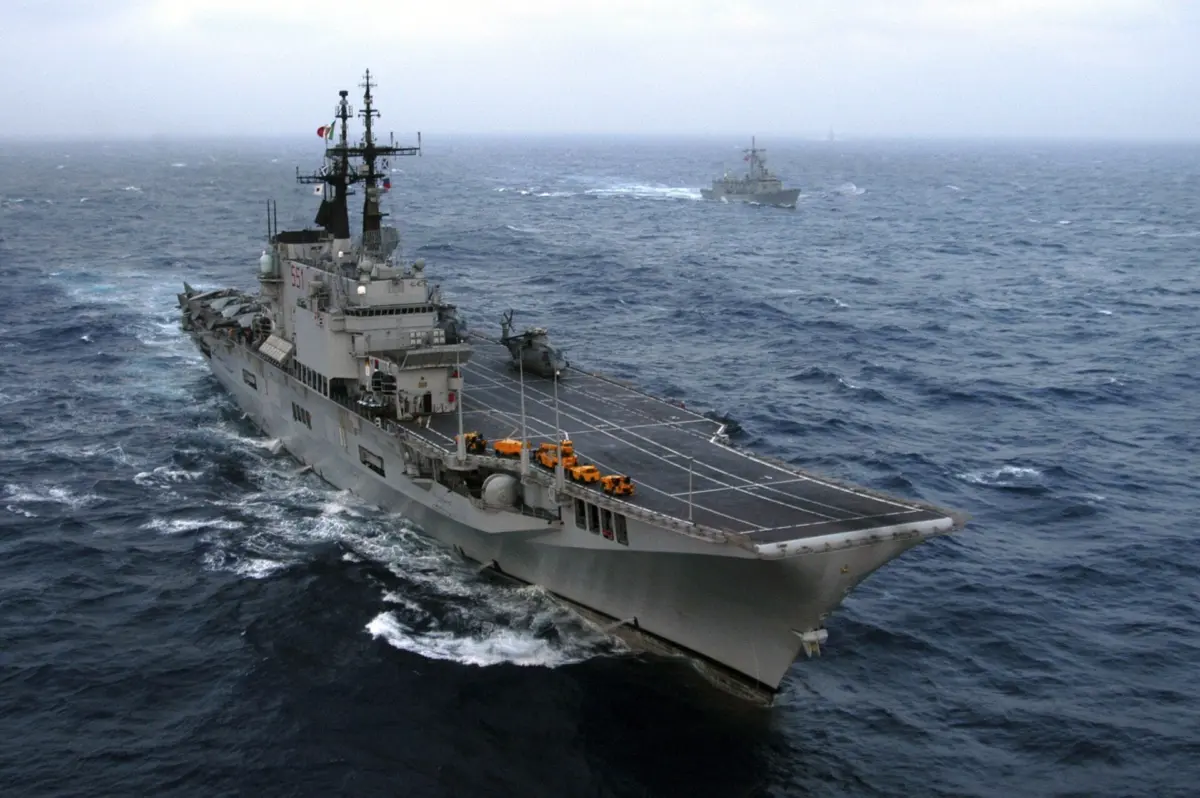
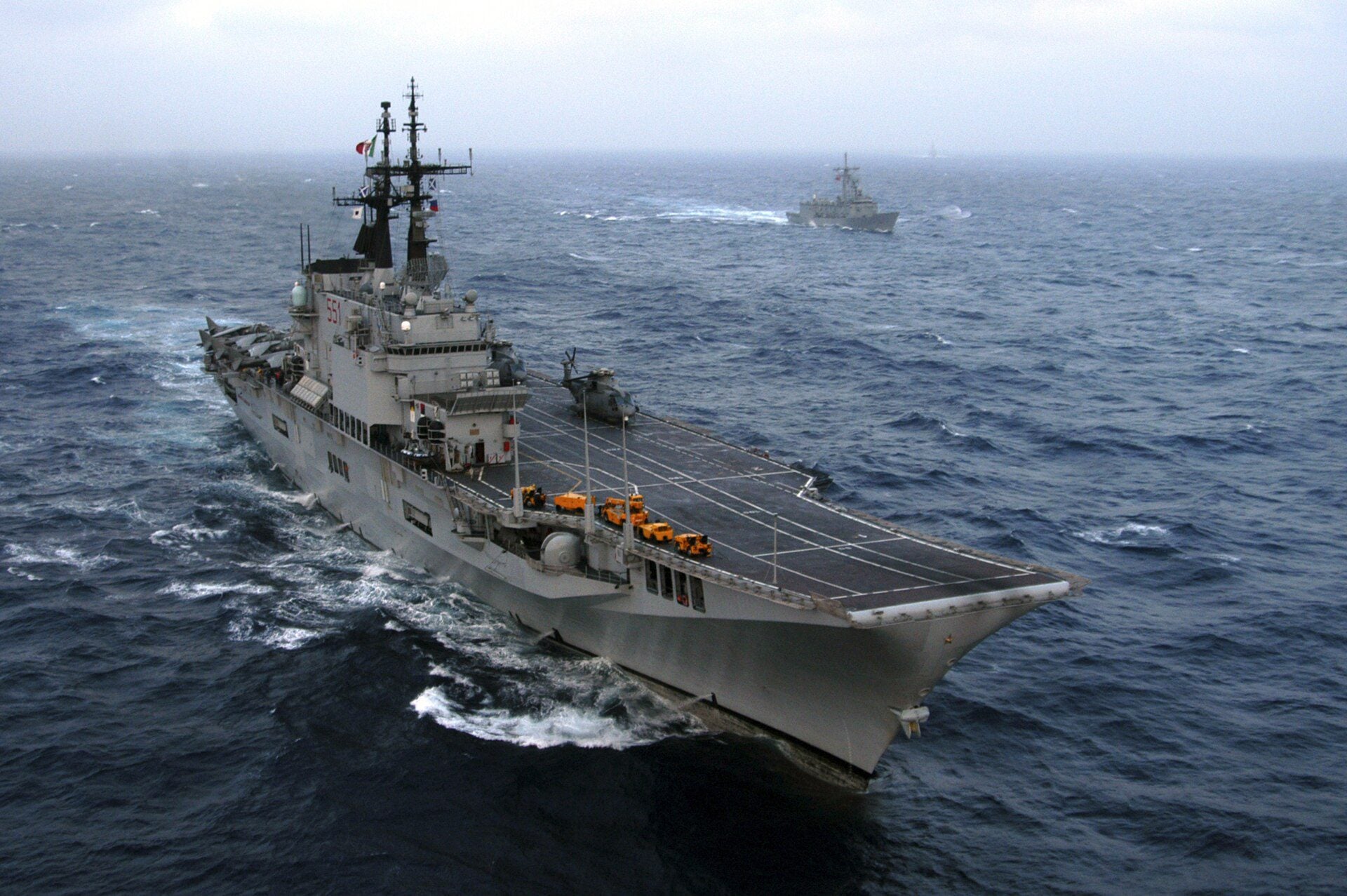
In a striking convergence of military pageantry, ecological crisis management, and geopolitical posturing, the retired Italian aircraft carrier Giuseppe Garibaldi arrived at Jakarta’s bustling Tanjung Priok port on Friday, September 18, 2026. Gifted to Indonesia by the Italian government free of charge, the 180-meter-long vessel is poised to become the archipelago nation’s first-ever aircraft carrier and only the second such capital ship in service within a Southeast Asian navy.
However, the ship’s slated "second act" is as unconventional as it is ambitious. Rather than projecting blue-water combat power in the contested waters of the South China Sea, the vessel is being prepared for a primary mission of ecological warfare: combating the catastrophic forest fires that seasonally choke Kalimantan and Sumatra.
While the acquisition is being hailed by the administration of President Prabowo Subianto as a landmark achievement in national defense modernization, defense analysts and economists warn of a looming fiscal trap. The hull may have been free, but transforming an technically obsolete, Cold War-era carrier into a modernized, tropicalized helicopter and drone hub could cost Jakarta between $450 million and $900 million. This comes at a time when the Indonesian government is under intense pressure to practice fiscal belt-tightening amidst a weakening rupiah.
The Giuseppe Garibaldi represents a high-stakes test of Indonesia’s maritime doctrine. It raises a pivotal question: can Jakarta successfully repurpose a decommissioned European relic into a practical disaster-response tool, or will the vessel become a multi-million-dollar "white elephant" in the tropical waters of Southeast Asia?
Detailed Chronology
From Cold War Sentinel to Humanitarian Asset
Laid down in 1981 and commissioned in 1985, the Giuseppe Garibaldi served as the flagship of the Italian Navy (Marina Militare) for decades. Designed primarily for anti-submarine warfare (ASW) and capable of launching Harrier Jump Jets, the carrier was a cornerstone of Italy’s Mediterranean defense strategy. Its operational history spans major NATO interventions, including combat deployments in Kosovo, Afghanistan, and Libya.
By the mid-2020s, however, the aging carrier had reached the end of its operational viability for Italy, superseded by the newer, larger Cavour and the amphibious assault ship Trieste. Faced with an annual maintenance bill of approximately €5 million ($5.5 million) just to keep the idle ship afloat, and an estimated dismantling and scrapping cost of at least €18.7 million ($20.7 million), Rome sought an alternative exit strategy.
[Italy: €5M/yr Upkeep & €18.7M Scrap Cost] ──(Transfer of Ownership)──> [Indonesia: $450M–$900M Retrofit Cost]The Transatlantic and Indian Ocean Transit
In mid-August 2026, after months of bilateral negotiations and the stripping of its offensive missile systems, the Garibaldi departed from its homeport in Italy. Under the control of a skeletal transit crew, the vessel embarked on a nearly four-week, 6,000-mile voyage through the Suez Canal, across the Indian Ocean, and into the Indonesian archipelago.

A Hero’s Welcome in Jakarta
On the morning of Friday, September 18, 2026, the carrier crossed into Indonesian territorial waters, where it was met with a massive display of naval hospitality. Two of the Indonesian Navy’s (Tentara Nasional Indonesia Angkatan Laut, or TNI-AL) newest, state-of-the-art frigates took up flanking positions as an escort. Overhead, two naval Panther helicopters and two maritime patrol aircraft performed low flyovers.
As the massive grey hull glided toward its berth at Tanjung Priok, a military brass band on the pier struck up the traditional Betawi folk tune Si Jali-Jali. Upon docking, the atmosphere shifted to a unique blend of international relations and military fanfare; newly appointed Defense Minister Sjafrie Sjamsoeddin and senior TNI-AL officers boarded the vessel for a formal inspection while the strains of the Italian anti-fascist anthem Bella Ciao and the global pop hit Despacito drifted across the harbor.
Next Steps: Handover and Renaming
The official, formal handover and reflagging ceremony is scheduled for September 24, 2026. Following this event, the ship will be officially renamed the KRI Sriwijaya, in honor of the powerful 7th-to-11th century Sumatra-based maritime empire that once dominated the sea lanes of Southeast Asia. In October, the carrier is slated to serve as the centerpiece of the TNI’s high-profile military anniversary parade before heading to the state-owned shipyard PT PAL in Surabaya for its initial structural assessment.
Supporting Context & Technical Metrics
The Vessel: Technical Specifications
| Parameter | Specification (As Built) | Planned Indonesian Configuration (KRI Sriwijaya) |
|---|---|---|
| Length | 180 meters (590 feet) | 180 meters |
| Beam | 30.4 meters | 30.4 meters |
| Displacement | 14,000 tons (fully loaded) | ~14,000 tons |
| Propulsion | 4 × General Electric/Avio LM2500 gas turbines | Retained (Overhauled for tropical operations) |
| Aviation Capacity | Up to 18 helicopters or 16 Harrier AV-8B STOVL jets | 10–12 heavy/medium helicopters & UAVs |
| Primary Weaponry | Otobreda guns, Aster-15 SAMs, Tesio SSMs | None (Stripped prior to transfer; defensive systems pending) |
| Primary Mission | Fleet flagship, Anti-Submarine Warfare | Humanitarian Assistance, Disaster Relief (HADR) & Firefighting |
The Firefighting Calculus: Feasibility vs. Geography
Using a 14,000-ton aircraft carrier to fight forest fires is an unprecedented operational concept. Typically, aerial firefighting relies on land-based tankers or helicopters drawing water from local lakes and rivers.
The Indonesian plan hinges on utilizing the KRI Sriwijaya as a highly mobile, offshore aviation base stationed off the coast of Kalimantan (Borneo) and Sumatra during the dry season. The carrier’s flight deck will host water-bombing helicopters (such as the Mil Mi-17 and Eurocopter AS332 Super Puma) and specialized unmanned aerial vehicles (UAVs) equipped with thermal imaging to map fire boundaries through heavy smoke.
                  ┌────────────────────────┐
                  │   KRI SRIWIJAYA        │
                  │   (Offshore Base)      │
                  └───────────┬────────────┘
                              │
                    Helicopter Fuel & Water
                              │
                              ▼
                  ┌────────────────────────┐
                  │   Coastal Fire Zone    │ (Highly Efficient)
                  └───────────┬────────────┘
                              │
                    Increased Fuel Burn
                              │
                              ▼
                  ┌────────────────────────┐
                  │   Inland Fire Zone     │ (Diminishing Returns)
                  └────────────────────────┘
However, maritime security experts point out geographical limitations:
- Coastal vs. Inland Reach: While the carrier is an excellent force multiplier for fires within 50–100 kilometers of the coast, its utility drops sharply for fires deep in the interior of Borneo. Helicopters operating from the ship would burn valuable fuel just transiting to the fire zones, reducing their actual water-dropping time.
- Water Source Limitations: Helicopters cannot easily use corrosive salt water to fight peatland fires, as it ruins the soil chemistry and damages the aircraft’s internal components. Consequently, helicopters must still find freshwater sources inland or rely on complex freshwater storage systems aboard the carrier.
The Financial Equation: The "Free" Ship Dilemma
The transfer of the Garibaldi highlights a classic dilemma in defense procurement: the hidden costs of secondhand military hardware. While Italy successfully offloaded a significant financial liability, Indonesia has taken on a project with massive capital expenditure requirements.
- Foreign Borrowing Cap: The Indonesian government has authorized up to $450 million in foreign loans to fund the carrier’s initial acquisition, transport, and basic integration.
- The Retrofit Reality: According to estimates published by the state news agency Antara, the comprehensive cost to modernize, tropicalize, and equip the carrier could reach $900 million.
- Tropicalization Challenges: European warships are designed for cooler climates. Operating the Garibaldi in the humid, high-salinity waters of the Java Sea requires extensive overhauls of the ship’s HVAC (heating, ventilation, and air conditioning) systems, auxiliary cooling units, and hull coatings to prevent rapid corrosion and engine overheating.
Official Statements
The Government and Military Perspective
Indonesian officials have carefully framed the acquisition as a dual-use asset, emphasizing its humanitarian capabilities while quietly leaving the door open for future combat integration.
Defense Minister Sjafrie Sjamsoeddin emphasized the humanitarian imperative during his initial inspection of the vessel:
"This vessel represents a new chapter in our national resilience. The KRI Sriwijaya will not just be a tool of defense, but a shield against the ecological disasters that threaten our people and our economy year after year. It is a floating command center for humanity."
Navy Chief Admiral Muhammad Ali detailed the upcoming retrofitting process and addressed the ship’s long-term operational viability:
"Our state shipbuilder, PT PAL, will lead the modernization program in close cooperation with Italy’s Fincantieri. The focus is on tropicalization and adapting the flight deck for our current helicopter fleet and future drone assets. We expect to keep this ship in service for another 15 to 20 years, operating out of our strategic southern base in Lampung."
Addressing defense analysts who question how the TNI-AL will protect a capital ship without dedicated destroyers, Admiral Ali remained pragmatic:
"In wartime, our modern frigates are more than capable of providing air defense and anti-submarine escorts. Destroyers can come later. For now, our priority is establishing the operational doctrine for carrier operations."
Independent Strategic Analysis
Independent analysts view the acquisition with a mix of skepticism and cautious optimism.
Joseph Kristanto, a research analyst with the Maritime Security Programme at the S. Rajaratnam School of International Studies (RSIS) in Singapore, warned against viewing the carrier as a silver bullet for firefighting:
"Operationally, the Garibaldi is plausible as a mobile aviation hub, but geography dictates its utility. If the fires are deep inland in Central Kalimantan, the logistical strain of flying helicopters from a ship at sea becomes counterproductive. It should be viewed as a complementary asset to land bases, not a replacement."
Yusuf Rendy Manilet, strategic research manager at the Jakarta-based think tank CORE Indonesia, focused on the fiscal pressure:
"The rupiah is under pressure, and the market is watching President Prabowo’s fiscal discipline very closely. Acquiring a ship for free does not eliminate the massive operational and maintenance costs. The real test is not buying or receiving the KRI Sriwijaya, but whether the state budget can sustain its operations over the next two decades without starving other vital naval programs."
Nicholas Lim, a former Republic of Singapore Navy officer and current senior fellow at RSIS, noted the symbolic value:
"For Indonesia, owning an aircraft carrier is a major badge of honor and a clear signal of its regional ambitions. However, turning this into a true combat-ready carrier strike group is a decades-long endeavor. It requires specialized fixed-wing aircraft, extensive pilot training, sophisticated command-and-control systems, and a highly coordinated fleet doctrine. For the foreseeable future, she will remain a helicopter carrier."
Future Outlook
The Shadow of the Chakri Naruebet
As Indonesia embarks on its aircraft carrier journey, it does so under the shadow of a regional precedent: Thailand’s HTMS Chakri Naruebet. Commissioned in 1997, Thailand’s carrier was also designed for V/STOL aircraft and intended partly for search-and-rescue and disaster relief.
However, due to the 1997 Asian Financial Crisis and subsequent budget cuts, the Thai Navy was forced to decommission its AV-8S Matador Harrier fleet. Today, the Chakri Naruebet rarely leaves port, often referred to by critics as the world’s largest royal yacht.
┌────────────────────────────────────────────────────────────────────────┐
│                      THE TWO CARRIERS OF ASEAN                         │
├───────────────────────────────┬────────────────────────────────────────┤
│ HTMS Chakri Naruebet (THA)     │ KRI Sriwijaya (IDN)                    │
├───────────────────────────────┼────────────────────────────────────────┤
│ • Commissioned: 1997          │ • Acquired: 2026 (Built 1985)          │
│ • Status: Mostly inactive     │ • Status: Entering refit phase         │
│ • Challenge: Budget deficits  │ • Challenge: Tropicalization & costs   │
└───────────────────────────────┴────────────────────────────────────────┘
Indonesia’s challenge will be to avoid a similar fate. Jakarta must prove that the KRI Sriwijaya can maintain a high operational tempo and deliver tangible value during the annual burning seasons.
The Broader Defense Deal Matrix
The "free" transfer of the Garibaldi does not exist in a vacuum. It is deeply intertwined with Italy’s broader defense diplomacy in Southeast Asia. Italian defense conglomerate Fincantieri and aerospace giant Leonardo view the transfer as a powerful relationship-builder that could unlock lucrative procurement contracts.
According to Italian parliamentary documents, several major procurement deals are currently being discussed or finalized between Rome and Jakarta:
- DRASS Midget Submarines: A projected €480 million contract for six DGK midget submarines, highly suited for shallow-water operations in the Indonesian archipelago.
- Leonardo M-346 Fighter Trainers: Jakarta has already signed a contract for 12 Leonardo M-346F Block 20 aircraft, valued at approximately €600 million.
- Maritime Patrol Aircraft: Ongoing negotiations for three specialized maritime patrol aircraft valued at €450 million.
While there is no formal quid pro quo linking these purchases directly to the Garibaldi gift, the carrier transfer has undoubtedly cemented Italy’s position as a preferred defense partner for Jakarta.
Conclusion: The Road to Surabaya and Lampung
The immediate future of the KRI Sriwijaya will be written in the dry docks of Surabaya. Over the next 12 to 24 months, engineers from PT PAL and Fincantieri will peel back the layers of the 40-year-old ship to determine the true scope of the work required.
If President Prabowo’s administration can successfully navigate the fiscal tightrope, the KRI Sriwijaya could emerge as a highly visible, globally unique asset—a former warship repurposed to fight the ecological ravages of climate change. If they fail, the ship risks becoming a cautionary tale of defense procurement: a free gift that cost the nation far more than it could afford to spend.