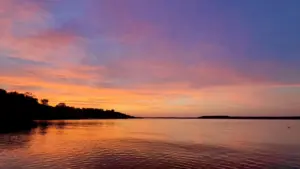
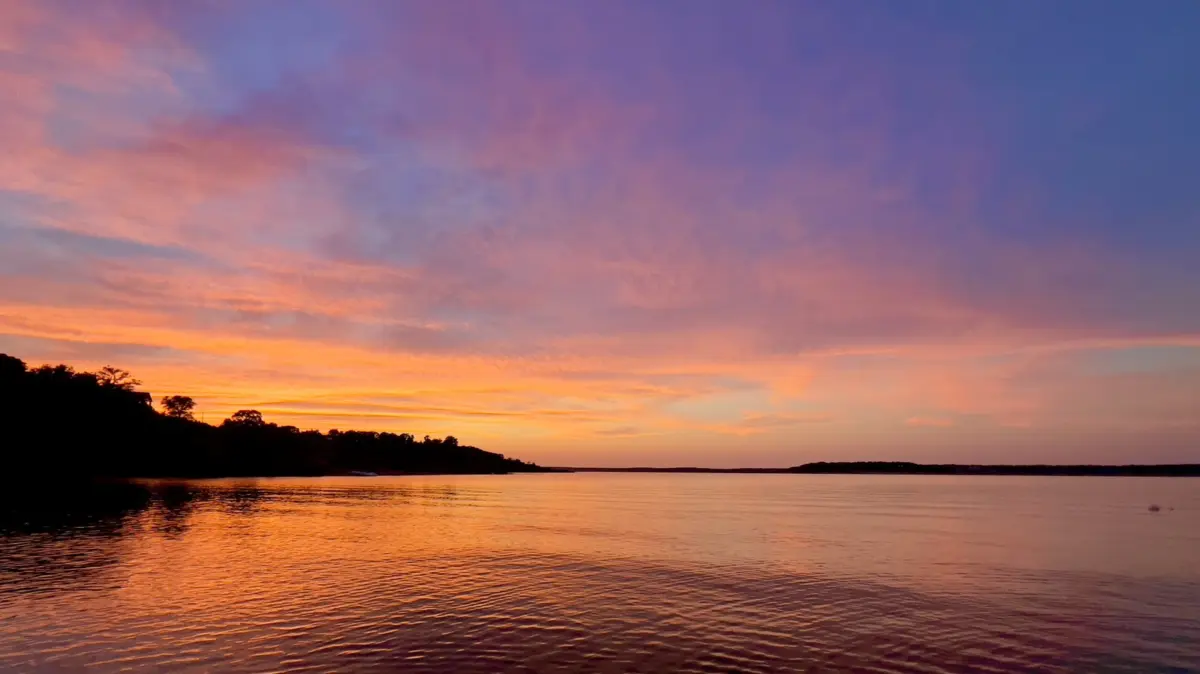
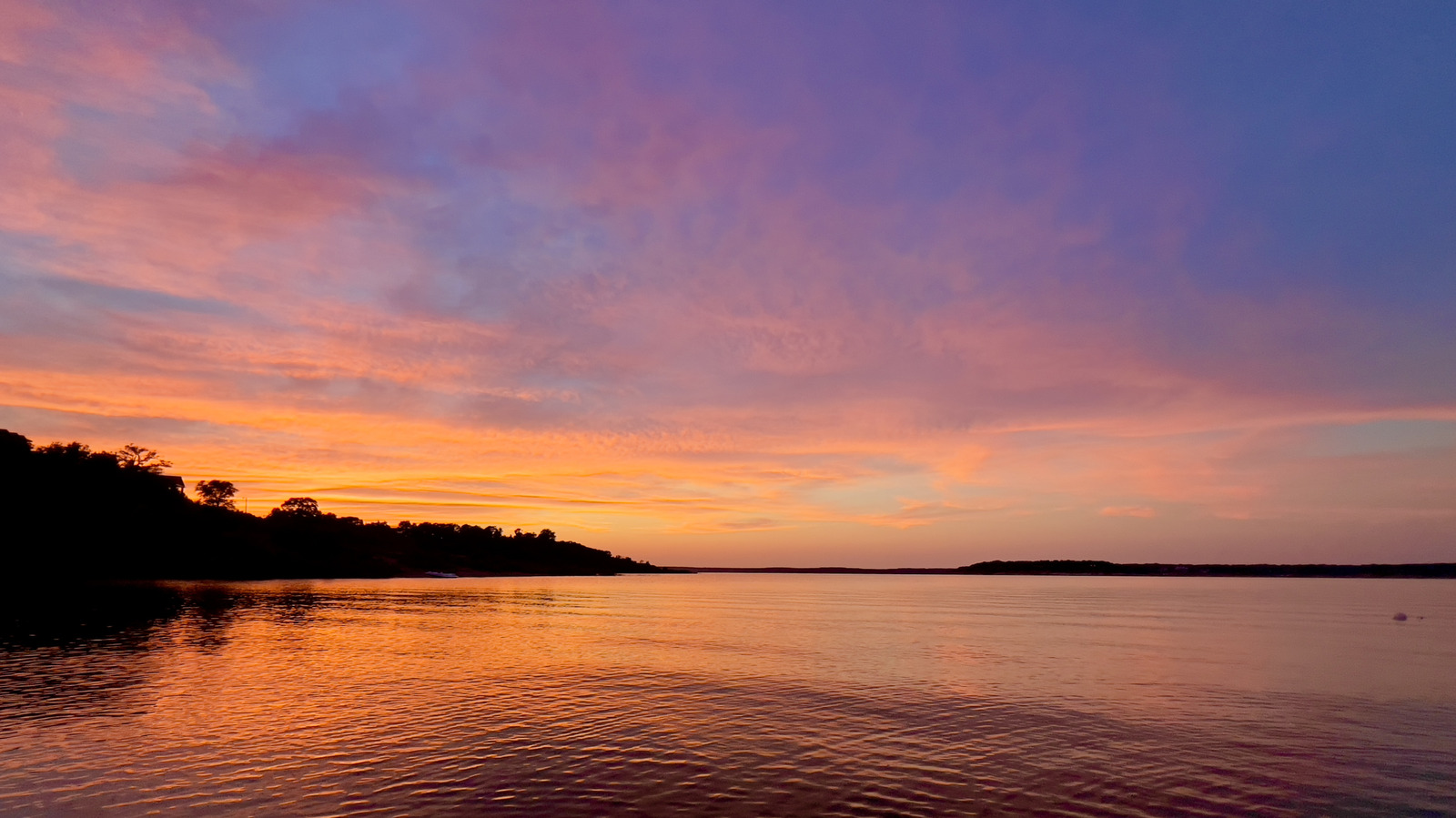
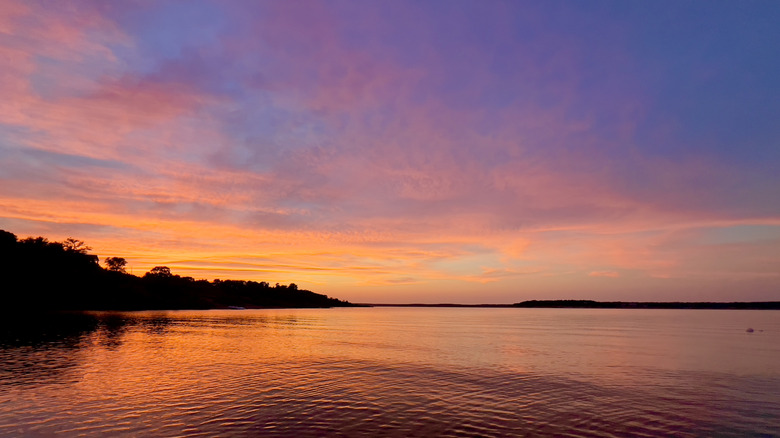
Nestled within the rugged terrain of Central Texas, the stretch of land and water resting comfortably between the vibrant metropolitan hubs of Austin and Waco has long been celebrated for its striking natural contrasts. Characterized by weathered limestone cliffs, rolling prairies, winding rivers, and expansive bodies of fresh water, this geographic corridor offers an idyllic escape for outdoor enthusiasts. At the heart of this regional playground lies Belton Lake—a 12,000-acre aquatic paradise that serves as a cornerstone for local recreation, ecological preservation, and economic vitality.
Along the eastern shore of this sprawling reservoir sits Cedar Ridge Park, widely regarded as the crown jewel of the U.S. Army Corps of Engineers’ (USACE) recreational portfolio in the area. Combining modern infrastructure with untouched wilderness vistas, Cedar Ridge Park provides an exceptional habitat for a diverse array of gamefish, a bustling hub for watercraft enthusiasts, and a top-tier campground featuring 76 fully equipped RV and tent sites. As urban centers like Austin and Waco continue to experience unprecedented population booms, destinations like Cedar Ridge Park and Belton Lake have transitioned from quiet local secrets into vital regional assets, balancing the demands of modern tourism with the preservation of Lone Star State wilderness.
Detailed Chronology: From the Leon River to a Modern Recreational Sanctuary
The story of Belton Lake and Cedar Ridge Park is one of deliberate engineering meeting natural topography, transforming a volatile river system into a stable aquatic and recreational resource.
Long before the creation of the modern lake, the Leon River carved its path through the Central Texas limestone, sustaining indigenous populations and, later, 19th-century agrarian settlers. The river valley was prone to dramatic seasonal fluctuations—shifting rapidly from devastating flash floods during heavy spring rains to stagnant, low-flow conditions during the scorching Texas summers. These climatic extremes limited the region’s agricultural potential and posed constant risks to local infrastructure, necessitating comprehensive federal water management interventions.
1954: The Engineering of Belton Dam and Lake
The turning point for the region arrived in 1954 with the completion of the Belton Dam, a massive flood-control and water-conservation project spearheaded by the U.S. Army Corps of Engineers. By damming the Leon River a few miles north of the historic town of Belton, federal engineers effectively harnessed the watershed.
The resulting reservoir fundamentally altered the local ecosystem and human geography. Covering more than 12,000 surface acres at normal pool elevation, the lake was engineered with an intentionally irregular shape. Rather than a uniform basin, Belton Lake features meandering turns, countless deep-water arms, hidden branches, and sheltered coves. This complex shoreline topography—spanning miles of perimeter—ensured that the reservoir felt exponentially larger than its surface acreage implied, creating diverse micro-environments ideally suited for fish habitation, aquatic vegetation, and secluded recreational coves.
Development of Regional Parks and Cedar Ridge
Following the impoundment of the lake, the U.S. Army Corps of Engineers assumed stewardship over the surrounding shoreline, establishing a network of public parks designed to grant civilian access to the newly formed water body. Among the half-dozen developed campgrounds created along the lake’s perimeter, Cedar Ridge Park—situated strategically on a prominent cove along the eastern shore—emerged as a focal point for investment.
Over the decades, the USACE systematically upgraded Cedar Ridge Park, transitioning it from a rudimentary fishing camp into a sophisticated recreational facility. The installation of comprehensive electrical and water hookups, paving of access roads, construction of a full-service marina, and the integration of modern sanitary and day-use amenities transformed the park into a premier destination for travelers traversing the Interstate 35 corridor.
Supporting Context & Metrics: Geography, Infrastructure, and Ecosystems
To fully appreciate the scope of Cedar Ridge Park and Belton Lake, one must examine the quantitative metrics and ecological factors that drive its popularity.
Infrastructure and Facility Metrics
Total Surface Area: Over 12,000 acres of open water at normal conservation pool levels.
Shoreline Complexity: Dozens of miles of irregular shoreline featuring hidden coves, limestone bluffs, and gradual sloping banks.
Campsite Capacity: 76 individual RV and tent sites at Cedar Ridge Park, all fully outfitted with utility hookups.
Group Accommodations: One dedicated group camping site complemented by two large group pavilions for private gatherings and community events.
Park Amenities: Full-service marina, multi-lane boat ramp, designated swim beach, central activities building, modern playgrounds, and courtesy boat docks.
Belton Lake boasts a nationally recognized fishery, carefully managed to support robust populations of native and stocked gamefish. The ecological diversity of the lake is directly tied to its varied bottom contours, fluctuating depths, and submerged structure:
Largemouth and Smallmouth Bass: Highly sought after by sport anglers, particularly within the protective confines of Cedar Creek Cove near Cedar Ridge Park. Spring and fall transitions bring these species close to shorelines and rocky drop-offs.
Hybrid Striped Bass and White Bass: Thriving in the open pelagic zones of the main lake body. During the annual spring spawning run, massive concentrations of white bass ascend the inflowing rivers and creeks, creating world-class angling opportunities stretching toward Mother Neff State Park.
Panfish and Catfish: Blue, channel, and flathead catfish maintain healthy populations throughout the deeper river channels and submerged timber fields.
Accessibility and Regional Positioning
Located squarely within Bell County, Cedar Ridge Park acts as a geographic nexus. Accessible primarily via Interstate 35, travelers from Austin drive approximately 60 to 75 miles north, while visitors from Waco travel roughly 45 miles south to reach Temple, the nearest major commercial hub. While the Waco Regional Airport provides regional air service, Austin-Bergstrom International Airport offers comprehensive domestic and international connections less than two hours away by car.
Official Statements and Institutional Perspectives
Federal and regional authorities have long emphasized the dual mandate of Belton Lake: pragmatic flood mitigation paired with accessible public recreation.
U.S. Army Corps of Engineers Stewardship
Representatives from the Fort Worth District of the U.S. Army Corps of Engineers frequently highlight the delicate balance required to manage multi-purpose federal reservoirs. According to USACE regional recreation planners:
"Belton Lake was constructed first and foremost to protect downstream communities from the violent floodwaters characteristic of the Leon River basin. However, the legislation authorizing these monumental civil works projects wisely recognized the intrinsic value of water-based recreation and fish habitat preservation. Cedar Ridge Park stands as a testament to this balanced mission—providing modern families with world-class amenities while safeguarding the natural integrity of the Central Texas landscape."
Regional Tourism and Economic Development
Local municipal leaders in Temple and Belton view parks like Cedar Ridge not only as natural escapes but as vital economic drivers. Chambers of commerce across Bell County note an annual influx of ecotourists, anglers, and weekend campers who patronize local dining establishments, historic downtowns, and retail centers.
A spokesperson for the regional tourism board remarked:
"The corridor between Austin and Waco is undergoing explosive urban growth. Natural refuges like Belton Lake provide a necessary psychological and physical reset for residents. Cedar Ridge Park bridges the gap between rugged outdoor adventure and comfortable modern camping, making the region an exceptionally attractive destination for visitors seeking authentic Texan landscapes without sacrificing convenience."
Future Outlook: Sustainability, Conservation, and Managing Growth
As Central Texas solidifies its status as one of the fastest-growing demographic regions in the United States, the future management of Cedar Ridge Park and Belton Lake faces unique challenges and opportunities.
Balancing Conservation with Recreational Demand
The primary challenge facing the U.S. Army Corps of Engineers and local stakeholders in the coming decades will be mitigating the environmental impact of increased visitation. High-density urban migration from Austin, Dallas, and San Antonio has placed unprecedented weekend demand on Central Texas waterways. To preserve the water quality of Belton Lake and the pristine condition of Cedar Ridge Park’s terrestrial habitats, land managers are increasingly focusing on sustainable infrastructure practices, waste reduction initiatives, and educational programming regarding Leave No Trace principles.
Infrastructure Modernization and Climate Resilience
Climate volatility in Texas—marked by alternating cycles of severe drought and intense, localized flooding—requires adaptive management of the Belton Dam and its surrounding shorelines. Future infrastructure investments at Cedar Ridge Park are slated to focus on climate-resilient dock installations, erosion control along limestone bluffs, and upgraded water conservation utilities to support the park’s 76 campsites during peak summer occupancy.
Expanding Recreational Access
Plans are also underway to evaluate the expansion of non-motorized trail networks and paddle-craft launch facilities. Recognizing the surging popularity of kayaking, paddleboarding, and shoreline hiking, park planners aim to reduce user conflict between high-speed motorized watercraft and slow-paced human-powered explorers, ensuring that Cedar Ridge Park remains a harmonious, multi-use sanctuary for generations of Texans to come.