








Executive Overview
Nestled precisely halfway between the bustling metropolis of London and the historic majesty of Edinburgh lies York, an English city where centuries of layered history seamlessly converge with a vibrant, modern lifestyle. Steeped in a legacy that stretches back to the Roman Empire and pulses with the echoes of Viking conquest, York has evolved into one of the United Kingdom’s most prized cultural and architectural destinations. Boasting more than 2,000 officially listed historic buildings—ranging from late-12th-century Norman structures to timber-framed medieval marvels—the city offers an immersive, highly walkable urban landscape that captivates millions of travelers each year.
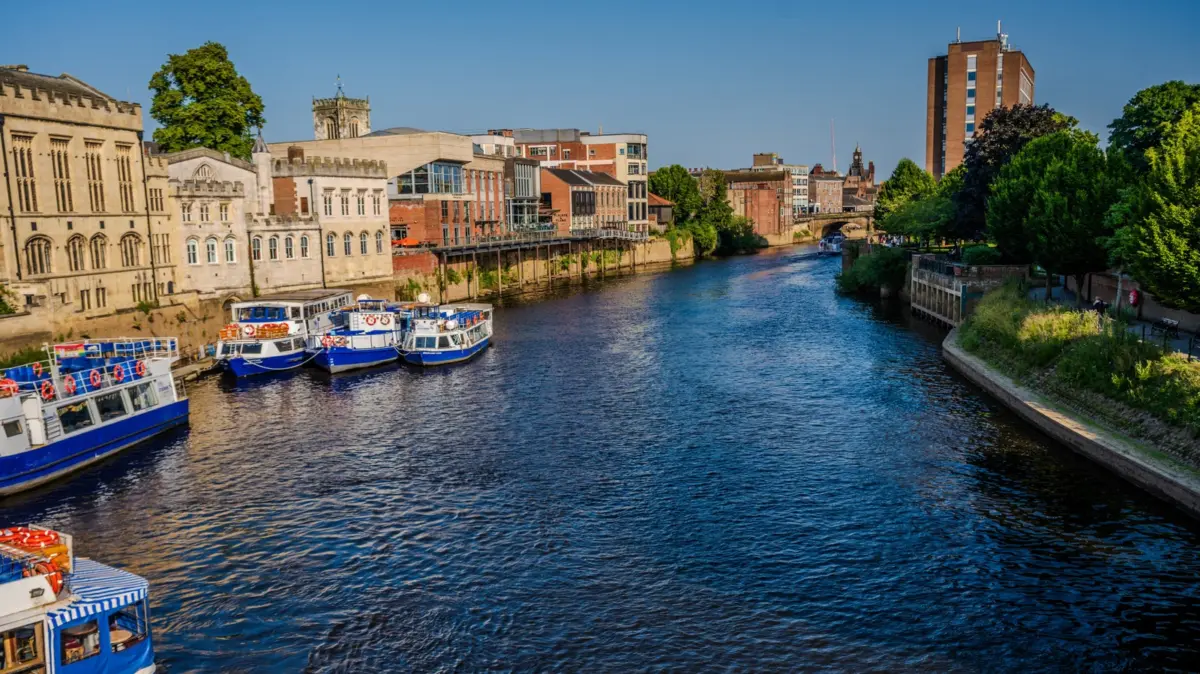
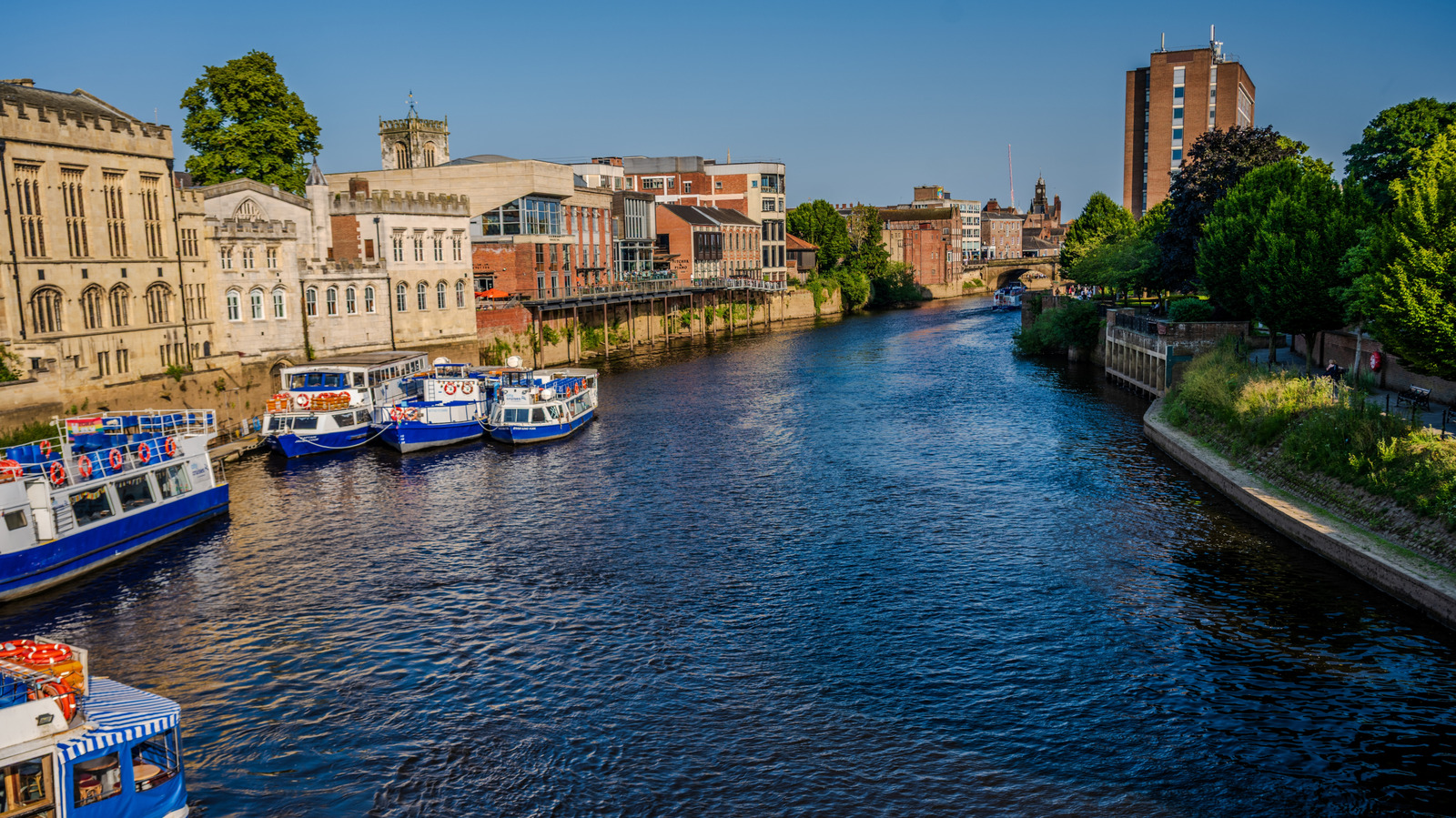
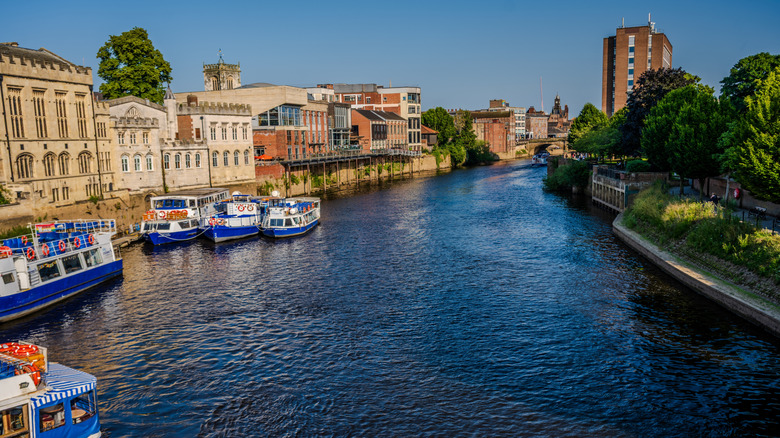
Beyond its physical beauty, characterized by the winding River Ouse and sprawling green spaces like St. Nicks Nature Reserve and Walmgate Stray, York is celebrated for its thriving independent retail scene, legendary ghost lore, and the awe-inspiring grandeur of York Minster. Easily accessible from major international transportation hubs, the city serves as an ideal nexus for both domestic and international tourists seeking a quintessential British experience. This report examines York’s unique positioning, architectural treasures, vibrant commercial markets, and its enduring allure as a premier European travel destination.
Detailed Chronology and Historical Evolution
The historical narrative of York—known historically as Eboracum under the Romans and Jórvík under the Vikings—is a sprawling epic spanning nearly two millennia. Understanding the city’s contemporary charm requires tracing its remarkable architectural and cultural evolution across successive eras of British history.

The Roman and Saxon Foundations
York’s strategic location along major waterways made it a prime staging ground for Roman legions. Founded in 71 AD, Eboracum quickly rose to prominence as the capital of Britannia Inferior and served as a crucial imperial seat where emperors such as Constantine the Great were proclaimed. As Roman influence waned, the settlement transitioned into the Anglo-Saxon kingdom of Eoforwic, a bustling ecclesiastical and trading hub.
The spiritual lineage of the city was permanently altered in 627 AD with the construction of a humble wooden structure hastily erected for the baptism of King Edwin of Northumbria. This initial sanctuary laid the foundational footprint for what would eventually become one of the greatest Gothic cathedrals in Northern Europe.
Viking Rule and the Norman Conquest
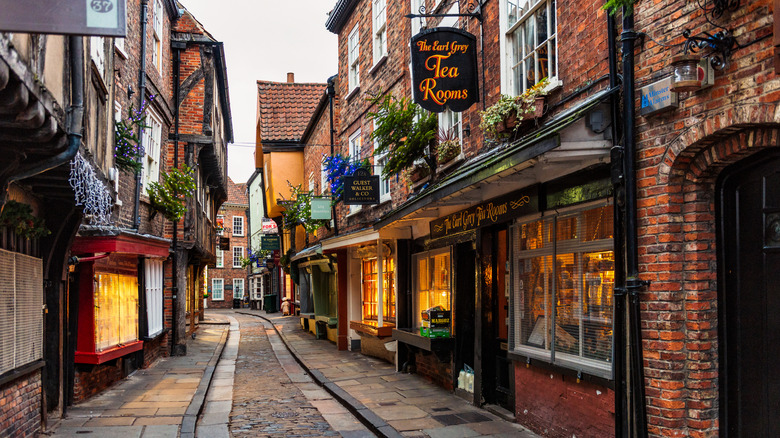
During the late 9th century, Viking forces captured the city, renaming it Jórvík and establishing a flourishing Norse kingdom that left an indelible mark on the local culture, language, and urban layout. Narrow, twisting thoroughfares such as The Shambles still retain the organic, pedestrian-focused footprints of this medieval and pre-medieval era.
However, the city’s architectural landscape faced existential threats during the Norman Conquest. In 1069, during William the Conqueror’s brutal pacification campaign known as the "Harrying of the North," much of York, including its Saxon cathedral, was systematically reduced to ashes. Out of the ashes rose new stone fortifications, medieval walls that still encircle the historic core, and the precursors to the city’s myriad ancient buildings—the oldest surviving domestic dwelling being the Norman House, dating back to the late 12th century.
Centuries of Resilience
Through subsequent centuries, York endured fires, civil wars, and the socio-economic shifts of the Industrial Revolution, managing to preserve its medieval integrity while adapting to modern commerce. Today, this rich chronology is preserved not merely in textbooks, but within the very stones of the city’s streets, cathedrals, and museums, providing visitors with a tactile, living museum experience.
Supporting Context, Accessibility, and Urban Metrics
Geographic Positioning and Seamless Connectivity
One of York’s greatest modern assets is its enviable geographic placement. Situated equidistant between London and Edinburgh, the city acts as a natural crossroads for travelers exploring the length of Great Britain.
- Air Travel Access: International visitors arriving via Leeds Bradford Airport (LBA) can complete the eastward journey to York in under an hour by car, or utilize efficient bus and rail links via nearby Horsforth. For those landing at London Heathrow (LHR), the drive takes approximately four hours northward, though high-speed rail connections offer a swift and stress-free alternative.
- Rail Networks: The primary East Coast Main Line connecting London King’s Cross to Edinburgh Waverley features a direct stop at York, rendering car rentals entirely optional for urban explorers. Trains depart frequently, bringing central London within a two-hour transit window.
Urban Architecture and Green Spaces
York’s commitment to pedestrianization and historic preservation makes it one of the most walkable cities in Europe. With over 2,000 listed individual historic buildings tightly clustered within the ancient city walls, visitors can traverse centuries of design within a short afternoon stroll.
This dense urban core is expertly balanced by vast, accessible green networks:
- St. Nicks Nature Reserve: A lush, urban oasis and award-winning green space that remains open year-round, offering sanctuary to local wildlife and tranquil walking trails for residents and tourists alike.
- Walmgate Stray: Expansive open pastureland that preserves the city’s historical grazing rights while providing uninterrupted vistas of the surrounding countryside.
Commerce, Culture, and Unique Retail Landscapes
The commercial heart of York beats with an eccentric rhythm, blending traditional open-air commerce with specialized, whimsical retail experiences that have earned the city global renown.
The Shambles: A Medieval Marvel
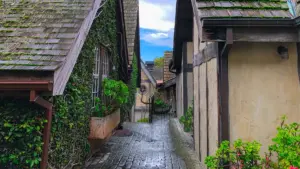
No exploration of York is complete without traversing The Shambles, a remarkably well-preserved medieval street flanked by 14th-century timber-framed buildings that literally lean out toward one another over the cobblestone pathway. Historically a street of butchers’ shops, today The Shambles is globally famous for its uncanny resemblance to Diagon Alley from the Harry Potter film franchise.
Local business owners have embraced this magical aesthetic with enthusiasm. Establishments such as The Shop That Must Not Be Named cater to fans with an extensive array of Wizarding World memorabilia, while The Society of Alchemists offers artisanal bath and body products wrapped in fantastical packaging. Because of its remarkably dark, winding alleyways and ancient timber structures, York has earned the reputation of being among the most haunted cities in Europe, adding an atmospheric thrill to evening ghost walks.
Shambles Market and Independent Boutiques
Directly adjacent to the famous shopping street lies Shambles Market, York’s oldest open-air marketplace. Here, a dynamic collective of independent merchants offers everything from fresh local produce and artisan crafts to apparel and bespoke home goods. The surrounding open-air food court serves an eclectic mix of international street food, including fresh bagels and artisanal noodle bowls.
Beyond the main tourist corridors, York’s independent retail ecosystem thrives across various niches:
- Sore Thumb Retro Games: A haven for collectors and nostalgia-seekers, stocking vintage console games, classic toys, and legacy electronics.
- Earworm Records: An independent vinyl record shop where audiophiles can unearth rare musical gems.
- The Minster Gate Bookshop: A bibliophile’s dream, specializing in antiquarian, hard-to-find, and specialized literary volumes.
- The Cat Gallery: A dedicated specialty store celebrating all things feline, drawing cat enthusiasts from around the globe.
During the winter season, these commercial districts transform to host the York Christmas Festival, an annual event widely recognized as one of the finest holiday markets in the world.
Architectural Majesty: The Saga of York Minster
Standing as the crowning architectural jewel of the city, York Minster is a masterpiece of Gothic architecture that rivals any ecclesiastical structure in the United Kingdom. Its towering spires, intricate stone carvings, and soaring stained-glass windows command the skyline and draw architecture enthusiasts from across the globe.
Evolution of a Sacred Monument
The history of the Minster mirrors the turbulent history of the city itself. From its origins as a humble wooden chapel in 627 AD, the site evolved through successive Saxon stone iterations before suffering catastrophic destruction during the Norman incursions of the 11th century. The current Gothic structure was constructed incrementally over several centuries, beginning in the 13th century, resulting in a harmonious yet complex blend of Early English, Decorated, and Perpendicular Gothic styles.
Visitor Experience and the Undercroft Museum
Today, York Minster operates not only as a functioning house of worship—where services remain free of charge to the public—but also as a world-class cultural institution. Visitors can secure various ticket packages to ascend the central tower for panoramic views of the city or explore the vast nave and transepts.
Beneath the cathedral floor lies the Undercroft Museum, celebrated as the only accredited museum housed directly within an English cathedral. This subterranean space bridges millennia of history, displaying artifacts ranging from Roman fortress foundations and Viking-era relics to illuminated medieval manuscripts and 15th-century texts. Through these exhibitions, visitors gain a profound appreciation for the spiritual and cultural resilience embedded in York’s foundations.
Future Outlook
As global tourism trends increasingly favor destinations that combine deep historical authenticity with high walkability, environmental sustainability, and vibrant local commerce, York is exceptionally well-positioned for the decades ahead. City planners and preservation authorities continue to balance the demands of modern tourism with the rigorous protection of the city’s 2,000+ historic structures.
Initiatives aimed at enhancing pedestrian zones, expanding green infrastructure, and supporting independent local merchants ensure that York will maintain its status as a living, breathing community rather than a static open-air museum. Whether travelers are drawn by the wizarding allure of The Shambles, the architectural splendor of York Minster, or its strategic position along the London-Edinburgh corridor, York remains an essential pillar of British cultural heritage—a city where every cobblestone tells a story, and every visitor becomes part of an ongoing historical continuum.