









Executive Overview
For generations, the cultural narrative of American retirement has pointed relentlessly south. Sun-drenched shores in Florida, desert golf communities in Arizona, and crowded coastal enclaves in the Carolinas have long dominated the aspirations of seniors seeking their golden years’ sanctuary. Yet, a growing demographic of retirees is seeking an alternative to multi-story condominiums, gridlocked traffic, and unrelenting, oppressive humidity. They are looking for tranquility, natural beauty, authentic community, and a slower pace of life.
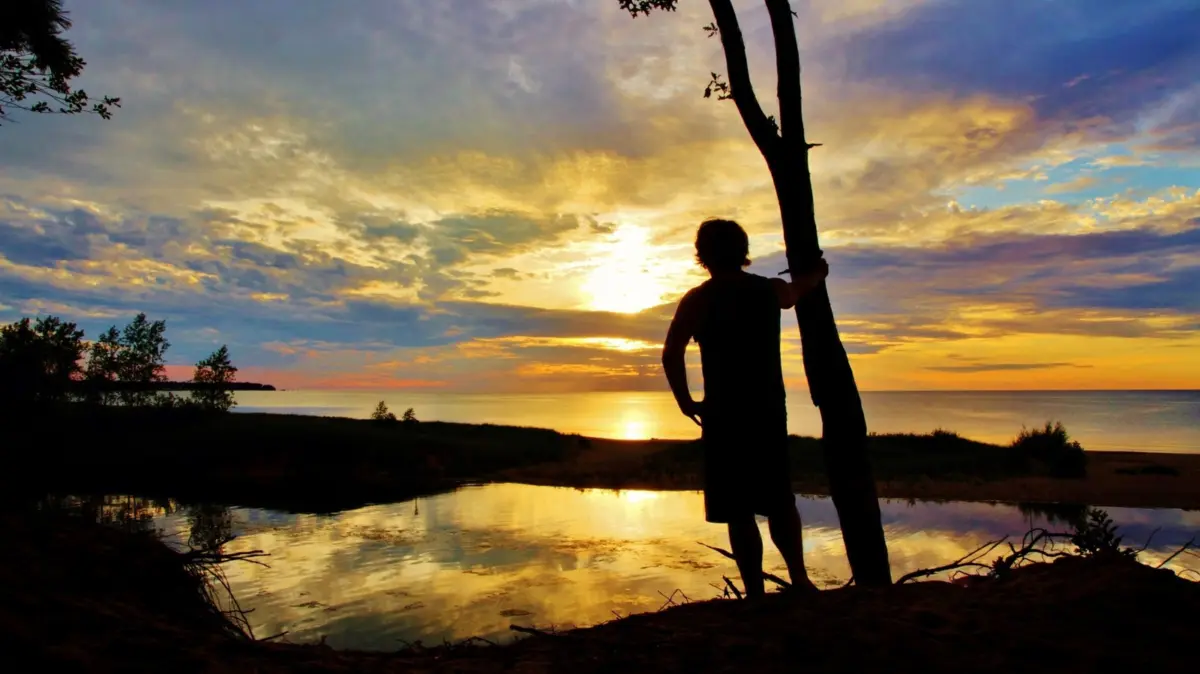
Tucked away on the edge of Lake Huron, occupying the distinctive tip of Michigan’s famous "Thumb" region, lies Huron County. Approximately two and a half hours north of Detroit, this largely rural and suburban enclave is quietly emerging as one of the Midwest’s best-kept secrets for retirees. Recent recognition by prominent data and lifestyle rankings—including a coveted spot on Stacker’s best counties to retire to in Michigan and a top-20 ranking by Niche—has thrust this peaceful geographic pocket into the national spotlight.
Boasting roughly 93 miles of freshwater coastline, pristine state parks, historic lighthouses, and a tight-knit community where roughly 30% of the population is aged 65 and older, Huron County offers a compelling proposition. It trades the artificial glitz of traditional retirement resorts for a grounded, scenic, and deeply rewarding way of life. However, life on the "Thumb" is not without its trade-offs. While summers feature comfortable highs under 80 degrees Fahrenheit, winters demand resilience against heavy lake-effect snowfall and gray skies. For those willing to embrace the rhythm of all four seasons, Huron County delivers an unmatched blend of small-town charm, outdoor recreation, and genuine camaraderie.
Detailed Chronology: The Evolution of Michigan’s "Thumb" as a Retirement Destination
To understand how Huron County transformed from a quiet agricultural and maritime region into a celebrated retirement haven, one must look at its historical development and the gradual shift in modern demographic trends.
19th Century Roots: Maritime and Agricultural Beginnings
Long before retirees discovered its sandy shores, Huron County was forged by the hands of lumberjacks, commercial fishermen, and immigrant farmers. During the mid-to-late 1800s, the region’s dense pine forests fueled a booming timber industry, while its fertile soil laid the groundwork for vast agricultural expanses. Maritime commerce thrived along Lake Huron, necessitating navigational aids like the historic Pointe Aux Barques Lighthouse, constructed in 1848 in present-day Port Hope. As the timber trade eventually receded, agriculture and small-scale tourism anchored the local economy, establishing the quiet, rural character that defines the county today.
The Late 20th Century: The Rise of Seasonal Tourism
Through the latter half of the 20th century, towns like Port Austin and Caseville gained reputations as premier summer getaway spots for urbanites fleeing Detroit and Flint. Cottages dotted the shoreline, and sportfishing drew enthusiasts from across the Midwest. While these communities bustled between Memorial Day and Labor Day, they traditionally emptied out during the harsh winter months, maintaining a low year-round population density.
The 2010s to Present: The Senior Migration and Modern Recognition
Over the past decade, a profound demographic shift has occurred. Driven by a national wave of aging Baby Boomers seeking affordable cost-of-living alternatives, low crime rates, and natural beauty, Huron County’s permanent senior population has steadily expanded. Real estate developments have pivoted toward accommodating retirees looking for accessible single-story homes, proximity to healthcare facilities, and active community programming.

This grassroots migration culminated in recent institutional recognition. By the mid-2020s, aggregate data analysis platforms like Niche and Stacker formally evaluated the county’s healthcare access, housing affordability, safety, and recreational infrastructure, landing Huron County squarely on prestigious state-level best-retirement lists. Today, the region stands as a mature, welcoming sanctuary for older adults who prioritize community connection and natural splendor over urban congestion.
Supporting Context & Metrics: Demographics, Geography, and Infrastructure
A granular look at the data reveals why Huron County consistently scores well in retirement livability indexes. Far from being an isolated wilderness, the county combines rural peace with targeted infrastructure designed to support an aging population.
Demographic Breakdown and Census Insights
According to the United States Census Bureau’s recent population estimates, Huron County maintains a total population of approximately 30,530 residents. Crucially, roughly 30% of this population is aged 65 and older—a percentage significantly higher than the national average. This demographic weight ensures that local municipal planning, community organizations, and healthcare networks are heavily attuned to the needs of seniors.
Geographic Real Estate and Accessibility
Geographically, the county is characterized by expansive farmland, quiet country roads, and dramatic freshwater coastlines. While picturesque villages like Port Austin and Caseville feature walkable downtown districts filled with historic architecture and local shops, the broader county is largely car-dependent.
To bridge the mobility gap for older residents who may eventually surrender their car keys, organizations like Thumb Area Transit operate specialized services. They provide wheelchair-accessible, door-to-door public transportation throughout the county, ensuring that seniors can independently access medical appointments, grocery stores, and social gatherings.
Natural and Recreational Assets
Huron County’s physical environment is arguably its greatest asset for retirees seeking an active, outdoor lifestyle:
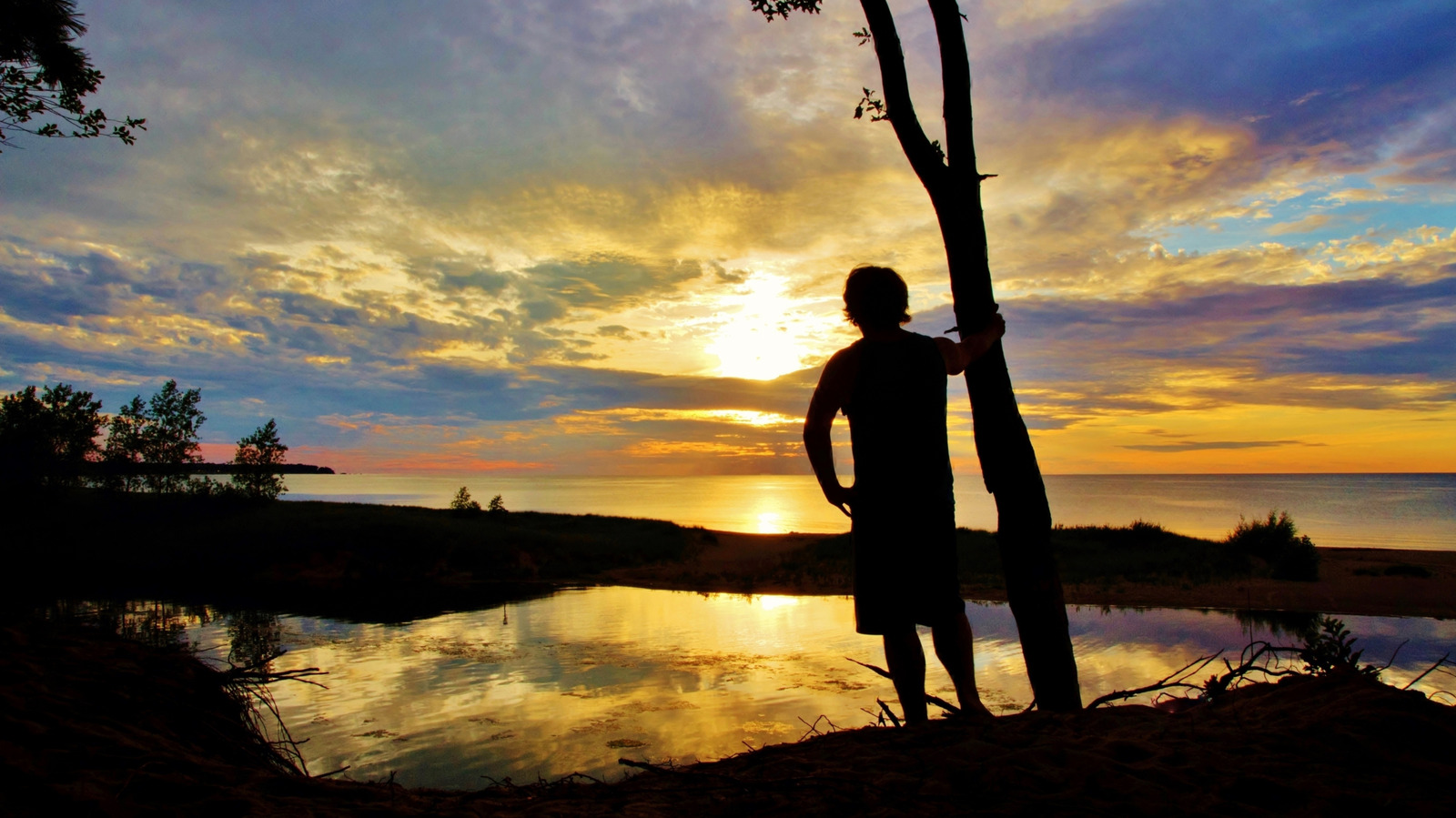
- Shoreline Access: The county features 93 miles of Lake Huron coastline. While portions are privately owned, a robust network of county and state parks guarantees public access to sandy beaches and rocky outcroppings.
- Dark Sky Preservation: Port Crescent State Park is officially designated as a dark sky preserve, offering residents unpolluted night-sky viewing alongside shore fishing, paddling, and specialized beach wheelchairs for visitors with mobility challenges.
- Accessible Trails: Albert E. Sleeper State Park complements these offerings with modern trail systems equipped with off-road track chairs, ensuring that nature remains accessible to all physical capabilities.
- Iconic Landmarks: From the towering stone structure of Turnip Rock off the coast of Port Austin to the historic 1848 Pointe Aux Barques Lighthouse, the region offers endless opportunities for low-impact exploration and photography.
Official Statements and Local Perspectives
The true measure of any community cannot be captured in census data or topographic maps alone; it lives in the voices of those who govern, serve, and inhabit the region. Local leaders and community members offer profound insights into the fabric of Huron County life.
Fostering Social Connection
Social isolation is one of the most significant health risks facing modern retirees. In Huron County, municipal and community leaders have actively engineered spaces to combat this challenge. A central pillar of this effort is the Huron County Senior Center in Bad Axe, which serves as a vibrant hub for residents over 60.
Addressing the vital role of community programs, former Bad Axe City Councilman Dan Glaza, speaking to the Huron Daily Tribune, emphasized the psychological and emotional value of local initiatives:
"The lunches at the center provide seniors in the area a much-needed sense of community and a place where they know they’ll see people who care about them."
Daily activities ranging from line dancing and poker tournaments to organized bingo nights ensure that newcomers quickly transition from unfamiliar faces to cherished neighbors. Furthermore, large-scale annual traditions—such as the wildly popular Cheeseburger Festival in Caseville and the bustling Port Austin Farmers Market—inject vibrant energy into the local calendar, bridging the gap between seasonal visitors and year-round residents.
The Reality of Small-Town Paces
While local officials champion the area’s warm hospitality, residents maintain a pragmatic view of rural Midwestern living. Community discussions across regional forums frequently highlight the dichotomy between the tranquil summers and the demanding winters.
Long-term inhabitants often note that while the absence of fast-paced urban stress is liberating, prospective retirees must possess self-reliance. As one local resident observed on community planning boards:
"There is a quiet dignity to the pace here. You don’t come to Huron County to be entertained every minute of the day; you come here to breathe, to know your neighbors by name, and to find peace by the water."
Future Outlook: Challenges and Opportunities for Aging in Place
As Huron County looks toward the future, its trajectory as a premier retirement destination hinges on balancing growth with the preservation of its rural charm. Several key factors will shape the landscape for incoming seniors over the coming decade.
1. Healthcare Expansion and Specialized Care
With nearly a third of its population past retirement age, the demand for specialized geriatric care, assisted living infrastructure, and localized medical facilities will continue to intensify. Local healthcare providers are continually evaluating capacity to ensure that as the resident population ages in place, advanced medical needs can be met close to home without requiring lengthy trips down toward Detroit or Saginaw.
2. Navigating Climate and Seasonal Challenges
While Huron County offers an idyllic climate during the spring, summer, and autumn months—with summer daytime highs consistently staying comfortably below 80 degrees Fahrenheit—the winter months present formidable hurdles. The region averages several feet of lake-effect snowfall annually.
For future retirees, planning for winter resilience is paramount. Municipal snow removal efficiency, home insulation standards, and community support systems for clearing driveways and managing icy walkways will remain critical priorities for local governance. Furthermore, addressing the psychological impact of winter’s gray, overcast days through indoor community programming will be essential to maintaining residents’ overall well-being.
3. Sustainable Development vs. Preservation
The influx of retirees seeking freshwater waterfront property creates a delicate economic and ecological balancing act. Protecting Lake Huron’s water quality, maintaining the integrity of state-managed dark-sky preserves, and managing shoreline development will determine whether Huron County retains the pristine, hidden-gem quality that drew its residents there in the first place.
Conclusion
Huron County, Michigan, offers a compelling counter-narrative to the standard retirement playbook. For seniors willing to trade tropical heat for crisp freshwater breezes, and urban convenience for tight-knit rural community spirit, the "Thumb" region stands out as an exceptional choice. Backed by top-tier retirement rankings, accessible public transit, rich local history, and a landscape defined by lighthouses and sandy shores, Huron County proves that the golden years can be defined just as easily by quiet walks along Lake Huron as they are by crowded southern beaches.