









Executive Overview
Nestled along the industrial edge of the Buffalo Harbor in western New York lies a masterclass in urban ecological reclamation: the Tifft Nature Preserve. Spanning 264 acres of verdant woodlands, cattail marshes, and serene artificial lakes, this protected sanctuary presents visitors with an immersive wilderness experience. Yet, beneath the dense canopies where birds nest and white-tailed deer roam, the land holds a complex, heavy industrial legacy. For decades, this site served as an unregulated dumping ground for heavy machinery waste, industrial slag, and toxic factory byproducts.
Today, Tifft Nature Preserve stands as a shining testament to environmental persistence and the arduous, multi-decade process of Superfund remediation. While iconic regional landmarks like Niagara Falls and world-renowned culinary exports like Buffalo chicken wings frequently dominate travel itineraries, Tifft remains an underappreciated urban oasis. Balancing its Rust Belt history with a thriving, delicate ecosystem, the preserve features over five miles of accessible walking trails, raised wooden boardwalks, and a dedicated environmental education center. Despite intermittent, necessary trail closures prompted by residual ground and water pollutants, the preserve’s survival and flourishing biodiversity mark an extraordinary triumph of urban conservation over industrial neglect.
Detailed Chronology: The Evolution of Tifft
The landscape that modern visitors traverse—complete with towering oak trees, shimmering ponds, and observational decks—was not always welcoming to wildlife or humans. The transformation of Tifft Nature Preserve spans over a century of profound socio-economic and environmental shifts.
[Early-to-Mid 20th Century] ➔ [1970s] ➔ [Late 1990s] ➔ [Present Day]
Industrial Dumpsite          Superfund Cleanup  Restoration Complete  Thriving Urban Sanctuary
The Industrial Era and Dumping Ground
For the better part of the 20th century, the property currently known as Tifft Nature Preserve was fundamentally entangled with Buffalo’s identity as a bustling Rust Belt powerhouse. Situated on the Outer Harbor, the region was heavily industrialized, defined by nearby maritime freight traffic, converging railroad tracks, and towering grain elevators such as the haunting Cargill Grain Elevator that still looms near the park’s periphery.
During this peak industrial period, environmental regulations were virtually non-existent or rarely enforced. The marshlands and low-lying acreage became a convenient, highly active dumpsite for local factories. Industrial waste, heavy slag, fly ash, and hazardous chemical sludge were routinely discarded across the acreage. The ecosystem was effectively decimated, transforming a vital wetland buffer into a toxic wasteland choked with heavy machinery runoff and unsafe for both flora and fauna.
The Dawn of Remediation (1970s)
The turning point for the property arrived in the 1970s, an era that sparked the modern American environmental movement and the establishment of federal remediation frameworks. Designated as a Superfund site, the degraded land demanded aggressive, multi-phase intervention.
Government and environmental agencies faced a staggering challenge: removing barrels of hazardous sludge, stabilizing toxic soil, and neutralizing industrial pollutants that had seeped deep into the groundwater and local basins, including the engineered Lake Kirsty. This initial phase was characterized by meticulous, slow-moving logistical engineering aimed at halting further ecological degradation and extracting the most dangerous industrial contaminants.
Completion of Ecological Engineering (Late 1990s)
While initial cleanups curbed active contamination, reviving a ruined wetland required complex hydrological and biological restoration. By the late 1990s, extensive irrigation and marshland reconstruction projects were finally completed.
These initiatives successfully re-established natural water flow, cleansed retention basins, and stabilized the soil substrate. Native flora—particularly robust cattails and marsh grasses—were reintroduced to filter remaining impurities. Crucially, these engineered habitats allowed fish populations and migratory waterfowl to return, signaling that the biological foundation of the preserve had officially healed.
Supporting Context & Metrics: Navigating the Preserve Today
Managing a 264-acre remediated Superfund site requires delicate balancing acts between public access and environmental protection. Today, Tifft operates as a meticulously managed urban ecological laboratory and recreational space.
Key Geographical and Infrastructural Metrics
| Metric Category | Statistical Detail / Description |
|---|---|
| Total Land Area | 264 protected acres |
| Wetland Acreage | 75 acres of thriving cattail marshes |
| Trail Network | Approximately 5 miles of multi-use trails and raised wooden boardwalks |
| Primary Water Bodies | Lake Kirsty, Lisa Pond, and Beth Pond |
| Distance to Downtown Buffalo | Approximately 4 miles north via the Outer Harbor corridor |
| Proximity to Lackawanna | Roughly 6 miles south of the neighboring Lake Erie community |
Navigating the Terrain Safely
Visitors exploring Tifft are often struck by the stark visual juxtaposition of pristine nature and lingering industrial artifacts. Highway traffic flashes along nearby Route 5, and freight trains periodically rumble over adjacent tracks, serving as acoustic reminders of the area’s blue-collar heritage.
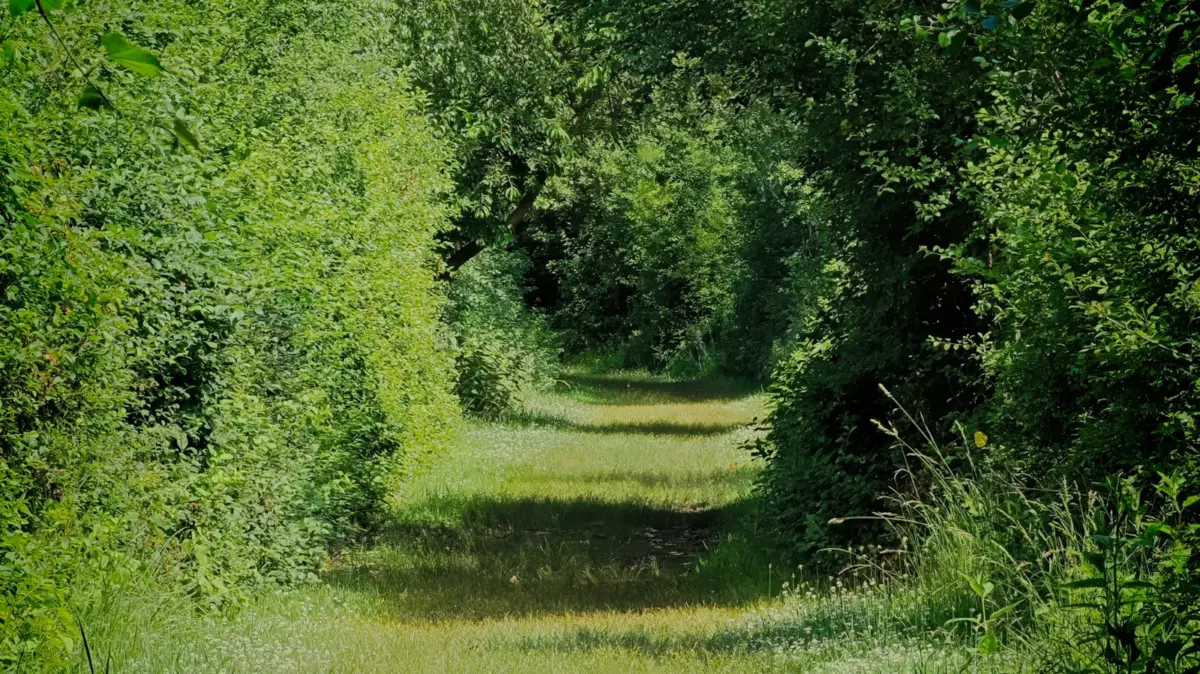
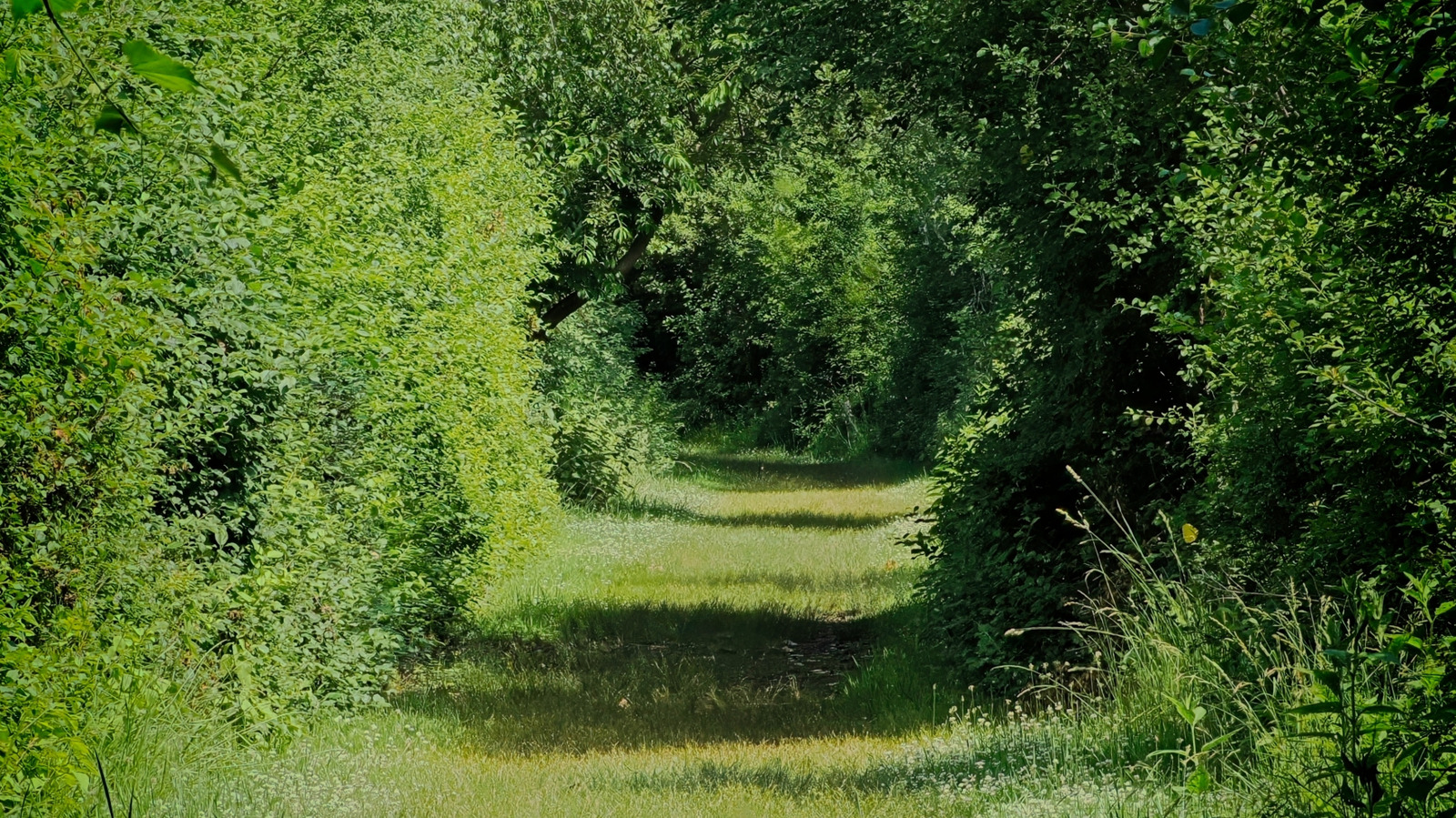
The trail system is intentionally designed to protect sensitive ecosystems while offering maximum visibility. The network features dirt paths winding through dense hedge tunnels and elevated wooden boardwalks that cross marshes. These raised structures serve a dual purpose: they keep hikers’ feet dry in waterlogged environments and prevent human foot traffic from trampling fragile, recovering soils and native plant life.
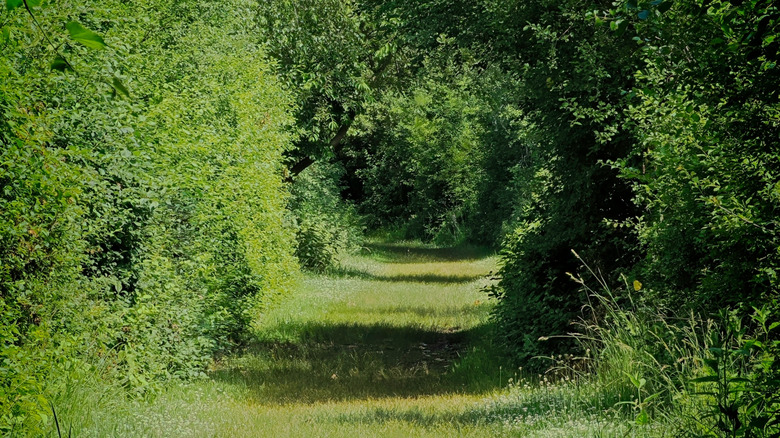
However, because of the property’s industrial past, continuous environmental monitoring is mandatory. Portions of the ground and water tables still harbor residual contaminants, leading to localized, temporary trail closures when safety thresholds dictate intervention. These precautionary measures underscore the reality that managing a former landfill is an ongoing, long-term scientific commitment.
Facilities and Educational Infrastructure
At the heart of the preserve stands the Herb and Jane Darling Environmental Education Center. This climate-controlled facility serves as the educational and operational hub for the sanctuary. Inside, exhibits detail the complex geological and historical narrative of the site, educating the public on how a toxic wasteland was converted into a flourishing ecosystem.
For a nominal self-guided tour fee of approximately $3 (subject to change), visitors gain access to interpretive resources. Furthermore, the center adapts to seasonal shifts; when heavy Buffalo winter snowstorms drop more than 6 inches of snow across the acreage, the center transitions into a hub for snowshoe rentals, allowing outdoor enthusiasts to explore the frosted landscape year-round.
Official Statements and Conservation Insights
Urban ecologists, municipal planners, and preservation advocates frequently cite Tifft Nature Preserve as a model for post-industrial regeneration. While formal press releases from municipal bodies emphasize the economic and tourism diversification of Buffalo’s Outer Harbor, conservation biologists focus heavily on the resilience of the local biome.
"Tifft Nature Preserve represents a vital paradigm shift in how post-industrial cities treat their damaged waterfronts. The successful transition from an unregulated industrial dumping site to a complex, functioning wetland proves that nature, when given adequate time, legal protection, and heavy-duty remediation support, possesses an extraordinary capacity to rebound."
— Regional Ecological Restoration Analyst
Local tourism boards and urban planners have increasingly integrated Tifft into broader master plans designed to shift Buffalo’s image away from purely industrial nostalgia. By linking the preserve to the multi-use Shoreline Trail that skirts Lake Erie, city planners have created an active transportation corridor that encourages non-motorized commuting and recreational tourism.
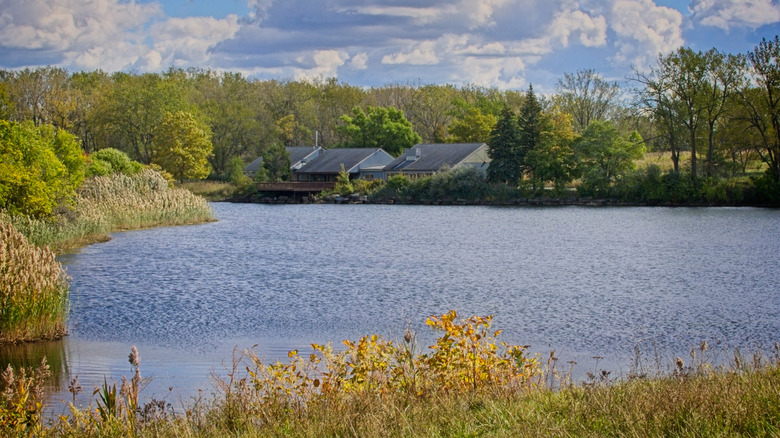
Conservationists emphasize that while public enjoyment is a primary objective, vigilance remains paramount. The ongoing monitoring of water tables in Lake Kirsty, Lisa Pond, and Beth Pond ensures that industrial legacies do not quietly resurface to threaten returning amphibian, avian, and mammalian populations. Educational programming tailored for local school groups ensures that younger generations understand both the ecological value of wetlands and the steep environmental price of unchecked industrial waste.
Future Outlook: Buffalo’s Evolving Urban Identity
As Buffalo continues its broader economic and cultural renaissance—shedding its traditional Rust Belt label through revitalized neighborhoods, modernized culinary scenes, and cleaned-up waterways—sites like Tifft Nature Preserve will play an increasingly pivotal role in urban planning.
[Past: Industrial Decline] ➔ [Present: Ecological Recovery & Tourism] ➔ [Future: Climate Resilience & Urban Integration]Expanding Urban Eco-Tourism
Traditionally viewed merely as a geographic bottleneck or a quick stopover for travelers bound for Niagara Falls or Toronto, Buffalo is rapidly emerging as a destination in its own right. Accommodations within the city center—largely averaging between $100 and $200 per night—cater to a growing influx of curious tourists, weekend road-trippers, and outdoor adventurers. Budget-conscious travelers often utilize hotels near the Buffalo International Airport, while visitors seeking extended coastal charm frequently branch out to neighboring lakeside communities like Lackawanna, located just 6 miles to the south.
Climate Resilience and the Road Ahead
Looking forward, the long-term viability of Tifft Nature Preserve will rely on adaptive management strategies that address modern environmental pressures, including climate change, shifting precipitation patterns, and invasive species control. Wetlands like those at Tifft are not only biological hotspots; they act as crucial natural shock absorbers for extreme weather events, mitigating storm surges and managing urban runoff from adjacent highway corridors.
The ongoing success of Tifft offers a profound lesson for post-industrial cities worldwide: urban growth and ecological restoration do not have to be mutually exclusive. By converting scars of heavy manufacturing into sanctuaries of biodiversity, Buffalo has transformed an environmental liability into one of its most enduring natural assets.