







Executive Overview
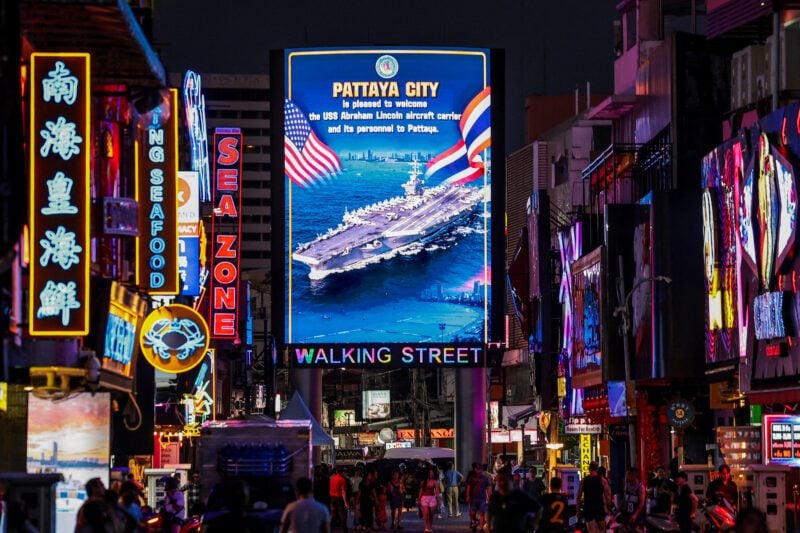
On September 6, the Nimitz-class nuclear-powered aircraft carrier USS Abraham Lincoln (CVN-72) departed the waters of Thailand, marking the end of a critical five-day port visit. The brief pause offered a vital operational respite for the carrier’s approximately 5,000 crew members, who have been engaged in an extended deployment characterized by high-intensity operations in the Middle East. As the flagship of Carrier Strike Group Three (CSG-3), the vessel’s presence in Southeast Asia underscores the complex balancing act the United States Navy must perform: maintaining a robust forward-deployed deterrent in volatile regions while managing the acute physical and psychological strains placed on its personnel.
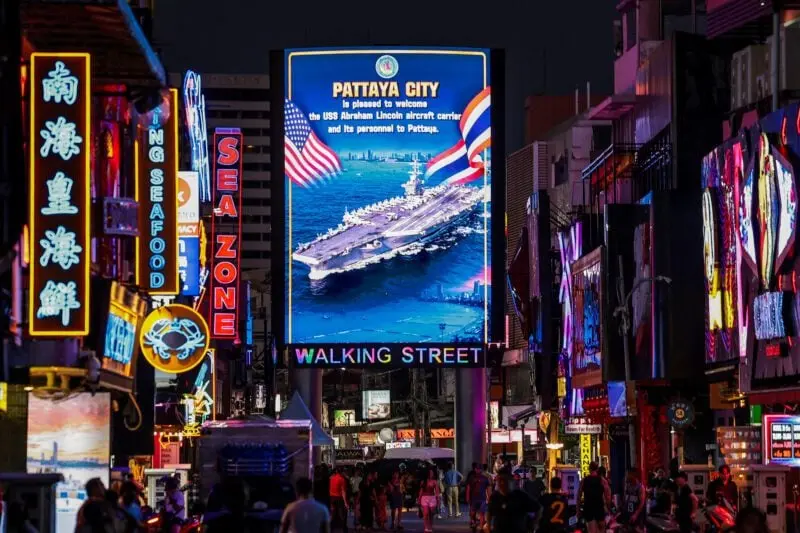
The port visit to Pattaya, a major resort city situated along Thailand’s eastern Gulf coast, serves as a vivid reminder of the enduring geopolitical ties between Washington and Bangkok. Thailand remains the United States’ oldest treaty partner in mainland Southeast Asia. However, the visit also highlights the immense operational demands of modern naval warfare. Having previously set historic milestones for consecutive days spent at sea during periods of heightened friction with Iran and its regional proxies, the crew of the USS Abraham Lincoln has operated at the vanguard of American power projection. This article provides a comprehensive analysis of the carrier’s recent deployment chronology, the strategic necessity of its port call, the critical focus on crew mental health, and the broader geopolitical implications of its transit through the Indo-Pacific theater.
Detailed Chronology
[Middle East Operations] ──> [Transit: Malacca Strait] ──> [Thailand Arrival] ──> [5-Day Port Visit] ──> [Departure to Indo-Pacific]
   (Combat Readiness)           (Strategic Chokepoint)         (Pattaya, Sept 2)        (R&R & Diplomacy)         (Sept 6 / Forward Patrol)
From the Gulf of Aden to the Gulf of Thailand
The journey of the USS Abraham Lincoln to the waters of Southeast Asia represents a transition between two highly distinct operational theaters. Prior to its arrival in Thailand, the carrier strike group was deployed to the U.S. Fifth Fleet area of operations. There, it was tasked with safeguarding critical maritime corridors, including the Bab el-Mandeb Strait, the Red Sea, and the Gulf of Oman.
During this period, the strike group operated under a high state of readiness, countering asymmetric threats, drone swarms, and anti-ship ballistic missile attacks launched by Iran-aligned Houthi forces in Yemen, alongside monitoring hostile naval maneuvers by Iranian state actors. This operational environment demanded constant vigilance, frequent flight deck operations, and prolonged periods of sea-keeping without port interventions.
Arrival in Pattaya
Following its transit through the strategic chokepoint of the Strait of Malacca, the USS Abraham Lincoln, accompanied by its guided-missile destroyers and guided-missile cruisers, anchored off the coast of Pattaya early on Wednesday, September 2.
The arrival was met with significant anticipation by both local businesses and military liaisons. Because of the massive draft of the 100,000-ton supercarrier, the vessel anchored off the coast, utilizing tender boats to transport thousands of sailors and Marines to the pier at the Chuk Samet Naval Base in Sattahip and the commercial docks of Pattaya.
| Date | Phase | Location / Activity | Key Objective |
|---|---|---|---|
| Late August | Transit | Indian Ocean / Strait of Malacca | Strategic repositioning from Fifth Fleet to Seventh Fleet. |
| Sept 2 (Wed) | Arrival | Pattaya / Sattahip, Thailand | Anchoring, customs clearance, and initial liberty launch. |
| Sept 3–5 | Port Liberty | Pattaya / Chonburi Province | Crew rest and recuperation, community relations (COMREL). |
| Sept 6 (Sun) | Departure | Gulf of Thailand | Anchor aweigh; resumption of forward-deployed maritime patrols. |
The Five-Day Respite
Over the course of the five-day visit, the resort city of Pattaya—located approximately 150 kilometers (93 miles) southeast of the capital city of Bangkok—experienced a massive influx of American service members. Busloads of sailors and Marines, dressed in civilian attire, populated local hotels, restaurants, and shopping centers.

While the visit provided an immediate and substantial economic windfall for the local hospitality and tourism sectors, it also required extensive coordination between U.S. Navy shore patrol units, local Thai police, and non-governmental organizations to ensure safety, order, and cultural respect.
On Sunday, September 6, the five-day liberty period concluded. The carrier strike group weighed anchor, exiting the Gulf of Thailand to resume its scheduled patrols within the U.S. Seventh Fleet’s area of responsibility, which spans the Western Pacific and the South China Sea.
Supporting Context & Metrics
To appreciate the scale of the USS Abraham Lincoln’s deployment, one must examine both the physical specifications of the vessel and the operational parameters that govern modern aircraft carrier deployments.
USS ABRAHAM LINCOLN (CVN-72) BY THE NUMBERS
┌────────────────────────────────────────────────────────┐
│ Displacement: ~100,000 Tons (Fully Loaded)             │
│ Length: 1,092 feet (332.8 meters)                      │
│ Propulsion: 2 Westinghouse A4W Nuclear Reactors        │
│ Crew Complement: ~5,000 (Ship's Force + Air Wing)      │
│ Carrier Air Wing: CVW-9 (F/A-18E/F, F-35C, E-2D, EA-18G)│
└────────────────────────────────────────────────────────┘
Operational Endurance and Historical Precedents
Standard U.S. Navy deployments are historically designed to last between six and nine months. However, the escalating frequency of global crises has repeatedly forced the Pentagon to extend these timelines. The USS Abraham Lincoln is no stranger to these grueling schedules.
During its historic 2019–2020 deployment, amid peak tensions with Iran, the carrier spent a record-breaking 295 consecutive days at sea without a single port visit, setting a post-Cold War record for U.S. aircraft carriers. This extended deployment highlighted the extreme endurance of nuclear-powered vessels, which do not require refueling for over 20 years, but it also exposed the human limitations of the crew tasked with operating them.
The Mental Health Imperative
The physical endurance of a nuclear carrier is virtually limitless, but the psychological endurance of its crew is not. In recent years, the U.S. Navy has faced intense scrutiny regarding the mental health and well-being of sailors aboard forward-deployed vessels, particularly those subjected to back-to-back deployment extensions and restricted port access.
In response to these challenges, the leadership aboard the USS Abraham Lincoln has made mental health resources a central pillar of operational readiness. Command initiatives have integrated specialized personnel directly into the ship’s daily routines, including:
- Embedded Mental Health Professionals: Licensed clinical psychologists and social workers stationed directly aboard the carrier to provide immediate, non-stigmatized care.
- Decompression Opportunities: Structured recreational programs organized by the Morale, Welfare, and Recreation (MWR) department to combat the monotony of long underway periods.
- Religious and Peer Support Networks: Chaplains and trained peer counselors offering confidential spaces for sailors to process operational stress.
Port visits like the one in Pattaya are not merely diplomatic gestures; they are critical operational safety valves. They allow sailors to disconnect from the high-stress environment of the flight deck, contact family members without bandwidth restrictions, and experience a vital change of environment.
MENTAL HEALTH SUPPORT ARCHITECTURE (CVN-72)
 ├── Clinical Resources (Embedded Psychologists, Psychiatry)
 ├── Spiritual Care (Command Chaplains, Religious Services)
 ├── Morale & Welfare (MWR Programs, Port Liberty, Athletics)
 └── Peer Support (Sailor-to-Sailor Advocacy, De-escalation Training)
Geopolitical Architecture: The U.S.-Thailand Alliance
The choice of Thailand for this high-profile port visit is highly symbolic. Established under the 1954 Manila Pact and solidified by Thailand’s designation as a Major Non-NATO Ally (MNNA) in 2003, the U.S.-Thai alliance remains a cornerstone of American security architecture in Southeast Asia.
While Thailand has carefully balanced its relationships between the United States and a rising China, military cooperation between Washington and Bangkok remains robust. This is demonstrated annually through joint military exercises such as Cobra Gold, the largest multinational military exercise in mainland Asia. The arrival of a Nimitz-class carrier serves to reaffirm this treaty commitment, projecting visible American resolve and reassurance to regional partners amid shifting balance-of-power dynamics in the South China Sea.
Official Statements
The significance of the port call was emphasized by senior leadership, who framed the visit as an essential bridge between international diplomacy and operational welfare.
U.S. Navy Captain Dan Keeler, the commanding officer of the USS Abraham Lincoln, expressed profound appreciation for the reception the crew received in Thailand:
"We would like to thank the people of Thailand for their incredible hospitality. This visit provided our sailors and Marines with a well-deserved opportunity to experience the rich culture of Thailand while enjoying some downtime after months of dedicated service at sea. The strength of our partnership with Thailand is reflected not only in our military cooperation but also in the warm welcome we received in Pattaya."
Thai naval authorities also commented on the visit, emphasizing the economic and security benefits of the bilateral exchange. Vice Admiral Prachachart Sirisawat of the Royal Thai Navy noted:
"The port visit of the USS Abraham Lincoln reinforces the long-standing maritime security cooperation between our two nations. It has also provided a welcome economic boost to our local communities in Chonburi province. We continue to value our joint training opportunities and the deep cultural ties that bind our navies together."
Future Outlook
As the USS Abraham Lincoln departs the Gulf of Thailand and heads back into the open waters of the Western Pacific, its transit signals the next phase of its deployment cycle. The strategic landscape of the Indo-Pacific remains highly fluid, characterized by intensifying competition over vital sea lines of communication and contested territorial claims.
REGIONAL GEOPOLITICAL DYNAMICS
┌──────────────────────────────┐              ┌──────────────────────────────┐
│      U.S. SEVENTH FLEET      │              │    REGIONAL ADVERSARIES      │
│  • Freedom of Navigation     │   VS.        │  • Anti-Access/Area Denial   │
│  • Treaty Alliance Support   │   (Strait of │    (A2/AD) Envelopes         │
│  • Multilateral Exercises    │    Taiwan /  │  • Maritime Border Claims    │
│  • Forward Power Projection  │   South China│  • Gray-Zone Aggression      │
│                              │     Sea)     │                              │
└──────────────────────────────┘              └──────────────────────────────┘
Navigating the South China Sea
The carrier strike group’s immediate path will likely take it through the South China Sea, a region where China has established highly fortified artificial islands and asserted expansive maritime claims. The presence of the USS Abraham Lincoln in these waters will serve as a direct implementation of the U.S. "Free and Open Indo-Pacific" strategy. This strategy involves conducting routine flight operations, bilateral exercises with regional navies (such as those of the Philippines, Japan, and Australia), and asserting the right to transit international waters in accordance with international law.
The Challenge of Fleet Sustainability
The long-term challenge for the U.S. Navy remains the sustainability of its carrier fleet. With a limited number of operational carriers available to cover commitments in the Atlantic, Mediterranean, Middle East, and Indo-Pacific, the operational tempo remains unsustainably high.
The successful deployment of the USS Abraham Lincoln demonstrates the Navy’s capability to project power globally. However, it also underscores the urgent need for structural reforms in fleet maintenance, shipbuilding schedules, and personnel management to ensure that the human and material components of the fleet are not pushed past their breaking points.
For now, the crew of the Lincoln returns to their stations with renewed focus, their brief stay in the "Land of Smiles" serving as a vital anchor of stability in an otherwise demanding and unpredictable deployment.