








Executive Overview
While the Commonwealth of Pennsylvania proudly boasts 125 state parks that draw millions of outdoor enthusiasts to explore its diverse ecosystems, some of the region’s most captivating nature getaways are conveniently tucked away near thriving urban centers. Strategically situated between Baltimore and Harrisburg in York County, William H. Kain County Park stands as a prime example of this harmonious coexistence between municipal development and conserved wilderness.
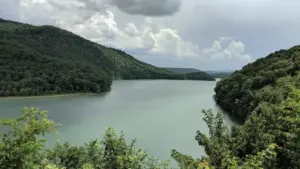
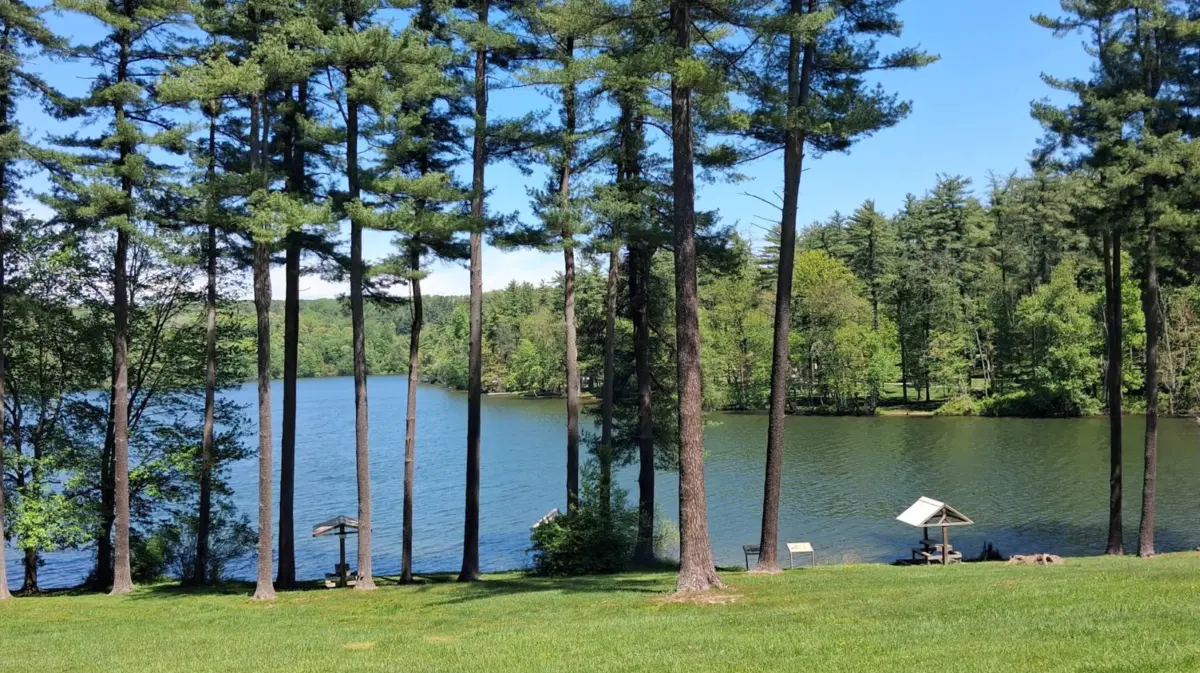
Spanning an expansive 1,637 acres of protected woodlands and aquatic ecosystems, this premier outdoor recreation hub serves as an essential ecological and recreational anchor for locals and travelers alike. Established in 1977, the park is anchored by two picturesque, man-made reservoirs: the 220-acre Lake Williams and the 290-acre Lake Redman. Together, these waters provide a stunning backdrop for a diverse array of non-motorized water sports, world-class freshwater fishing, and more than 12 miles of multiuse trails.
Open year-round in the historic city of York, William H. Kain County Park bridges the gap between rugged backcountry exploration and accessible urban escape. Whether visitors are seeking a challenging backcountry-style day hike, a peaceful afternoon of birdwatching, or a family-friendly weekend picnic, this southeastern Pennsylvania sanctuary delivers a multifaceted outdoor experience without requiring hours of deep-woods travel.

Detailed Chronology of the Park’s Development
To fully appreciate the ecological and recreational value of William H. Kain County Park, one must examine the timeline of how this landscape evolved from a regional water resource into a protected public sanctuary.
Early 20th Century: The Industrial and Municipal Origins
Long before it became a designated county park, the land comprising William H. Kain County Park served a critical municipal function. The creation of the park’s central waterways began in the early 1900s with the construction of Lake Williams and Lake Redman. Originally engineered as vital municipal water supply reservoirs to support the growing industrial and residential demands of the greater York area, these artificial lakes fundamentally altered the local watershed. Over subsequent decades, the surrounding woodlands served primarily as protected buffer zones for the water authority, inadvertently preserving the secondary-growth forests and riparian habitats from heavy commercial logging and sprawling agricultural conversion.
1977: Establishment and Formal Dedication
By the mid-1970s, local civic leaders and conservationists recognized the immense recreational potential of the forested watersheds surrounding Lake Williams and Lake Redman. In 1977, official steps were taken to transition the land into a multiuse public asset. Named in honor of William H. Kain—a prominent local figure instrumental in regional conservation and park planning—the newly designated county park officially opened its gates to the public. This establishment marked a pivotal shift in York County’s land-use strategy, prioritizing watershed preservation alongside structured public access.
Modern Era: Infrastructure Expansion and Trail Integration
Entering the 21st century, William H. Kain County Park underwent a series of strategic infrastructure enhancements designed to meet the growing demands of eco-tourists, hikers, and anglers. The York County Department of Parks and Recreation formalized and expanded the trail networks, integrating historical access roads into a cohesive system of multiuse paths suitable for hikers, mountain bikers, and equestrians. Furthermore, the development of the Lake Redman Activity Area introduced modern amenities—including playgrounds, boat rental concessions, and picnic facilities—solidifying the park’s reputation as one of southeastern Pennsylvania’s premier outdoor recreation destinations.

Supporting Context & Metrics: Flora, Fauna, and Infrastructure
Operating at the intersection of conservation and recreation, William H. Kain County Park functions as a complex ecological haven. The following metrics and contextual data illustrate the scale and biodiversity of the park:
- Total Land Area: 1,637 acres of protected woodlands, wetlands, and open green spaces.
- Aquatic Surface Area: 510 total water acres, divided between Lake Williams (220 acres) and Lake Redman (290 acres).
- Trail Network: Over 12 miles of designated multiuse trails catering to hikers, trail runners, mountain bikers, and horseback riders.
- Avian Diversity: An officially recognized eBird hotspot logging 185 distinct bird species, making it a premier destination for ornithologists and casual birdwatchers.
- Designated Status: Both Lake Williams and Lake Redman carry the prestigious Big Bass Lake designation from the Pennsylvania Fish and Boat Commission, ensuring strict management for trophy-sized sport fish.
Ecosystems and Wildlife Management
The park’s diverse topography—ranging from deep deciduous forests dominated by oak, hickory, and maple to damp riparian zones bordering the lakes—creates optimal microhabitats for a vast array of wildlife. Mammalian residents include white-tailed deer, red and gray foxes, eastern cottontails, and various mustelids.
Avian enthusiasts frequent the park year-round to observe migratory waterfowl, songbirds, raptors, and resident bald eagles. According to field logs and citizen science platforms like eBird, bald eagle sightings have increased significantly over the past decade, with multiple breeding pairs utilizing the mature shoreline timber for nesting. To protect these sensitive populations while balancing public recreation, the park enforces responsible wildlife viewing guidelines and regulates limited hunting seasons strictly via authorized municipal permits.
Navigating the Trails: A Comprehensive Guide to Hiking Kain Park
With a trail network ranging from leisurely lakeside strolls to grueling multi-mile endurance treks, William H. Kain County Park accommodates outdoor enthusiasts of all skill levels.
1. The Lake Williams Loop (Moderate | 5.3 Miles)
For hikers seeking an immersive water-view experience without an overwhelming physical commitment, the Lake Williams Loop stands as the park’s highest-rated trail on platforms like AllTrails. This 5.3-mile circuit circumnavigates Lake Williams, offering undulating terrain that features moderate climbs and sweeping vistas across the water. Reviewers frequently praise the trail for its dynamic landscape and exceptional wildlife viewing opportunities. "Beautiful! Absolutely outstanding! One of the best hikes I have been on in a while. Moderately difficult with tons of great views. I will definitely be back," noted one recent visitor.
2. The Lake Redman Loop (Challenging | 8.5 Miles)
Encircling the park’s larger water body, the Lake Redman Loop provides a more rigorous test of endurance. Spanning 8.5 miles and featuring nearly 1,000 feet of cumulative elevation gain, this trail weaves through dense interior woodlands and along secluded coves. It is particularly favored by trail runners and conditioned hikers looking to log distance while remaining within easy reach of urban amenities.
3. The Combined Lake Williams and Lake Redman Loop (Strenuous | 12.8 Miles)
For the most ambitious visitors, the park’s longest unified trail route spans a demanding 12.8 miles. Traversing the entire perimeter of both reservoirs, this trek requires an average completion time of six hours and features 1,568 feet of elevation gain. The reward for this physical exertion is an unrivaled encounter with the park’s backcountry wilderness. "All sorts of wildlife from deer, geese, ducks, and bald eagles. Saw 5 eagles flying around together at one point in addition to eagles skimming [the] lake," shared one seasoned AllTrails hiker.
4. Lake Redman Trail 3 to 3A Loop (Easy | 1.5 Miles)
Visitors operating on a tight schedule or traveling with young children will find the 1.5-mile Trail 3 to 3A Loop to be an ideal option. This short, accessible path meanders through the lakeside woods near Lake Redman, offering quick access to prime shoreline fishing spots and canoe launch points without requiring deep-woods navigation.
Water Recreation and Park Amenities
While the trails draw thousands of hikers each week, the twin lakes serve as the undisputed crown jewels of William H. Kain County Park’s recreational offerings.
Boating and Watercraft Rentals
During the warmer months, the park transforms into a hub for paddle sports. Visitors can rent canoes, single and tandem kayaks, stand-up paddleboards (SUPs), paddle boats, and traditional rowboats directly through park concessions. For private boat owners, Lake Williams features one dedicated boat launch, while Lake Redman offers two fully functional boat launches.
It is important to note that while non-motorized and electric-motor boating is heavily encouraged, swimming is strictly prohibited in both lakes to protect municipal water quality and ensure visitor safety. However, night boating and nighttime fishing are legally permitted under specific park regulations, offering anglers a unique opportunity to target nocturnal species under the moonlight.
Sportfishing and the "Big Bass" Fishery
Anglers travel from across southeastern Pennsylvania to test their skills in Lake Williams and Lake Redman. Both bodies of water are officially designated as Big Bass Lakes, meaning they are managed under special regulations designed to protect and enhance trophy-sized bass populations.
Common catches in these productive waters include largemouth and smallmouth bass, channel catfish, northern pike, crappie, and various sunfish species. Whether casting from a chartered watercraft or quietly sitting along the heavily shaded banks, fishermen consistently praise the waters for their peaceful atmosphere and reliable yields.
Family Activities and Land-Based Recreation
Beyond the water and trails, the Lake Redman Activity Area serves as a central hub for family-oriented leisure. This sector of the park features a modern, well-maintained children’s playground, adjacent volleyball courts, and designated horseshoe pits designed for friendly community competition.
Ample picnic tables and charcoal grill stations are strategically distributed throughout both the Lake Redman and Lake Williams activity zones. These areas provide an ideal setting for post-hike gatherings, family reunions, and leisurely weekend afternoons. Furthermore, the park is entirely pet-friendly, welcoming leashed dogs to join their owners across all multiuse trails and picnic grounds.
Future Outlook & Visitor Logistics
As regional population centers like York, Harrisburg, and Baltimore continue to expand, the strategic importance of urban-adjacent green spaces like William H. Kain County Park cannot be overstated. Local municipal planners and park authorities continue to prioritize sustainable land management, trail erosion mitigation, and habitat restoration to ensure that the park’s delicate ecosystems remain resilient against increasing recreational foot traffic.
Planning Your Visit
- Location: Situated in York County, Pennsylvania, the park is easily accessible via major regional roadways, positioning it as an ideal day-trip destination for travelers road-tripping through the mid-Atlantic corridor.
- Air Travel: Out-of-state visitors flying into the region can arrive at Harrisburg International Airport (MDT), located less than an hour’s drive north of the park.
- Lodging and Dining: The adjacent city of York offers a robust selection of accommodations, ranging from historic boutique hotels to modern lodgings, alongside a vibrant and increasingly acclaimed local culinary scene.
- Regulations: Visitors should note that while entrance to the park is free, certain activities—such as boat rentals, specific hunting programs, and pavilion reservations—may require nominal fees or active municipal permits. All state fishing regulations apply, particularly regarding catch limits on the designated Big Bass waters.
By seamlessly blending rigorous hiking trails, top-tier freshwater angling, and accessible family amenities within a protected 1,637-acre watershed, William H. Kain County Park remains a shining testament to Pennsylvania’s dedication to balanced conservation and public outdoor recreation.