










Executive Overview
The demographic landscape of the American retirement dream is undergoing a profound transformation. For decades, the traditional narrative of post-career relocation pointed almost exclusively toward the sun-baked coasts of Florida, the desert expanses of Arizona, or the coastal lines of the Carolinas. Today, however, a more nuanced and peaceful aspiration is driving millions of Americans who have spent the better part of their lives navigating the relentless pace of major metropolitan hubs: a craving for a slower, greener, and more community-oriented lifestyle rooted in the American South.
Recent data underscores this massive demographic shift. According to comprehensive migration statistics compiled by HireAHelper, seven out of the ten states experiencing the highest net inflows of new residents aged 65 and older are situated in the South. North Carolina firmly anchors itself near the top of this regional renaissance, capturing the number five spot nationwide with an impressive influx of over 17,200 inbound senior moves in a single tracking cycle.
Within the Tar Heel State, the municipal magnetism of Raleigh—the vibrant, fast-growing capital nestled in Wake County—has long drawn national attention. Boasting a highly walkable downtown core, a world-class cluster of museums, a thriving culinary scene, and tranquil urban green spaces like Dorothea Dix Park, Raleigh serves as an attractive epicenter for active adults. Yet, an intriguing secondary trend has begun to capture the focus of relocation specialists, urban planners, and retirees alike. Just under an hour’s drive southwest of the capital lies Chatham County—a tranquil, historically rural expanse that is quietly outpacing its metropolitan neighbor as the premier retirement escape in the region.
According to United States Census Bureau estimates, roughly 28 percent of Chatham County’s population is now aged 65 or older, making it one of the fastest-growing senior enclaves in the state. Far from being a sleepy retirement village, Chatham County represents a harmonious synthesis of untamed natural beauty, pristine aquatic ecosystems, and thoughtfully planned communities. Anchored by the expansive waters of Jordan Lake, vibrant local parks, and a rapidly expanding network of scenic trails, this hidden gem offers an enviable blueprint for the modern retirement experience.
Detailed Chronology: The Evolution of Chatham County from Rural Enclave to Senior Sanctuary
To understand how Chatham County evolved into a premier destination for retirees, one must trace its development through a historical and administrative lens that highlights its deliberate balance between preservation and controlled growth.
Pre-Development and Agricultural Roots (Mid-20th Century)
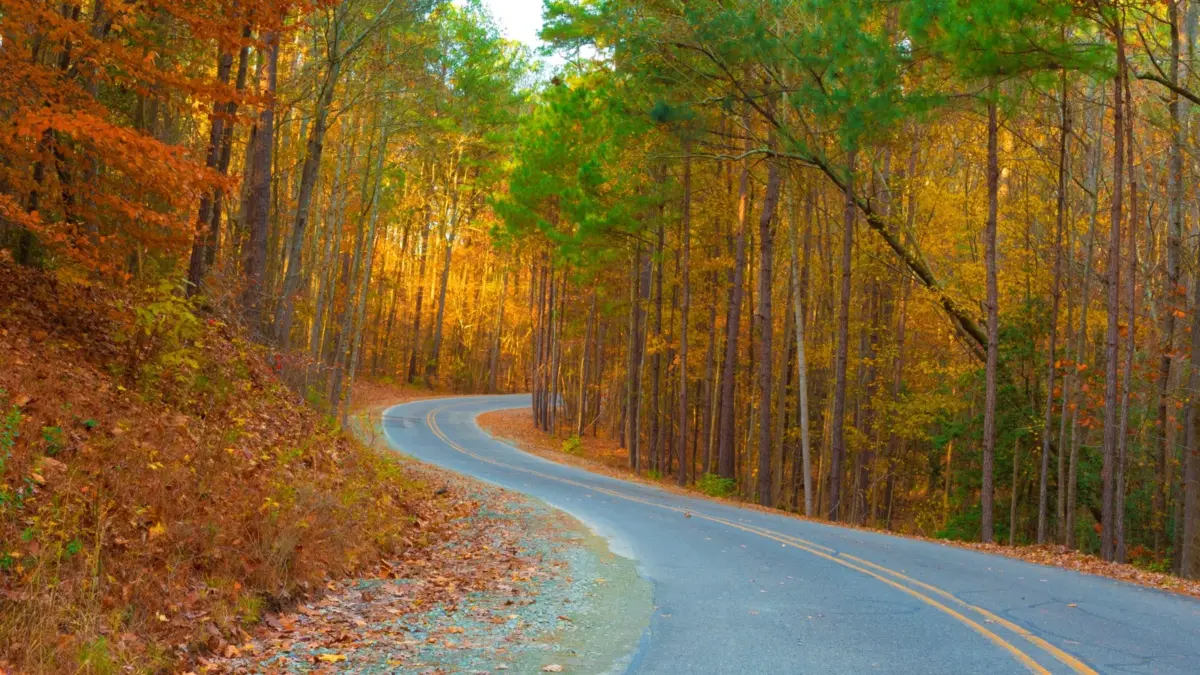
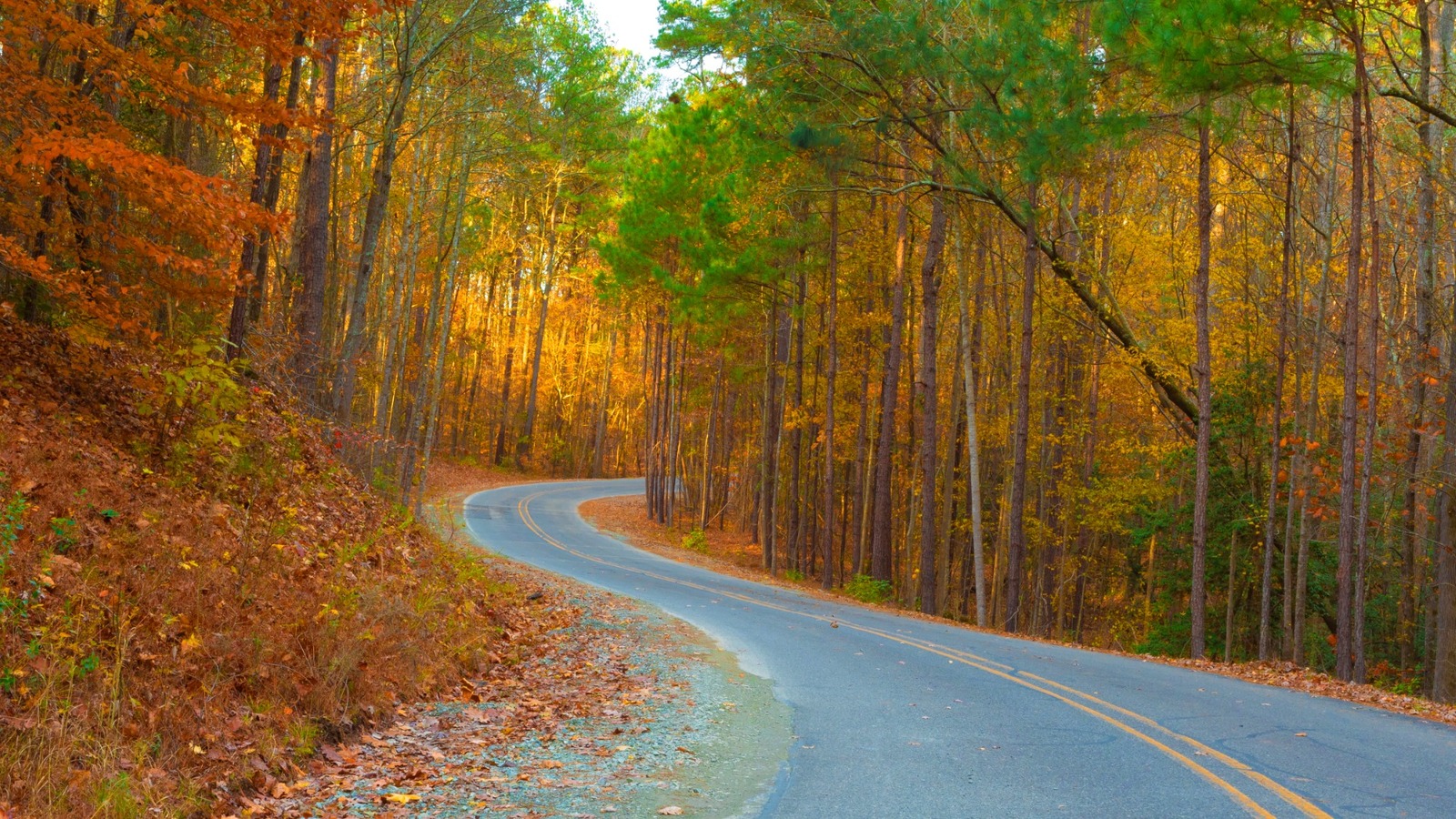
For generations, Chatham County was defined by its agrarian economy, dense pine forests, and the winding paths of the Haw and Deep rivers. Centered around historic towns like Pittsboro and Siler City, the county operated largely outside the economic gravity of the rapidly industrializing Research Triangle (comprising Raleigh, Durham, and Chapel Hill). For most of the 20th century, its economy relied on agriculture, small-scale manufacturing, and forestry. The local population remained stable, and the rolling topography offered residents a quiet, isolated lifestyle far removed from urban centers.
The Catalyst: The Creation of Jordan Lake (1960s–1980s)
The modern trajectory of Chatham County shifted decisively in the mid-20th century when the U.S. Army Corps of Engineers conceptualized the B. Everett Jordan Dam and Lake project on the Haw River. Authorized for flood control, water supply, water quality management, and recreation, the damming of the river flooded thousands of acres to create Jordan Lake in the late 1970s and early 1980s.
Initially engineered as a vital infrastructural safeguard for the surrounding region, the lake rapidly transformed into an ecological and recreational treasure. The surrounding forested shoreline was designated as state recreation land, instantly turning Chatham County into a prime destination for weekend boaters, nature enthusiasts, and campers from across the Triangle. This monumental infrastructure project laid the foundational geography that would later attract retirees seeking waterfront amenities.
The Research Triangle Expansion and Suburban Sprawl (1990s–2010s)
As the Research Triangle exploded into a global hub for biotechnology, software development, and higher education through institutions like Duke University, the University of North Carolina at Chapel Hill, and North Carolina State University, suburban development began creeping outward. While neighboring Wake and Durham counties experienced explosive, high-density residential and commercial growth, Chatham County managed its expansion more carefully.
Planned communities such as Fearrington Village—pioneered in the 1970s and 80s as a European-style agricultural hamlet complete with Belted Galloway cows grazing near village shops—demonstrated a new model for rural development. Fearrington Village proved that retirees and discerning homebuyers would pay a premium for master-planned, low-impact neighborhoods integrated seamlessly into Chatham’s pastoral landscapes.
The Modern Retirement Boom (2020s–Present)
Entering the 2020s, Chatham County reached a critical demographic tipping point. Propelled by post-pandemic migration patterns, the desirability of outdoor-centric lifestyles, and a regional boom in health care infrastructure, the county’s senior population surged. Today, with nearly 28% of its residents aged 65 or older, local governance, commercial enterprise, and community infrastructure have pivoted heavily to serve an active, discerning older demographic. From the ongoing development of recreational facilities like Rock Ridge Park to the extension of paved regional pathways, Chatham County has solidified its status as North Carolina’s definitive retirement escape.
Supporting Context & Metrics: Analyzing the North Carolina Senior Influx
The migration patterns fueling Chatham County’s growth are part of a broader macroeconomic and demographic trend reshaping the American Southeast.
Key Demographic and Migration Metrics
- National Standing: According to HireAHelper’s 2026 retirement study, southern states captured 7 of the top 10 positions for inbound moves by residents aged 65 and older.
- North Carolina’s Ranking: The Tar Heel State secured the #5 position nationally, welcoming an estimated 17,231 inbound senior moves during the study period.
- Chatham County Senior Density: United States Census Bureau quick facts indicate that approximately 28% of Chatham County’s total population is aged 65 and older, significantly outpacing the national and state averages for senior density.
- Geographic Proximity: Situated less than an hour southwest of downtown Raleigh, Chatham County offers residents a rural sanctuary while maintaining convenient access to world-class medical facilities, including UNC Health hospitals in Chapel Hill and WakeMed systems in the Raleigh-Durham metro area.
Recreational Infrastructure Metrics
- Jordan Lake State Recreation Area: Spans nearly 14,000 acres of water and thousands of surrounding shoreline acres, featuring four primary public access beaches (Ebenezer Church, Seaforth, Parkers Creek, and White Oak Recreation Area).
- Lower Haw River State Natural Area: Encompasses 1,357 acres of protected riparian buffer zones, dense greenery, and rugged hiking trails stretching toward the Jordan Lake inflow.
- American Tobacco Trail: A 22-mile multi-use rail-trail system, with approximately 4.6 miles traversing Chatham County, providing ADA-compliant accessibility, equestrian access, and safe thoroughfares for electric bicycles and pedestrians alike.
Official Statements & Local Perspectives
Local officials, park administrators, and community members have long championed the unique balance of nature and community that defines Chatham County. While massive urban developments dominate the headlines in neighboring counties, Chatham’s leadership has consistently emphasized smart growth, environmental stewardship, and recreational access.
In managing the state recreation areas, the North Carolina Department of Natural and Cultural Resources emphasizes the delicate intersection of high-capacity public recreation and ecological conservation. Regarding facilities like the Seaforth and Ebenezer Church access points at Jordan Lake, park management frequently highlights their design:
"Our goal is to provide accessible, low-impact recreational gateways for visitors of all ages—from families looking for safe swimming shores to retirees seeking peaceful mornings on the water and accessible picnic pavilions."
Community developers and long-time residents of planned enclaves like Fearrington Village point to the county’s design philosophy as its greatest asset. Local planning advocates note that Chatham County succeeds because it refuses to replicate cookie-cutter suburban sprawl:
"People moving here from northern cities or dense urban cores aren’t looking for another concrete jungle. They want the serenity of a rolling pasture, the community feel of a walkable village square, and immediate access to pristine lakes and hiking trails. Chatham County delivers that without sacrificing modern comforts or healthcare access."
Visitors and retirees echoing these sentiments across digital review platforms routinely highlight the therapeutic value of the area. As one recent reviewer of Seaforth Beach noted, the area serves as "a wonderful place to relax on the sand, listen to the wildlife, and enjoy refreshing freshwater views without the overwhelming congestion found closer to the city centers."
Future Outlook: Sustaining Paradise in a Rapidly Changing Region
As Chatham County looks toward the horizon, its primary challenge will be balancing the surging demand for senior housing and recreational amenities with the preservation of the rural character that makes it so alluring in the first place.
Healthcare Expansion and Aging-in-Place Infrastructure
With nearly 28% of its population already over the age of 65, local municipalities and healthcare networks are actively expanding services tailored to older adults. The proximity to world-class research hospitals in the Research Triangle ensures that residents have access to cutting-edge geriatric care, cardiology, and orthopedic specialties. Furthermore, residential developments are increasingly incorporating universal design principles—single-level living, zero-step entries, and community-connected walking loops—to facilitate successful aging-in-place.
Environmental Conservation and Trail Connectivity
The preservation of natural assets like Jordan Lake, the Haw River corridors, and regional greenways will remain paramount. Local conservation groups, working alongside state agencies, are continually exploring expansions to trail networks such as the American Tobacco Trail and county-managed spaces like Rock Ridge Park. Enhancing connectivity between residential nodes and natural preserves via paved, non-motorized paths ensures that residents can maintain active, healthy outdoor lifestyles well into their retirement years.
Conclusion
Chatham County, North Carolina, has successfully transitioned from a quiet agricultural county into a nationally recognized model for retirement living. By offering a rare combination of scenic lake recreation, colorful and protected state parks, mild southern seasons, and close proximity to the cultural and medical powerhouses of the Research Triangle, Chatham County stands out not merely as an escape from the city, but as a vibrant, enduring destination where retirees can truly thrive.