









Executive Overview
Every seasoned captain knows the distinct, reassuring hum of a well-tuned marine engine. It is the heartbeat of any vessel, transforming raw chemical energy into the controlled combustion that drives a hull across open water. While the fundamental thermodynamic principles governing a boat engine mirror those of an automobile, the operating environment of a marine propulsion system could not be more different. Constant heavy loads, relentless water resistance, corrosive saltwater exposure, and complex raw-water cooling configurations subject marine engines to stress levels rarely experienced by land-based vehicles.
Understanding the mechanics of how your boat engine works is no longer just a technical hobby; it is a vital safety requirement. Recognizing the early, subtle warning signs of mechanical distress can mean the difference between a minor preventative fix at the dock and a perilous, high-cost rescue offshore. From the self-contained efficiency of outboard motors to the raw, high-torque power of inboard systems, every marine engine tells a story through its sounds, temperatures, and exhaust patterns.
This comprehensive report explores the inner workings of boat engines, breaks down the core operational differences between inboards and outboards, investigates the primary culprits behind catastrophic on-water breakdowns, and outlines the proactive maintenance strategies required to protect your vessel, your passengers, and your investment.

Detailed Mechanics: The Anatomy of Marine Combustion and Cooling
To master marine engine troubleshooting, one must first deconstruct the core processes that keep a vessel moving. At its foundation, a marine engine—whether gas or diesel—operates on the tried-and-true four-stroke combustion cycle: intake, compression, power, and exhaust.
The Four-Stroke Cycle Under Load
- Intake: The piston descends within the cylinder, creating a vacuum that draws a precise mixture of air and fuel into the combustion chamber through open intake valves.
- Compression: The intake valve seals shut as the piston ascends, compressing the fuel-air mixture into a tight, highly volatile state.
- Power: Just before the piston reaches top dead center, a spark plug ignites the compressed mixture (in gasoline engines), resulting in a controlled explosion. This massive force drives the piston downward, spinning the crankshaft.
- Exhaust: The exhaust valve opens as the piston rises once more, expelling spent combustion gases out of the cylinder and into the exhaust system.
Unlike a car engine, which frequently coasts or operates under light loads once cruising speed is achieved, a boat engine operates under a sustained, heavy load. Pushing thousands of pounds of fiberglass and aluminum through water resistance requires constant, high-torque output. This continuous strain generates extreme heat, making the marine cooling system the unsung hero of vessel propulsion.
The Raw-Water Cooling Dilemma
While automotive engines rely on closed-loop radiator systems filled with antifreeze, most marine engines utilize raw-water cooling systems. These systems continuously draw water from the surrounding environment—be it a saltwater bay or a silt-heavy river—pumping it through the engine block or heat exchanger to regulate operating temperatures.
While brilliantly efficient, this design introduces unique vulnerabilities:

- Debris Ingestion: Plastic bags, seaweed, and sediment can easily clog water intake grates.
- Impeller Wear: The rubber water pump impeller is susceptible to cracking or shredding, instantly cutting off water flow.
- Corrosion and Scaling: Saltwater leaves mineral deposits inside cooling passages, narrowing channels and degrading internal components over time.
When raw-water flow is compromised, a marine engine can transition from normal operating temperatures to catastrophic overheating in a matter of minutes.
Comparative Analysis: Outboard vs. Inboard Propulsion Systems
When evaluating marine engineering, the choice of propulsion layout fundamentally dictates how a boat handles, how power is transferred, and how maintenance is performed.
+-------------------------------------------------------------------------+
|                        MARINE PROPULSION COMPARISON                     |
+---------------------------+---------------------------------------------+
| Feature                   | Outboard Engines                            |
+---------------------------+---------------------------------------------+
| Location                  | Mounted externally on the transom           |
+---------------------------+---------------------------------------------+
| Power Transfer            | Vertical drive shaft to horizontal propeller|
+---------------------------+---------------------------------------------+
| Maintenance Accessibility | Highly accessible; easily serviced/replaced |
+---------------------------+---------------------------------------------+
| Compartment Safety        | No enclosed fuel/exhaust fumes in hull      |
+---------------------------+---------------------------------------------+

+---------------------------+---------------------------------------------+
| Feature                   | Inboard Engines                             |
+---------------------------+---------------------------------------------+
| Location                  | Installed securely inside the hull          |
+---------------------------+---------------------------------------------+
| Power Transfer            | Horizontal driveshaft through hull bottom   |
+---------------------------+---------------------------------------------+
| Maintenance Accessibility | Requires confined-space work; complex       |
+---------------------------+---------------------------------------------+
| Compartment Safety        | Requires mandatory pre-start ventilation    |
+---------------------------+---------------------------------------------+
Outboard Motors: Compact Versatility
Outboard motors are self-contained power packages housing the engine, transmission, and propeller within a single unit mounted directly to the boat’s transom.
- Mechanics: The powerhead (located at the top of the unit) generates combustion energy, which travels down a vertical driveshaft into the lower unit gearcase, ultimately spinning the propeller.
- Advantages: Because the entire unit sits outside the hull, outboards are exceptionally easy to service, tilt out of the water to prevent marine growth, and replace entirely if major failure occurs. Furthermore, they eliminate the risk of fuel vapor accumulation inside the hull.
Inboard Engines: Heavy-Duty Torque
Inboard engines are permanently mounted deep within the hull of the vessel, typically positioned amidships or near the stern.
- Mechanics: The engine connects to a rigid horizontal driveshaft that extends straight through the bottom of the hull via a waterproof stuffing box, spinning a submerged propeller directly beneath the boat.
- Advantages: Inboards excel in larger vessels, yachts, and offshore sportfishing boats because they deliver immense torque and stability under heavy, sustained loads. However, because they reside in enclosed spaces, they demand strict safety protocols—most notably, running bilge blowers to evacuate explosive gasoline vapors prior to ignition.
Supporting Context & Metrics: Why Marine Engines Fail Offshore
Mechanical breakdowns rarely happen at the dock; they occur precisely when the engine is asked to perform at its peak—out on open water. Understanding the primary catalysts for engine failure allows skippers to mitigate risks before casting off.
1. Fuel Contamination and Starvation
Ethanol-blended fuels are notoriously hygroscopic, meaning they attract moisture from the atmosphere. Over time, phase separation occurs, causing water to pool at the bottom of the fuel tank. When the engine draws this water-laden fuel, combustion falters, leading to sputtering, loss of power, or immediate engine stalling.
2. Electrical System Corrosive Failures
The marine environment is a harsh battery of humidity, salt spray, and vibration. Battery terminals corrode, starter solenoids seize, and ignition wiring develops micro-cracks. An alternator failing offshore means your onboard electronics and ignition system are running entirely on finite battery reserves.
3. Cooling System Collapse
As noted, a blocked raw-water pickup or a shredded water pump impeller halts cooling instantly. Operating an aluminum block engine without water leads to warped cylinder heads, blown head gaskets, and seized pistons within minutes.
4. Mechanical Fatigue and Fouled Propellers
Hitting a submerged log, sandbar, or drifting line can shear propeller pins, bend driveshafts, or wrap fishing line tightly around the propeller shaft. A wrapped line cuts off water flow to the shaft seal, risking water intrusion into the boat or severe transmission damage.
Official Industry Insights and Operational Guidance
Marine safety organizations and rescue authorities emphasize that mechanical failure remains the leading cause of calls for on-water assistance. According to historical incident data compiled across maritime rescue networks, upwards of 70% of all emergency calls stem from preventable mechanical and electrical issues rather than sudden weather events.
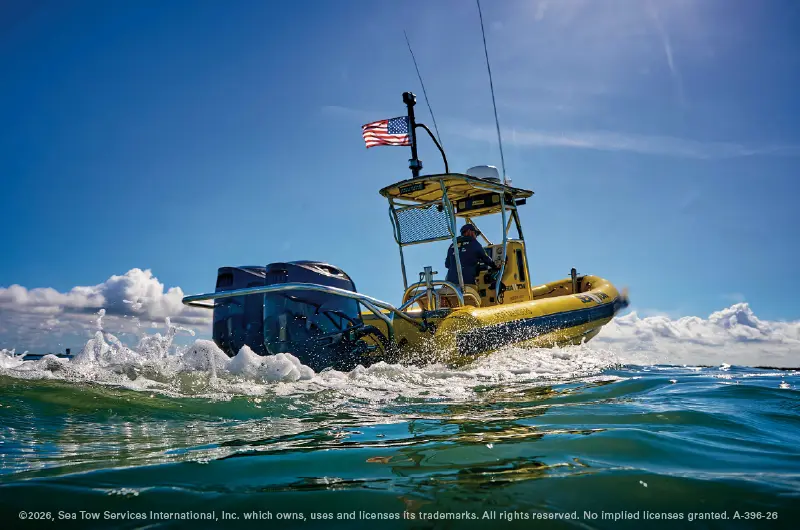
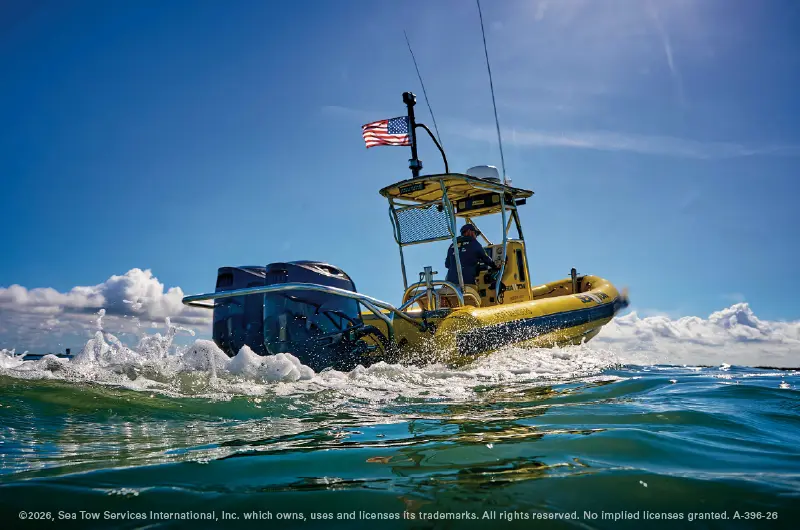
Industry experts stress that preventative maintenance is the cornerstone of maritime safety. A spokesperson for premier on-water assistance provider Sea Tow highlights the shifting dynamic of modern boating:
"Modern marine engines are marvels of engineering, capable of incredible reliability. However, the false sense of security provided by advanced technology often leads boaters to neglect routine maintenance. When you are ten miles offshore, a simple clogged fuel filter or a worn raw-water impeller transforms from a minor garage fix into a critical safety emergency. Knowing your engine’s limits—and having a reliable backup plan like a Sea Tow membership—is just as important as having life jackets on board."
Maritime authorities uniformly advocate for a standardized pre-departure checklist, encompassing fluid checks, belt tension evaluations, bilge blower operation, and steering response verification.
Future Outlook: The Evolution of Marine Propulsion and Safety
As the marine industry looks toward the horizon, the intersection of advanced technology and engine mechanics is transforming how boaters interact with their vessels.
Smart Diagnostics and Telematics
The next generation of marine engines features integrated digital telemetry. Manufacturers are deploying smart sensors that monitor oil pressure, exhaust temperatures, fuel flow rates, and vibration signatures in real time. Instead of waiting for an engine to overheat or stutter, intelligent onboard computers can automatically throttle down the engine (Guardian mode) to prevent catastrophic damage, while simultaneously transmitting fault codes to the captain’s mobile device or chartplotter.
Alternative Propulsion and Hybrid Systems
Environmental regulations and the push for greater fuel efficiency are accelerating the adoption of hybrid marine propulsion. Combining traditional internal combustion engines with high-torque electric motors allows for silent low-speed maneuvering, reduced emissions, and redundant power systems. If a primary combustion engine fails offshore, an auxiliary electric drive can provide enough torque to safely navigate back to a slip.
The Irreplaceable Value of Readiness
Despite these technological leaps, no sensor or computer can completely replace seamanship, mechanical intuition, and professional on-water support. As boat engines grow more sophisticated, the gap between simple DIY fixes and specialized technician repairs widens.
Ultimately, mastering how your boat engine works empowers you to become a more vigilant, confident mariner. By combining rigorous preventative maintenance—such as thorough winterization, timely oil changes, and regular cooling system inspections—with reliable emergency backup plans like a Sea Tow membership, boaters can ensure that every voyage ends the way it began: safely back at the dock.