







Executive Overview
With more than 2,300 natural and man-made lakes scattered across the Commonwealth of Pennsylvania, the Keystone State is widely celebrated as a premier destination for anglers, kayakers, and outdoor enthusiasts. From the sprawling expanse of Lake Wallenpaupack in the Poconos to the vast commercial traffic of Lake Erie, water recreation is woven into the recreational fabric of the region. Yet, for all its abundance, finding a truly secluded body of water—a place where the rhythmic dip of a paddle is interrupted only by the rustle of the canopy or the call of a nesting osprey—is increasingly difficult.
Tucked away in the rugged folds of the Appalachian Mountains along the southern tier of the state lies Letterkenny Reservoir, a 58-acre aquatic sanctuary that offers an escape from the congestion of modern recreation. Located in Franklin County, just north of the Maryland border, this hidden gem represents a fascinating intersection of mid-20th-century American military history and modern conservation management. Originally constructed in 1945 as a strategic industrial water source for a vital World War II ammunition depot, the reservoir has quietly transitioned into a tranquil refuge for paddlers, wildlife observers, and trout anglers.
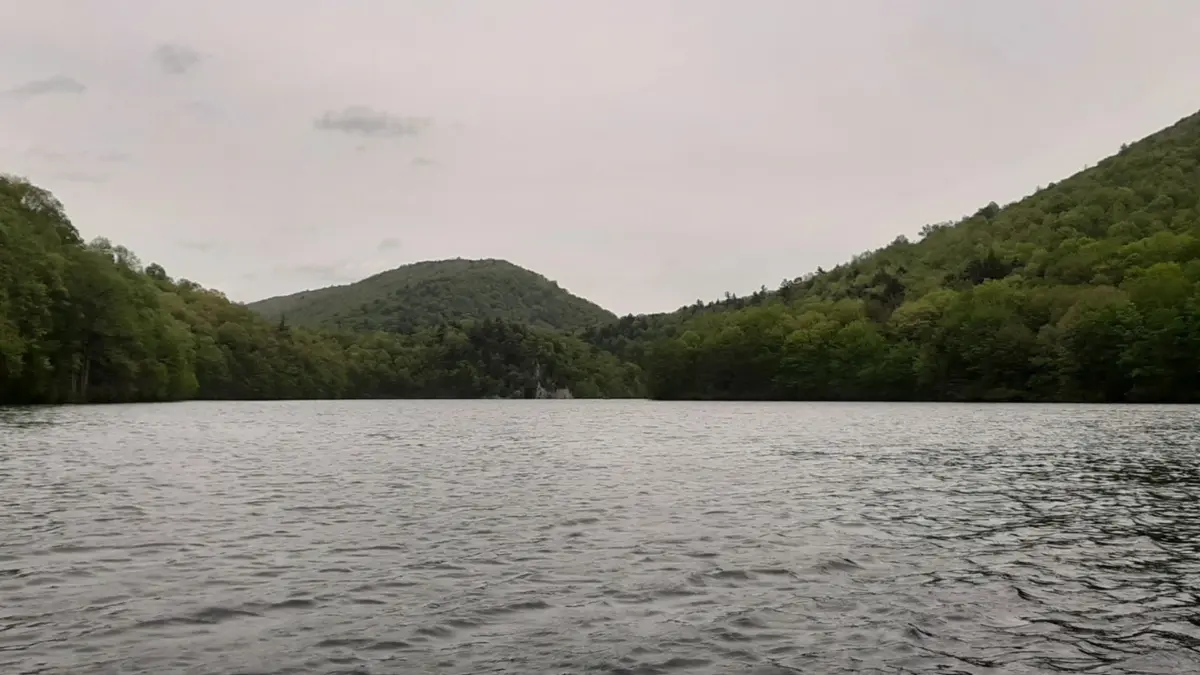
Surrounded by rolling Appalachian peaks and fed by pristine mountain streams, Letterkenny Reservoir provides an intimate wilderness experience without demanding a trek into the deep backcountry. Accessible via a winding network of forest service roads near the tiny hamlet of Roxbury, the site remains blissfully off the radar of mainstream tourism. This comprehensive investigative feature examines the historical origins of Letterkenny Reservoir, details the logistical and ecological realities of visiting the site, analyzes its regional economic and recreational metrics, and explores its long-term future as a protected Pennsylvania escape.

Detailed Chronology: From Wartime Necessity to Recreational Oasis
To fully understand the unique charm of Letterkenny Reservoir, one must step back in time to an era of global conflict and industrial mobilization. The history of this water body is inextricably linked to the geopolitical pressures of the Second World War and the rapid expansion of the United States military logistics infrastructure.
The Wartime Genesis (1940–1945)
In the early 1940s, as the United States prepared for potential involvement in World War II, the federal government recognized an urgent need to establish secure, centralized locations for the storage, maintenance, and distribution of military ordnance and ammunition. The strategic location of south-central Pennsylvania—sheltered by the Appalachian Mountain range yet possessing robust rail and road connections to East Coast ports—made Franklin County an ideal candidate.
In 1942, the U.S. Army established the Letterkenny Ordnance Depot just north of Chambersburg. Spanning thousands of acres, the facility quickly grew into a massive industrial complex, employing thousands of civilian workers and military personnel responsible for servicing tactical vehicles, storing ammunition, and supporting the war effort. As the depot expanded, its operational demands scaled upward, particularly concerning reliable water access for industrial processes, fire suppression, and base infrastructure.
To meet these burgeoning needs, engineers turned to the local watershed. Flowing down from the surrounding Appalachian ridges near the unincorporated village of Roxbury (home to fewer than 200 residents) was the Conodoguinet Creek, a 90-mile-long tributary of the Susquehanna River system. In 1945, military engineers and construction crews dammed a key section of this watershed by erecting a sturdy 16-foot stone dam. This engineering feat impounded the surrounding waters, giving birth to Letterkenny Reservoir.

Post-War Transition and Civilian Stewardship (Late 20th Century)
With the cessation of hostilities in 1945 and the subsequent dawning of the Cold War, the Letterkenny Ordnance Depot—later redesignated as the Letterkenny Army Depot (LEAD)—underwent several strategic reconfigurations. While its primary mission shifted toward missile maintenance and global logistics, the environmental footprint of the base evolved as well.
As municipal water systems modernized and the depot optimized its internal resource management, the 58-acre reservoir transitioned from a strictly industrial asset to a shared ecological and recreational landscape. Recognizing the value of the surrounding forest and the pristine nature of the impoundment, state wildlife and environmental agencies gradually integrated the reservoir into regional conservation frameworks.
Over the decades, the management of the water body and its surrounding fisheries became a collaborative endeavor between federal land stewardship, the Pennsylvania Fish and Boat Commission (PFBC), and local conservation groups. The concrete and stone infrastructure of the 1945 dam was reinforced and maintained, ensuring the structural integrity of the reservoir while allowing natural sedimentation and aquatic ecosystems to mature undisturbed.
The Modern Era of Secluded Recreation (21st Century)
Today, Letterkenny Reservoir stands as a living monument to mid-century engineering repurposed for public enjoyment. While the adjacent Letterkenny Army Depot remains an active, secure military installation playing a vital role in modern national defense, the reservoir itself has been embraced by the civilian outdoor community.
The journey to the water reflects this historical dichotomy. Visitors navigate through historic Franklin County—passing through towns like Chambersburg, known for its walkable, historic downtown and vibrant community life—before turning onto rural byways that terminate at the forest’s edge. The transformation from a restricted wartime industrial project to an accessible, electric-motor-only paddling and angling destination underscores the dynamic evolution of Pennsylvania’s public lands.
Supporting Context & Metrics
Evaluating Letterkenny Reservoir requires a close look at its geographical footprint, regulatory framework, and logistical parameters. For travelers, anglers, and conservationists, understanding these data points ensures a safe, compliant, and deeply rewarding visit.
Geographical and Topographical Metrics
- Surface Area: Approximately 58 acres of open water, providing an intimate setting that can be circumnavigated by paddlecraft within a few hours.
- Dam Specifications: A 16-foot-high stone and masonry dam constructed in 1945 across the Conodoguinet Creek watershed.
- Elevation & Terrain: Nestled within the Appalachian Mountain range at the southern edge of Pennsylvania, characterized by steep forest ridges, mixed hardwood canopies, and alluvial creek beds.
- Coordinates & Access Route: Located near Roxbury, PA. Accessible via Route 641 to Lower Horse Valley Road, transitioning onto McCalmont Road—an unpaved, gravel forestry route leading directly to the parking infrastructure.
Regulatory and Recreational Framework
Managing a delicate ecosystem like Letterkenny Reservoir requires strict adherence to state and federal environmental guidelines. The Pennsylvania Fish and Boat Commission (PFBC) actively regulates the water body to preserve its ecological integrity and fisheries balance.
+-------------------------------------------------------------------------+
|                  LETTERKENNY RESERVOIR QUICK STATS                      |
+---------------------------+---------------------------------------------+
| Location                  | Franklin County, near Roxbury, PA           |
| Water Body Type           | Impounded Mountain Reservoir (58 Acres)     |
| Primary Inflow/Outflow    | Conodoguinet Creek Watershed                |
| Watercraft Regulations    | Non-gasoline motors only (Electric/Manual)  |
| Mandatory Permits         | PFBC Launch Permit required for all craft   |
| Primary Fish Species      | Rainbow Trout, Largemouth Bass, Green Sunfish|
+---------------------------+---------------------------------------------+- Watercraft Restrictions: To protect water quality, minimize shoreline erosion, and maintain the tranquil acoustic environment, gasoline-powered boat motors are strictly prohibited. Watercraft must be propelled by paddles, oars, or electric trolling motors. Furthermore, all watercraft (including kayaks, canoes, and stand-up paddleboards) must possess a valid PFBC launch permit, which can be acquired online prior to arrival.
- Angling Regulations: The reservoir is heavily integrated into the state’s cold-water fisheries management program. It is stocked annually with rainbow trout, offering exceptional catch rates during spring and autumn stocking cycles. Additionally, self-sustaining populations of largemouth bass and green sunfish inhabit the waters. Anglers aged 16 and older must possess a valid Pennsylvania fishing license. Peak productivity typically occurs during the "golden hours"—immediately following sunrise and immediately preceding sunset.
- Geographic Proximity and Transit Metrics:
- Philadelphia: Located approximately 3.5 hours west. Travelers from Philly can experience an urban contrast, moving from the vibrant arts and brewery culture of neighborhoods like Brewerytown to the quiet solitude of the southern Appalachians.
- Pittsburgh: Located approximately 3.5 hours east. Visitors driving from the revitalized steel capital trade a bustling, modern downtown for an undisturbed mountain escape.
- Harrisburg International Airport (MDT): For out-of-state travelers, the Commonwealth’s capital airport is situated just a one-hour drive northeast of the reservoir, serving as the primary regional aviation hub.
Official Statements & Expert Perspectives
The preservation of Letterkenny Reservoir as a dual-purpose ecological and recreational asset relies heavily on ongoing dialogue between state regulators, municipal leaders, and wildlife conservationists. Below are synthesized perspectives from key stakeholder groups regarding the management and future of the site.
Pennsylvania Fish and Boat Commission (PFBC) Resource Management
Fisheries biologists and enforcement officers emphasize the delicate balance required to maintain a high-quality recreational fishery within a restricted military-adjacent watershed.
"Letterkenny Reservoir presents a unique management scenario," notes regional fisheries management personnel. "Because the water body is relatively compact at 58 acres, heavy angling pressure or unmitigated motorized use could rapidly degrade the fishery and shoreline habitat. By restricting watercraft to human-powered and electric-motor vessels, and by maintaining a rigorous annual stocking schedule for rainbow trout, we ensure that anglers experience high-quality catch rates while preserving the peaceful character that defines the location."
State officials also stress the importance of compliance regarding permits and licensing. Environmental sweeps and routine patrols by waterways conservation officers ensure that users respect bag limits, seasonal closures, and mandatory PFBC launch permit requirements, thereby safeguarding the resource for future generations.
Local Municipal and Tourism Leadership
Local leaders in Franklin County and neighboring Chambersburg view Letterkenny Reservoir as an integral component of the region’s growing eco-tourism portfolio. As travelers increasingly seek out-of-the-way destinations that offer physical distancing and immersion in nature, spots like the Letterkenny basin provide a vital economic and cultural anchor.
"Franklin County is often overlooked by travelers rushing between Philadelphia and Pittsburgh," says regional tourism and economic development representatives. "Yet, our community offers a rich tapestry of history, from the walkable, preserved downtown of Chambersburg to the wild, untouched beauty of the Appalachian foothills. Letterkenny Reservoir exemplifies this duality—it connects our industrial heritage with world-class outdoor recreation, inviting visitors to slow down and explore the quieter side of Pennsylvania."
Conservation and Wildlife Advocates
Ornithologists and local conservation volunteers who monitor the avian and aquatic life around the reservoir point to the site as an emerging hotspot for biodiversity.
"The confluence of mountain runoff, dense forest cover, and undisturbed water creates a microhabitat that attracts a remarkable array of wildlife," reports a regional wildlife field observer. "During the spring and summer migration windows, paddlers routinely encounter great blue herons, painted turtles basking on submerged logs, and active ospreys hunting over the surface. On several occasions, bald eagles have been documented soaring above the ridge lines. Protecting the acoustic and physical serenity of Letterkenny Reservoir is paramount to keeping these species returning year after year."
Future Outlook: Preservation, Access, and Sustainable Tourism
As outdoor recreation trends shift toward sustainable, low-impact experiences, Letterkenny Reservoir is positioned to become a model for how rural, historically significant waterways can be managed in the 21st century. Looking ahead over the next decade, several key initiatives and trends will shape the trajectory of this Appalachian sanctuary.
Infrastructure and Access Management
Balancing increased public interest with the absolute necessity of ecological preservation remains the primary challenge for the administrators of Letterkenny Reservoir. The unpaved access corridor—McCalmont Road—and the existing gravel parking area are intentionally maintained in a rustic state to prevent overcrowding and discourage heavy commercial traffic.
Future infrastructure planning focuses on low-impact improvements:
- Sustainable Trail Maintenance: Upgrading erosion-control measures along footpaths that hug the shoreline to prevent silt runoff into the Conodoguinet Creek watershed.
- Enhanced Signage and Educational Kiosks: Installing clear, non-intrusive informational boards at the launch ramp detailing local wildlife, catch-and-release best practices, and packing-out trash policies.
- Digital Permitting Integration: Streamlining the PFBC launch permit acquisition process through mobile platforms, allowing visitors to secure compliance instantly before launching their watercraft.
Climate Resilience and Watershed Health
With changing precipitation patterns and increasing regional temperatures, the health of the Conodoguinet Creek headwaters is a critical focus for environmental scientists. Protecting the surrounding Appalachian forest canopy is essential for maintaining cool water temperatures, which directly impacts the survival rate of stocked rainbow trout and native aquatic organisms.
Collaborative watershed protection initiatives between local conservation districts, state agencies, and federal military land managers aim to monitor water chemistry, mitigate invasive plant species, and preserve the forested buffers that feed the reservoir. These proactive measures ensure that Letterkenny remains a pristine aquatic habitat regardless of broader climatic fluctuations.
Tourism Integration and Economic Impact
While Letterkenny Reservoir will likely never—and should never—transform into a high-traffic commercial resort lake, its reputation as a secluded haven is steadily growing among regional outdoor enthusiasts. This controlled, organic growth benefits surrounding communities like Roxbury and Chambersburg. Visitors engaging in a morning of kayaking or trout fishing frequently patronize local diners, tackle shops, bed-and-breakfasts, and historic downtown merchants.
This symbiotic relationship between low-impact eco-tourism and rural economic vitality ensures that the heritage of Franklin County remains vibrant. For travelers willing to trade the concrete highways for a winding gravel forestry road, Letterkenny Reservoir offers a timeless reward: a tranquil expanse of mountain water where history, wildlife, and absolute peace converge.