










Executive Overview
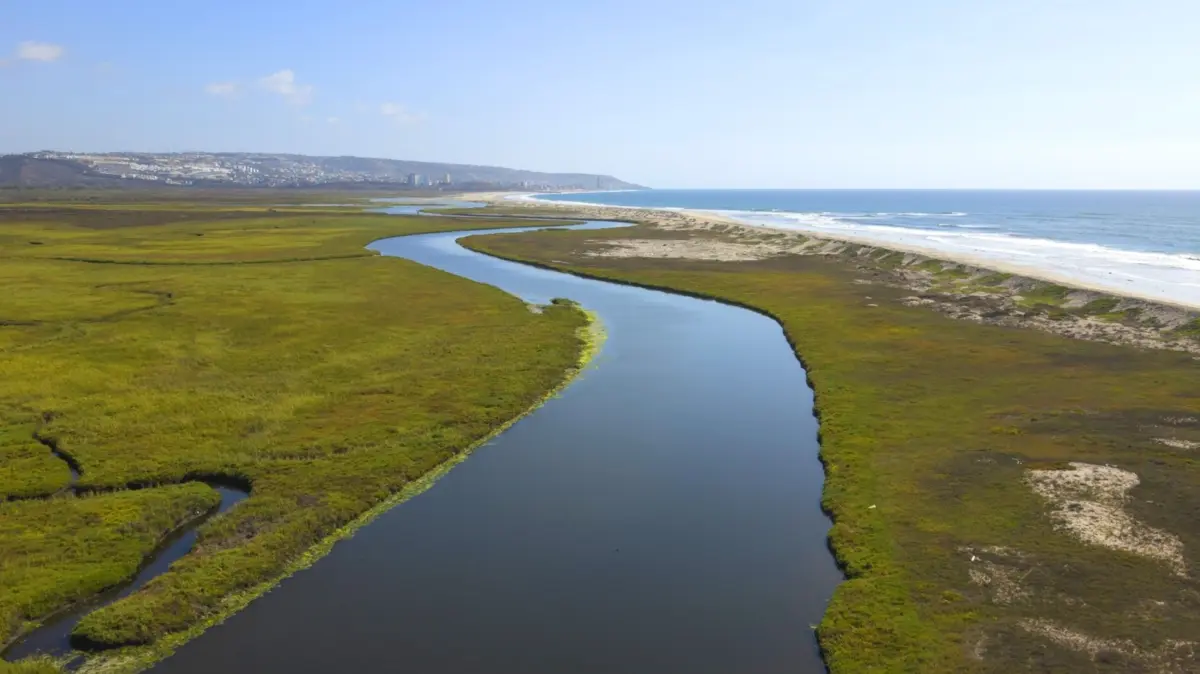
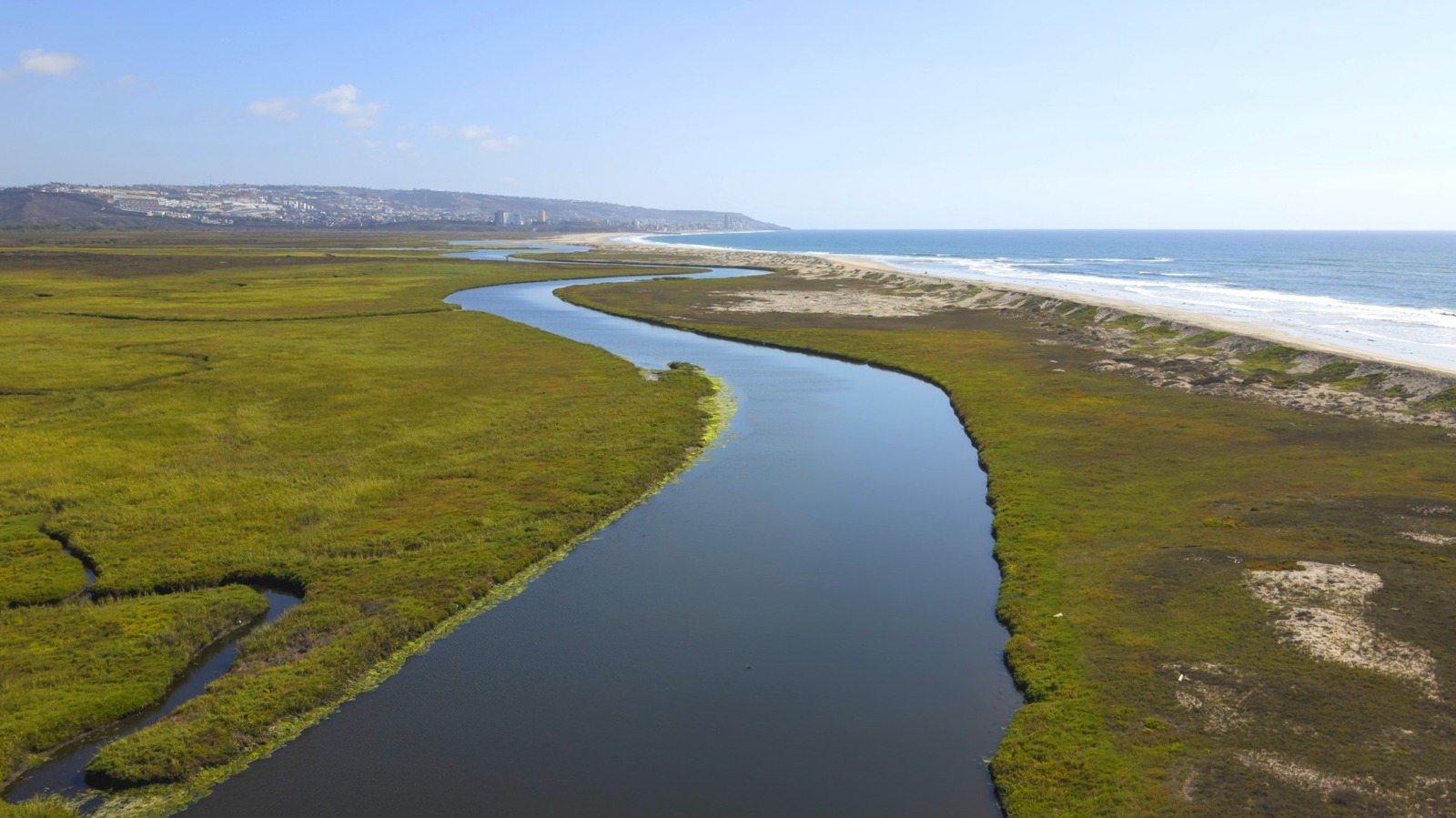
Nestled in the extreme southwestern corner of the continental United States, just a stone’s throw from the international boundary with Mexico, lies a landscape of remarkable ecological resilience and scenic contrast: the Tijuana Slough National Wildlife Refuge. Spanning a little over 1,000 acres of protected wetlands, salt marshes, and coastal dune ecosystems, this pristine sanctuary serves as the upper anchor of the broader 2,800-acre Tijuana River National Estuarine Research Reserve in Imperial Beach, California.
Operating entirely free of charge and open to the public from sunup to sundown year-round, the refuge represents a rare triumph of conservation in heavily urbanized Southern California. It is the largest coastal wetland in the region and holds the distinction of being the only estuarine system in San Diego County remaining unfragmented by modern infrastructure such as highways or railroad tracks. Yet, this natural haven—situated roughly 15 miles south of downtown San Diego and merely miles north of Tijuana—exists in a state of environmental paradox. While it provides an indispensable habitat for hundreds of native and migratory species, it simultaneously battles unprecedented transboundary pollution challenges, urban encroachment, and the compounding pressures of climate change. This comprehensive report examines the refuge’s history, its vibrant biodiversity, the logistical realities of visiting the site, and the critical environmental hurdles it faces in the 21st century.
Detailed Chronology and Establishment of the Reserve
The preservation of the Tijuana Slough and its surrounding estuary was not an accident of geography, but rather the hard-fought result of decades of environmental activism and strategic governmental intervention.
Pre-Columbian and Early Settler Era
Long before the establishment of modern borders, the Kumeyaay nation inhabited the rich estuarine valleys where freshwater from the Tijuana River met the saltwater of the Pacific Ocean. The abundant marine life, waterfowl, and native flora provided vital sustenance for indigenous communities. Following European colonization, the surrounding watershed was primarily utilized for agricultural grazing and occasional maritime trade, yet the marshlands largely resisted intensive development due to their dynamic, flood-prone nature.
The Mid-20th Century Threat of Urbanization
By the post-World War II economic boom, Southern California faced relentless developmental pressures. Real estate speculators and local municipalities eyed the flat, coastal acreage of Imperial Beach and the Tijuana River Valley for residential subdivisions, marinas, and transport corridors. Proposals routinely surfaced to dredge the estuary, channelize the river, and construct extensive marinas that would have permanently erased the tidal wetlands.
The 1980s: Legislative Protection and Designation
Recognizing the impending ecological catastrophe, local conservationists, scientists, and federal agencies mobilized to protect the ecosystem. In the early 1980s, these concerted efforts culminated in the formal establishment of the Tijuana Slough National Wildlife Refuge and the broader Tijuana River National Estuarine Research Reserve.
This dual designation forged a unique collaborative management framework involving the U.S. Fish and Wildlife Service, the National Oceanic and Atmospheric Administration (NOAA), California State Parks, and local cities. The objective was clear: protect, restore, and manage the last remaining major coastal wetland in Southern California while providing controlled public access for education, research, and passive recreation.

Supporting Context, Geography, and Visitor Metrics
The Tijuana Slough National Wildlife Refuge is strategically positioned within the California Floristic Province, a global biodiversity hotspot. Understanding its physical layout and accessibility helps contextualize its dual role as both an ecological fortress and a recreational amenity.
Geographical Context and Accessibility
Encompassing roughly 1,000 federally managed acres within the larger 2,800-acre reserve, the refuge benefits from its proximity to major transportation arteries while maintaining a secluded, wild ambiance. Major roadways such as Interstate 5 and State Route 75 bring visitors to the doorstep of Imperial Beach.
- Proximity: Approximately 15 miles south of downtown San Diego; just north of the international border.
- Operating Hours: Open daily from dawn until dusk.
- Admission Fees: Free of charge.
- Visitor Infrastructure: The Tijuana Estuary Visitor Center, located on the northern perimeter of the refuge, serves as the primary educational hub. Typically operating Wednesdays through Sundays from 10 a.m. to 5 p.m., the center features interpretive exhibits, educational literature, and detailed trail maps.
Trail Networks and Recreational Opportunities
For outdoor enthusiasts, hikers, and birdwatchers, the refuge offers an extensive network of flat, accessible pathways. Prominent routes—collectively highlighted on mapping platforms like AllTrails as the Tijuana Estuary Trail—span a combined length of over 4.5 miles roundtrip.
Key trails include:
- North McCoy Trail: Winds through coastal sage scrub and transitional upland habitats, offering sweeping vistas of the marshlands.
- River Mouth Trail: Leads observers closer to the dynamic interface where the Tijuana River empties into the Pacific Ocean.
- South McCoy Trail: Connects various ecological zones, providing immersion in native floral displays.
- Imperial Beach Shoreline Trail: Parallels the coastal environment, where visitors can occasionally observe marine mammals offshore.
Wooden boardwalks and footbridges span sensitive marsh channels, allowing hikers to observe the subterranean life of the wetlands without trampling delicate flora.
Biodiversity and Wildlife Spotlights
The ecological value of the Tijuana Slough National Wildlife Refuge cannot be overstated. It acts as a biological nursery and a critical pitstop along one of the Western Hemisphere’s most vital avian migration corridors.
Avian Abundance and the Pacific Flyway
The refuge is a premier node on the Pacific Flyway, an avian superhighway stretching from the arctic tundra of Alaska down to the rugged tip of Tierra del Fuego in South America. According to data compiled by the U.S. Fish and Wildlife Service, an astonishing 370 distinct bird species have been documented within the sanctuary. This number rivals or surpasses many of the most celebrated birding destinations in North America.
Biologists and amateur birdwatchers alike frequent the refuge to spot several rare, threatened, and endangered species, including:
- California Least Tern (Sternula antillarum browni): A federally endangered seabird that relies on the undisturbed sandy coastal areas for nesting.
- California Gnatcatcher (Polioptila californica californica): A small songbird intimately tied to the coastal sage scrub community.
- Least Bell’s Vireo (Vireo bellii pusillus): An endangered songbird that nests in the dense riparian thickets along the riverbanks.
- Reddish Egret (Egretta rufescens): A striking wading bird occasionally spotted foraging in the shallow tidal pools.
Terrestrial and Marine Fauna
Beyond avian life, the sanctuary supports a diverse assemblage of mammals, reptiles, and aquatic species.
- Mammalian Residents: Coyotes, gray foxes, desert cottontail rabbits, and Virginia opossums navigate the dry upland areas and marsh borders.
- Reptilian Life: The diverse habitat supports various snake species, including Pacific rattlesnakes (Crotalus oreganus helleri), prompting frequent signage advising hikers to remain vigilant, particularly during warmer afternoon hours.
- Aquatic and Marine Species: The tidal channels and salt marshes serve as nurseries for numerous fish and crustacean species. Smaller elasmobranchs, such as leopard sharks (Triakis semifasciata) and gray smooth-hound sharks (Mustelus californicus), regularly cruise the shallow estuarine waters. Furthermore, visitors strolling the adjacent shoreline paths frequently report sightings of passing cetaceans, including migrating gray whales and pods of dolphins breaching offshore.
Official Statements and Contemporary Challenges
Despite its biological richness, the Tijuana Slough National Wildlife Refuge operates under a cloud of ongoing environmental adversity. The most pressing challenge facing the sanctuary stems from cross-border pollution crises originating in Tijuana, Mexico.
The Imperial Beach Contamination Crisis
For years, millions of gallons of untreated sewage, industrial runoff, and trash have frequently flowed northward across the international border via the Tijuana River and associated canyons, especially during heavy rainfall events. This chronic infrastructure failure has led to severe environmental degradation in the lower watershed and resulted in prolonged closures of the ocean shoreline and waters around Imperial Beach.
In recent official updates, federal and state agencies, including the U.S. Fish and Wildlife Service and the Environmental Protection Agency (EPA), have underscored the severity of these water quality issues. While the upland trails and visitor center of the Tijuana Slough National Wildlife Refuge remain open for public enjoyment, water-based recreation and access to specific beach fringes have faced stringent off-limits directives due to hazardous biological and chemical contamination.
Conservation Management Responses
Resource managers and conservation scientists utilize adaptive management strategies to mitigate these impacts. Efforts include:
- Habitat Restoration: Removing invasive plant species (such as non-grass weeds and ice plant) to give native flora—like pickleweed (Salicornia virginica)—a competitive advantage.
- Water Quality Monitoring: Collaborating with regional water boards to track pollutant loads and advocate for transboundary wastewater infrastructure upgrades.
- Community Engagement: Utilizing educational programming at the Tijuana Estuary Visitor Center to foster grassroots support for watershed stewardship and cross-border environmental diplomacy.
Future Outlook
As the 21st century progresses, the Tijuana Slough National Wildlife Refuge stands at a critical crossroads. Its long-term viability depends heavily on sustained international cooperation, robust funding for infrastructure improvements in the binational watershed, and proactive climate adaptation strategies.
Sea-level rise driven by global climate change poses an existential threat to low-lying coastal estuaries worldwide. For the Tijuana Slough, rising tides threaten to compress the intertidal zones, potentially squeezing out endangered nesting grounds for species like the California least tern if landward migration pathways remain blocked by urban development. Consequently, regional planners are increasingly looking toward "living shorelines" and strategic sediment management to give the marshlands room to adapt organically.
In spite of these formidable challenges, the refuge remains a testament to the resilience of nature. It offers urban residents and international travelers alike a window into the pristine past of the Southern California coast—a place where the cry of the least tern echoes over salt marshes, where bobcats and foxes still roam coastal bluffs, and where the meeting of river and ocean continues to generate a dynamic tapestry of life.
For visitors planning a journey to this unique ecotourism destination, checking current trail conditions and water quality advisories via the official U.S. Fish and Wildlife Service or the Tijuana River National Estuarine Research Reserve portals is strongly recommended to ensure a safe, informative, and unforgettable exploration.