









Executive Overview
Choosing a place to spend one’s golden years is rarely a simple equation. It requires a delicate balancing act of financial forecasting, healthcare accessibility, safety metrics, climate preferences, and the elusive pursuit of community. For millions of aging Americans, the post-career chapter demands a shift away from the relentless pace and high-cost structures of major metropolitan hubs. Instead, the modern retiree seeks a slower, more intentional rhythm of life—one defined by natural beauty, cultural warmth, and fiscal sanity.
Enter Haywood County, North Carolina. Nestled less than an hour west of Asheville, this verdant enclave in the heart of the Blue Ridge Mountains offers a compelling antidote to urban burnout. Comprising charming municipalities such as Waynesville, Maggie Valley, Canton, and Clyde, Haywood County is home to approximately 62,000 residents. It blends the rustic majesty of the Southern Appalachian peaks with a welcoming, tight-knit community feel.
Beyond its picturesque vistas and rolling mist, Haywood County presents a trifecta that makes it an emerging powerhouse in retirement planning: a cost of living comfortably below the national average, a robust demographic foundation of peers, and unmatched access to premier outdoor recreation. For those looking to maximize their retirement savings while elevating their day-to-day quality of life, this North Carolina sanctuary is increasingly demanding serious consideration.

Detailed Chronology: The Evolution of Haywood County as a Haven
To understand Haywood County’s current status as a premier retirement destination, one must examine the historical and developmental trajectory that transformed these mountain hollows from isolated agrarian settlements into a thriving, accessible alpine community.
Early Foundations and the Timber Era (Late 18th to Early 20th Century)
Long before it was mapped as a destination for leisurely retirement, Haywood County was forged by resilience. Formed in 1808 from parts of Buncombe County and named after John Haywood, the North Carolina State Treasurer, the region was originally characterized by isolated subsistence farming, hunting, and timber harvesting. The rugged topography of the Great Smoky Mountains and the Balsam Mountains meant that communities were largely self-reliant, bound by the distinct cultural traditions, folklore, and hospitality that would eventually lay the groundwork for a rich Southern heritage.
The Rise of the Resort and Scenic Economy (Mid 20th Century)
As the United States industrialized and the middle class expanded following World War II, the allure of the Blue Ridge Mountains shifted from raw resource extraction to recreation and tourism. The establishment of the Blue Ridge Parkway—completed in segments through the mid-20th century—and the formal dedication of the Great Smoky Mountains National Park in 1940 changed the economic landscape of western North Carolina. Towns like Maggie Valley evolved from quiet farming settlements into bustling mountain resort towns, welcoming travelers eager to experience crisp air, roadside attractions, and pristine trout streams.
The Modern Demographic Shift (2000s to Present)
Over the past two decades, Haywood County has experienced a quiet yet profound demographic transformation. As the "Baby Boomer" generation reaches retirement age, the region has seen an influx of relocations from high-cost-of-living states like New York, California, Florida, and the urban centers of the Northeast and Midwest.

Local leadership and municipal planners have proactively adapted to this demographic shift. Rather than leaning entirely into transient tourism, towns like Waynesville and Maggie Valley have invested heavily in senior infrastructure, specialized healthcare access, and community-based support programs. Today, seniors aged 65 and older make up roughly a quarter of Haywood County’s total population, creating a built-in community of peers for newcomers and establishing a resilient local economy capable of supporting an aging demographic.
Supporting Context & Metrics: Cost of Living, Demographics, and Safety
When evaluating a relocation destination, anecdotes and scenic views must be weighed against hard economic and social data. Haywood County performs exceptionally well across key financial and civic performance indicators.
Financial Viability and Cost of Living
One of the most pressing concerns for prospective retirees is the sustainability of their fixed incomes or accumulated nest eggs. According to economic data compiled by BestPlaces, Haywood County’s overall cost of living sits approximately 2.7% below the national average.
While a 2.7% discount might seem modest at first glance, the savings become stark when compared against major metropolitan areas:
- Los Angeles, California: Haywood County’s cost of living is roughly 64.4% lower.
- New York City, New York: Haywood County’s cost of living is roughly 75.2% lower.
Housing, property taxes, utilities, and everyday goods in the region remain remarkably accessible, allowing retirees to stretch their retirement accounts significantly further without sacrificing comfort or access to modern conveniences.
Demographic Breakdown and Peer Communities
Haywood County’s population hovers around 62,000 residents, distributed across a unique geographic footprint spanning roughly 550 square miles. The population is anchored by three primary municipalities, each offering a distinct lifestyle:
- Waynesville: The largest hub, boasting a population of over 10,000. It serves as the commercial, cultural, and administrative center of the county, featuring historic downtown storefronts, arts communities, and comprehensive medical infrastructure.
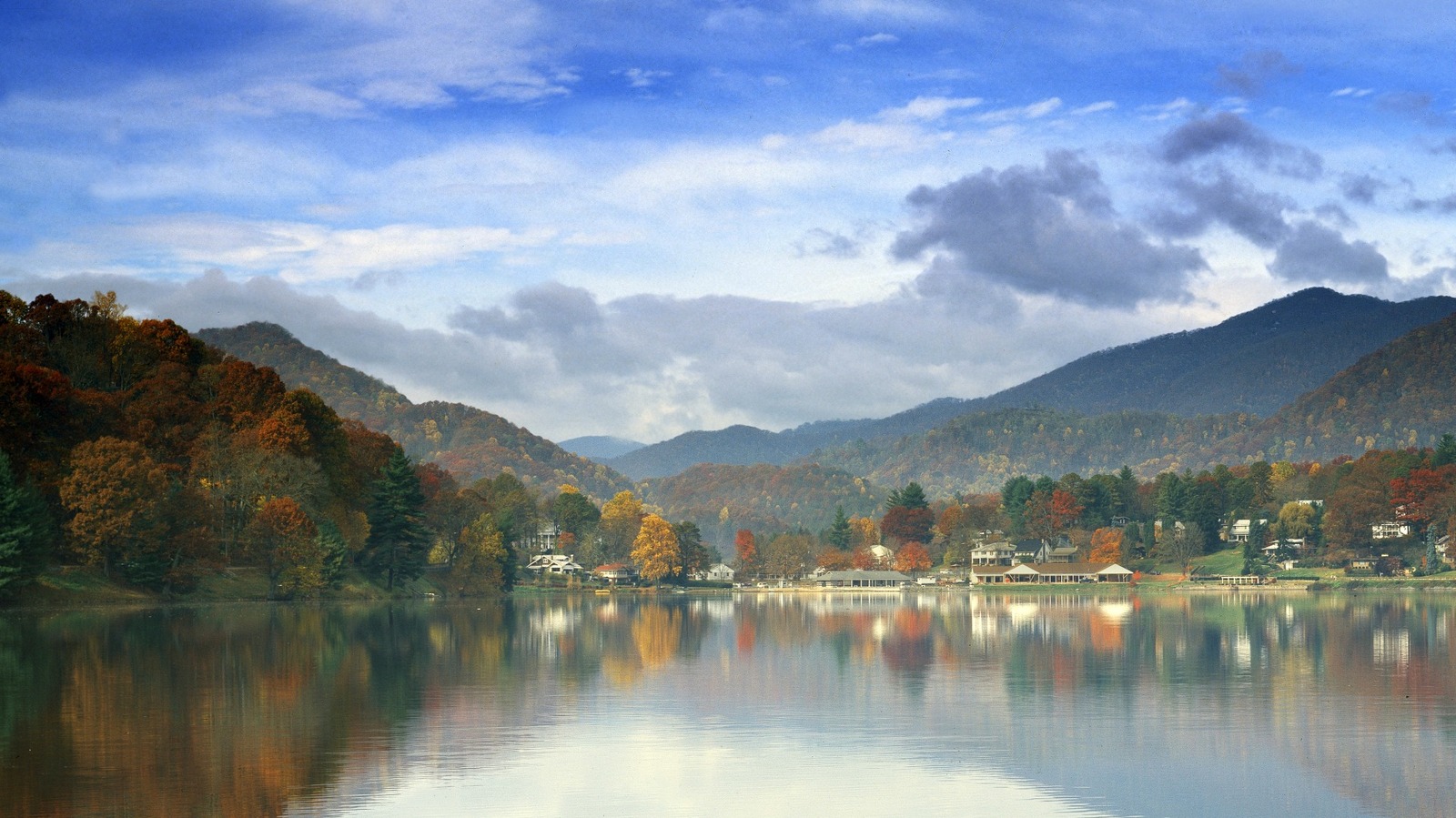
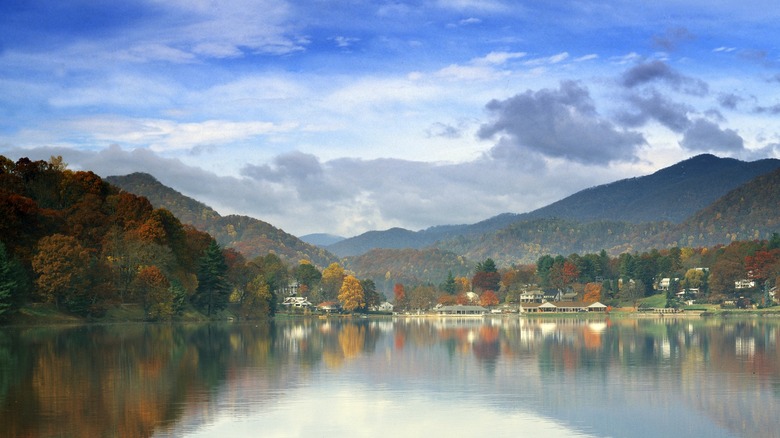
- Lake Junaluska: A serene, picturesque lakeside community with a population hovering around 3,000, ideal for those seeking tranquil water views and a quiet, contemplative atmosphere.
- Maggie Valley: A classic mountain resort town with a population of approximately 2,000, known for its active community programming, family-friendly heritage, and close proximity to rugged wilderness trails.
Crime and Safety Metrics
Safety is paramount during retirement. In this regard, Haywood County excels. Crime rates—particularly violent crime rates—across the county’s primary towns (such as Waynesville and Maggie Valley) consistently trend well below both state and national averages. Waynesville, in particular, boasts violent crime rates that are significantly lower than the national average, providing residents with peace of mind during evening walks and late-life travels.
Official Statements & Community Infrastructure
The true measure of a retirement destination lies in its institutional support networks. Haywood County has built a robust ecosystem designed to cater to the health, social, and logistical needs of its senior residents.
Senior Services and Resource Centers
At the heart of the county’s elder-care network is the Haywood County Senior Resource Center. This organization provides indispensable services, ranging from Medicare and health insurance counseling (SHIIP) to continuous educational seminars, arts classes, bridge and canasta clubs, and knitting circles.
Additionally, organizations like Mountain Projects operate specialized initiatives such as the Congregate Nutrition Program. Available in major hubs like Waynesville and Maggie Valley, this program connects adults aged 55 and older with balanced, healthy meals, social gatherings, and organized field trips. For residents aged 60 and older, participation and meals are offered at no cost, fostering vital social connections that combat the isolation often experienced in retirement.
Healthcare Access and Housing Options
Access to quality medical care is non-negotiable for retirees. Haywood County is served by Haywood Regional Medical Center (a part of Duke LifePoint Healthcare), located in Clyde, which offers comprehensive emergency services, specialized cardiology, orthopedics, and rehabilitation care. Specialized facilities, such as the Maggie Valley Health & Rehabilitation Center, provide targeted short-term and long-term care options.
Furthermore, towns like Waynesville offer diverse senior housing solutions, including independent living communities, assisted living facilities, and professional home care services, ensuring that residents can age in place gracefully as their physical needs evolve.
Future Outlook: Outdoor Recreation and Sustainable Growth
Looking ahead, Haywood County’s trajectory as a premier retirement enclave is anchored by its commitment to preserving its natural assets while expanding its recreational infrastructure.
A Paradise for Naturalists and Hikers
Spanning roughly 550 square miles of pristine mountain topography, Haywood County is an outdoor enthusiast’s dream. The region encompasses portions of three major federally protected wildlands:
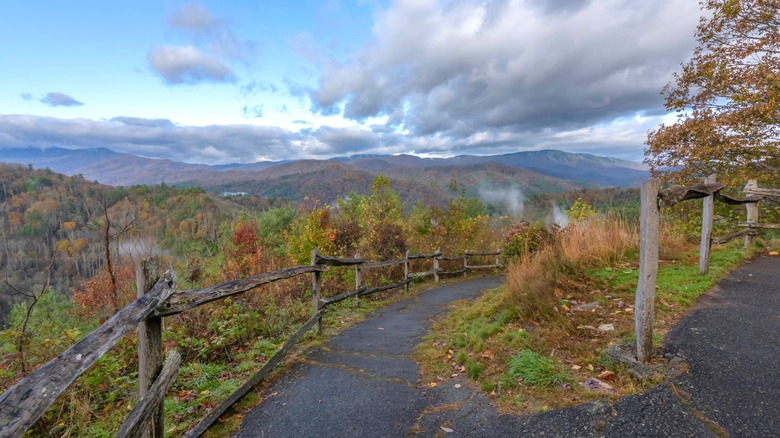
- The Great Smoky Mountains National Park (Cataloochee Valley): A secluded, historic valley within the park known for its roaming herds of reintroduced elk, preserved 19th-century homesteads, and serene hiking trails.
- The Blue Ridge Parkway: Of the parkway’s 469 total miles, a breathtaking 46 wind through Haywood County, offering numerous scenic overlooks, paved accessibility options, and dramatic ridgeline vistas.
- Pisgah National Forest: Providing a quieter, less congested alternative to the heavily trafficked areas of the Great Smoky Mountains, featuring dense Appalachian canopies and stunning waterfall hikes.
For varying activity levels, the county offers an array of meticulously maintained trails. Low-impact options include the Balsam Mountain Nature Trail and the accessible pathways along the Blue Ridge Parkway. For those seeking more moderate challenges, the Soco Falls Trail—accessible just off Maggie Valley’s Soco Road access point—rewards hikers with breathtaking multi-tiered waterfall views.
Modern Parks and Post-Disaster Renewal
The county continues to invest in modern municipal amenities. In Canton, the newly developed Chestnut Mountain Nature Park offers multi-use mountain biking and hiking trails, while the Canton Recreation Park features traditional amenities like shuffleboard courts, volleyball, an outdoor swimming pool, and riverside walking paths.
Demonstrating community resilience, the recent establishment of Inspiration Park in Maggie Valley—created in the wake of Hurricane Helene to honor those affected by the storm—serves as a tranquil creekside gathering space, symbolizing the enduring spirit of the Blue Ridge mountain communities.
Conclusion
As prospective retirees weigh their options against an increasingly complex and expensive economic backdrop, Haywood County, North Carolina, stands out as a beacon of balance. By pairing a cost of living significantly below the national average with robust senior support systems, remarkably low crime rates, and world-class access to the Blue Ridge and Great Smoky Mountains, this region offers more than just a place to live—it offers a peaceful, secure, and deeply enriching community in which to truly enjoy life’s golden years.