





Executive Overview
For decades, the global imagination of a Caribbean vacation has been inextricably linked to the sun-drenched shores of Jamaica. Yet, to reduce the island’s coastal identity to the manicured, private patches of sand sequestered behind all-inclusive resort gates is to miss the vibrant, multifaceted soul of the destination. From the legendary, sun-bleached stretches of Negril to the river-fed coves of Portland and the culturally rich, community-centric sands of Port Antonio, Jamaica’s beaches offer a masterclass in geographical and cultural diversity.
This comprehensive guide explores seven quintessential Jamaican beaches that seasoned travelers and local purists return to time and time again. These locations—spearheaded by icons like Seven Mile Beach, Frenchman’s Cove, and Winnifred Beach—prove that the ultimate Jamaican beach trip seamlessly blends world-renowned names with hidden locales where the sand itself is the primary destination.
This editorial review arrives at a pivotal juncture for the island’s tourism and environmental sectors. Against a backdrop of renewed governmental commitments to public infrastructure development, evolving coastal access legislation, and highly favorable seasonal travel economics, exploring Jamaica’s open shores has never been more timely or rewarding. With accessible airfares, competitive boutique hotel rates heading into the shoulder seasons, and a concerted push to democratize and protect the coastline, travelers are presented with an unprecedented opportunity to experience Jamaica beyond the confines of the resort bubble.
Detailed Chronology: The Evolution of Access and Appreciation
To fully appreciate Jamaica’s current coastal landscape, one must trace the historical and legislative trajectory that has shaped how both locals and international visitors interact with the shoreline.
The Rise of the Enclave Era
In the mid-to-late 20th century, as Jamaica rapidly developed its modern tourism economy, the prevailing model of hospitality favored the self-contained resort. Large properties acquired prime coastal frontages, transforming native fishing villages and accessible strands into private enclaves. While this boom fueled the island’s economic growth and established Jamaica as a premier global brand, it simultaneously created a growing physical and psychological barrier between everyday Jamaicans and their natural maritime heritage.
The Public Access Debate
For generations, coastal access has been a contentious and deeply personal subject across the island. Unlike in some jurisdictions where the entirety of the foreshore is strictly public domain, Jamaica’s coastal geography features a complex mosaic of private titles, traditional common-law pathways, and crown lands. Over the past two decades, civil society groups, environmental advocates, and local communities have increasingly pushed back against unchecked private development, demanding that public rights-of-way be preserved and that historic beaches like Winnifred remain open to the public without exorbitant entry barriers.
Recent Governmental Milestones and Policy Shifts
Recognizing the economic, social, and ecological urgency of the matter, the Jamaican government has increasingly stepped up its legislative and infrastructural involvement:
- August 10 (Policy Realignment): The Jamaican government formally announced a deepened commitment to upgrading public beaches across the island. This initiative focuses heavily on modernizing public infrastructure, installing sustainable waste management systems, and enhancing environmental protection protocols to guard against erosion and pollution.
- The Legislative Dialogue: Officials have openly addressed the complexities of the beach-access debate, emphasizing that policy declarations alone are insufficient without tangible financial backing and strategic urban planning.
- Ongoing Infrastructure rollouts: Throughout the late summer and early autumn, regional municipal corporations have begun rolling out localized improvements, including paved access roads, upgraded restroom facilities, and designated vending areas for local artisans and culinary entrepreneurs at popular public strands.
Supporting Context & Metrics: Travel Economics and Logistics
Navigating Jamaica’s coastline requires an understanding of both seasonal travel dynamics and the logistical realities of island transit. Far from being a prohibitive luxury, exploring Jamaica’s diverse beaches is increasingly accessible to the independent traveler.
Seasonal Economics: Capitalizing on the Shoulder Window
While peak winter months bring bustling crowds and premium pricing, savvy travelers look toward the late-summer and autumn shoulder seasons for exceptional value.
- The Autumn Weather Pattern: September marks the beginning of Jamaica’s second annual rainy period, a seasonal cycle that extends through November. While afternoon tropical showers are common, they are typically brief and followed by brilliant sunshine.
- Value Windows: For flexible travelers willing to navigate occasional liquid sunshine, this period yields compelling financial returns. Caribbean Journal’s seasonal tracking recently highlighted the iconic, 40-room Rockhouse Hotel in Negril offering rates as low as $152 per night during mid-summer windows, with early autumn booking engines (such as Google Hotels) reflecting similarly approachable pricing around $195 per night. Pairing world-class boutique hospitality with unfettered coastal access has never been more financially viable.
Airlift and Accessibility
Getting to Jamaica remains remarkably streamlined, particularly from major North American hubs.
- Flight Durations: Major carriers operate frequent, reliable routes into both Sangster International Airport (MBJ) in Montego Bay and Norman Manley International Airport (KIN) in Kingston. For instance, nonstop itineraries from major midwestern gateways like Chicago to Montego Bay consistently clock in at just under four hours.
- Ground Transit: Once on the ground, traversing the island’s well-maintained highway networks allows travelers to transition swiftly from the arrival gate to the shoreline. The road distance from the Montego Bay airport corridor to Negril’s Seven Mile Beach spans approximately 47 miles—a straightforward drive typically taking just over an hour under normal traffic conditions.
Official Statements: Perspectives on Coastal Management
The ongoing conversation regarding public access and environmental stewardship has drawn commentary from key stakeholders across government and tourism sectors.
Addressing the intricate challenges of coastal management, government minister Matthew Samuda offered clarity during recent parliamentary debates on public infrastructure:
"Beach access doesn’t require policy solely. It requires investment and coordinated development."
Samuda’s sentiment underscores a critical truth in Caribbean tourism management: simply declaring a beach "public" is a hollow victory if the site lacks basic sanitation, safe parking, environmental preservation plans, and protective infrastructure against rising sea levels. The current governmental push aims to bridge this gap, ensuring that public strands are not merely accessible, but are maintained as crown jewels of the island’s ecological and recreational identity.
Tourism directors and environmental scientists echo this dual imperative, noting that Jamaica’s coral reefs, sea-grass beds, and coastal mangrove forests—which naturally protect the beaches from severe storm surges—must be managed hand-in-hand with community tourism initiatives.
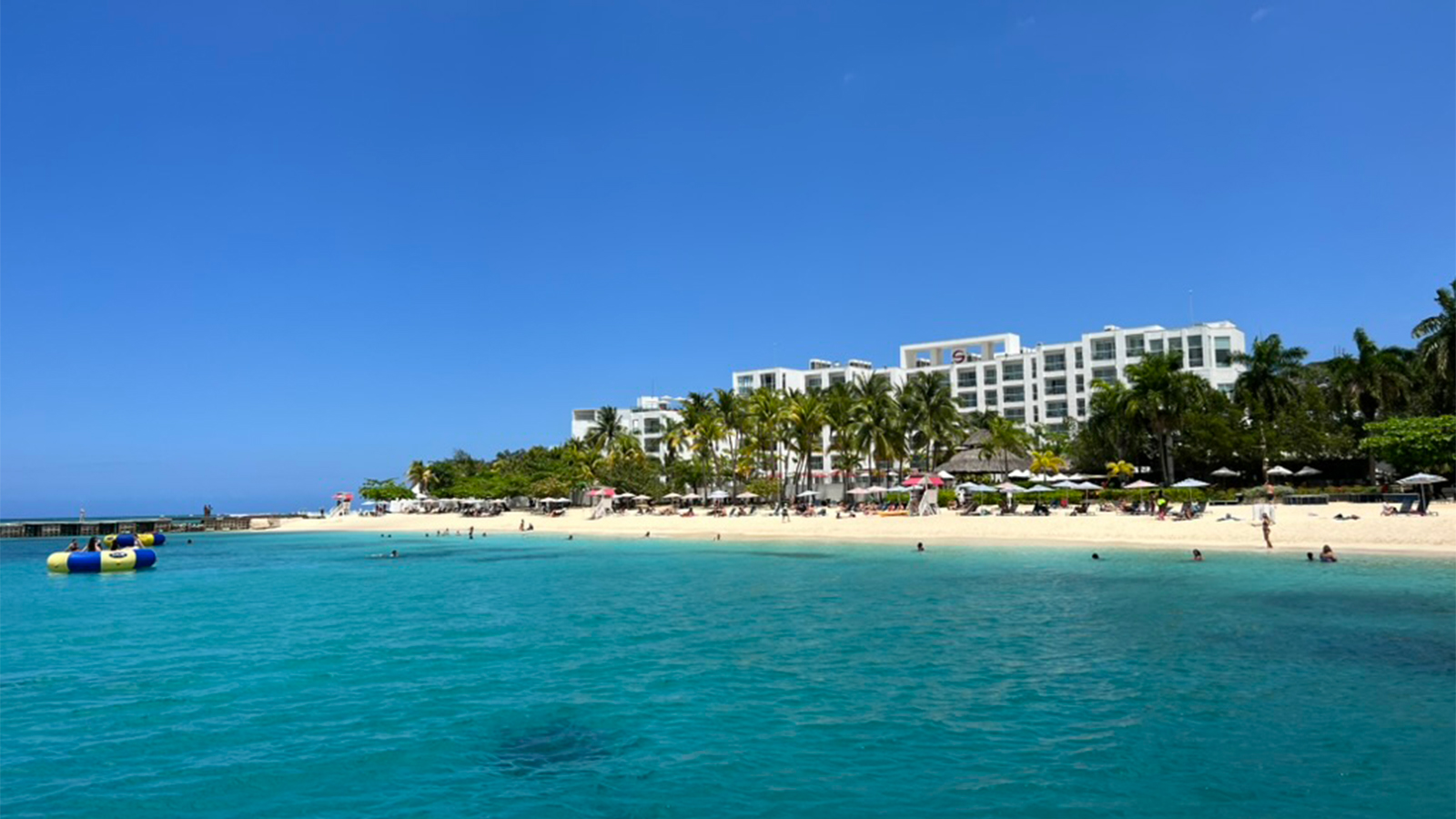
The Essential Seven: Jamaica’s Premier Beach Destinations
[Montego Bay Airport]
       │
       ├─► (47 miles West) ──► Seven Mile Beach, Negril (The Endless Walk)
       │
       └─► (East Coast)  ──► Frenchman's Cove & Winnifred Beach (Portland)
At the heart of any comprehensive exploration of Jamaica’s maritime landscape are seven distinct locations that capture the spirit, geography, and cultural heartbeat of the island.
1. Seven Mile Beach, Negril
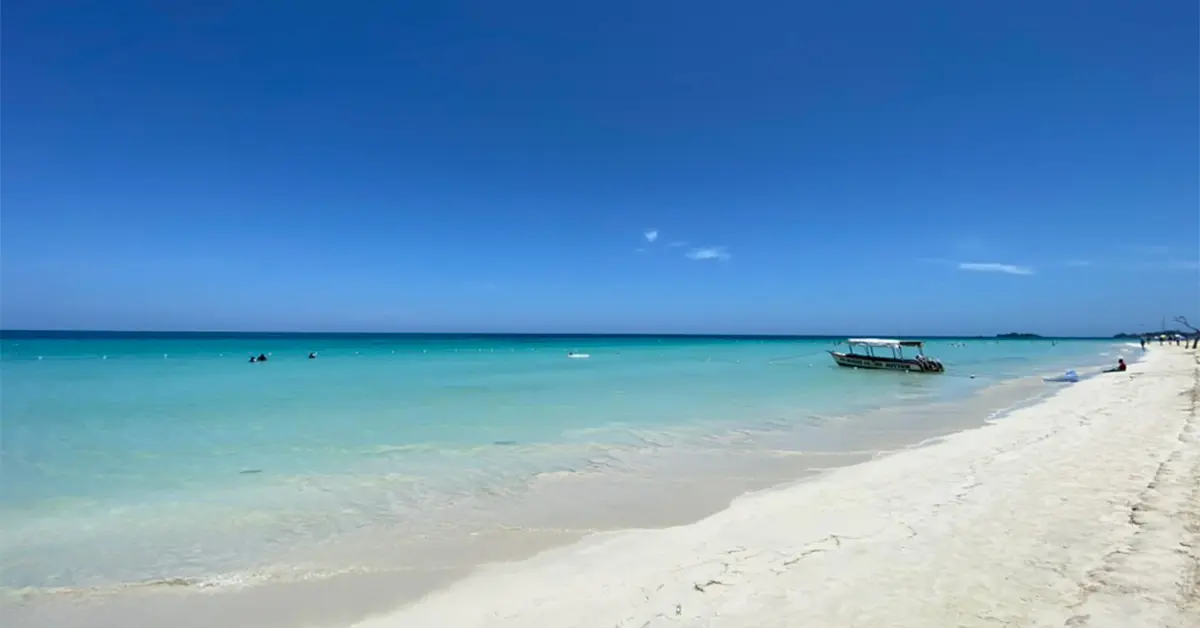
This is the undisputed archetype of the Jamaican beach experience—an almost seven-mile sweep of pale, powdery sand where hotels, independent beach bars, open-air restaurants, local vendors, and pristine stretches of open shoreline seamlessly flow one into the next.
What distinguishes Seven Mile Beach from heavily commercialized mega-resort zones is its staggering scale and organic layout. Visitors are not confined to a single plastic lounger; rather, the beach is experienced in vibrant, shifting sections. You can spend the morning swimming in crystal-clear, calm waters, take a barefoot stroll down the coast for lunch at a legendary jerk shack, stop at a rustic beach bar for a rum punch, and keep walking.
Characterized by bobbing wooden fishing boats offshore, small boutique properties nestled directly against the dune line, and an unusually open, welcoming atmosphere, Negril remains one of the premier destinations in the entire Caribbean for long, uninterrupted beach walks.
- Logistics: Located in Westmoreland Parish, approximately 47 miles west of Sangster International Airport in Montego Bay.
2. Frenchman’s Cove, Portland
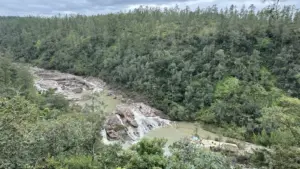
Tucked away on Jamaica’s lush, dramatic eastern coast in Portland Parish, Frenchman’s Cove offers an entirely different sensory experience from the sun-baked expanses of Negril. Here, a crystalline freshwater river winds its way through a dense canopy of tropical rainforest before dramatically emptying into a turquoise, wave-protected marine cove.
The visual contrast of dark green jungle foliage, powdery white sand, and bracingly cool fresh water meeting the warm Caribbean Sea creates a uniquely refreshing swimming environment. It is compact, intensely scenic, and serves as a reminder of Portland’s rugged, unspoiled natural topography.
3. Winnifred Beach, Port Antonio
Located just a short journey from Port Antonio, Winnifred Beach stands as a triumphant symbol of community-driven coastal stewardship in Jamaica. Unlike commercialized strands, Winnifred is a vibrant local beach where a day by the water is deeply intertwined with Jamaican culture.
Visitors here can relax under the shade of massive almond trees while enjoying authentic, freshly prepared island cuisine—such as escovitch fish and festival—cooked by local vendors just steps from the high-tide line. It remains one of the last truly democratic public beaches on the island, cherished equally by neighborhood families and international travelers seeking an authentic slice of local life.
4. Frenchman’s Bay / Treasure Beach, St. Elizabeth
For those looking to escape the conventional tourist track entirely, Treasure Beach on the south coast offers a laid-back, bohemian sanctuary. Comprising a series of small, interconnected coves and dark-sand fishing beaches (including Frenchman’s Bay, Calabash Bay, and Great Bay), this region is defined by a dry, arid climate, rugged cliffs, and a fiercely independent local community. It is a haven for slow travel, community tourism, and unhurried sunset viewing.
5. Doctor’s Cave Bathing Club, Montego Bay
Steeped in history, Doctor’s Cave in Montego Bay is legendary for its crystal-clear, turquoise waters and powdery white sands. In the early 20th century, a British osteopath famously declared that the waters possessed curative powers, sparking the rapid development of Jamaica’s modern tourism industry. Today, while centrally located within the bustling city of Montego Bay, the beach remains meticulously maintained, offering calm swimming conditions and excellent snorkeling right off the shore.
6. James Bond Beach, Oracabessa
Situated on the north coast near St. Mary, this striking beach sits on a small peninsula surrounded by coral reefs and crystal-clear water. Named in honor of Ian Fleming, who wrote the iconic James Bond novels just down the road at GoldenEye, the beach combines literary history with natural beauty. It frequently serves as a venue for major cultural events and outdoor concerts, all while offering tranquil daytime lounging and excellent coastal views.
7. Boston Beach, Portland
No Jamaican beach tour is complete without a visit to Boston Beach, also located in the parish of Portland. Famed as the historic birthplace of authentic Jamaican jerk cuisine, this breezy, wave-swept cove is celebrated not only for its rugged coastal charm and reliable surf breaks, but also for its proximity to the legendary Boston Jerk Centre. It represents the ultimate intersection of Jamaica’s world-famous culinary traditions and its dynamic maritime geography.
Future Outlook: Sustainable Tourism and the Road Ahead
As Jamaica looks toward the future of its coastal economy, the trajectory of its beaches will depend heavily on the delicate balance between sustainable infrastructure development and ecological preservation.
The government’s ongoing investments in public beach infrastructure signal a progressive shift toward inclusive tourism. By modernizing facilities, enhancing waste management systems, and protecting natural coastal barriers, Jamaica is proactively addressing the realities of environmental wear and climate change. Furthermore, the active participation of local communities in managing spaces like Winnifred Beach ensures that the cultural soul of these coastal havens remains intact.
For travelers, the message is clear: the most rewarding Jamaican getaways are those that venture beyond the resort gates. By embracing the rich diversity of public strands, supporting local culinary traditions, and taking advantage of accessible seasonal travel windows, visitors can experience a side of Jamaica that is authentic, enduring, and deeply connected to the sea.