


Executive Overview
Nestled in the rolling northern expanses of the Sooner State, Oklahoma rarely commands the cinematic gloss associated with towering mountain ranges or dramatic coastal cliffs. Instead, it offers an endearing, slow-paced sense of comfort, a quiet and enduring beauty, and a deeply rooted identity tied to the American heartland. For residents and travelers looking to escape the relentless hum of modern urban life, the prescription is simple: pack a cooler and a fishing rod, hitch a boat to the back of a truck, pitch a tent beneath the vast prairie sky, and take a refreshing dip surrounded by undisturbed natural beauty.
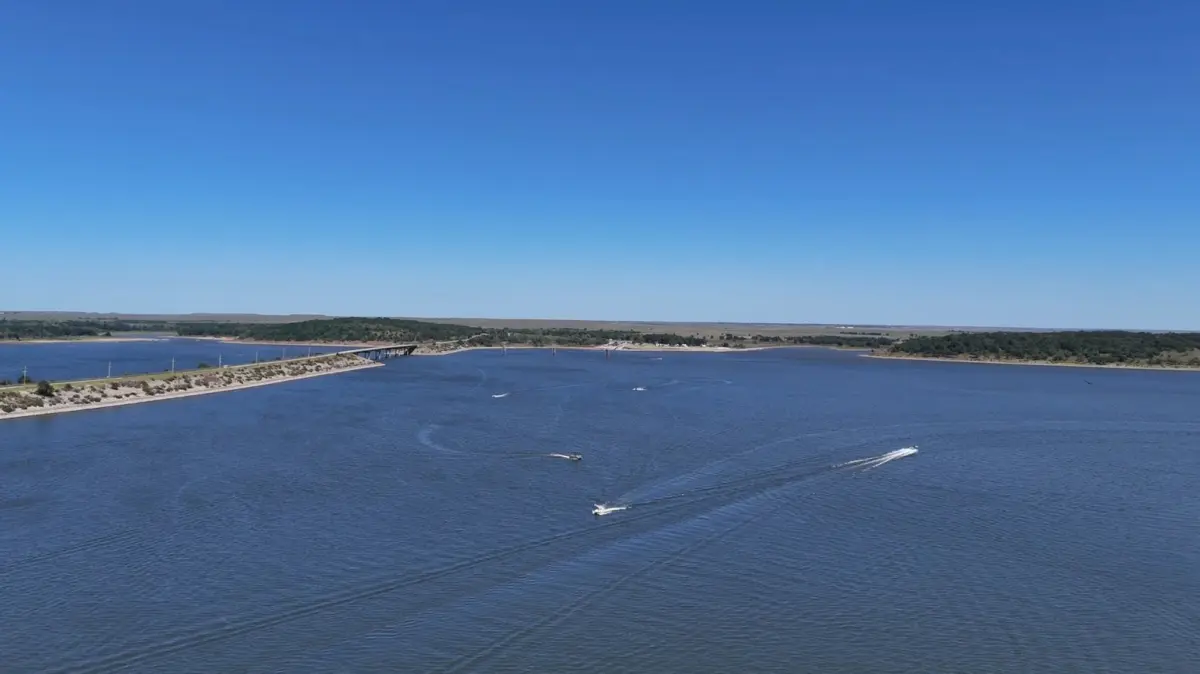
Among the state’s sprawling network of inland aquatic escapes, few locations capture this rustic spirit quite like Kaw Lake. Spanning an impressive 17,000 acres of northern Oklahoma, this magnificent body of water functions as a vital recreational hub. Though artificially engineered—a reality completely masked by its expansive, natural-looking shoreline and pristine waters—Kaw Lake offers an authentic outdoor experience that draws visitors from metropolitan centers like Tulsa, Wichita, and beyond.
Whether visitors arrive seeking the thrill of reeling in a heavyweight catfish, the serene solitude of a lakeside campsite, or a sun-drenched afternoon spent lounging on a sandy beach, Kaw Lake stands out as a premier Midwestern destination. This comprehensive report examines the history, recreational infrastructure, ecological significance, and economic impact of this northern Oklahoma landmark, providing an authoritative guide for outdoor enthusiasts and prospective travelers alike.
Detailed Chronology: From the Arkansas River to the Creation of Kaw Lake
To fully understand the landscape of Kaw Lake, one must look backward through more than a century of regional water management, indigenous history, and large-scale civil engineering projects. The transformation of the Arkansas River basin from a wild, shifting waterway into a controlled network of reservoirs is a story written across generations.
Early History and Indigenous Roots
Long before heavy machinery reshaped the northern Oklahoma topography, the valley of the Arkansas River and its myriad offshoots served as a vital ecological and cultural anchor for indigenous peoples. The lake and the nearby municipality derive their name from the Kaw Nation (also known as the Kansa people), an indigenous tribe with deep historical ties to the region. Today, the Kaw Nation maintains its tribal headquarters in modern Kaw City, situated directly on the edge of the reservoir.
The relationship between the land, the water, and the Kaw Nation is central to the identity of the area. However, the modernization of the Arkansas River watershed required profound sacrifices from the local population.
The Engineering Feat of 1976
For over a century, federal and state agencies evaluated proposals to tame the flooding tendencies of the Arkansas River system. These efforts culminated in major dam and reservoir construction projects throughout the mid-20th century. According to historical archives maintained by the Oklahoma Historical Society, the dam responsible for creating Kaw Lake was officially completed in 1976.
The creation of the reservoir fundamentally altered the geography of Kay County. Original settlements, including the historic Kaw City, were permanently submerged beneath the rising waters of the newly formed lake. In an act of geographic rebirth, a new Kaw City was established along the high northern shores of the reservoir, preserving the community’s name and heritage while adapting to the realities of a controlled watershed. Over the subsequent decades, the U.S. Army Corps of Engineers and local stakeholders developed the surrounding acreage into a premier multi-use public recreation area.
Supporting Context & Metrics: Geography, Access, and Infrastructure
Kaw Lake’s appeal is amplified by its strategic geographic positioning. Situated just miles from the Kansas state line, the reservoir acts as a shared recreational playground for both northern Oklahomans and southern Kansans.
Accessibility and Proximity
- From Tulsa, Oklahoma: Travelers driving northwest from Tulsa can reach the shores of Kaw Lake in approximately one hour and forty-five minutes, making it an ideal weekend getaway for urbanites seeking relief from city congestion.
- From Wichita, Kansas: Residents of southern Kansas enjoy an even shorter commute, with a direct drive south of roughly one hour and thirty minutes bringing them to the lake’s northern approaches.
- Admission Costs: Unlike many heavily commercialized state and national parks across the United States, Kaw Lake itself is entirely free to visit, ensuring equitable access for families and outdoor enthusiasts of all economic backgrounds.
Marina Infrastructure and Watercraft Access
Navigating 17,000 acres of open water requires robust infrastructure, which Kaw Lake amply provides through a network of marinas, boat ramps, and rental facilities:
- Kaw Hideaway Marina: Located strategically on the southern side of the lake, this facility offers pontoon boat rentals, allowing families and groups to spend leisurely days cruising the open water.
- Lakeboat Rental: For visitors seeking high-octane aquatic thrills, specialized vendors provide personal watercraft and jet ski rentals.
- Pioneer Cove Marina: Situated in Kaw City, Pioneer Cove serves as a comprehensive hub for visitors, offering watercraft rentals, marine supplies, snack foods, and camping provisions to ensure guests remain well-stocked during extended stays on the water.
Beaches and Swimming Infrastructure
While Oklahoma is celebrated for hidden geological wonders such as the waterfall swimming holes at Turner Falls Park, Kaw Lake offers a different style of aquatic relaxation through its dedicated sandy beaches:
- Sandy Beach: Located at the southern tip of the lake and operational from May through September, Sandy Beach features picnic shelters, modern restrooms, and spacious parking lots. Access to this managed area requires a nominal day-use pass.
- Kaw Lake Beach (Pioneer Cove Beach): Situated near the Pioneer Cove Marina in Kaw City, this secondary shoreline provides a free-to-enjoy public beach experience, ideal for wading and shoreline relaxation under the supervision of watchful parents (life jackets are strongly encouraged for children and weak swimmers).
Official Statements and Recreational Management
Managing a 17,000-acre water body requires close coordination between state wildlife departments, federal land managers, and local authorities. The Oklahoma Department of Wildlife Conservation (ODWC) enforces strict guidelines to preserve the local ecosystem while maximizing public enjoyment.
Angling Regulations and Wildlife Protocols
Kaw Lake has earned a stellar reputation among regional anglers as a prime destination for landing exceptionally chunky catfish. The aquatic ecosystem also boasts healthy populations of largemouth bass, crappie, and walleye.
According to official ODWC guidelines, anglers operating on Kaw Lake must adhere to state licensing requirements:
- Fishing Licenses: All individuals engaging in fishing activities—whether casting from the shoreline or operating a watercraft—must possess a valid Oklahoma fishing license.
- Non-Resident Protocols: Out-of-state visitors must check in and out of designated public hunting and fishing areas through the Wildlife Department before embarking on their outdoor excursions. This protocol ensures accurate wildlife population tracking and habitat preservation.
Campground Management and Oversight
The campgrounds surrounding Kaw Lake—including Osage Cove, Washunga Bay, and Sarge Creek—are managed to balance high visitor capacity with environmental protection. Each facility is heavily reviewed by the public, consistently maintaining 4-star or higher aggregate ratings across digital mapping and travel platforms such as Google.
Local park rangers emphasize that while the campgrounds offer modern conveniences, campers must respect local burn bans, wildlife protection protocols, and cleanliness standards to ensure the preservation of these public lands for future generations.
Future Outlook: Preservation and Sustainable Tourism at Kaw Lake
As domestic travel trends increasingly favor regional nature tourism, drive-to destinations like Kaw Lake are experiencing a steady rise in visitation. Maintaining the delicate balance between recreational access and ecological preservation will define the lake’s trajectory over the coming decades.
Expanding Recreational Offerings
Local economic development boards and regional tourism coalitions are investing in infrastructure upgrades to enhance the visitor experience without compromising the natural aesthetic of the heartland. Plans include the ongoing maintenance of RV electrical hookups, the modernization of potable water stations, and the expansion of equestrian trails near sites like Sarge Creek, which features unique horse corrals and an outdoor amphitheater.
Environmental Stewardship
Protecting the water quality of the Arkansas River basin and the immediate watershed of Kaw Lake remains a top priority for state environmental agencies. Collaborative efforts between agricultural stakeholders, municipal leaders, and conservationists aim to mitigate runoff, protect native fish habitats, and manage shoreline erosion.
The Timeless Appeal of the Heartland
Ultimately, the future of Kaw Lake rests on its ability to offer an unchanging promise: a place where the hectic pace of modern life dissolves into the rhythmic lapping of water against a sandy shore. Whether families gather around a crackling campfire to sizzle freshly caught catfish in a skillet of oil and flour, or children chase fireflies beneath a canopy of stars untouched by urban light pollution, Kaw Lake remains a shining testament to the enduring comfort, beauty, and identity of the American heartland.