


Executive Overview
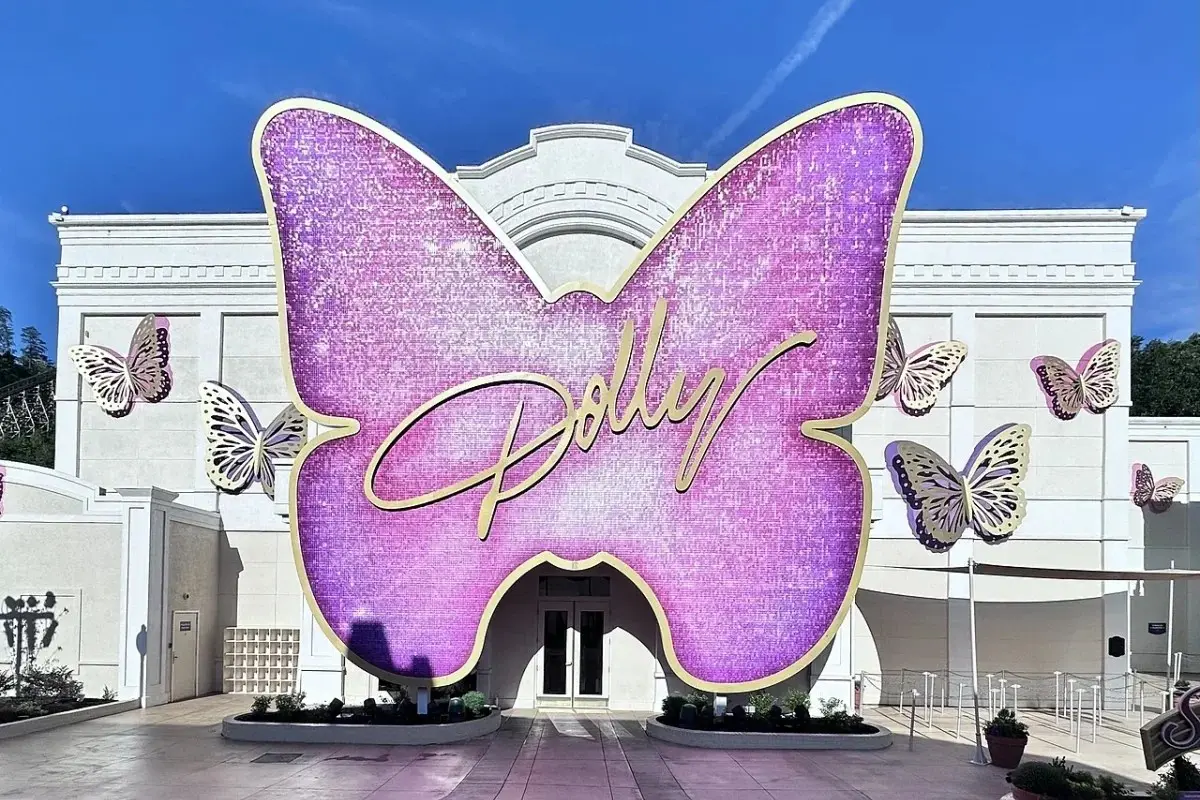
In an era defined by the steady consolidation of the global amusement industry, the steady erosion of regional independent parks, and the frantic debt-servicing selloffs plaguing giants like Six Flags, Dollywood stands as a monumental anomaly. Nestled quietly in the foothills of the Great Smoky Mountains in Pigeon Forge, Tennessee, this privately held, non-franchised theme park is charting a course that increasingly defies broader market trends.
While competitors trim their operating calendars, slash capital expenditures, and struggle under crippling balance-sheet liabilities, Dollywood is aggressively surging forward. The park is currently in the middle of a massive, multi-year $500 million expansion plan—a scale of reinvestment typically reserved for the industry-dominating theme park flagships of Orlando and Southern California, such as Walt Disney World and Universal Studios.
This operational fortitude and financial resilience took on a profoundly emotional and historic significance when Dollywood opened its gates to the public on a solemn Wednesday morning, exactly one day after its legendary namesake and co-owner, country music icon Dolly Parton, passed away at the age of 80.
The juxtaposition of deep national grief and the joyous, swinging turnstile of a Tennessee mountain theme park captures the paradoxical essence of Dollywood. It is a commercial juggernaut built on down-home authenticity, fiercely independent ownership, and a deep-seated cultural resonance that outlasts the boom-and-bust cycles of traditional corporate entertainment.
This in-depth report explores how Dollywood successfully shields itself from the structural vulnerabilities of the modern theme park industry, examining the economic mechanics of its $500 million master plan, the emotional weight of its current operational reality, and the enduring legacy of a cultural icon who built a business model out of radical sincerity.
Detailed Chronology: A Sorrowful Opening Amid a Historic Legacy
The opening of Dollywood’s gates on that Wednesday morning will forever be etched into the annals of American leisure history. Just 24 hours prior, newsrooms worldwide interrupted regular broadcasts to announce the passing of Dolly Parton at age 80, sending waves of profound grief through the global community of fans, musicians, and park enthusiasts alike.
For the leadership team at Dollywood, the executive committee, and the thousands of seasonal and full-time employees known locally as "hosts," the morning presented an agonizing crossroads: close the park out of respect for its foundational matriarch, or push forward into the uncertainty of operating a sanctuary of joy under a cloud of deep mourning.

The decision was swiftly made, rooted entirely in the ethos of the woman whose face adorned the park’s brochures, billboards, and merchandise.
“The show must go on,” read a poignant, resolute statement published prominently across the amusement park’s official website and social media channels. The release elaborated further, stating that the park and its community wished to honor Parton’s indelible memory “not with silence, but with laughter, music, and shared dreams.”
As visitors streamed through the turnstiles that Wednesday, the atmosphere on the park grounds was unlike any other day in its storied history. Attendance was predictably high, drawn not merely by the thrill of the roller coasters or the smell of freshly baked cinnamon bread, but by a collective desire for communal mourning and celebration.
Street performers, traditional Appalachian artisans, and musicians incorporated subtle tributes into their routines. Acoustic renditions of “I Will Always Love You” and “Coat of Many Colors” drifted across Craftsman’s Valley, turning what could have been a somber, paralyzed space into a living memorial.
This resilience is not accidental; it is the culmination of a four-decade timeline that transformed a struggling roadside attraction into a world-class tourism destination. Originally opened in 1961 as a small attraction called Rebel Railroad, the site was later transformed into Goldrush Junction and then Silver Dollar City Tennessee before Dolly Parton partnered with the Herschend family in 1986 to rebrand it as Dollywood.
From its inception under the Parton-Herschend partnership, the park was designed to be an extension of Parton’s personal mission: to celebrate Appalachian heritage, provide meaningful economic mobility to Sevier County, and offer wholesome, family-friendly entertainment. Over the past 38 years, the park has weathered economic recessions, tourism slumps, and global pandemics. Yet, the loss of Parton herself marks the definitive end of an era, transforming Dollywood from a living celebrity’s passion project into a permanent monument to her enduring cultural footprint.
Supporting Context & Metrics: The Economics of Independence
To fully understand why Dollywood’s current trajectory is so remarkable, one must examine the broader, often turbulent landscape of the modern amusement park industry. Regional park operators across North America are facing unprecedented financial pressures.
In recent years, industry consolidation has accelerated. Companies like Six Flags and Cedar Fair completed high-stakes mergers to achieve operational scale, yet many legacy operators continue to battle heavy debt loads accumulated during years of aggressive expansion and the catastrophic disruptions of the COVID-19 pandemic. To service this debt, these corporate operators have increasingly resorted to asset shedding, deferred maintenance, dynamic pricing hikes that alienate core consumers, and cutbacks in park operating days.
Independent regional parks—those not backed by massive media conglomerates or private equity conglomerates—have fared even worse. Across the United States, independent family-owned parks are quietly shuttering their gates for good, unable to compete with the skyrocketing costs of liability insurance, labor shortages, and the capital expenditure required to install next-generation, high-thrill roller coasters.
Dollywood, however, operates in an entirely different financial stratosphere while retaining its localized charm. The park is privately held through a partnership between the Herschend Family Entertainment corporation and Dolly Parton herself. This private structure shields Dollywood from the merciless quarterly earnings pressures faced by publicly traded competitors, allowing leadership to take a long-term view of capital deployment.
At the center of this financial strength is the park’s ongoing $500 million capital investment master plan, rolled out across a multi-year timeline. While a half-billion-dollar price tag is standard for a brand-new gate at a Disney resort, it is virtually unprecedented for a regional park situated in the mountains of East Tennessee.
Key Pillars of the $500 Million Investment:
- Infrastructure & Capacity Expansion: Upgrading park-wide utilities, expanding parking and tram capacities, and streamlining guest flow to comfortably accommodate the millions of annual visitors who flock to Pigeon Forge.
- Immersive Themed Lands: The creation of expansive new areas, such as Wildwood Grove, which debuted to critical acclaim and set a new standard for family-oriented theme park design outside of the major Orlando resorts.
- World-Class Attractions: Continual investment in record-breaking roller coasters and dark rides developed in partnership with premier engineering firms like B&M and Mack Rides, balancing high-speed thrills with storytelling deeply rooted in Appalachian folklore.
- Hospitality Integration: The continuous expansion of on-site lodging, highlighted by the Dollywood’s DreamMore Resort and Spa and the Dollywood’s HeartSong Lodge & Resort, transforming the park from a day-trip destination into a multi-day resort vacation hub.
This heavy, sustained capital expenditure has yielded exceptional returns. Visitor satisfaction scores at Dollywood routinely rank among the highest in the entire global amusement industry, often rivaling or exceeding those of Disney and Universal properties. Furthermore, the park functions as an economic powerhouse for Sevier County, employing thousands of local residents and driving billions of dollars in tourism revenue into the regional economy.
Official Statements and Industry Reactions
In the wake of Dolly Parton’s passing and the subsequent opening of the park, industry analysts, corporate partners, and cultural figures have flooded the public sphere with reflections on her unique business acumen and the institutional stability of Dollywood.
While corporate representatives for Dollywood maintained a localized focus on guest care and honoring Parton during the immediate aftermath of her passing, institutional stakeholders have been vocal about the structural strength of the park’s business model.
In an interview earlier this year with The Wall Street Journal, Parton offered a rare glimpse into her long-term vision for the enterprise she helped build, emphasizing that Dollywood was engineered to outlive her. Parton noted that she actively worked to ensure the park’s foundational ethos, financial independence, and commitment to the local community would remain untouched long after she was gone, viewing the park as her greatest lasting gift to East Tennessee.
Financial analysts specializing in the leisure and hospitality sector have pointed to Dollywood as a case study in brand equity and authentic cultural integration.
"Most regional theme parks struggle because they rely on generic thrills that can be replicated anywhere," notes Sarah Jenkins, senior leisure industry analyst at MarketMetrics. "Dollywood possesses something money simply cannot buy: authentic cultural equity rooted in the persona of one of the most beloved figures in modern history. Because the park celebrates the genuine history, music, and craftsmanship of the Appalachian region, it is entirely insulated from the homogenizing trends affecting corporate chains. It feels real because, at its core, it is real."
Herschend Family Entertainment, which operates the park on a day-to-day operational level alongside the Parton estate, has reiterated its steadfast commitment to executing the remainder of the $500 million master plan without deviation. Industry insiders interpret this consistency as a powerful signal of confidence from ownership, proving that Dollywood’s leadership views Parton’s passing not as a business disruption, but as a solemn mandate to preserve and elevate her life’s work.
Future Outlook: Navigating a Post-Dolly Era
As Dollywood looks toward the horizon, the central question facing leadership, investors, and millions of devoted fans is simple: Can the magic endure without the physical presence of its namesake?
The historical precedent for celebrity-branded attractions losing their cultural relevance following the passing of their creators is well-documented. However, Dollywood possesses unique structural defenses that position it for sustained success in a post-Dolly era.
1. Institutionalized Authenticity
Dollywood’s appeal has never relied solely on personal appearances by Dolly Parton, though her occasional visits were always historic events. Instead, the park’s day-to-day product is built on tangible, participatory cultural experiences: glassblowers shaping delicate ornaments in Craftsman’s Valley, gospel choirs filling the Smoky Mountain air with soaring harmonies, and master bakers crafting the park’s famous cinnamon bread. These traditions are sustained by a deeply dedicated workforce, many of whom view their employment at Dollywood as an extension of community service and regional pride.
2. Continued Capital Momentum
The momentum of the $500 million expansion ensures that the park will not stagnate creatively. With new attractions, immersive hotel properties, and technological upgrades scheduled to roll out over the coming years, Dollywood will maintain its competitive edge against rival regional operators. The physical infrastructure of the park is more robust, modern, and capable of handling high visitor volumes than at any point in its history.
3. Generational Brand Loyalty
Dolly Parton’s brand of radical inclusivity, philanthropy, and down-home charm has transcended generational divides. Parents who visited Dollywood as children in the late 1980s and 1990s are now bringing their own children and grandchildren to the park. This generational transmission of loyalty creates a self-sustaining tourism pipeline that is largely immune to shifts in pop culture trends.
4. Preservation of the Vision
With clear directives left by Parton herself, alongside the steady, experienced hand of Herschend Family Entertainment, the strategic blueprint for Dollywood is locked in. The park’s governance structure ensures that its profits continue to fuel local economic development, support the Dollywood Foundation, and reinvest directly back into the guest experience rather than being siphoned off to service corporate debt.
Conclusion
The opening of Dollywood on that Wednesday morning will forever remain a poignant moment in American cultural history—a bittersweet convergence of profound communal grief and the defiant hum of roller coaster chains echoing through the Smoky Mountains.
As independent theme parks stumble and corporate giants buckle under the weight of financial overextension, Dollywood stands tall, fortified by a $500 million investment strategy and an unshakeable sense of identity. Dolly Parton may have left this physical world, but the house she built—stretching across the hills of Pigeon Forge and anchored in the hearts of millions—is built on bedrock.
By staying true to its Appalachian roots, maintaining its financial independence, and honoring the memory of its founder with relentless joy, Dollywood proves that authentic storytelling and visionary leadership can weather any storm. The show has not only gone on; it is poised to shine brighter than ever before.