








Executive Overview
Turkey is facing a critical geopolitical and economic test as the United States prepares to enforce "Operation Economic Outcast"—a sweeping pressure campaign designed to completely isolate Iran. Ankara, a pivotal NATO ally and Iran’s third-largest trading partner, finds itself at a crossroads. It must balance its vital energy security against its desire to repair and strengthen its complex relationship with Washington.
For decades, Turkey has relied on its eastern neighbor to meet its domestic energy demands. Last year, Iran supplied approximately 13% of Turkey’s natural gas imports, totaling 7.7 billion cubic meters (bcm). This volume makes Iran Turkey’s fourth-largest gas supplier, behind Russia, Azerbaijan, and the United States.
Turkey's Natural Gas Import Sources (Recent Share)
┌───────────────────────────────────────────┐
│ Russia (Primary)                          │
├───────────────────────────────────────────┤
│ Azerbaijan (Secondary)                    │
├───────────────────────────────────────────┤
│ United States (LNG)                       │
├───────────────────────────────────────────┤
│ Iran (13% / 7.7 BCM)                      │
└───────────────────────────────────────────┘
The threat of secondary U.S. sanctions comes at a delicate time for Turkish President Recep Tayyip Erdogan. Ankara is currently lobbying Washington to secure advanced military hardware, including F-16 and F-35 fighter jets, while attempting to resolve long-standing disputes over Russian-made air defense systems.
As the Trump administration prepares to penalize any nation doing business with Tehran, Turkey must decide whether to comply with its Western ally or protect its energy pipeline. This decision could have significant consequences for its domestic economy, regional stability, and broader geopolitical alignments.
Detailed Chronology: The Road to "Operation Economic Outcast"
The current crisis stems from a prolonged, six-month military conflict in the Middle East that has disrupted regional energy infrastructure and trade routes.
TIMELINE OF THE GEOPOLITICAL ESCALATION
┌─────────────────┐
│  Late February  │ ──► U.S. and Israeli airstrikes target Iran; South Pars field hit
└─────────────────┘
┌─────────────────┐
│    June 2026    │ ──► U.S. Justice Department requests dismissal of Halkbank case
└─────────────────┘
┌─────────────────┐
│    July 2026    │ ──► Turkey's 25-year, 9.5 bcm/year gas contract with Iran expires
└─────────────────┘
┌─────────────────┐
│  Late November  │ ──► Treasury Secretary Bessent announces "Operation Economic Outcast"
└─────────────────┘
The Outbreak of Hostilities
In late February, a series of U.S. and Israeli airstrikes targeted military and strategic infrastructure across the Islamic Republic of Iran. While energy facilities were largely spared to prevent a global supply shock, a targeted strike on the South Pars gas field—the world’s largest natural gas field, shared between Iran and Qatar—caused a temporary halt in regional gas exports. Despite this disruption, Turkey managed to maintain its import flows, underscoring the resilience of the bilateral energy pipeline.
The Maritime Stalemate
Over the spring and summer, the conflict settled into a tense, attritional stalemate. Tehran asserted control over the strategic Strait of Hormuz, threatening global maritime transit, while a U.S.-led naval blockade of Iranian ports severely restricted the country’s crude oil exports. Diplomatic mediation efforts led by Qatar and Pakistan yielded little progress, leaving both Washington and Tehran entrenched in their positions.

The Diplomatic Pivot
As direct military engagements subsided, the United States shifted its focus to economic warfare. On Monday, U.S. Treasury Secretary Scott Bessent announced "Operation Economic Outcast." The policy issues a clear ultimatum to the international community: any country continuing to conduct business with Iran after an unspecified grace period will face severe economic penalties and exclusion from the U.S. financial system.
Concurrently, President Donald Trump began making direct calls to world leaders to demand compliance. For Turkey, this pressure coincides with an upcoming high-profile state visit by President Erdogan to Washington next month, forcing Ankara to address the issue directly.
Supporting Context & Metrics: The Anatomy of Turkey’s Dependency
To understand the difficulty of Turkey’s position, one must examine the country’s energy landscape and its broader economic ties with Iran.
Key Trade Metrics (Turkey-Iran Relations)
┌──────────────────────────────────────┬─────────────────────────────────────┐
│ Metric                               │ Value / Percentage                  │
├──────────────────────────────────────┼─────────────────────────────────────┤
│ Iran's Share of Turkish Gas Imports  │ 13% (~7.7 Billion Cubic Meters)     │
│ Bilateral Trade Volume (H1)          │ $3.1 Billion (Down 3% YoY)          │
│ Iranian Share of Turkish Tourism     │ 5.5% of total foreign arrivals      │
│ Expired Contract Volume              │ 9.5 Billion Cubic Meters per year   │
└──────────────────────────────────────┴─────────────────────────────────────┘
The Gas Pipeline and the "Make-Up" Mechanism
The foundation of Turkey’s energy relationship with Iran was a 25-year supply agreement for 9.5 bcm of gas per year, which officially expired at the end of July. Despite the contract’s expiration, natural gas has continued to flow through the Tabriz-Ankara pipeline.
According to sources familiar with the matter, these ongoing flows consist of "make-up gas." Under take-or-pay energy contracts, make-up gas represents volumes that were paid for in previous years but undelivered due to technical faults, pipeline maintenance, or supply shortfalls on the Iranian side. This mechanism has provided Turkey with a temporary legal and logistical buffer, allowing it to import Iranian gas without signing a new, politically sensitive long-term contract.
Trade and Tourism Interdependence
Beyond natural gas, the economic relationship between Ankara and Tehran remains substantial:
- Bilateral Trade: During the first half of the year, trade between the two countries reached approximately $3.1 billion. While this represents a modest 3% decline compared to the same period last year, it demonstrates the durability of their commercial ties despite regional instability.
- Tourism: Iranian tourists are a key source of foreign currency for the Turkish hospitality sector. After an initial drop at the start of the Middle East conflict, visitor numbers recovered, with Iranian citizens accounting for 5.5% of all foreign arrivals in Turkey during the first seven months of the year.
Official Statements & Geopolitical Maneuvers
The diplomatic messaging surrounding "Operation Economic Outcast" reveals the competing priorities of the parties involved.
The View from Washington
Treasury Secretary Scott Bessent framed the new sanctions regime as a decisive tool to force Tehran to the negotiating table.
"Operation Economic Outcast is designed to present Iran with a clear choice: accept complete global isolation, or agree to acceptable terms with Washington to bring a permanent end to this conflict," Bessent stated.
The administration’s strategy relies on leveraging President Trump’s personal relationships with key foreign leaders, including President Erdogan. At a recent NATO summit in Ankara, Trump praised Erdogan, describing him as far more "loyal" than other international partners. This personal rapport is expected to be put to the test as Washington demands that Ankara halt its Iranian gas imports.
The View from Ankara
For President Erdogan, the timing of the U.S. pressure is highly sensitive. Turkey is currently seeking to resolve several long-standing disputes with Washington to secure key defense upgrades:
- F-35 Joint Strike Fighter Program: Turkey is attempting to negotiate its return to the F-35 consortium, from which it was expelled after purchasing Russian S-400 air defense systems. Ankara is reportedly exploring options to offload or mothball the Russian equipment to satisfy U.S. security concerns.
- F-16 Purchases: Turkey is also seeking to finalize a multi-billion-dollar deal to purchase new F-16 fighter jets and modernization kits for its existing fleet.
These defense acquisitions are critical for Turkey’s military modernization and its domestic political standing ahead of elections in less than two years.
Turkey's Defense & Diplomatic Objectives
┌────────────────────────────────────────────────────────┐
│ 1. Secure F-16 Purchase & Modernization Kits           │
├────────────────────────────────────────────────────────┤
│ 2. Renegotiate entry into F-35 Fighter Jet Consortium  │
├────────────────────────────────────────────────────────┤
│ 3. Offload Russian S-400 Air Defense Systems           │
├────────────────────────────────────────────────────────┤
│ 4. Maintain domestic energy price stability            │
└────────────────────────────────────────────────────────┘
Nihat Ali Ozcan, a strategist with the Ankara-based think tank TEPAV, believes these defense priorities will ultimately dictate Turkey’s response to the U.S. demands.
"President Erdogan is highly unlikely to take any action that would anger President Trump and jeopardize the progress made toward improving ties with Washington," Ozcan noted. "With crucial elections less than two years away, Ankara is likely to align with Washington, even if it means securing more expensive alternative energy supplies before the winter season."
Further signaling this diplomatic shift, the U.S. Justice Department recently took steps to resolve a long-running source of tension. In June, federal prosecutors asked a judge to dismiss the criminal sanctions-evasion case against Turkish state-owned lender Turkiye Halk Bankasi AS (Halkbank). The move was widely interpreted as a goodwill gesture aimed at clearing the path for closer bilateral cooperation.
Official Silence
When asked for comment on the future of the gas imports, official channels on both sides remained quiet. Turkey’s Energy Ministry declined to comment on its plans for the Tabriz-Ankara pipeline, while Iran’s Oil Ministry did not respond to inquiries regarding the status of negotiations for a replacement contract.
Future Outlook & Strategic Alternatives
If Turkey complies with "Operation Economic Outcast" and halts its imports of Iranian gas, it will need to rapidly adjust its energy procurement strategy to prevent domestic shortages and price spikes.
Alternative Energy Portfolios for Turkey
┌───────────────────────────────────────────────────────────────────────────┐
│ Black Sea (Sakarya Field) ──► Domestic production ramping up              │
├───────────────────────────────────────────────────────────────────────────┤
│ Azerbaijan                ──► New pipeline import volumes starting 2029   │
├───────────────────────────────────────────────────────────────────────────┤
│ LNG Imports               ──► Flexible spot purchases from US/Qatar       │
└───────────────────────────────────────────────────────────────────────────┘
The Role of Liquefied Natural Gas (LNG)
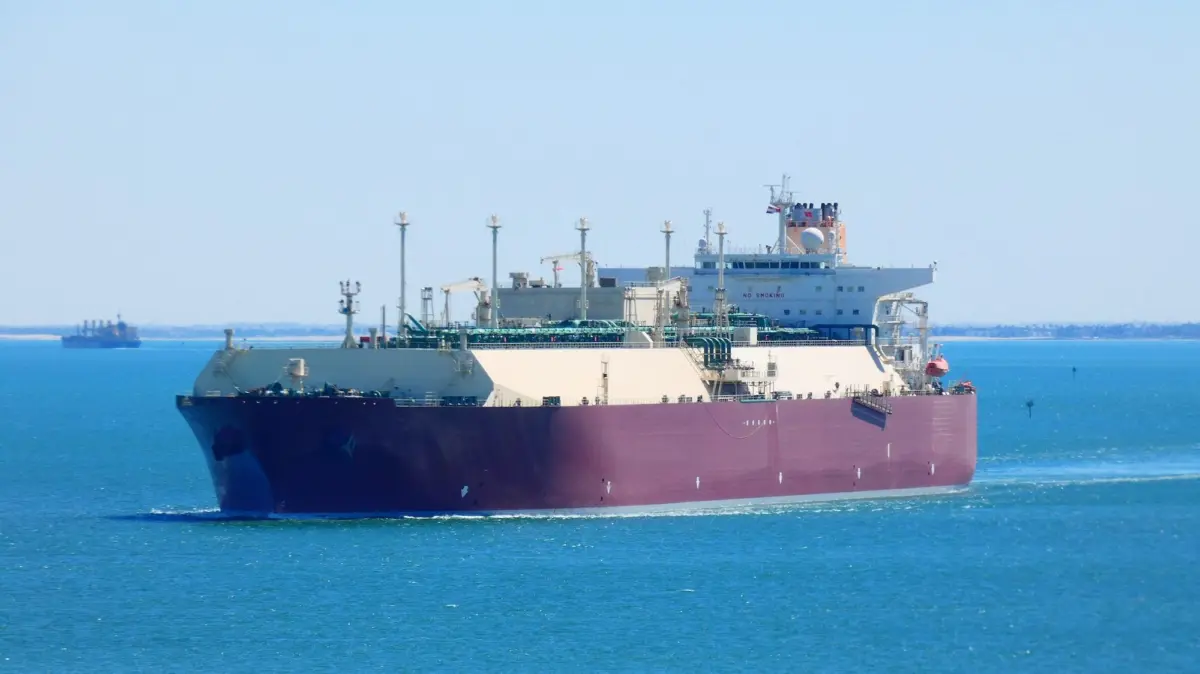
Turkey is relatively well-positioned to weather a sudden loss of Iranian gas due to its extensive investment in LNG import infrastructure. Over the past decade, Ankara has built several land-based regasification terminals and floating storage and regasification units (FSRUs).
If pipeline gas from Iran is cut off, Turkey can offset the deficit by purchasing more LNG on the spot market, with the United States poised to be a primary supplier. However, shifting from long-term pipeline gas to spot-market LNG is likely to increase import costs, potentially adding pressure to Turkey’s inflation rate.
Domestic Production and Regional Diversification
Ankara is also working to boost its domestic energy production and diversify its pipeline partners:
- The Sakarya Gas Field: Turkey is actively ramping up production at its offshore Sakarya field in the Black Sea. While current volumes cannot fully replace Iranian imports, the field represents a growing source of domestic supply.
- The Azerbaijani Connection: Turkey has secured agreements to receive additional pipeline gas imports from Azerbaijan, though these increased volumes are not scheduled to begin flowing until 2029.
- Storage Reserves: In August, Energy Minister Alparslan Bayraktar confirmed that Turkey’s national gas storage facilities were at full capacity. This reserve provides Ankara with a buffer heading into the winter, giving policymakers some room to negotiate.
Conclusion: A Strategic Shift
While Turkey has the infrastructure and reserves to manage a temporary suspension of Iranian gas, the long-term geopolitical consequences of such a move would be significant. Complying with "Operation Economic Outcast" would mark a clear shift toward Washington and NATO, potentially ending decades of pragmatic energy cooperation between Ankara and Tehran. As President Erdogan prepares for his visit to Washington next month, the decisions made in the coming weeks will shape Turkey’s energy security and its geopolitical standing for years to come.