







Executive Overview
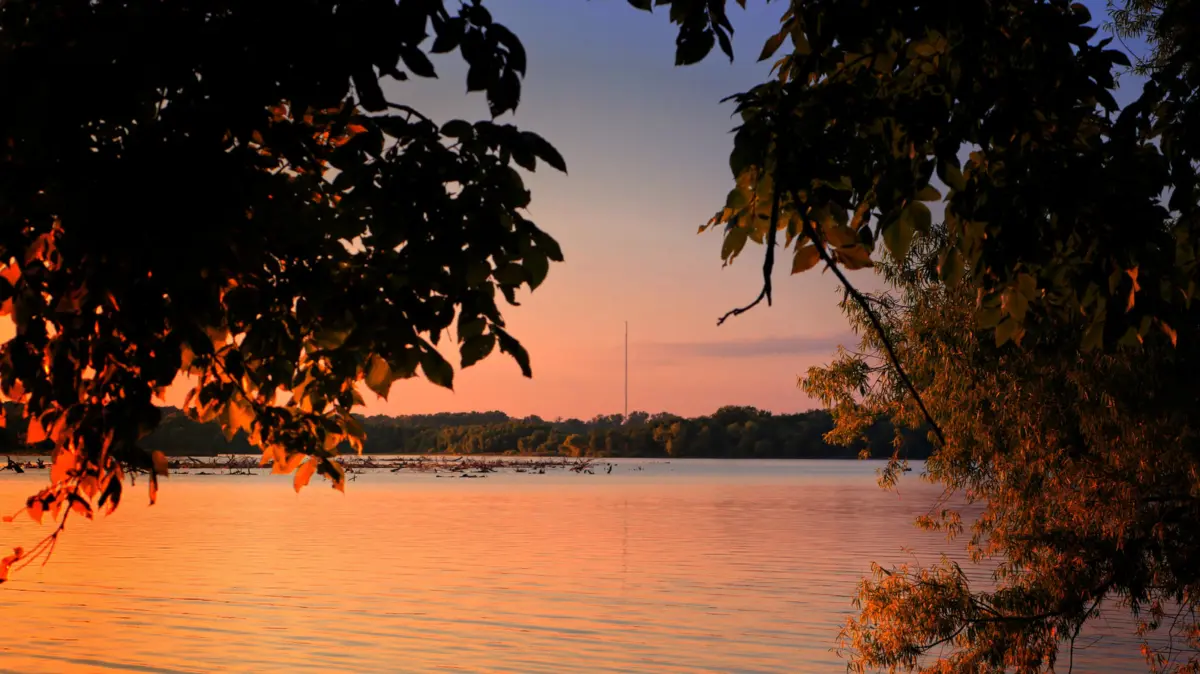
Nestled just a short 30-minute drive southeast of downtown Oklahoma City, Lake Thunderbird State Park stands as a unique ecological and recreational haven in the heart of the Sooner State. Spanning roughly 2,000 acres of lush oak woodlands, sprawling grasslands, and an expansive 86 miles of rustic shoreline, the park proudly holds the designation of Oklahoma’s only urban state park.
Created in the 1960s as a critical municipal water reservoir, the man-made lake has evolved into a premier destination for outdoor enthusiasts seeking an escape from fast-paced urban environments. Whether visitors are looking to spend a crisp morning navigating the water on a motorized vessel, cast a line for award-winning sportfish, explore miles of shaded hiking trails, or sleep beneath the stars at one of the park’s hundreds of campsites, Lake Thunderbird delivers a multifaceted wilderness experience without requiring travelers to venture deep into the remote backcountry.
Despite enduring affectionate local monikers regarding its characteristic amber-tinted waters, the park remains a shining example of accessible, high-value public recreation. This in-depth report examines the history, water dynamics, recreational offerings, infrastructure, and future outlook of Oklahoma’s quintessential urban escape.

Detailed Chronology and Historical Context
Origins in the Mid-20th Century
The story of Lake Thunderbird is fundamentally tied to the post-World War II modernization and water security initiatives of central Oklahoma. Throughout the 1950s and early 1960s, regional population growth—particularly in the expanding suburbs surrounding Oklahoma City and the adjacent university town of Norman—prompted local and federal agencies to seek reliable, long-term water sources.
The U.S. Bureau of Reclamation spearheaded the construction of the reservoir by damming the Little River, a major tributary of the Canadian River basin. Completed in the mid-1960s, the resulting reservoir was engineered not only to secure municipal water supplies for the surrounding communities but also to provide comprehensive flood control and public recreational opportunities.
Evolution into a State Park
As the reservoir filled and the surrounding landscape naturally regenerated, state officials recognized the immense recreational potential of the 2,000-acre basin and its sprawling shoreline. The management of the surrounding land was formally designated as a state park, designed to bridge the gap between heavy urban development and natural preservation.
Over the decades, infrastructure investments transformed the park from a simple fishing hole into a fully equipped recreational facility. The construction of paved access roads, modern restroom facilities, designated campgrounds, boat ramps, and marked multi-use trails firmly established Lake Thunderbird State Park as a cornerstone of Oklahoma’s outdoor tourism ecosystem.
Supporting Context and Metrics: Understanding the "Dirty Bird"
The Science Behind the Tint
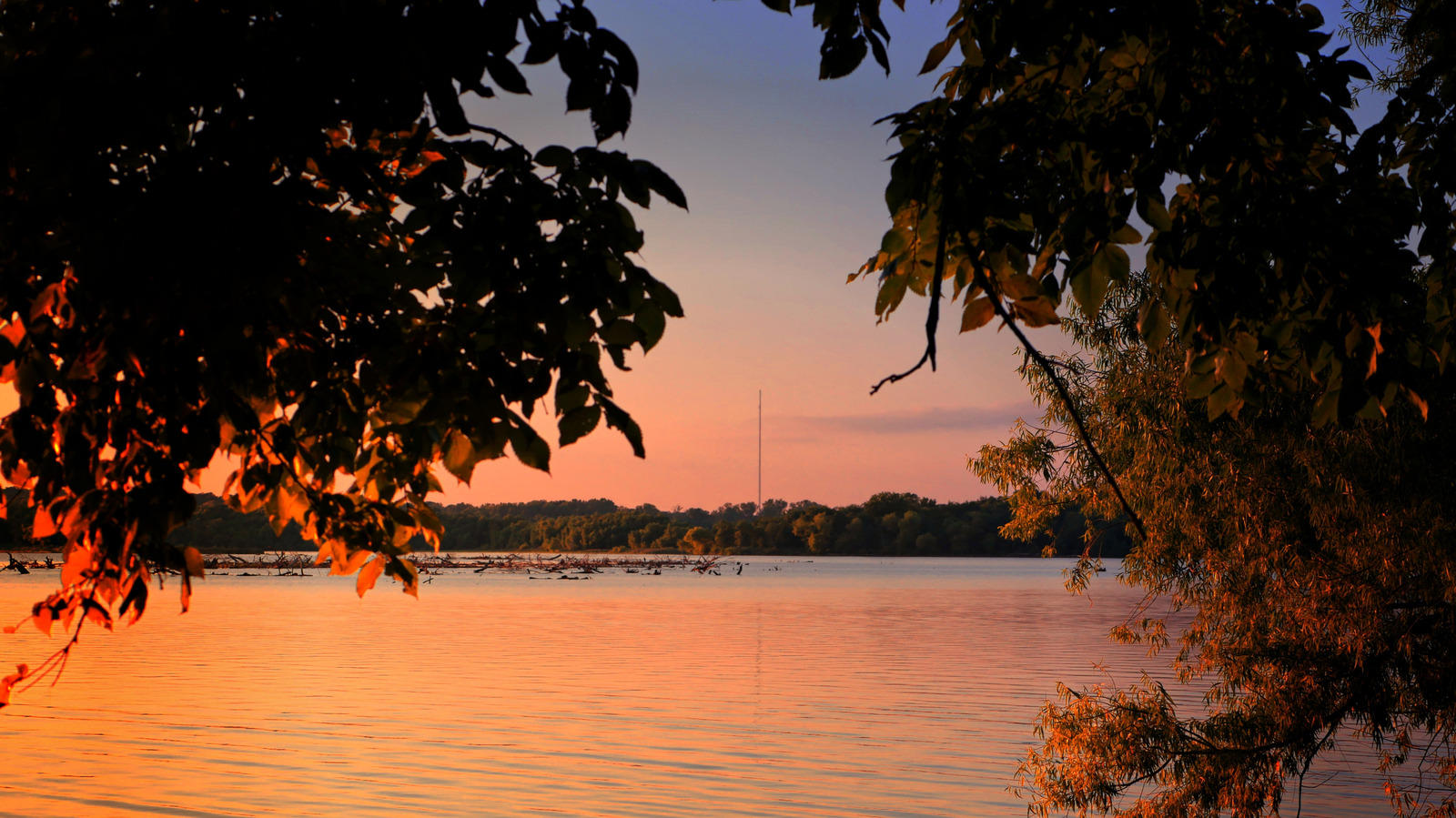
One of the most defining and frequently discussed characteristics of Lake Thunderbird is the distinct visual appearance of its water. Often carrying a murky, rust-colored hue, the reservoir has long borne the affectionate local nickname "The Dirty Bird."
To uninitiated tourists, the cloudy water can sometimes cause unwarranted hesitation regarding water quality or safety. However, regional authorities and environmental scientists emphasize that the coloration is entirely natural and harmless.
+-----------------------------------------------------------------+
|                    LAKE THUNDERbird METRICS                     |
+-----------------------------------------------------------------+
| Total Park Acreage       | ~2,000 acres                         |
+-----------------------------------------------------------------+
| Shoreline Length         | 86 miles                             |
+-----------------------------------------------------------------+
| Primary Tributary        | Little River                         |
+-----------------------------------------------------------------+
| Major Marina Facilities  | Calypso Cove & Little River Marinas  |
+-----------------------------------------------------------------+
| Campground Sites         | 300+ sites (Tent and RV hookups)     |
+-----------------------------------------------------------------+
Official and Expert Clarifications
Addressing public misconceptions regarding the lake’s appearance, Robby Short, spokesperson for the Oklahoma Water Resources Board, offered a definitive explanation to regional media outlets.
"The [nickname] and the color of the water is based on the soil," Short stated, referencing the iron-rich, rust-colored sand basin that characterizes the surrounding geography. "There’s no danger in that, unless you go swimming in white clothing, there’s the danger it might get stained."
The natural erosion of the surrounding red-clay and sandy soil banks into the water column creates a perpetually suspended sediment load. This phenomenon is common across many man-made reservoirs in central Oklahoma and does not indicate chemical pollution or biological contamination.
Recreational Offerings and Infrastructure
Aquatic Adventures: Boating, Watersports, and Marinas
The sheer scale of Lake Thunderbird makes it a premier destination for watercraft of all descriptions. Boaters have access to multiple well-maintained concrete ramps strategically positioned around the perimeter of the reservoir.
The park features two primary commercial hubs—Calypso Cove Marina and Little River Marina—which serve as vital infrastructure points for the boating community. These facilities provide comprehensive services, including:
- Boat slip rentals for seasonal and long-term vessels.
- Watercraft rentals, ranging from high-powered pontoon boats to kayaks, canoes, and dedicated fishing boats.
- Fuel docks, marine supplies, and convenience stores for day-trippers.
From high-speed jet skiing and wakeboarding in the open central basin to quiet paddle-boarding sessions tucked away in secluded, tree-lined coves, the lake accommodates a diverse array of aquatic pastimes.
Angling Excellence
Fishing is deeply woven into the identity of Lake Thunderbird. The reservoir’s varied underwater topography—comprising submerged creek channels, standing timber, rocky points, and shallow flats—provides an ideal habitat for a wide variety of freshwater sportfish.
Common catches reported by local anglers include:
- Largemouth Bass: Highly sought after by sport fishermen utilizing both artificial lures and live bait.
- Channel Catfish: Abundant throughout the basin, frequently caught from both the shoreline and watercraft.
- Crappie and White Bass: Popular seasonal targets that offer exceptional action during their respective spring spawning runs.
- Saugeye: A hybrid species stocked regularly by the Oklahoma Department of Wildlife Conservation to enhance sport fishing opportunities.
Anglers can access the water via extensive bank-fishing areas, dedicated fishing docks, or boats. The supportive community of local fishermen often utilizes the docks to share tips and current bite patterns with newcomers.
Swimming and Beachfront Leisure
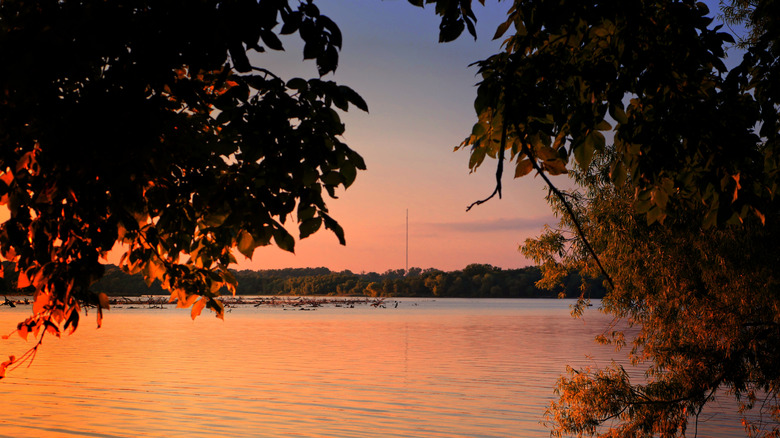
For visitors wishing to immerse themselves directly in the water, the park maintains designated sandy swim beaches.
- Little Sandy Beach: Conveniently situated adjacent to one of the park’s primary RV campgrounds, this beach allows overnight guests to step directly from their campsites onto warm sand.
- General Amenities: Both swimming areas feature picnic tables and modern restroom facilities. Visitors should note that swimming areas operate without lifeguards on duty, requiring all water-goers to swim at their own risk.
Terrestrial Exploration: Trails and Camping
Hiking and Multi-Use Trails
Beyond the shoreline, Lake Thunderbird State Park offers an extensive network of terrestrial trails that weave through cross timbers ecosystems, featuring post oaks, blackjack oaks, and native tallgrass prairies.
- Hog Creek Trail: Spanning approximately 2.9 miles, this popular, moderately easy route hugs the rugged contours of the lake’s western shore before dipping deep into shaded forest canopies. It is celebrated for its diverse flora, including seasonal wildflowers and wild mushrooms. Hikers should remain vigilant during warmer months, as ticks and other insects are common.
- Tadpole Loop: A shorter, 1.4-mile leisure trail designed for casual walkers and birdwatchers. The canopy provides ample shade, making it an ideal route for families and novice hikers.
- Equestrian and Mountain Biking Access: Portions of the trail system are explicitly engineered to accommodate mountain bikers and horseback riders, requiring mutual trail etiquette among all user groups.
Overnight Accommodations and Campground Etiquette
For travelers wishing to extend their stay beyond a single afternoon, the park boasts more than 300 individual campsites distributed across multiple dedicated loops. Options range from primitive tent sites to fully modernized RV hookups featuring electricity and water.
Park rangers and veteran campers emphasize the critical importance of environmental stewardship. Proper campground etiquette—specifically packing out all trash, extinguishing campfires completely, and respecting quiet hours—remains essential to preserving the natural beauty of the park for future generations.
Future Outlook
As the urban populations of Oklahoma City and Norman continue to expand, the strategic importance of Lake Thunderbird State Park as an accessible natural sanctuary cannot be overstated. Regional planners and state park administrators face the ongoing challenge of balancing surging visitor numbers with ecological conservation.
Future initiatives are anticipated to focus on infrastructure modernization, including the enhancement of water filtration systems at facilities, the reinforcement of shoreline erosion controls, and the expansion of digital reservation systems for campgrounds. Furthermore, ongoing water quality monitoring by the Oklahoma Water Resources Board ensures that the reservoir remains safe and viable for both municipal needs and public recreation.
By maintaining a delicate balance between active urban proximity and rustic wilderness preservation, Lake Thunderbird State Park is well-positioned to remain a crown jewel of Oklahoma’s state park system for decades to come.