







Executive Overview
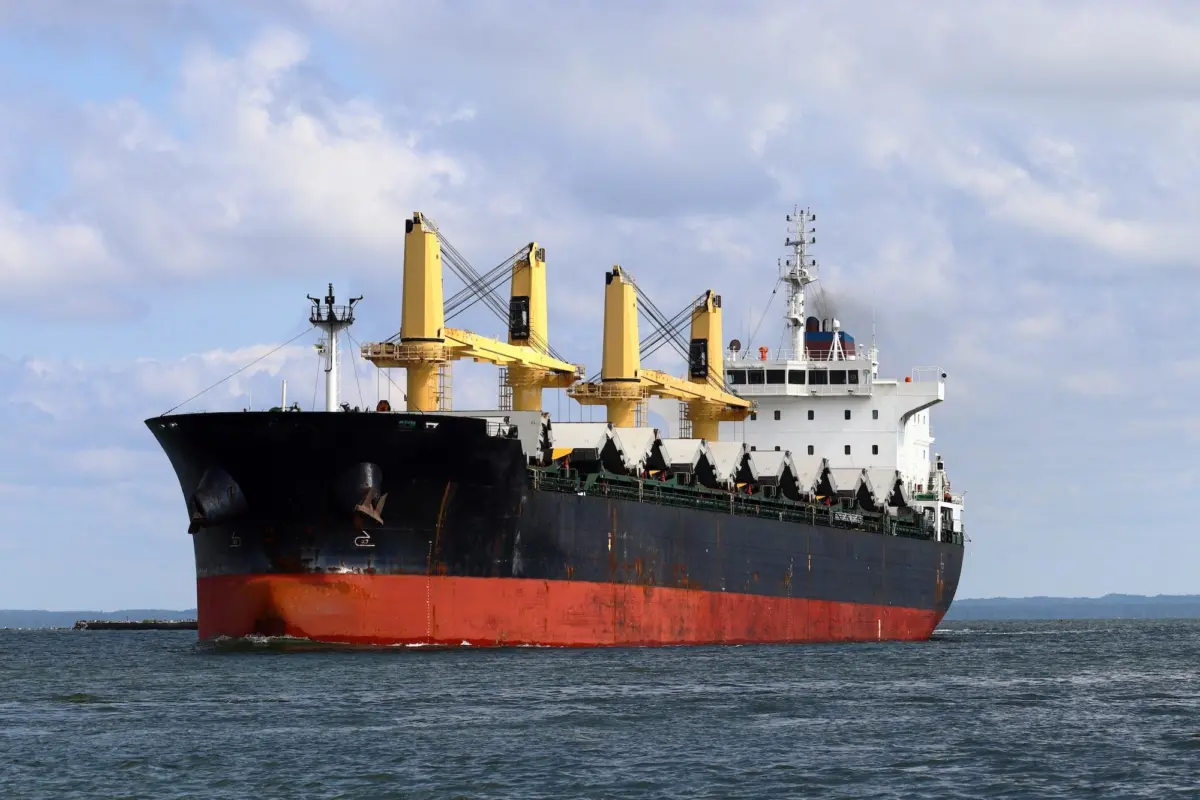
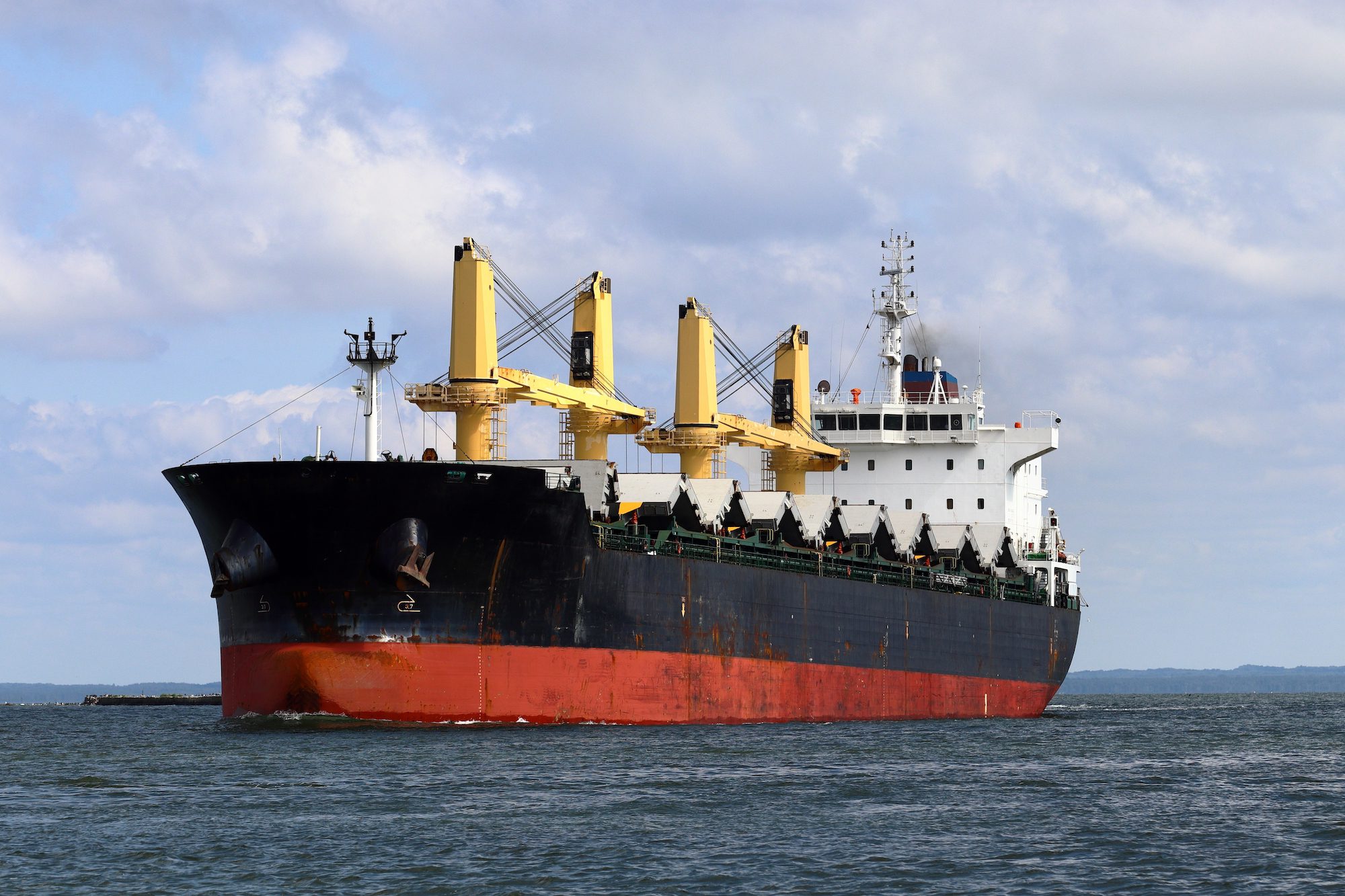
In the volatile waters of the Bay of Bengal, a maritime disaster of catastrophic proportions has triggered an intense, multi-agency international search-and-rescue (SAR) operation. On Friday, August 21, 2026, the Panama-flagged bulk carrier MV Ocean Winner, laden with thousands of tons of iron ore bound for China, suffered a sudden and catastrophic loss of stability. The vessel developed a severe list and sank into the ocean depths in a mere eight minutes, leaving its 24-member crew with virtually no time to execute a coordinated abandonment of the ship.
As of late Sunday, August 23, 2026, a massive rescue apparatus coordinated by the Indian Navy and the Indian Coast Guard has succeeded in rescuing only two crew members—both Chinese nationals. Twenty-two seafarers remain missing in open waters, approximately 240 nautical miles off the coast of India’s eastern Paradip Port.
With the critical "golden hours" of survival long passed, maritime experts and search coordinators are battling deteriorating environmental conditions, vast search areas, and the inherent physical limits of human survival at sea. The incident has once again cast a harsh spotlight on the persistent, lethal hazards associated with the transport of dry bulk cargoes—specifically iron ore—and raised urgent questions regarding vessel stability, cargo loading parameters, and the structural integrity of aging bulk carriers operating in Asian waters.
Detailed Chronology
The sequence of events leading to the loss of the MV Ocean Winner paints a terrifying picture of how rapidly a modern bulk carrier can transition from routine operations to a fatal capsizing event.
[Friday, Aug 21, 2026]
 ├── Departure: MV Ocean Winner departs Paradip Port, India, loaded with iron ore for China.
 └── ~240 NM out: Vessel develops a sudden, severe list; sinks completely within 8 minutes.

[Saturday, Aug 22, 2026]
 ├── Distress Alert Received: MRCC Sri Vijay Puram coordinates emergency response.
 └── Navy Deployment: P8I long-range maritime patrol aircraft re-deployed to search area.

[Sunday, Aug 23, 2026]
 ├── Active SAR: Two Chinese nationals rescued; 22 crew members remain missing.
 └── Coast Guard Dispatch: Two specialized vessels from Sri Vijay Puram arrive on-scene.
Departure and the Onset of Distress
On the morning of Friday, August 21, 2026, the MV Ocean Winner completed its cargo-loading operations at India’s eastern deepwater port of Paradip. The vessel’s holds were packed with iron ore, a dense and challenging commodity. Its destination was China, requiring a voyage across the Bay of Bengal, through the Malacca Strait, and into the South China Sea.
By late Friday afternoon, the vessel was approximately 240 nautical miles (approx. 444 kilometers) southeast of Paradip, navigating the deep waters of the Bay of Bengal. According to initial reports compiled by the Directorate General of Shipping (DGS), India’s maritime administration, the vessel suddenly experienced an extreme and uncontrollable list.
The Eight-Minute Sinking Window
The accounts provided by the two rescued Chinese seafarers reveal the terrifying speed of the disaster. At some point on Friday, the ship began listing heavily to one side. The list developed so rapidly that the crew was unable to launch the vessel’s primary lifeboats or establish a orderly muster.

Within eight minutes of the initial tilt, the MV Ocean Winner went under, dragging down its equipment, life-saving appliances, and the majority of its crew. Those who survived the immediate sinking were forced to jump into the open sea, relying solely on personal flotation devices (PFDs) or whatever floating debris they could cling to in the darkness.
The Emergency Mobilization
On Saturday, August 22, 2026, a distress alert from the vessel’s Emergency Position Indicating Radio Beacon (EPIRB) was received and processed. The Maritime Rescue Coordination Center (MRCC) at Sri Vijay Puram (formerly known as Port Blair), located in the Andaman and Nicobar Islands, immediately assumed operational command of the rescue effort.
The Indian Navy, which maintains a constant vigil over the strategic sea lanes of the Indian Ocean, responded rapidly. An Indian Navy P8I Neptune long-range maritime patrol aircraft, then conducting a routine surveillance sortie, was immediately re-routed to the search zone, located roughly 700 kilometers east of the major naval hub of Visakhapatnam.
Distance from Visakhapatnam to Search Area: ~700 km (378 nautical miles)
Distance from Paradip Port to Sinking Site: ~240 nautical miles
The P8I aircraft, equipped with advanced synthetic aperture radar (SAR), electro-optical sensors, and active search-and-rescue kits (including inflatable life rafts), began flying search patterns over the suspected debris field.
Simultaneously, the Indian Coast Guard dispatched two specialized search-and-rescue vessels from their base at Sri Vijay Puram to the disaster site to provide sustained on-scene surface search capabilities.
Supporting Context & Metrics
The Hazards of Dry Bulk Shipping: Cargo Liquefaction and Shifting
While investigators have not yet declared an official cause of the sinking, maritime safety experts point to a well-known and lethal phenomenon that plagues the dry bulk shipping sector: cargo liquefaction.
+-------------------------------------------------------------------------+
|                      THE MECHANICS OF LIQUEFACTION                      |
|                                                                         |
|  [Moist Iron Ore Fines] ---> [Vessel Engine Vibration & Wave Motion]     |
|                                     │                                   |
|                                     ▼                                   |
|  [Compaction & Water Pressure Rises] ---> [Ore Behaves Like a Liquid]   |
|                                     │                                   |
|                                     ▼                                   |
|  [Free Surface Effect / Cargo Shift] ---> [Sudden, Irreversible List]   |
|                                     │                                   |
|                                     ▼                                   |
|  [Rapid Flooding & Sinking (Typically under 10-15 minutes)]            |
+-------------------------------------------------------------------------+
Iron ore, particularly iron ore fines, contains inherent moisture. If the moisture content of the cargo exceeds its Transportable Moisture Limit (TML), the constant vibration of the ship’s engines combined with the rhythmic motion of the waves can cause the cargo to compact. This compaction forces the water within the cargo to the surface, transforming a solid, stable pile of ore into a highly unstable, viscous slurry.
When a liquefied cargo shifts to one side during a heavy roll, it does not return to its original position when the ship rolls back. This creates a permanent, severe list. If the list is steep enough, the vessel’s deck edge becomes submerged, leading to rapid progressive flooding through hatch covers, ventilation shafts, and superstructure openings. The resulting loss of reserve buoyancy is catastrophic, often causing the vessel to sink within minutes—exactly matching the eight-minute timeline described by the survivors of the MV Ocean Winner.
Search and Rescue Metrics & Crew Demographics
The scale of the ongoing search is massive, covering thousands of square miles of open ocean. The demographics of the crew highlight the international nature of the disaster:
| Crew Nationality | Total Onboard | Rescued | Missing |
|---|---|---|---|
| Chinese | 20 | 2 | 18 |
| Myanmar (Burmese) | 3 | 0 | 3 |
| Bangladeshi | 1 | 0 | 1 |
| Total | 24 | 2 | 22 |
Environmental Challenges in the Bay of Bengal
Conducting a search-and-rescue operation in the Bay of Bengal during late August presents severe logistical and physical challenges:
- Monsoonal Influences: The region is subject to southwest monsoon currents, which generate high sea states, strong winds, and unpredictable surface currents. These currents rapidly disperse debris fields and any survivors drifting in life jackets.
- Water Temperature and Survival Windows: While the water temperature in the Bay of Bengal is relatively warm (averaging 28°C to 30°C), reducing the immediate risk of hypothermia, prolonged exposure leads to severe dehydration, exhaustion, ingestion of saltwater, and vulnerability to marine predators.
- The "Golden Hours" of Survival: Standard maritime search doctrine dictates that the probability of locating active survivors in the water decreases exponentially after the first 12 to 24 hours. By Sunday, August 23, the missing crew members had been in the water for nearly 48 hours.
Official Statements
The gravity of the situation has been echoed in official updates from Indian maritime and military authorities.
Shyam Jagannathan, the Director General of India’s Maritime Administration (Directorate General of Shipping), provided a candid assessment of the ongoing operations to Reuters:
"The two rescued Chinese seafarers reported that the vessel developed a sudden, severe list on Friday and sank within eight minutes, forcing the crew to abandon ship in extreme haste. While the mathematical and physical chances of finding survivors generally fall sharply after the first 12 hours of immersion, our rescuers are not giving up. We are continuing the search with every resource at our disposal."
The Indian Navy’s Eastern Naval Command, headquartered at Visakhapatnam, released an official statement via their social media channels detailing their immediate response:
"On 22 Aug 26, responding to the distress alert received in respect of MV OCEAN WINNER, approximately 700 Km East of Visakhapatnam, Indian Navy aircraft P8I on surveillance sortie was rapidly re-deployed for Search & Rescue mission in coordination with MRCC at Sri Vijay Puram."
A spokesperson for the Indian Coast Guard confirmed the dispatch of surface assets, noting:
"Two of our high-end patrol vessels have been deployed from Sri Vijay Puram to reinforce the search grid. We are working closely with naval air assets to cover the calculated drift patterns of the missing crew. Our primary objective remains the preservation of life, and we will maintain our presence on-scene as long as there is a viable hope of rescue."
Future Outlook
The Impending Investigation
Once the active search-and-rescue phase concludes, a comprehensive maritime safety investigation will be launched. Because the MV Ocean Winner was flagged in Panama, the Panama Maritime Authority (PMA) will act as the lead flag-state investigative body, likely collaborating with India’s Directorate General of Shipping as the coastal state and port of departure.
Key areas of focus for the investigation will include:
- Cargo Declaration and Pre-Loading Tests: Investigators will scrutinize the shipper’s cargo declaration forms, specifically looking at the moisture content certificates and the Transportable Moisture Limit (TML) of the iron ore loaded at Paradip Port.
- Port State Control (PSC) Records: The vessel’s history of maintenance, structural integrity inspections, and compliance with the International Maritime Solid Bulk Cargoes (IMSBC) Code will be thoroughly reviewed.
- Vessel Stability Calculations: Experts will reconstruct the vessel’s loading condition and stability parameters at the time of departure to determine if the vessel possessed adequate intact stability before encountering open-sea conditions.
                  INVESTIGATIVE FOCUS AREAS

   [Paradip Port] ──────> [IMSBC Code Compliance] ──────> [Panama Flag State]
         │                          │                           │
         ▼                          ▼                           ▼
  Verify Cargo Moisture     Check Structural Logs       Analyze Stability Data
  & TML Certificates        & Past PSC Inspections      & Survivability Limits
Safety Implications for the Global Dry Bulk Fleet
The loss of the MV Ocean Winner is a tragic reminder that despite years of regulatory updates to the IMSBC Code, the shipping of solid bulk cargoes remains one of the most hazardous sectors in global commerce.
If cargo liquefaction is proven to be the cause, it will likely trigger renewed calls from international seafarer unions, such as the International Transport Workers’ Federation (ITF), and classification societies for stricter, independent testing of bulk cargoes before they are loaded. Currently, the industry relies heavily on cargo declarations provided by shippers, a system that critics argue is open to commercial pressure and inaccurate reporting of moisture levels.
The Survival Window and Long-Term Recovery
As the search enters its third full day, the likelihood of transitioning from a rescue mission to a recovery operation grows. The Indian Navy and Coast Guard will continue to run computerized drift models to adjust their search grids.
For the families of the 22 missing crew members from China, Myanmar, and Bangladesh, the agonizing wait continues. This disaster serves as a stark warning of the unforgiving nature of the high seas, where a single structural failure or unstable cargo load can seal the fate of a massive ocean-going vessel and its crew in a matter of minutes.