Framed by the rugged grandeur of the Northern Rockies and towering alpine peaks, Montana possesses a staggering hydrological footprint that frequently surprises outsiders. While technically landlocked, the Treasure State is home to more than 3,223 officially named lakes and reservoirs, alongside hundreds—if not thousands—of uncharted subalpine waters carved over millennia by glacial regression and severe weather systems.
For residents and visiting outdoor enthusiasts alike, water is not merely a scenic backdrop; it is central to the regional lifestyle. Whether navigating technical whitewater or seeking the soothing, glass-like transparency of western valley lakes, the aquatic ecosystem offers endless recreation. Furthermore, public access to these waterways is fiercely protected. Under the Montana State Constitution, all surface waters belong to the state for the use and enjoyment of its citizens, establishing a legally guaranteed right to public access.
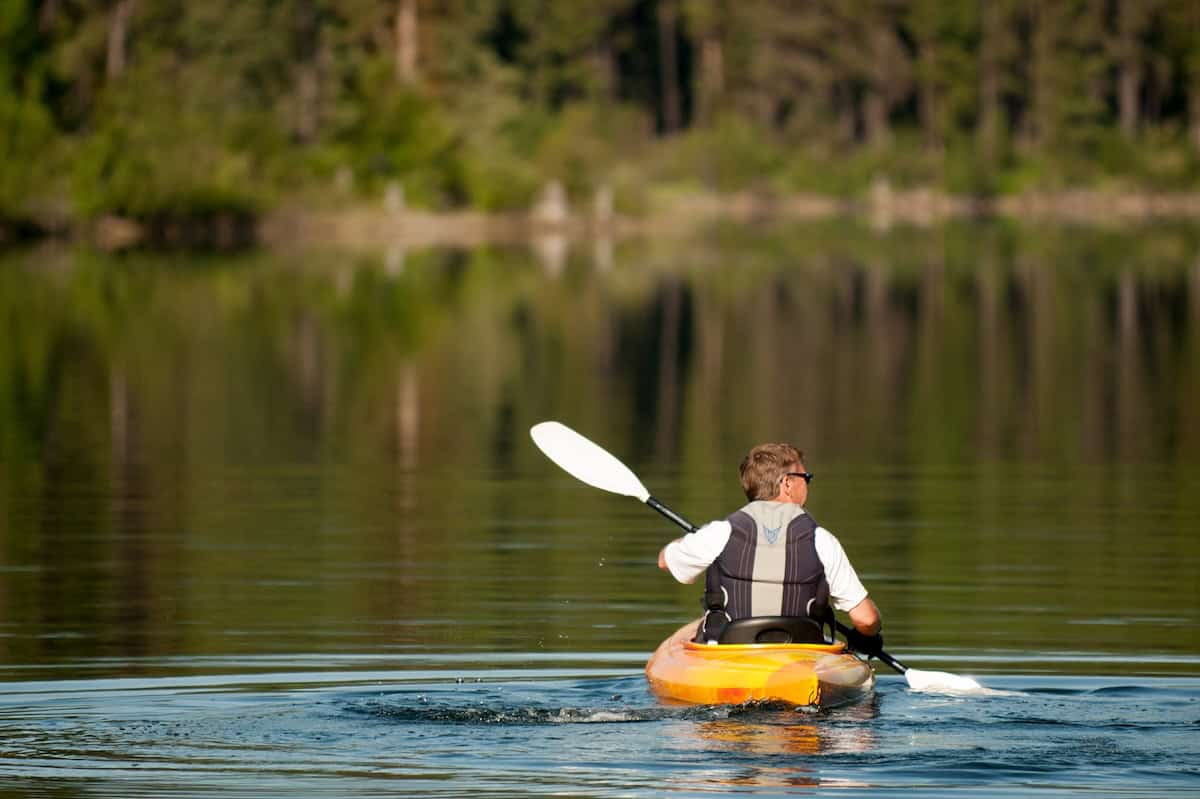
Drawing from years of localized navigation, professional hydrological assessment, and firsthand paddling experience, this guide profiles six of Montana’s finest lakes and reservoirs. Tailored specifically for canoeing, stand-up paddleboarding (SUPing), and flatwater kayaking, these destinations highlight the diverse geographic, historical, and ecological facets of Montana’s backcountry.
Detailed Chronology: Geological Formation and Historical Evolution
To truly appreciate Montana’s aquatic geography, one must understand the timeline of events that sculpted the terrain. The state’s water systems are the product of immense geological shifts, ancient ice sheets, and, in some cases, modern seismic activity.
The Glacial Epochs (Pleistocene to Holocene)
The vast majority of Montana’s premier lakes—most notably Flathead Lake, Lake McDonald, and Whitefish Lake—were forged during the Pleistocene epoch. Relentless continental and alpine glaciers scoured deep river valleys, depositing terminal and lateral moraines that later acted as natural earthen dams as the ice retreated. This glacial scouring created deep, ultra-clear subalpine basins surrounded by sheer rock faces.
The 1959 Hebgen Lake and Quake Lake Seismic Event
In stark contrast to the ancient glacial lakes, southwestern Montana’s Earthquake Lake (Quake Lake) was born in a matter of seconds. On August 17, 1959, a devastating 7.3-magnitude earthquake struck the Hebgen Lake region. The seismic shock triggered a catastrophic landslide comprising 80 million tons of rock and debris. Moving at speeds exceeding 100 miles per hour, the avalanche slammed into the Madison River canyon, forming an impenetrable natural dam. Within weeks, rising waters flooded the valley, submerging a thriving forest and creating the haunting, timber-studded landscape paddlers navigate today.
Modern Conservation and Stewardship Eras
Throughout the 20th and 21st centuries, Montana’s waters transitioned from resource extraction hubs to protected ecological and recreational sanctuaries. The establishment of Glacier National Park in 1910 safeguarded jewels like Lake McDonald, while state park systems and tribal management initiatives by the Confederated Salish and Kootenai Tribes (CSKT) ensured that waters like Flathead Lake retained their pristine character despite mounting recreational pressures.
Supporting Context & Metrics: The Top 6 Paddling Destinations
1. Flathead Lake: The All-Day Masterpiece
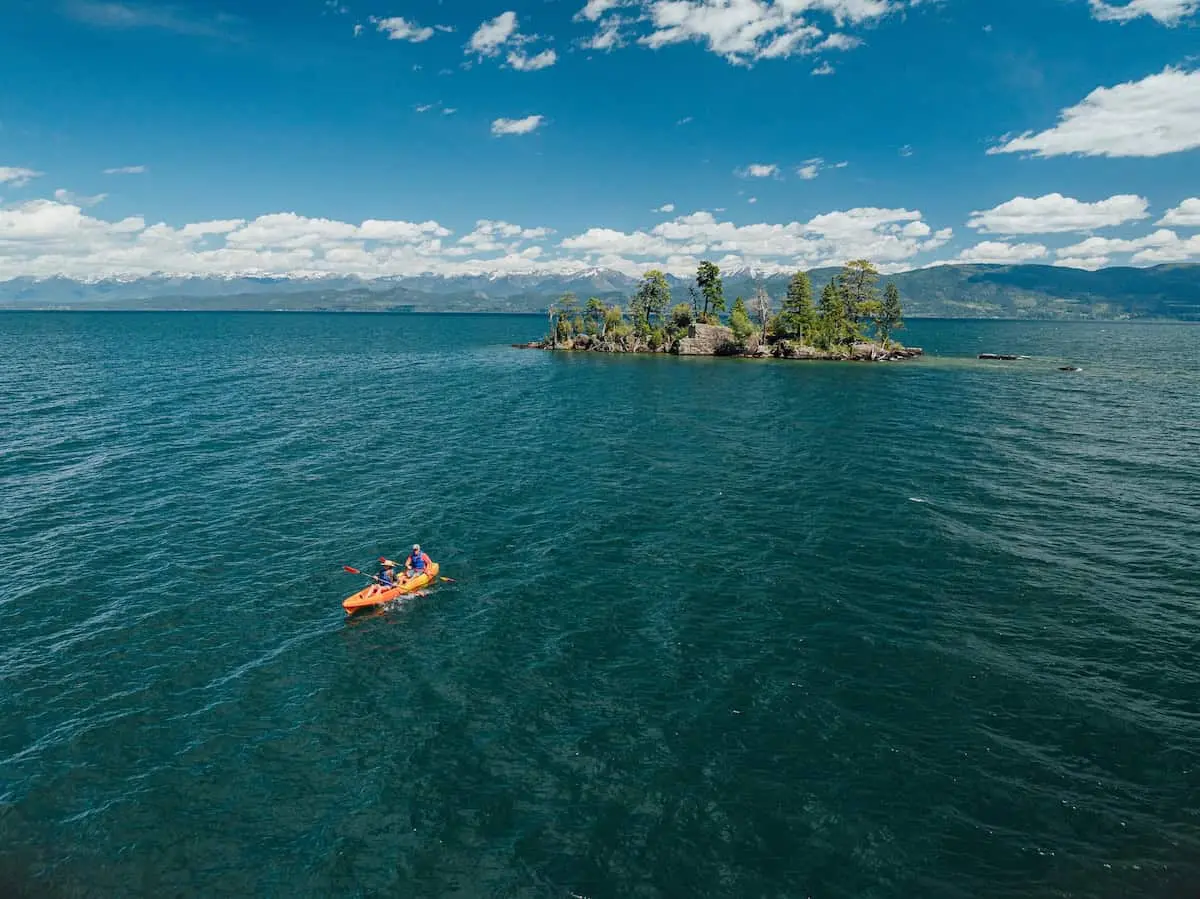
Geographic Profile: Located in northwestern Montana, spanning over 2,000 square miles of surface water with 185 miles of undulating shoreline. It stands as the largest natural freshwater lake west of the Mississippi River in the Lower 48.
Paddling Experience: Ideal for all-day excursions, long-distance kayaking, and tranquil morning paddleboarding. The east shore is framed by the steep Mission Mountains and shaded cherry orchards, keeping waters cooler. The west shore presents panoramic mountain views and rolling hills.
Highlight: A trek to Wild Horse Island, a 2,164-acre state park unit. Historically utilized by the Kootenai and Salish tribes to pasture horses, the island now acts as a protected sanctuary for wild horses, bighorn sheep, mule deer, bald eagles, osprey, and falcons.
Metrics & Navigation: High afternoon winds frequently churn the lake into choppy, marine-like conditions. Paddlers are advised to launch during early morning calm.
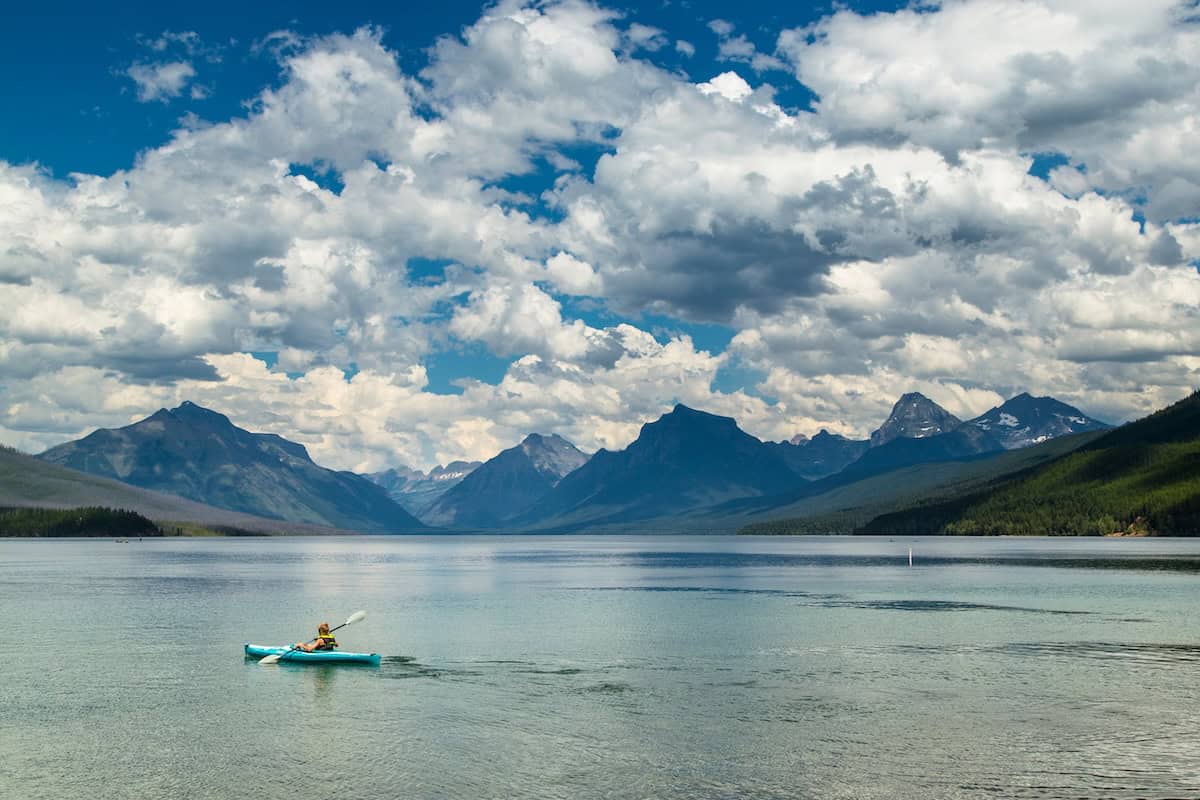
2. Lake McDonald: The National Park Crown Jewel
Geographic Profile: Situated within Glacier National Park near the West Glacier entrance. It plunges to depths exceeding 470 feet and features 10 miles of shoreline.
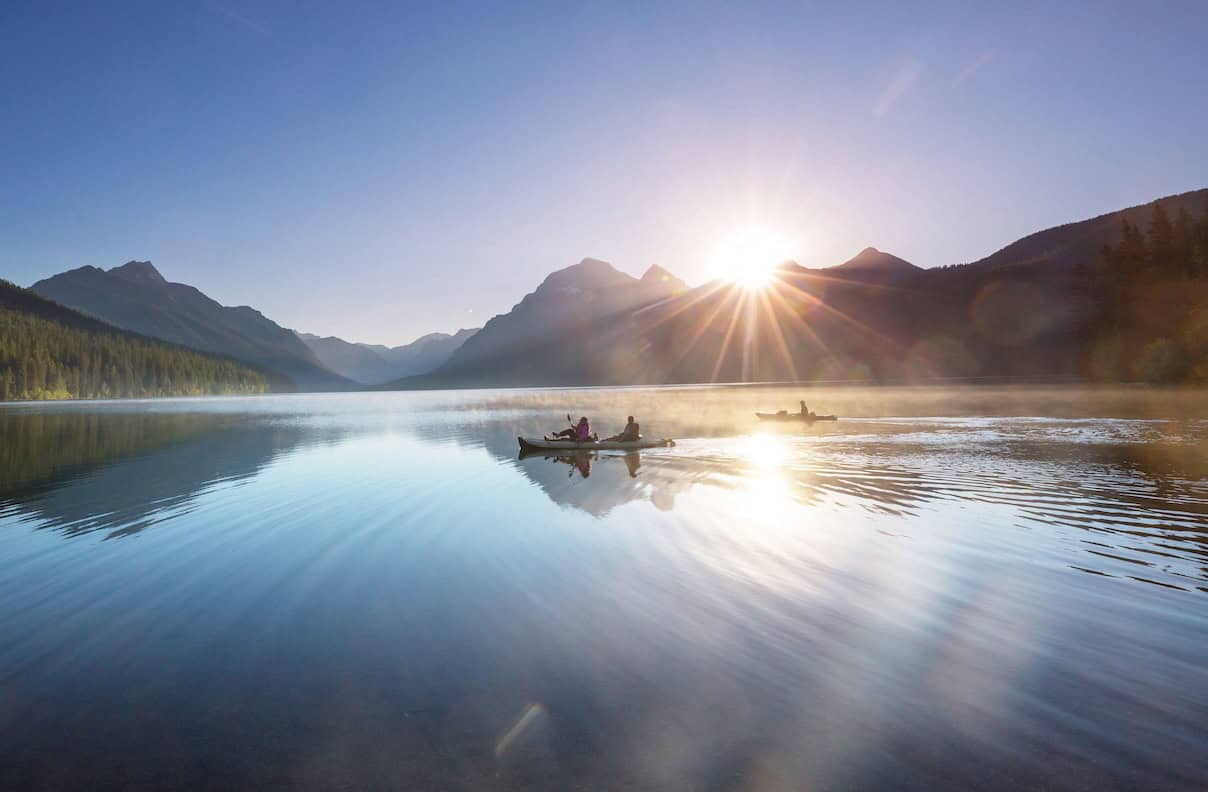
Paddling Experience: Celebrated for its legendary, mirror-like surface reflecting surrounding snowcapped peaks. The lakebed is paved with smooth argillite pebbles in brilliant shades of green, blue, red, and purple, visible up to 80 feet below the surface due to glacial filtration.
Highlight: Renting or launching watercraft near Apgar Village or the historic Lake McDonald Lodge (built in 1913 in the Swiss chalet architectural style).
Metrics & Navigation: As the park’s largest lake, it experiences heavy visitor volume. Early morning paddles offer prime wildlife viewing, including bighorn sheep and occasional bears.
3. Whitefish Lake: The Beginner’s Sanctuary
Geographic Profile: Located approximately 40 minutes north of Flathead Lake at the base of Whitefish Mountain Resort.
Paddling Experience: Flanked by steep mountain slopes that act as natural windbreaks, this body of water maintains exceptionally calm, glassy conditions. It connects directly to the Whitefish River, a 2.5-mile lazy winding channel flowing through the town of Whitefish.
Highlight: Early morning excursions offer absolute tranquility before motorized craft traffic increases.
Metrics & Navigation: Highly recommended for novice paddlers and those seeking a low-stress aquatic tour.
4. Earthquake (Quake) Lake: The Historian’s Ghost Forest
Geographic Profile: Positioned along the Madison River in southwestern Montana, spanning roughly 6 miles in length and reaching depths of 125 feet.
Paddling Experience: A surreal route through a "ghost forest" of standing dead timber preserved since the 1959 earthquake.
Highlight: Exploring the underwater skeletal remains of the submerged river valley while maintaining vigilance for hidden timber hazards.
Metrics & Navigation: Highly sensitive to afternoon wind spikes. Photographers benefit from foggy mornings or late-afternoon slanting shadows.
5. Hyalite Reservoir: The Alpine Trail Connector
Geographic Profile: A 206-acre impoundment located 10 miles up Hyalite Canyon, just south of Bozeman. Originally constructed in the 1940s and expanded in 1993.
Paddling Experience: Designated as a strict no-wake zone, making it exceptionally friendly for non-motorized vessels, including canoes, kayaks, and SUPs.
Highlight: Combining a flatwater paddle with nearby alpine hiking, such as the 1.1-mile out-and-back trail to Palisade Falls in the Gallatin Mountain Range.
Metrics & Navigation: Excellent sport-fishing opportunities for cutthroat trout and Arctic grayling, though specific bag limits and catch-and-release rules apply.
6. Hebgen Lake: The Angler’s Horizon
Geographic Profile: A sprawling man-made reservoir measuring 16 miles long and 4 miles wide, positioned 10 miles northwest of West Yellowstone.
Paddling Experience: Wide-open vistas paired with world-class trout habitat. Ideal for kayakers who integrate fly-fishing into their on-water routine.
Highlight: Prime fishing seasons peak during the chironomid hatches from late May through mid-July, drawing large rainbow and brown trout to the surface.
Metrics & Navigation: Campgrounds such as Rainbow Point and Bakers Hole line the perimeter. Mosquito populations can be aggressive during peak summer months.
Official Statements and Regulatory Directives
Managing thousands of active water bodies requires stringent regulatory oversight to protect fragile aquatic ecosystems from invasive species and pollution. State and federal agencies emphasize strict compliance across all jurisdictions.
"Nonresidents of Montana must have their watercraft inspected before entering or launching in the state. Always practice Clean, Drain, and Dry protocols to prevent the introduction of aquatic invasive species, such as Eurasian watermilfoil and zebra mussels."
Furthermore, tribal sovereignty heavily influences regional access management. Officials from the Confederated Salish and Kootenai Tribes (CSKT) remind recreationists:
"The southern half of Flathead Lake and various surrounding tributaries fall within the boundaries of the Flathead Indian Reservation. All visitors utilizing tribal waters for recreation, fishing, or launching must secure the appropriate tribal recreation permits prior to entry."
Park superintendents within Glacier National Park underscore the mandatory nature of local inspections:
"Every watercraft—motorized or non-motorized—entering Glacier National Park must pass through an authorized inspection station to receive a validation seal before touching Lake McDonald or secondary park waters."
Future Outlook: Preservation and Sustainable Recreation
As Montana experiences a steady influx of new residents and eco-tourists drawn to its open spaces, the stewardship of its aquatic resources faces unprecedented challenges. Balancing public access with ecological preservation will define the trajectory of the state’s outdoor recreation economy over the coming decades.
Invasive Species Defense: Biosecurity checkpoints will likely expand in operational hours and geographic reach. Protecting glacial waters from invasive macro-invertebrates remains an absolute priority for FWP biologists.
Tribal and State Collaboration: Joint management frameworks between state agencies and indigenous nations are expected to strengthen, ensuring cultural resource protection while streamlining recreational permitting systems.
Climate Adaptability: As shifting climate patterns alter snowpack accumulation and glacial melt rates, subalpine lake levels may experience increased seasonal volatility. Monitoring hydrological health will be critical for maintaining both fisheries and recreational navigation channels.
Essential Safety Checklist Before Launching:
Personal Flotation Devices (PFDs): Always wear a properly fitted, USCG-approved life jacket.
Thermal Preparedness: Water temperatures in glacial-fed lakes (such as McDonald and Flathead) remain dangerously cold year-round; dress for immersion, not just the air temperature.
Weather Vigilance: Mountain weather shifts rapidly; monitor localized wind advisories before committing to open-water crossings.
Mandatory Inspections: Check regional station requirements via Clean Drain Dry prior to arrival.