









Executive Overview
Nestled along the mainland shore of the Menai Strait in northwest Wales, Bangor stands quietly as the oldest city in the country. While Wales is globally renowned for its dense concentration of medieval fortresses, Roman antiquities, and rugged mountainscapes, Bangor offers a distinct traveler’s paradox. It is a settlement founded in the dawn of the Christian monastic era in Britain—marking its monumental 1,500th anniversary in 2025—yet it pulses with the modern, inquisitive, and creative energy of a major university hub.
Home to roughly 10,000 students attending Bangor University, this compact cathedral city of historical note seamlessly bridges antiquity and contemporary student life. Visitors strolling its streets pass a dense collection of British Listed Buildings, independent cafes, and Victorian-era civic projects, all while breathing in the crisp, salt-scented air of the Irish Sea. Situated less than a two-hour drive or train ride from Manchester Airport (MAN), Bangor serves as an accessible, deeply cultural, and visually arresting portal to the rugged landscapes of Snowdonia (Eryri) and the Isle of Anglesey (Ynys Môn).
This comprehensive review examines Bangor’s architectural evolution, its religious and cultural anchors, its vibrant waterfront community, and its strategic placement as an essential destination for cultural tourism in the United Kingdom.
Detailed Chronology: From Celtic Monasteries to Modern Cityscape
To understand the character of modern Bangor, one must retrace a timeline spanning a millennium and a half of turbulent history, shifting religious paradigms, and resilient architectural adaptation.
The Monastic Origin: The Sixth Century
The story of Bangor begins around A.D. 530, during the post-Roman era in Britain, when St. Deiniol established a monastic settlement on the site. According to historical accounts preserved through local tradition, the settlement acquired the name "Bangor"—a Welsh term derived from bangor, meaning a wattle-and-daub fenced enclosure—which St. Deiniol constructed to protect the sacred precinct of his monastery.
This initial religious nucleus served as a vital spiritual and administrative center for the Kingdom of Gwynedd. However, the early medieval iteration of the settlement was not spared the violence of the era. In the centuries following its foundation, the community faced frequent maritime raids. Most notably, Viking incursions devastated the area, entirely razing the early monastic structures and scattering the clerical community.
The Medieval Rebirth and Norman Influence
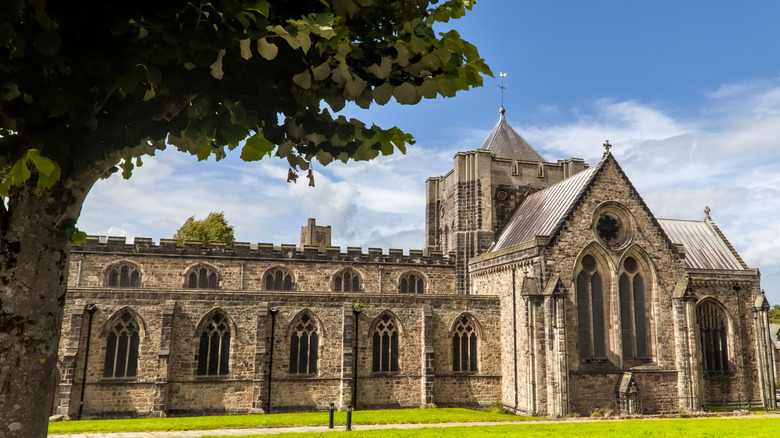
Despite repeated destruction, the religious importance of the site ensured its revival. By the 12th century, construction began on a new cathedral building to replace the ruins of the past. This stone edifice laid the footprint for the current Bangor Cathedral. Throughout the Middle Ages, the cathedral weathered the political friction of the Edwardian conquest of Wales, suffering damage during the rebellions of Owain Glyndŵr in the early 15th century before being meticulously repaired.

The Victorian Transformation
While medieval masonry still forms the core of the cathedral, much of its current visual grandeur is the product of a massive 19th-century restoration. In the late 1800s, renowned architect Sir George Gilbert Scott undertook an extensive redesign of the cathedral’s interior and exterior elements. Scott’s work aimed to align the building with Victorian ideals of Gothic revival while preserving the ancient core.
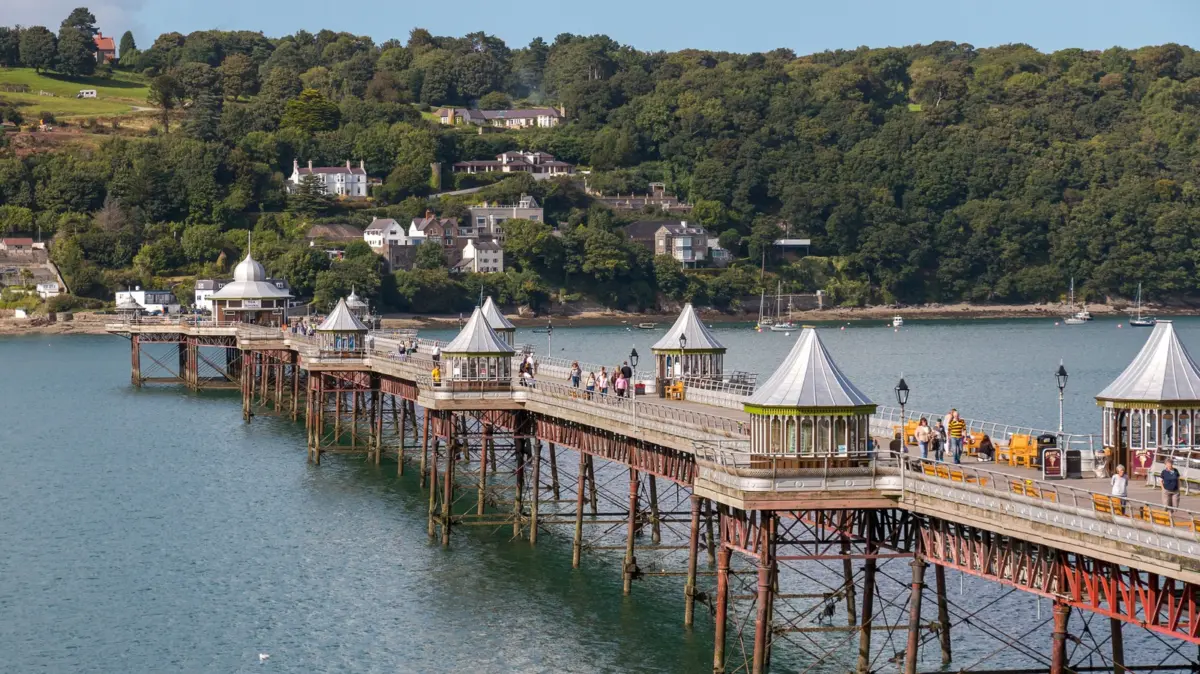
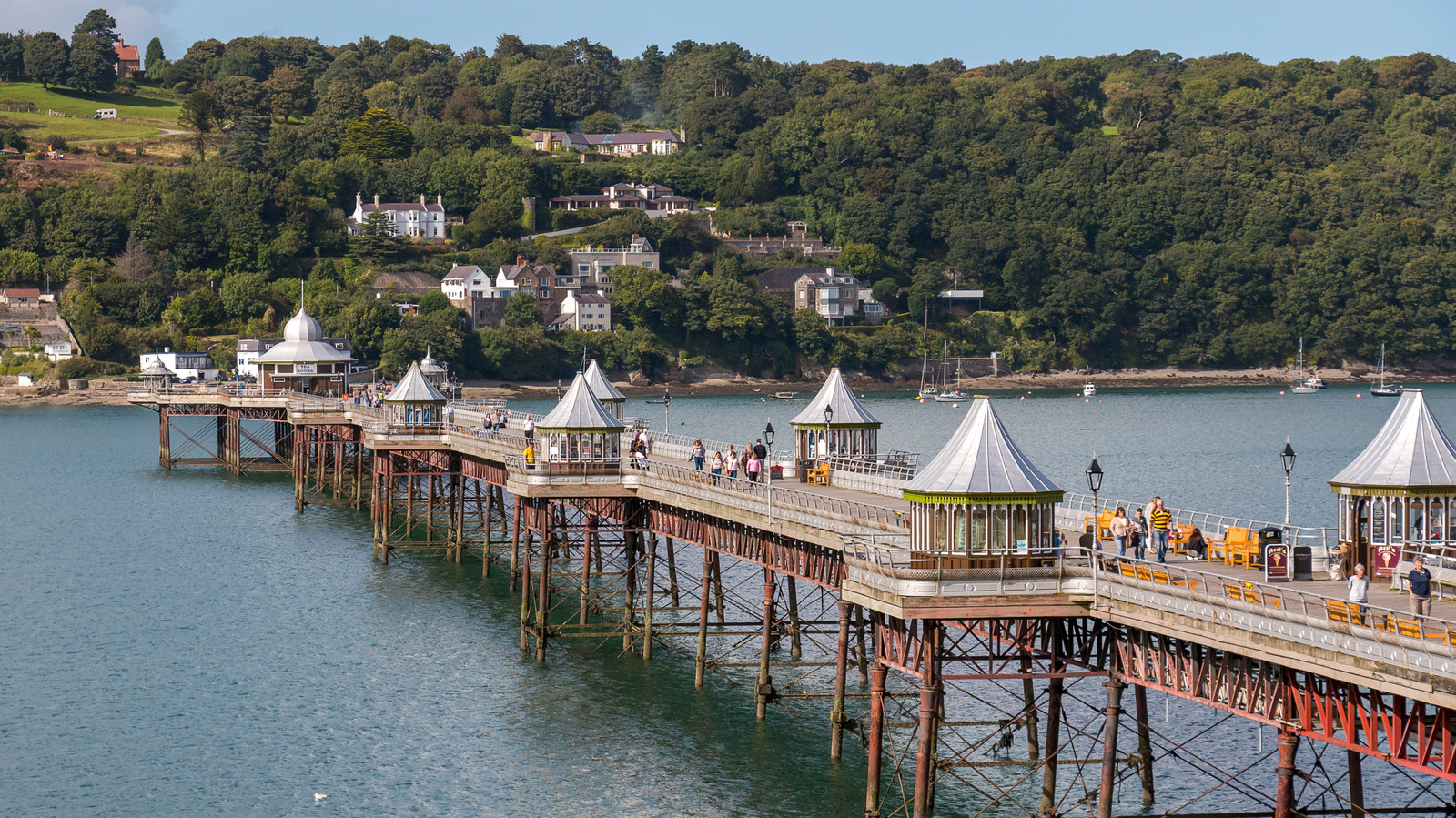
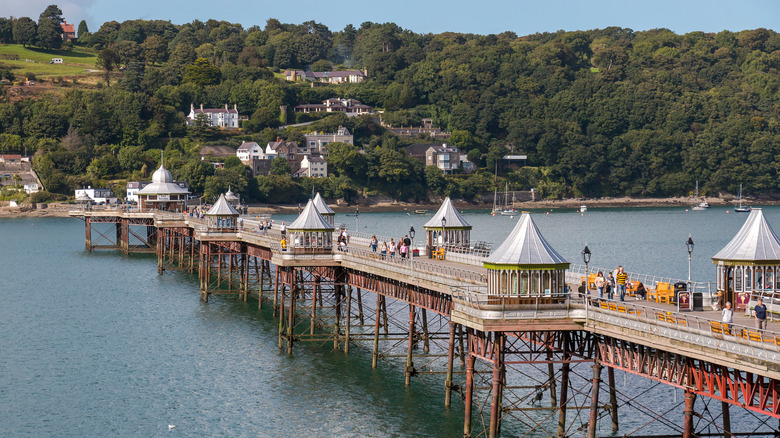
Simultaneously, the Victorian era brought secular transformation to Bangor. The construction of infrastructure like the Garth Pier in 1896 turned the isolated ecclesiastical seat into a thriving seaside leisure destination, catering to travelers seeking the health-giving properties of the Welsh coastal air.
Supporting Context & Metrics: Architecture, Geography, and Demographics
Bangor’s appeal lies not merely in its history, but in the harmonious metrics of its urban design, natural surroundings, and cultural infrastructure.
Architectural Heritage and Preservation
Bangor punches well above its weight class regarding architectural preservation. The city features dozens of British Listed Buildings, a designation that protects structures of special architectural or historic interest. This density of protected structures means that a simple walk down the high street or through the cathedral precinct exposes visitors to:
- Vernacular Welsh stone architecture from the 17th and 18th centuries.
- Grand civic and religious buildings reflecting Gothic, Victorian, and Edwardian design philosophies.
- Carefully maintained green spaces that maintain a rural-urban balance rarely found in modern industrial centers.
Geographic and Transport Metrics
- Accessibility: Located approximately 65 miles west of Chester and accessible via the A55 North Wales Expressway, Bangor connects smoothly to major English transport hubs. Manchester Airport (MAN) is under a two-hour drive away, with direct rail links traversing the scenic North Wales coastline.
- Proximity to Nature: The city sits immediately adjacent to the Menai Strait, functioning as a land bridge to the Isle of Anglesey. It is also bordered by the rugged peaks of Snowdonia National Park and wildlife preserves such as the Llyn Celanedd North Wales Wildlife Trust Nature Reserve.
- Demographic Balance: While the permanent residential population hovers around 15,000, the addition of roughly 10,000 students from Bangor University creates an unusually youthful demographic profile for a heritage city, driving an eclectic economy of specialty coffee shops, arts venues, and independent bookstores.
Official Statements and Cultural Perspectives
Local historians, institutional leaders, and tourism advocates have long emphasized the unique duality of Bangor as both a sacred historical repository and a forward-looking university city.
In commentary surrounding the city’s 1,500th anniversary milestone, local heritage societies noted that Bangor’s survival through 15 centuries of political upheaval is a testament to the resilience of its community identity. Unlike nearby castle towns built strictly as military garrisons by foreign conquerors, Bangor evolved organically from a spiritual sanctuary into a civilian hub.
Academic leaders from Bangor University have frequently highlighted the symbiotic relationship between the institution and the municipality. As noted in higher education analyses, the university’s world-class programs in the sciences, environmental studies, and the arts infuse the local economy with creative capital. Students and faculty collaborate with civic organizations to preserve regional Welsh heritage, ensure the vitality of the Welsh language, and promote sustainable tourism along the coast.
Cultural commentators have also praised the city’s ability to maintain an unpretentious atmosphere. Unlike heavily commercialized tourist traps, Bangor retains an authentic rhythm where local residents, university scholars, and international travelers share the same public spaces, pubs, and coastal footpaths.
Future Outlook: Sustainable Tourism and Heritage Preservation
As Bangor looks beyond its historic 1,500-year milestone, city planners, conservationists, and tourism boards are focusing on sustainable development that honors the past while accommodating modern ecological and economic realities.
Enhancing Heritage Infrastructure
Future initiatives center on improving visitor access to the city’s wealth of listed buildings without compromising their structural integrity. Digital heritage trails are being expanded, allowing smartphone users to access augmented reality reconstructions of the medieval monastery and early Victorian port life as they walk the historic streets.
Ecotourism and Coastal Integration
The inclusion of Bangor within the greater network of the Wales Coastal Path places the city at the forefront of eco-friendly adventure travel. Local conservation groups are working closely with municipal authorities to protect fragile coastal ecosystems—such as those found in the Nantporth Nature Reserve—while developing low-impact infrastructure like boardwalks, interpretive signage, and cycling paths. These projects aim to manage increased visitor traffic responsibly, ensuring that the natural beauty of the Menai Strait remains pristine for future generations.
Expanding Cultural and Academic Tourism
With its strong institutional ties, Bangor is positioning itself as a premier destination for educational and cultural tourism. Plans are underway to host international academic symposia, Celtic music festivals, and artisan markets that draw upon the rich traditions of North Wales. By leaning into its dual identity as an ancient ecclesiastical center and a dynamic modern campus, Bangor is securing its place as an essential, multifaceted jewel in the modern Welsh crown.