






Executive Overview
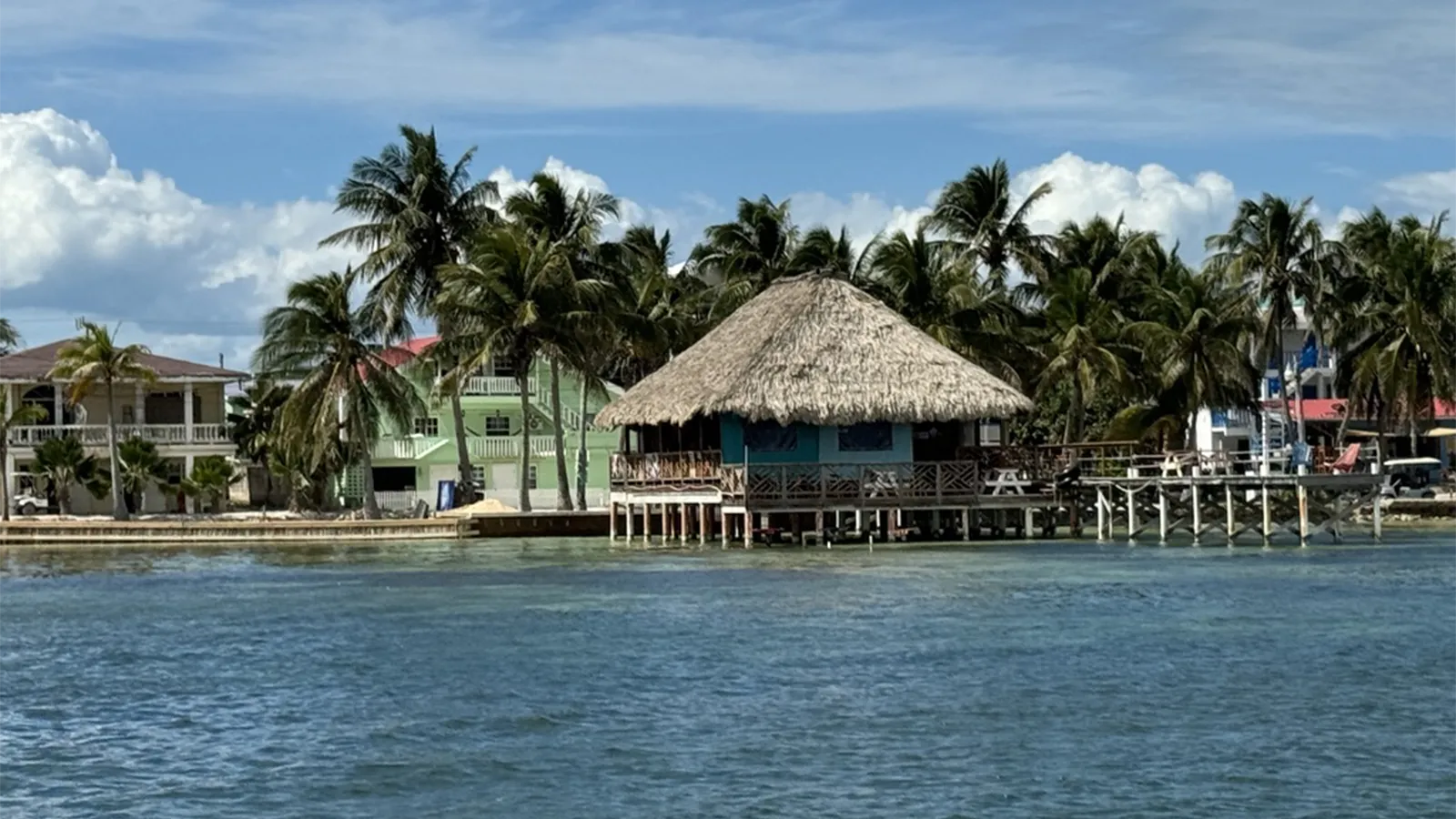
For the seasoned traveler who has exhausted the cookie-cutter all-inclusive resorts of the wider Caribbean, Ambergris Caye, Belize, offers a potent antidote: a high-energy, deeply authentic island culture compressed into a single, vibrant landmass. Anchored by the bustling, golf-cart-congested town of San Pedro, Ambergris Caye does not merely offer a tropical escape; it delivers an entire micro-ecosystem of Caribbean living. Here, the boundaries between land and sea blur constantly, marked by a legendary collection of overwater bars, a complex and diverse street-food culture, and a twin-hotel hospitality model that spans rustic history and modern residential luxury.
Recent travel analytics and deep-dive itineraries confirm that Ambergris Caye remains the premier destination for travelers who evaluate a vacation by the proximity of its beach bars, the accessibility of its barrier reef, and the cultural richness of its local cuisine. Easily accessible via a seamless transit corridor from the United States, the caye balances old-school island escapism with contemporary convenience. This investigative report breaks down the anatomy of Ambergris Caye, exploring its unique geography, culinary anthropology, economic lodging metrics, and the contrasting appeal of its two flagship properties: Ramon’s Village Resort and The Phoenix Resort.
Detailed Chronology: The Evolution of Ambergris Caye
To understand the rhythm of modern San Pedro, one must look backward through the decades that transformed a sleepy fishing village into Belize’s tourism engine. The historical timeline of the caye reveals how grassroots hospitality evolved into world-class infrastructure without losing its indigenous soul.
1981: The Genesis of Ramon’s
The contemporary tourism narrative of Ambergris Caye crystallized in 1981, when pioneer Ramon Nunez established Ramon’s Reef Resort with a modest collection of just 10 thatched-roof cabanas. At a time when Belize was barely a blip on the international dive radar, Nunez envisioned a retreat that honored traditional building techniques while capitalizing on the staggering proximity of the Belize Barrier Reef.
1987–2009: Institutionalization and Expansion
In 1987, the property changed hands, acquired by Richard Headrick, who rebranded it as Ramon’s Village Resort. Under Headrick’s stewardship, the footprint expanded, but the architectural ethos—palm-thatch, dense tropical foliage, and organic sandy pathways—remained fiercely protected. A watershed moment arrived in 2009, when ownership injected a $1 million capital improvement program into the resort. This infusion modernized interiors and expanded private verandahs, ensuring the property could compete with incoming luxury concepts while retaining its historic pedigree.
The Contemporary Era: The Rise of Residential Luxury
As the 21st century progressed, the caye experienced a demographic shift. While backpackers and divers still anchored the baseline tourism economy, affluent travelers demanded larger footprints, full kitchens, and residential autonomy. This demand birthed properties like The Phoenix Resort, shifting the island’s real estate paradigm from single-room cabanas to multi-bedroom, high-end condominiums situated directly in the heart of downtown San Pedro. Today, the coexistence of Ramon’s Village and The Phoenix illustrates a mature destination capable of servicing two distinct tiers of travelers simultaneously.
Supporting Context & Metrics: Logistics, Lodging, and Lifestyle
Ambergris Caye’s enduring popularity is heavily bolstered by frictionless logistics and compelling economic indicators that make it an outlier in post-pandemic Caribbean travel.
The Transit Corridor: Speed to Sand
Time is the ultimate luxury, and Ambergris Caye punches well above its weight class regarding accessibility. According to current commercial aviation schedules, the fastest nonstop flight from Miami International Airport (MIA) to Philip S.W. Goldson International Airport (BIA) in Belize City clocks in at approximately 2 hours and 15 minutes, with daily departures.
The true differentiator, however, is the final leg. Upon clearing customs in Belize City, travelers board a domestic hopper flight for a breathtaking 15-minute aerial transit over turquoise shallows and coral heads, dropping directly onto the airstrip in San Pedro. For guests staying at Ramon’s Village—located a mere 1,300 feet from the tarmac—the total elapsed time from deplaning the international aircraft to sinking toes into beachfront sand is often under 30 minutes. This eliminates the brutal multi-hour ferry rides or winding mountain van transfers that plague arrivals on other regional islands.
Financial Metrics and Rate Structures
Despite inflationary pressures across the global hospitality sector, Ambergris Caye maintains competitive pricing models.
- Ramon’s Village Resort: Standard-season beachfront rates hover around $340 per night (noted during a September 4 rate check for stays running through November 20). This represents a modest, highly defensible $10 increase from the previous season’s $330 standard rate, proving that historic boutique properties can maintain accessibility without sacrificing operational quality.
- The Phoenix Resort: Offering sprawling residential suites starting at 1,325 square feet for a one-bedroom configuration, pricing scales appropriately for multi-generational families and groups seeking high-end square footage over cookie-cutter hotel rooms.
The Golf Cart Economy
In San Pedro, vehicular traffic takes a back seat to the golf cart. With narrow streets originally designed for foot and bicycle traffic, the island’s transportation grid relies entirely on these street-legal electric and gas carts. Rather than feeling like a manufactured resort amenity, renting a golf cart is an immersion tactic. It allows visitors to navigate north of town, pull up spontaneously to a seaside dock, and explore the island’s narrow 25-mile length at a leisurely, sun-drenched pace.
Official Statements & Cultural Analysis: The Gastronomic Identity of San Pedro
To grasp the cultural heartbeat of Ambergris Caye, one must listen to the voices shaping its culinary identity. The island’s food scene is not a collection of imported resort restaurants; it is an organic fusion of Maya, Mestizo, Garifuna, Caribbean, and Central American traditions.
The Anatomy of a Food Tour
Industry observers frequently cite the guided culinary walks through San Pedro—such as those curated by Belize Food Tours—as a masterclass in destination storytelling. Melva Miralda, a veteran local guide, distills the island’s unique culinary ethos into a single observation: "It’s just different. And diverse."
This diversity is on full display within a remarkably tight geographic footprint. Within a few blocks, a traveler can transition from fresh, lime-cured ceviche at Lily’s Treasure Chest to local grouper prepared with Caribbean flair at Elvi’s Kitchen.
The Art of the Pupusa
No culinary expedition to San Pedro is complete without engaging with the island’s vibrant Central American immigrant community, which has perfected the art of the pupusa—thick, griddled corn cakes stuffed with rich combinations of cheese, savory beans, and pork.
At the epicenter of this movement is Original #1 Pupuseria Salvadoreño, anchored by Sara Rodas. Rodas, who began crafting pupusas at the tender age of nine, represents the generational dedication underpinning San Pedro’s street-food renaissance. Culinary experts consistently advise first-time visitors to book a food tour within their first 24 hours on the island; it fundamentally recalibrates how one perceives the small storefronts and roadside stands lining the sandy streets, turning anonymous shacks into must-visit gastronomic landmarks.
The Overwater Bar Capital
Beyond the plate lies the glass. Ambergris Caye holds the undisputed title of the Caribbean’s overwater-bar capital. Open-air drinking establishments perched on wooden docks extend deep into the Caribbean Sea, creating a maritime social scene where arriving by boat is as standard as pulling up in a golf cart. This seamless integration of land and sea defines the visitor experience: a morning dive on the nearby Belize Barrier Reef seamlessly transitions into an afternoon cocktail hovering directly over the marine biosphere.
Future Outlook: Navigating the Next Era of Tourism on Ambergris Caye
As global tourism rebounds and travelers increasingly seek destinations that offer authenticity alongside convenience, Ambergris Caye occupies a remarkably secure position. However, the island faces the classic paradox of successful boutique destinations: how to scale infrastructure without eroding the rustic, off-grid charm that attracted visitors in the first place.
Balancing Development with Preservation
The dichotomy between Ramon’s Village and The Phoenix points toward the island’s future trajectory. On one hand, historic preservationists and old-school travelers champion properties that maintain thatched roofs, native landscaping, and a low-rise footprint. On the other hand, the demand for high-density, luxury residential spaces like The Phoenix indicates that the upper-middle-class and luxury demographics will continue to shape real estate development along the waterfront.
Municipal leaders in San Pedro face the ongoing challenge of managing the golf cart ecosystem, upgrading utility grids to handle peak-season occupancy, and protecting the fragile marine environments of the Hol Chan Marine Reserve and the wider Belize Barrier Reef. Fortunately, the local economy’s deep-rooted reliance on eco-tourism and diving ensures a vested interest in marine conservation.
The Enduring Appeal
Ultimately, Ambergris Caye’s future remains bright because its core appeal cannot be artificially replicated. While other Caribbean destinations offer more formal luxury, pristine isolation, or massive mega-resorts, Ambergris Caye delivers a concentrated, high-octane dose of Caribbean life.
For the traveler willing to trade quiet isolation for the hum of golf carts, the splash of boats pulling up to dock bars, and the aroma of griddled pupusas drifting across sandy lanes, Belize’s premier island remains peerless. Whether checking into the thatched-roof legacy of Ramon’s Village or settling into the residential sprawl of The Phoenix, the mandate for the visitor is clear: rent the cart, walk the docks, embrace the reef, and leave plenty of unscheduled time to get wonderfully lost in San Pedro.