Executive Overview
For generations, the rhythmic churning of diesel engines and the crisp scent of saltwater have been the quiet heartbeat of Maine’s Casco Bay. Serving as an indispensable lifeline between the vibrant mainland of Portland and the rugged, tight-knit island communities scattered across the bay, Casco Bay Lines (CBL) is far more than a regional transportation provider. It is an enduring cultural institution.
In a recent development that bridges the gap between utilitarian public transit and coastal lifestyle branding, Casco Bay Lines has officially launched an all-new, custom-designed merchandise collection. Curated to reflect the distinct rhythms of island life—ranging from the unhurried pace of a summer afternoon to the adrenaline-fueled sprint down Commercial Street for the 5:15 PM departure—the new line features bespoke dad hats, canvas totes, and heavy-blend crewneck sweatshirts.
Beyond the commercial appeal of custom apparel, this launch serves as a timely reminder of the deep sociological and economic ties binding the islands of Casco Bay to the mainland. As CBL continues to honor its storied past while modernizing for the future, this new product line invites both lifelong island residents and mainland visitors to wear their maritime heritage quite literally on their sleeves. Available exclusively at the downtown Portland terminal, the collection encapsulates the spirit of a service that has weathered centuries of change, remaining steadfastly anchored in the heart of Maine coastal culture.
Detailed Chronology: The Evolution of Casco Bay Transit and Culture
To truly understand the significance of Casco Bay Lines’ latest lifestyle merchandise drop, one must examine the rich timeline of maritime navigation that shapes the region. The waters of Casco Bay have buzzed with commercial and passenger traffic for centuries, evolving from localized wooden packet boats into the sophisticated, year-round ferry network recognized today.
The Era of Private Packets and Steam (Late 19th Century)
Long before the consolidation of a single municipal or unified corporate ferry line, transportation among the islands of Peaks, Chebeague, Great Diamond, Little Diamond, Long Island, and Cliff Island was handled by a decentralized network of independent boat operators. Throughout the latter half of the 19th century, paddle steamers and steam-screw vessels began replacing wind-powered craft. These steamers transformed the bay, making year-round commuting and the transport of goods, livestock, and mail feasible for the first time on a reliable schedule.
Consolidation and the Birth of Casco Bay Lines (1919)
As the region’s population swelled and the demand for predictable, safe maritime transit grew, local operators recognized the need for a unified approach. In 1919, various independent services formally consolidated to form the Casco Bay Lines predecessor entity, streamlining routes, standardizing fares, and establishing a centralized presence on the Portland waterfront. This consolidation marked the beginning of a cohesive era for island connectivity, ensuring that remote communities could rely on a dedicated fleet to bridge the geographic divide.
Transition to Public Stewardship (1980s)
Like many historic transit systems across the United States, Casco Bay Lines faced severe economic headwinds with the advent of the automobile age and fluctuating fuel costs in the mid-to-late 20th century. To safeguard this critical public utility from private liquidation or service degradation, the Casco Bay Island Transit District (CBITD) was established by the Maine Legislature in 1981 as a quasi-municipal corporation. This legislative maneuver ensured that the ferries would remain under public stewardship, prioritizing community needs, school transport, and emergency access over purely profit-driven motives.
Modern Fleet Operations and Cultural Integration (2000s–Present)
Entering the 21st century, CBL modernized its fleet with advanced vessels capable of handling increased passenger volumes, vehicular traffic, and year-round weather extremes. Boats like the M/V Machigonne II and the M/V Bay Mist became familiar floating homesteads for daily commuters.
Today, CBL stands as one of the oldest continuously operating ferry services in the United States. The introduction of the 2024–2025 heritage merchandise line represents the latest evolutionary step in this timeline: a deliberate cultural acknowledgment of the unique subculture that has sprouted around the ferry deck. By codifying "island time" and the universal experience of the "ferry sprint" into wearable garments, CBL has transitioned from a purely functional transit provider into an active curator of Maine identity.
Supporting Context & Metrics: The Economic and Social Lifeline of Casco Bay
While lifestyle apparel adds a layer of modern consumer engagement, the operational reality of Casco Bay Lines remains an intricate, high-stakes logistical ballet. Quantifying the scope of CBL’s operations reveals why a simple ferry ride holds such profound weight for Maine residents.
Passenger Volume and Economic Footprint
Casco Bay Lines transports over one million passengers annually across its network. The system serves six primary islands on its regular year-round routes—Peaks Island, Little Diamond Island, Great Diamond Island, Long Island, Chebeague Island, and Cliff Island—along with seasonal service to other destinations.
For the permanent residents of these islands, the ferry is not a recreational weekend cruise; it is the fundamental infrastructure of daily existence. Contractors, teachers, medical professionals, and students rely on the early morning sailings to reach Portland, while island-based businesses depend on freight operations to haul everything from construction materials to fresh groceries. Conversely, the summer tourism influx injects millions of dollars into island economies, creating a symbiotic economic engine between mainland Portland and the outer islands.
Fleet Operations and Logistical Challenges
Operating a fleet through the diverse meteorological conditions of the Gulf of Maine requires immense precision. Winter nor’easters, thick sea fogs, and sub-zero temperatures test the resilience of both crews and hulls. Navigating Casco Bay’s rocky ledges and busy commercial shipping lanes demands expert seamanship from CBL captains and deckhands.
It is this juxtaposition of grueling, salt-sprayed maritime labor and the serene, postcard-worthy beauty of the bay that inspired the new merchandise collection. The items are not designed in a sterile corporate office; they are born from the lived realities of dock workers, commuters, and deckhands who know the exact weight of a salty sea breeze.
Merchandise Breakdown and Specifications
The newly released product line is thoughtfully categorized to appeal to distinct segments of the ferry-riding public:
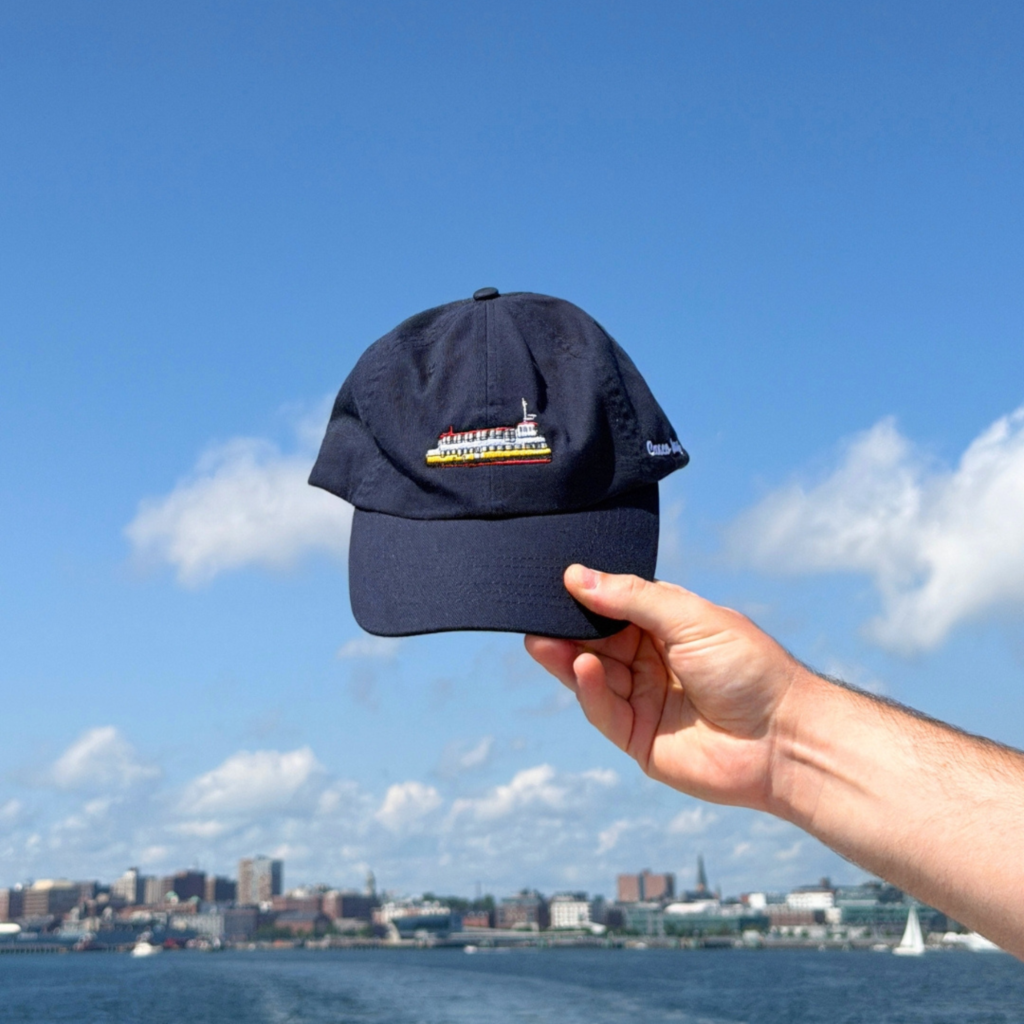
- The Ferry Dad Hat ($35): Crafted from 100% bio-washed cotton chino twill, this unstructured, low-profile cap features a classic curved brim and an adjustable strap with an antique brass slider. Designed for dock strolling, island hopping, and "pretending you know how to tie nautical knots," it provides sun protection during bright summer crossings while maintaining a relaxed, weathered aesthetic.
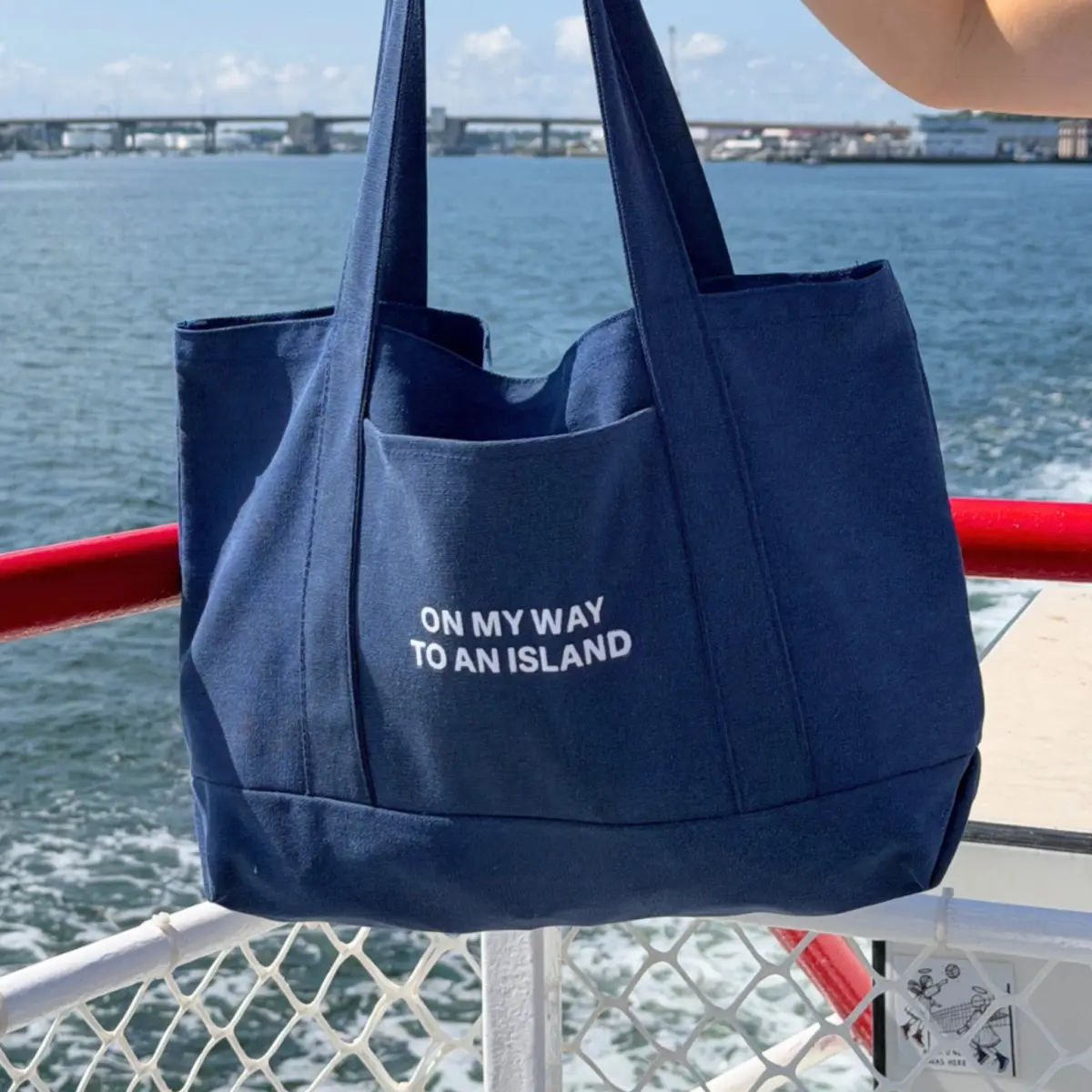
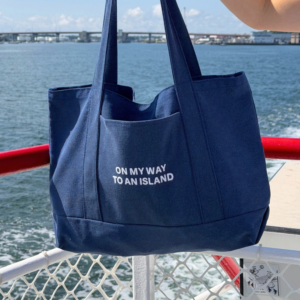
- The Island Time Tote ($30): Tailored for day-trippers and grocery-toting locals alike, this lightweight yet sturdy canvas tote bag offers ample interior volume. Whether packed with beach towels and sunscreen for Peaks Island or fresh produce from the mainland, it serves as an unmistakable badge of Maine coastal pride.
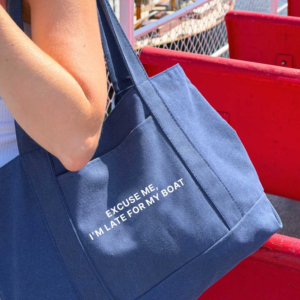
- The Running Late Tote ($30): An homage to the universal anxiety of watching the ferry gangway pull away, this deep navy carryall is built for the "fashionably ferry-late" commuter. Its heavy-duty construction accommodates last-minute essentials tossed in a frantic five-minute dash down Commercial Street.
- The Coastal Crew Sweatshirt ($45): Available in sizes ranging from small to extra-large, this premium fleece crewneck is engineered for chilly Maine evenings on the open water. Featuring a soft interior lining and a timeless silhouette, it is equally suited for an early morning winter crossing or relaxing on a mainland couch.
Official Statements and Cultural Commentary
The launch of the heritage apparel line has generated considerable enthusiasm among both transit advocates and local residents, highlighting the deep emotional resonance of the ferry service.
Nikki Stewart, Director of Marketing and Customer Experience for Casco Bay Lines, emphasized that the merchandise is designed to celebrate the unique culture shared by riders and crew alike:
"Our ferries are fundamentally more than just an excuse to produce good merchandise. For thousands of people, they are a dependable, non-negotiable part of daily life—connecting island communities to their jobs, classrooms, extended families, and to one another. For visitors, a trip across the bay is often the defining highlight of their time in Maine. After generations on the water, we’ve picked up a distinct style, and this collection is a tribute to that shared journey."
Long-term commuters have similarly embraced the lighthearted humor embedded in the product line—particularly items like the Running Late Tote. Local island resident and daily commuter Marcus Vance noted:
"Everyone living out here has experienced that heart-pounding sprint down the pier when you can hear the engines revving and you know the captain is checking his watch. Turning that universal panic into a stylish canvas bag is brilliant. It shows that Casco Bay Lines truly understands our daily routine, warts and all."
Cultural historians point out that merchandise initiatives of this nature serve an important community-building function. By transforming routine public transit branding into coveted lifestyle wear, organizations like CBL foster a sense of collective identity. Wearing a Casco Bay Lines crewneck or dad hat signals membership in a unique coastal fraternity—one defined by resilience, an appreciation for maritime heritage, and an unhurried attitude toward life’s inevitable delays.
Future Outlook: Sustainability, Modernization, and Heritage Preservation
As Casco Bay Lines looks toward the horizon, the organization balances cutting-edge environmental modernization with the preservation of its storied maritime traditions.
Environmental Stewardship and Fleet Decarbonization
In alignment with Maine’s broader climate goals and federal sustainability initiatives, CBL has been actively exploring ways to green its operations. Future outlooks for the transit district include feasibility studies regarding hybrid-electric propulsion systems for future vessel acquisitions. Reducing carbon emissions in fragile marine ecosystems like Casco Bay ensures that future generations will enjoy clean waters and pristine shorelines.
Infrastructure Upgrades at the Portland Terminal
The downtown Portland terminal at 56 Commercial Street remains the epicenter of CBL operations. Ongoing and planned infrastructure improvements focus on enhancing passenger accessibility, upgrading ticketing and digital boarding systems, and expanding freight-handling capabilities to accommodate the growing volume of goods required by island populations.
The Enduring Symbol of the Ferry
Despite technological leaps, automated ticketing, and modern vessel design, the core human element of Casco Bay Lines remains unchanged. The captains navigating through winter squalls, the deckhands securing mooring lines in rain or shine, and the passengers sharing coffee and conversation on the salon deck form an unbroken chain of maritime community.
The new merchandise line—with its playful nods to island time and frantic dock dashes—cements this cultural legacy. It reminds us that public transit can be more than a sterile utility; it can be a vibrant source of civic pride.
For those eager to secure a piece of this maritime tradition, the entire collection is available exclusively at the Casco Bay Lines Ferry Terminal located at 56 Commercial Street in Portland, Maine. Whether you are a daily commuter braving the winter chill or a summer visitor seeking a tangible memory of the Maine coast, these new additions invite you to pick your favorite piece, catch the ferry, and wear it well.