






Executive Overview
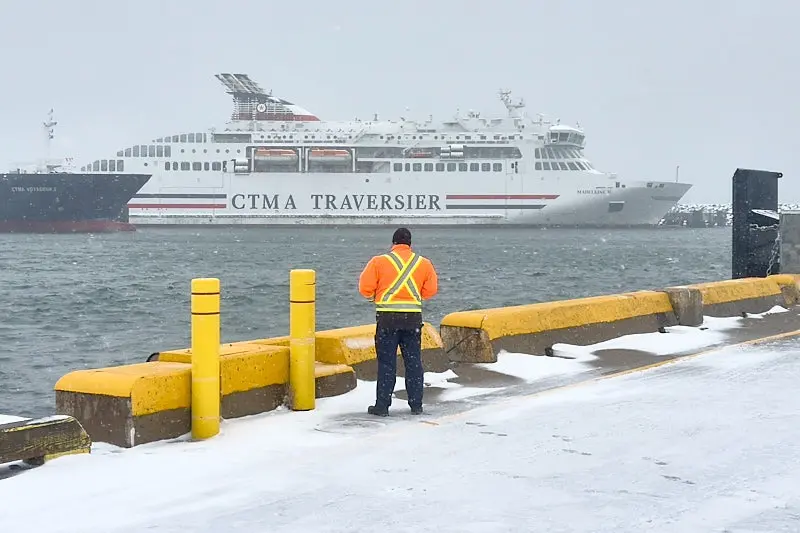
In a critical regulatory development for Atlantic Canada’s maritime transportation network, the Canadian Transportation Agency (CTA) has determined that no Canadian-flagged vessel is available to maintain essential ferry services to the Magdalen Islands (Îles-de-la-Madeleine) while the primary Ro-Pax vessel, MADELEINE II, undergoes scheduled mandatory maintenance.
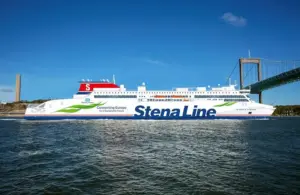
The decision clears a primary legal hurdle for operator Coopérative de Transport Maritime et Aérien (CTMA) to charter and deploy the foreign-flagged passenger and vehicle ferry SUPERSTAR II. Flying the flag of Cyprus, the vessel is slated to operate along the vital maritime corridor between Cap-aux-Meules, Quebec, and Souris, Prince Edward Island, from November 15, 2026, to March 15, 2027. Provisions have also been built into the operational framework to divert operations to North Sydney, Nova Scotia, should heavy winter ice block access to the PEI port.
+-----------------------------------------------------------------------------------+
|                        PROPOSED TEMPORARY ROUTING MATRIX                          |
+----------------------+-----------------------+---------------------+--------------+
| Primary Route        | Cap-aux-Meules, QC    | Souris, PEI         | ~70 NM       |
| Winter Contingency   | Cap-aux-Meules, QC    | North Sydney, NS    | ~110 NM      |
+----------------------+-----------------------+---------------------+--------------+
| Service Window       | November 15, 2026 – March 15, 2027                         |
| Primary Vessel       | MADELEINE II (Undergoing Drydock Inspection)              |
| Proposed Replacement | SUPERSTAR II (Cyprus Flagged | Subject to Final Licence)  |
+-----------------------------------------------------------------------------------+
While the CTA’s ruling represents a pivotal step, it does not constitute final operational authorization. Under Canada’s Coasting Trade Act, the actual chartering and coastwise operation of a foreign-registered ship remain contingent upon a formal Coasting Trade Licence issued by the Minister of Public Safety, alongside safety and environmental clearance from Transport Canada. The planned four-month replacement window underscores the acute structural vulnerability of Canada’s domestic passenger fleet and highlights the complex regulatory mechanics governing territorial waters and essential supply chains.
Detailed Chronology & Regulatory Mechanics
The administrative path leading to the temporary deployment of a foreign vessel in Canadian domestic waters involves a strict statutory process designed to protect domestic shipping interests while preventing disruptions to key public corridors.
       [CTMA Identifies Drydock Requirement for MADELEINE II]
                                 │
                                 ▼
   [Public Market Survey: No Canadian-Flagged Vessels Available]
                                 │
                                 ▼
   [Application Filed to CTA for Coasting Trade Determination]
                                 │
                                 ▼
    [CTA Issues Notice to Industry (Ruling W-2026-128 / No. 567543)]
                                 │
                                 ▼
    [CTA Formally Determines No Suitable Canadian Vessel Exists]
                                 │
                                 ▼
  ┌─────────────────────────────────────────────────────────────┐
  │                    PENDING FINAL APPROVALS                  │
  ├─────────────────────────────────────────────────────────────┤
  │ 1. Transport Canada Safety & Crewing Assessment             │
  │ 2. Minister of Public Safety Issues Coasting Trade Licence   │
  │ 3. CBSA Duty/Tariff Assessment & Clearances                 │
  └─────────────────────────────────────────────────────────────┘
1. Drydock Requirements and Fleet Availability Assessment
All Canadian-flagged commercial vessels operating on passenger routes are subject to mandatory periodical surveys and drydocking under Transport Canada regulations and international maritime classification standards. MADELEINE II, which provides year-round transport between the Quebec archipelago and the Canadian mainland, is scheduled for its mandatory quadrennial maintenance during the 2026–2027 winter season.
Recognizing that withdrawing the ferry without a replacement would cut off the archipelago’s primary freight and passenger link, CTMA conducted an extensive market search across Canadian vessel operators. The search sought a suitable Ro-Pax vessel with matching berth requirements, lane-meter capacity, ramps compatible with regional port infrastructure, and adequate ice-class capabilities.
2. The Coasting Trade Act Application
Failing to locate an available Canadian-flagged ship meeting these technical requirements, CTMA initiated formal proceedings under the Coasting Trade Act (S.C. 1992, c. 31). The cooperative applied for a temporary Coasting Trade Licence to charter the Cyprus-flagged SUPERSTAR II.
The application specified:
- Operating Period: November 15, 2026, through March 15, 2027.
- Geographic Scope: Primary service between Cap-aux-Meules, QC, and Souris, PEI, with an alternate route to North Sydney, NS, to account for winter ice conditions in the Gulf of St. Lawrence.
- Service Intent: Maintaining uninterrupted daily passenger, personal vehicle, and heavy commercial freight transit.
3. Canadian Transportation Agency Determination
Upon receiving the application, the CTA published an official Notice to the Canadian Maritime Industry (Notice No. 567543) to determine if any Canadian-registered or duty-paid vessel was available and technically suitable to perform the described service.
Following the expiration of the statutory response period, the CTA issued Ruling W-2026-128. The Agency formally determined that there was no suitable Canadian vessel available to provide the service requested by CTMA. This finding satisfies the primary prerequisite under Section 3(2) of the Coasting Trade Act.
Supporting Context & Maritime Metrics
The Geographical and Socio-Economic Lifeline
The Magdalen Islands, an archipelago situated in the middle of the Gulf of St. Lawrence, rely almost entirely on CTMA’s ferry operations for survival. Home to roughly 12,000 residents, the islands require continuous maritime links to transport essential goods, fresh food, medical supplies, fuel, and commercial seafood exports—the backbone of the local economy.
+-----------------------------------------------------------------------------------+
|                        MAGDALEN ISLANDS WINTER DEPENDENCY MATRIX                 |
+--------------------+--------------------------------------------------------------+
| Sector             | Operational Impact of Ferry Infrastructure                   |
+--------------------+--------------------------------------------------------------+
| Food Security      | 90%+ of perishable groceries imported via commercial trucks|
| Energy Supply      | Refined fuels and propane transported via roll-on freight    |
| Healthcare         | Patient transport and emergency equipment movement           |
| Local Economy      | Export of winter seafood products (lobster, crab) to market  |
+--------------------+--------------------------------------------------------------+
During the high winter period from January to March, weather conditions in the Gulf of St. Lawrence worsen significantly. Pack ice formation often chokes the Northumberland Strait and blocks access to the shallow harbor at Souris, Prince Edward Island.
To overcome this, CTMA shifts operations to North Sydney, Nova Scotia. While this extends the open-water transit time across the Cabot Strait, it provides deeper waters and clearer maritime access, guaranteeing that supplies reach the islands regardless of freezing conditions.
Marine Infrastructure Metrics: Vessel Comparison
Deploying a substitute ferry requires precise operational compatibility. The replacement vessel must interface with fixed shore ramps at Cap-aux-Meules, Souris, and North Sydney, while coping with severe sea states and sub-zero temperatures.
+-----------------------------------------------------------------------------------+
|                     COMPARATIVE FLEET & OPERATIONAL METRICS                       |
+--------------------------+----------------------------+---------------------------+
| Metric                   | MADELEINE II (Standard)    | SUPERSTAR II (Substitute) |
+--------------------------+----------------------------+---------------------------+
| Flag / Registry          | Canada                     | Cyprus                    |
| Vessel Type              | Ro-Pax Ferry               | Ro-Pax Ferry              |
| Operational Role         | Primary Year-Round Ferry   | Winter Replacement        |
| Passenger Capacity       | Approx. 1,500              | High-capacity Ro-Pax      |
| Commercial Vehicle Capacity | Integrated Freight Lanes | Equivalent Freight Lanes  |
| Primary Winter Routing   | Cap-aux-Meules to Souris   | Cap-aux-Meules to Souris  |
| Alternate Ice Routing    | Cap-aux-Meules to N. Sydney| Cap-aux-Meules to N. Sydney|
+--------------------------+----------------------------+---------------------------+
SUPERSTAR II brings substantial vehicle lane-meters and passenger capacity to the route. Crucially, its vessel geometry and maneuvering systems—such as high-output bow thrusters and dual-propulsion setups—must match the narrow approach channels and high winds typical of Cap-aux-Meules during early winter storms.
Statutory Framework: Cabotage Regulations in Canada
Canada’s coastal shipping laws are strictly governed by the Coasting Trade Act, which reserves the transportation of goods and passengers between Canadian ports exclusively to duty-paid, Canadian-registered ships. The policy aims to protect domestic seafaring jobs, support local shipbuilding, and maintain regulatory control over coastal waters.
                       [Coasting Trade Act Framework]
                                     │
         ┌───────────────────────────┴───────────────────────────┐
         ▼                                                       ▼
[Domestic Fleet Preference]                            [Temporary Exemption]
• Canadian-flagged ships                               • Requires CTA finding of
• Duty-paid status                                       vessel non-availability
• Canadian qualified crews                             • Must obtain Public Safety
                                                         and Transport Canada permits
Under exceptional circumstances—such as scheduled drydocking without available domestic backups—the federal government allows temporary exemptions. The process requires three distinct agency approvals:
- Canadian Transportation Agency (CTA): Verifies that no suitable domestic ship is available in the market.
- Transport Canada (TC): Conducts safety, environmental, and crewing inspections to verify compliance with International Maritime Organization (IMO) standards and Canadian marine safety rules.
- Canada Border Services Agency (CBSA) / Minister of Public Safety: Issues the final Coasting Trade Licence and collects any applicable temporary import duties.
Official Statements & Legal Determinations
In its ruling, the Canadian Transportation Agency carefully defined the legal limits of its decision, noting that confirming no Canadian ship is available does not by itself authorize foreign operations:
"The Agency determines that there is no suitable Canadian vessel available to perform the activity described in the application… This determination does not itself authorise the performance of the activity. The operation of a foreign vessel in Canadian waters remains subject to the issuance of a coasting trade licence by the Minister of Public Safety."
— Canadian Transportation Agency, Ruling No. W-2026-128
Addressing the operational continuity of the link, CTMA representatives emphasized that securing temporary replacement tonnage well in advance of the 2026–2027 winter season is vital to prevent regional supply chain shocks:
"Maintaining an uninterrupted supply line to the Îles-de-la-Madeleine is an absolute obligation. Without a dedicated Ro-Pax replacement capable of operating in demanding Gulf conditions, the archipelago’s commercial activities and essential public transit would suffer severe disruption during the maintenance period of MADELEINE II."
— CTMA Logistics & Operational Planning
Maritime legal analysts note that the CTA’s process highlights the structural limitations of Canada’s domestic passenger vessel market. With few large Ro-Pax ferries active in domestic waters—and almost all of them dedicated year-round to critical provincial or federal routes—finding a spare Canadian vessel for short-term charter is rarely feasible.
Future Outlook & Strategic Implications
The scheduled deployment of SUPERSTAR II highlights wider strategic challenges facing Canadian short-sea shipping and regional transportation networks.
+-----------------------------------------------------------------------------------+
|                        STRATEGIC TIMELINE (2026 - 2030+)                         |
+--------------------+--------------------------------------------------------------+
| Date Range         | Key Operational Milestone                                    |
+--------------------+--------------------------------------------------------------+
| Nov 2026–Mar 2027  | SUPERSTAR II active service window (Cap-aux-Meules corridor)|
| Early 2027         | Completion of MADELEINE II drydock overhaul and inspections  |
| Spring 2027        | MADELEINE II re-enters service; foreign charter terminates  |
| 2028-2030          | Next-generation federal ferry delivery under NSS framework   |
+--------------------+--------------------------------------------------------------+
1. Preparing for the 2026–2027 Winter Season
With the CTA ruling finalized, CTMA must now navigate the remaining regulatory steps:
- Completing Transport Canada safety audits, inspect marine evacuation systems, and review ice-navigation protocols for SUPERSTAR II.
- Securing temporary coastwise customs clearances through CBSA and obtaining the official licence from the Minister of Public Safety.
- Finalizing technical adjustments to dockside ramp interfaces at Cap-aux-Meules, Souris, and North Sydney to match SUPERSTAR II‘s stern and bow configurations.
2. Winter Navigation Contingencies
Maritime authorities will closely monitor ice conditions in the Gulf of St. Lawrence as the November 2026 deployment approaches. If early pack ice accumulates in the Northumberland Strait, CTMA will execute its contingency plan, shifting the primary port of call from Souris to North Sydney. This shift will require adjustments to trucking schedules and regional freight distribution logistics.
       [Gulf of St. Lawrence Sea Ice Formation (Dec/Jan)]
                                 │
         ┌───────────────────────┴───────────────────────┐
         ▼                                               ▼
[Low/Moderate Ice Coverage]                     [Severe Ice Accumulation]
  Maintain Primary Corridor                       Trigger Alternate Corridor
  Cap-aux-Meules <-> Souris, PEI                  Cap-aux-Meules <-> North Sydney, NS
  (~5 Hour Transit)                               (~8-10 Hour Transit)
3. Domestic Shipbuilding and Long-Term Fleet Resilience
This temporary foreign charter reflects broader supply issues within Canada’s commercial fleet. As part of Canada’s National Shipbuilding Strategy (NSS), federal investments are directed toward building new, custom-designed vessels for Eastern Canadian ferry services. However, until these long-term procurement projects deliver replacement hulls, Canadian vessel operators must continue relying on foreign charter waivers under the Coasting Trade Act to manage necessary vessel maintenance cycles.
By securing early regulatory clearance for SUPERSTAR II, CTMA has mitigated a major logistics risk for the Magdalen Islands. This proactive strategy ensures that essential goods, emergency transit, and regional commerce will continue uninterrupted through the challenging winter season of 2026–2027.