






Executive Overview
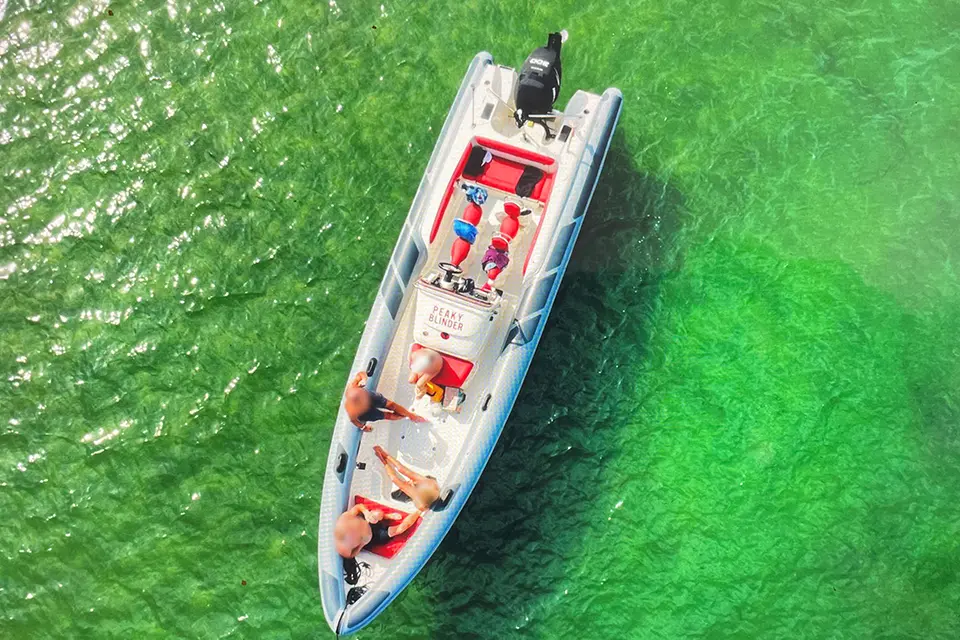
The serene and historically rich waters of Portsmouth Harbour on the south coast of England became the site of an unfathomable maritime tragedy on August 14, 2025. On that fateful summer day, a high-performance rigid inflatable boat (RIB) named Peaky Blinder violently collided with a fixed navigation beacon, resulting in a catastrophic impact that claimed the lives of two individuals on board.
Months following the disaster, the Marine Accident Investigation Branch (MAIB) formally published its comprehensive safety investigation report, shedding light on the sequence of events that led up to the collision and exposing critical vulnerabilities within the legal and regulatory frameworks governing recreational navigation in the United Kingdom.
At the center of the MAIB’s findings is a stark, recurring hazard in maritime operations: the impairing influence of alcohol. While commercial shipping operations are subjected to strict, legally binding blood alcohol concentration (BAC) limits, the recreational boating sector continues to occupy a perilous regulatory grey area. The Chief Inspector of Marine Accidents, Rob Loder, used the release of the Peaky Blinder report to issue a forceful public appeal, highlighting the urgent need for statutory alcohol limits for recreational boaters.

This in-depth investigative report examines the chronology of the Portsmouth Harbour accident, analyzes the technological and human factors involved, reviews the broader safety metrics surrounding marine allisions, and explores the potential policy shifts that may finally bridge a long-standing legislative gap in British maritime safety.
Detailed Chronology: The Final Voyage of the Peaky Blinder
To understand how a routine recreational excursion transformed into a fatal emergency, investigators reconstructed the final hours, minutes, and seconds of the Peaky Blinder’s voyage with forensic precision.
The Buildup and Departure
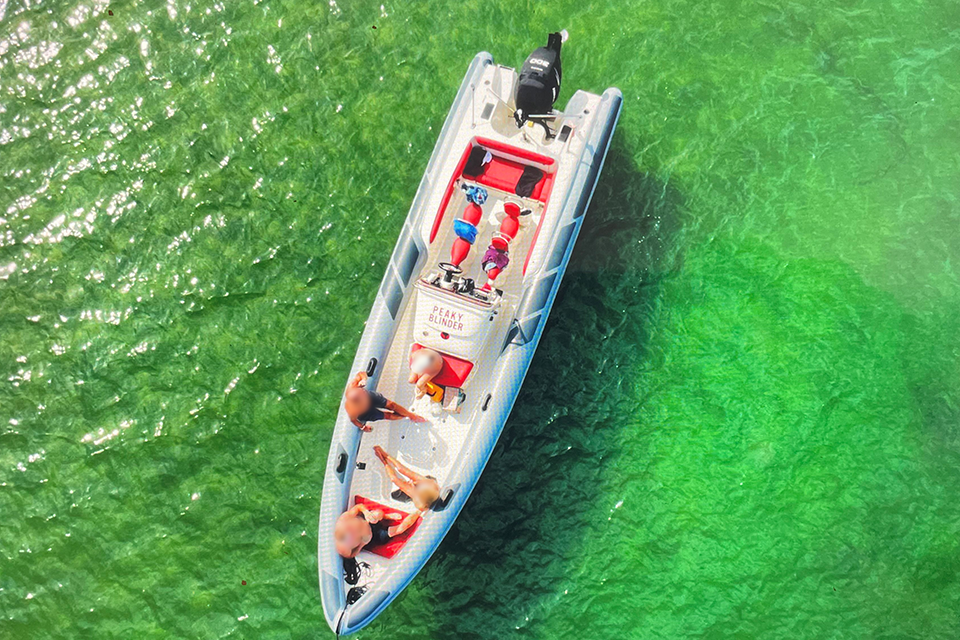
On the afternoon of August 14, 2025, weather conditions in Portsmouth Harbour and the wider Solent area were reported as generally favorable for recreational boating, characterized by clear visibility and moderate sea states. The Peaky Blinder, a specialized and powerful rigid inflatable boat capable of high speeds and rapid acceleration, set out with a small complement of passengers and crew.
RIBs have surged in popularity among recreational boaters due to their maneuverability, speed, and open layout. However, maritime experts have long noted that these vessels demand a high degree of situational awareness, precise helmsmanship, and a profound respect for local navigational hazards. Portsmouth Harbour is one of the busiest and most strategically vital waterways in the United Kingdom, accommodating everything from colossal Royal Navy aircraft carriers and international commercial ferries to a dense swarm of leisure craft, paddleboarders, and fishing boats. Navigating this environment requires uncompromised focus.
The Fatal Impact
As the Peaky Blinder traversed the waters of the harbor, it approached a designated navigation beacon—a stationary, highly visible steel and concrete structure designed to guide mariners safely through the complex channel markers. For reasons that investigators would later spend months untangling, the vessel failed to alter its course or reduce its speed in adequate time to avoid the hazard.
At an unmitigated speed, the RIB suffered a catastrophic allision (the marine term for a moving vessel striking a stationary object) with the navigation beacon. The kinetic energy released upon impact was immense. The rigid composite hull of the Peaky Blinder buckled under the force, instantly converting the high-speed craft into a zone of devastating structural failure.
Emergency services, including Ministry of Defence Police marine units, Portsmouth RNLI lifeboat crews, and local ambulance services, responded with immediate urgency to distress calls. Despite the swift deployment of rescue assets and the administration of emergency medical treatment at the scene, two individuals sustained fatal injuries from the kinetic trauma of the collision. The remaining occupants suffered varying degrees of physical trauma and profound psychological shock.
Supporting Context & Metrics: The Hidden Dangers of Recreational Waters
The loss of life aboard the Peaky Blinder is not an isolated incident within the broader context of UK maritime safety, but rather part of a persistent and troubling statistical trend involving recreational craft.
The Proliferation of High-Performance RIBs
Over the past two decades, the recreational marine sector has witnessed a dramatic shift in vessel demographics. High-powered RIBs, once primarily restricted to military, rescue, and commercial work applications, have become widely accessible to private owners. These craft are capable of achieving speeds in excess of 40 or 50 knots.
However, the ease of handling these vessels at low speeds often creates a false sense of security for operators who may lack formal commercial navigation credentials, radar training, or deep familiarity with the Rules of the Road at Sea (COLREGs). When operated at high speeds in congested waters, the reaction time window shrinks to mere seconds, leaving virtually no margin for error.
Alcohol and Maritime Incidents: A Persistent Hazard
The MAIB report into the Peaky Blinder allision places significant emphasis on the human element, specifically pointing to the consumption of alcohol prior to and during the voyage. While operating a motor vehicle on public roads under the influence of alcohol carries severe, universally recognized legal penalties and strict blood alcohol limits across the UK, the regulatory landscape on the water is starkly different.
Under current UK legislation:
- Commercial Mariners: Master, officers, and crew members operating commercial vessels are bound by strict statutory alcohol limits under the Railways and Transport Safety Act 2003.
- Recreational Boaters: Individuals operating purely private, non-commercial recreational craft are not subject to a specific, hard numerical limit for blood alcohol concentration under maritime law, unless their actions meet the high legal threshold of "culpable negligence" or "endangering a ship" under broader merchant shipping statutes.
This legislative asymmetry has baffled marine safety advocates for years. Operating a high-performance vessel through a congested commercial waterway requires the same—if not superior—cognitive function, spatial awareness, and reflex coordination as driving a car on a motorway. Yet, recreational skippers can legally consume alcohol to a degree that would land a motorist in prison, provided they are not overtly prosecuted after a catastrophic event occurs.
Official Statements and Investigative Findings
The publication of the MAIB report has galvanized marine safety organizations, lawmakers, and maritime unions, all of whom are scrutinizing the official findings and recommendations.
The MAIB Position
In releasing the findings, Chief Inspector of Marine Accidents Rob Loder did not mince words regarding the underlying causes of the tragedy. His statement underscored a frustration shared by many safety investigators who see preventable accidents repeated year after year:
"It is well understood that consumption of alcohol results in an elevated risk of having an accident. The introduction of alcohol limits for recreational boaters has been the subject of previous MAIB recommendations. It is to be hoped that action will now be taken, such that fatal accidents in which excessive alcohol consumption is a contributing factor become a thing of the past."
The MAIB’s formal report dissects the chain of events, noting that impairment from alcohol significantly degraded the operator’s ability to process visual cues, gauge distance and speed, and execute timely evasive maneuvers. The investigation highlights that navigational beacons are permanent fixtures mapped on all charts; their collision was entirely avoidable under normal operational conditions.
Industry and Public Reactions
Maritime safety charities, such as the Royal National Lifeboat Institution (RNLI) and the Maritime and Coastguard Agency (MCA), have echoed the MAIB’s sentiments. Industry stakeholders have pointed out that while education campaigns—such as "Don’t Drink and Helm"—play an important role in fostering a safety culture, voluntary compliance has proven insufficient to deter reckless behavior on the water.
Legal experts specializing in maritime law have also weighed in, noting that prosecuting negligent boaters currently requires proving gross negligence manslaughter or endangerment charges, which carry an exceptionally high burden of proof in British courts. Implementing a strict, quantifiable BAC limit for recreational helms would provide law enforcement agencies, such as the police marine units, with a clear, enforceable legal instrument to interdict intoxicated operators before lives are lost.
Future Outlook: Charting a Course Toward Safer Waters
As the maritime community absorbs the painful lessons of the Peaky Blinder disaster, attention is shifting toward legislative reform and cultural transformation within the recreational boating sector.
Legislative Reform on the Horizon?
The central question arising from the MAIB report is whether the Department for Transport and Parliament will finally act on long-standing recommendations to introduce statutory alcohol limits for recreational boaters.
Previous proposals have often stalled due to concerns over enforcement logistics, jurisdictional clarity across inland waterways versus coastal areas, and resistance from certain sectors of the leisure boating community who view such measures as regulatory overreach. However, the sheer preventable tragedy of incidents like the Portsmouth Harbour allision is shifting public and political sentiment. Lawmakers are facing mounting pressure to harmonize UK maritime safety laws with those of other major maritime nations—such as Australia, Canada, and several European states—where strict alcohol limits for all vessel operators have been successfully enforced for years.
Enhancing Operator Education and Training
Beyond legislative penalties, the MAIB report underscores the necessity of raising competence standards across the board. While formal qualifications like the Royal Yachting Association (RYA) Powerboat Level 2 course provide foundational skills, they are not universally mandatory for all private boat owners.
A comprehensive future outlook for UK boating safety must include:
- Mandatory Minimum Training: Exploring pathways to ensure that all operators of high-speed, high-powered recreational craft possess verified competency credentials.
- Enhanced Infrastructure Awareness: Utilizing modern electronic navigation aids, geofencing technologies, and improved night-and-day markings around high-density commercial ports like Portsmouth to alert mariners to static hazards.
- Targeted Public Awareness Campaigns: Collaborating with marinas, yacht clubs, and marine retailers to promote zero-tolerance attitudes toward alcohol consumption while underway.
Conclusion
The collision of the Peaky Blinder in Portsmouth Harbour stands as a solemn reminder of the unforgiving nature of the marine environment. Navigating powerful vessels through dynamic waterways leaves no room for impaired judgment or delayed reflexes.
As the official MAIB report is digested by policymakers and the public alike, the ultimate legacy of those who lost their lives on August 14, 2025, must be meaningful change. By closing the legislative loophole on recreational boating alcohol limits and reinforcing a culture of rigorous safety and responsibility, authorities have a vital opportunity to ensure that such a needless tragedy is never repeated on British waters.