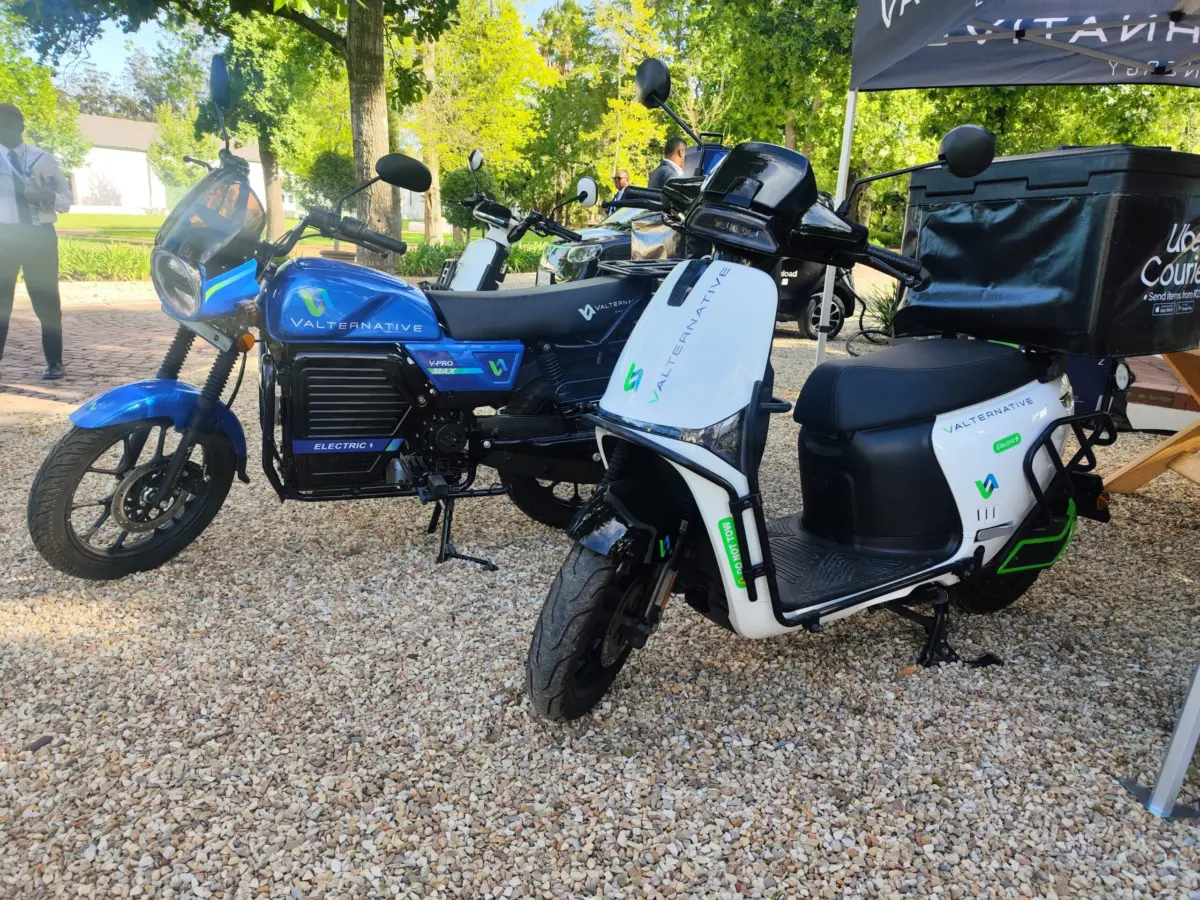
Executive Overview
As the global transportation sector accelerates its transition away from fossil fuels, the African continent is carving out its own distinct path toward sustainable, low-carbon mobility. While nations like Rwanda, Ethiopia, Mauritius, Malawi, and Zambia have introduced aggressive fiscal incentives—such as the total elimination of import duties and taxes on electric vehicles (EVs) and charging equipment—others are struggling to find their footing.
South Africa, traditionally the industrial powerhouse of the continent, lags noticeably behind. Rather than offering a welcoming fiscal environment for electric transport, imported EVs in South Africa face higher import duties and taxes than their internal combustion engine (ICE) equivalents. This policy inertia presents a glaring roadblock to mass adoption.
However, solutions are emerging from regional peers. Kenya, facing a similar lack of direct vehicle-purchase subsidies, has instead leveraged the power of utility pricing. By introducing a specialized, highly competitive electric mobility tariff, Kenya has successfully reduced operating costs for fleet owners while driving revenue growth for its national utility, Kenya Power.

Recent discussions at the Africa E-Mobility Week Forum in Stellenbosch, South Africa, highlighted the urgent need for a parallel strategy in South Africa. As the nation celebrates a historic milestone of over 504 consecutive days without load-shedding (rolling blackouts) and national utility Eskom grapples with declining overall electricity sales, the stage is set for a structural pivot. Implementing a dedicated e-mobility tariff could simultaneously solve Eskom’s demand shortfall, bolster national energy security, and protect public transit commuters from runaway diesel prices.

Detailed Chronology: The Evolution of E-Mobility Policies in East and Southern Africa
The trajectory of electric mobility across Africa highlights a sharp policy divide between nations deploying comprehensive tax exemptions and those experimenting with energy-market interventions.
- The East African Vanguard: Over recent years, countries such as Ethiopia and Rwanda have instituted sweeping tax overhauls. Ethiopia made global headlines by banning the import of non-electric cars altogether, positioning the nation as a clean-transport pioneer. Simultaneously, nations like Mauritius and Zambia have systematically dismantled tariff barriers on EVs and charging hardware to spark commercial adoption.
- Kenya’s Strategic Tariff Intervention: While Kenya stopped short of broad vehicle-purchase subsidies, the East African economic hub adopted an innovative supply-side mechanism. Kenya Power introduced a specialized e-mobility tariff, pricing electricity significantly below standard commercial and residential rates. This policy directly targeted high-mileage commercial operators, including electric bus fleets and motorcycle taxi networks.
- The 15,000 kWh Cap Removal: Initially, Kenya’s e-mobility tariff included a restrictive cap of 15,000 kWh per month per consumer. Recognizing that this limitation choked the operational scale of large electric bus fleets and high-volume battery-swapping stations, the Kenyan government officially removed the cap, opening the floodgates for large-scale enterprise adoption.
- The Stellenbosch Dialogue (September 2026): Against this backdrop, industry leaders gathered at the Africa E-Mobility Week Forum in Stellenbosch, South Africa. High on the agenda was the stark contrast between South Africa’s punishing tax regime for imported EVs and the desperate need for operational relief among local public transport providers. It was here that major operators like Golden Arrow Bus Services (GABS) publicly detailed the crushing financial impact of unsupportive municipal tariff hikes.
Supporting Context & Metrics: Data Behind the Transition
To understand the viability of e-mobility tariffs, one must examine the economic performance of utilities and fleet operators in both Kenya and South Africa.
Kenya Power’s Revenue Transformation
Kenya Power’s fiscal metrics provide a clear window into how e-mobility can positively impact a utility’s bottom line. In its recent financial reporting, Kenya Power announced that overall electricity revenues surged to KShs. 238.24 billion (an increase of KShs. 18.96 billion), while total sales expanded by 12% to reach 12,777 GWh.

Crucially, revenue generated explicitly from electricity sold to registered e-mobility operators jumped from KShs. 65.6 million in the 2025 financial year to KShs. 185.3 million in the 2026 financial year. Industry analysts note that this figure only captures formal accounts registered on Kenya Power’s e-mobility metering platform. Countless residential and commercial users charging private EVs, e-bikes, and delivery pickups have yet to migrate to the specialized tariff, suggesting the true economic footprint is significantly larger.
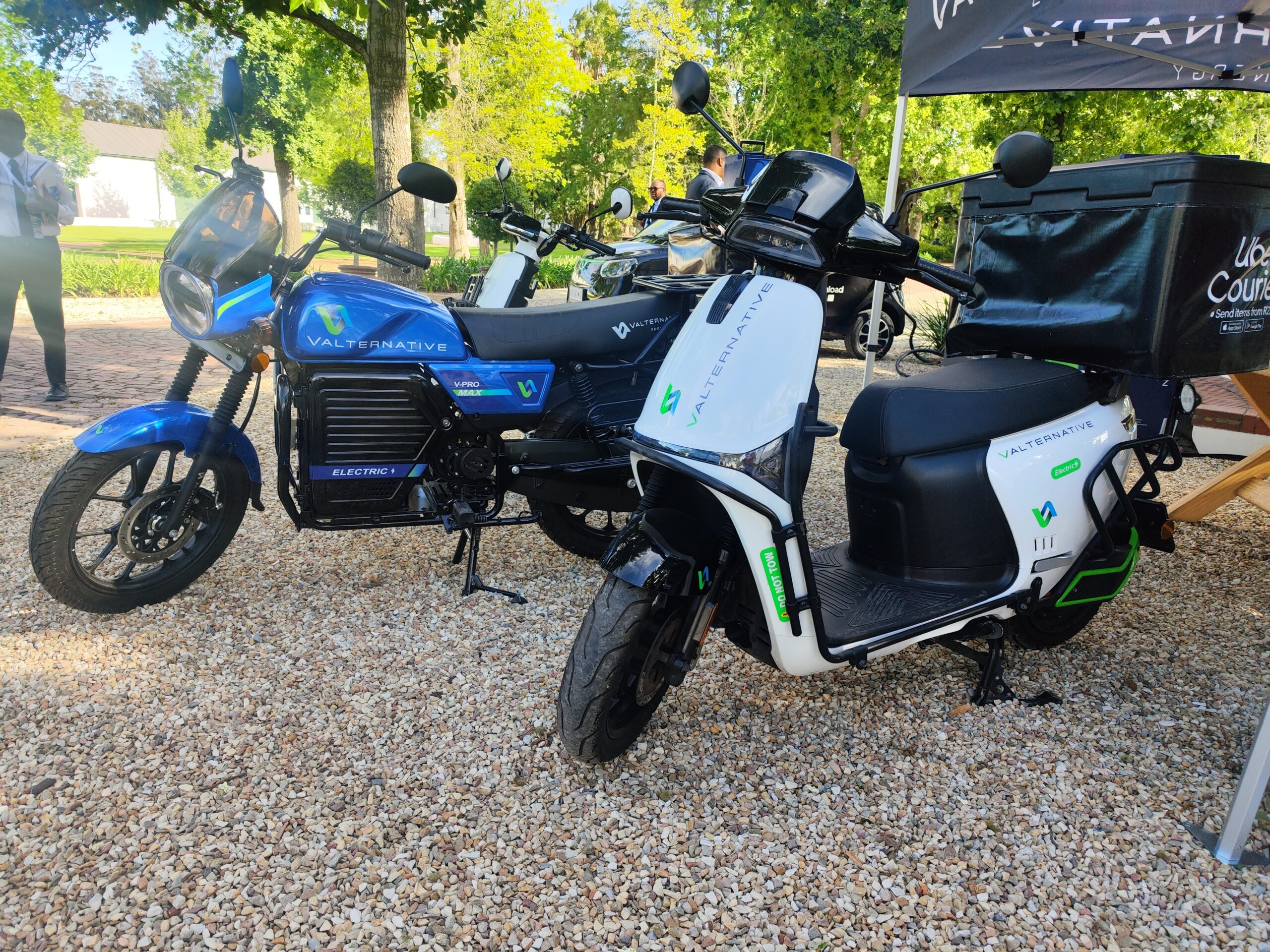
The Financial Strain on South African Fleet Operators
In South Africa, the economic reality for mass transit operators is precarious. Golden Arrow Bus Services (GABS), a foundational pillar of South African public transport with a 160-year history, commands a fleet of 1,200 buses, 120 of which are fully electric, with another 40 battery-electric buses slated to join the fleet soon.
GABS has proven that electrification works: the energy savings derived from its initial 120 electric buses shielded commuters from severe spikes in international diesel prices. However, municipal electricity pricing structures threaten to undermine these savings.
While GABS strategically schedules 60% of its charging during off-peak and standard rate times, local municipal tariff revisions have worked against long-term planning. For example, the City of Cape Town implemented a modest 7% peak-rate hike, but slapped standard rates with a 9% increase and an astronomical 25% tariff hike for the off-peak period—precisely when logistics and transit operators schedule the bulk of their heavy charging cycles. Gideon Neethling of GABS emphasized during the Stellenbosch forum that such punitive off-peak increases threaten to put sustainable operators "out of business" unless balanced frameworks are enacted.
Eskom’s Operational Recovery
Compounding the need for policy action is the dramatic turnaround of South Africa’s national grid. Eskom has officially maintained its strongest operational performance in six years, recording an Energy Availability Factor (EAF) of 68.11%. Driven by reduced unplanned outages, improved power plant reliability, and an 80.49% year-on-year reduction in emergency diesel expenditure, South Africa celebrated a remarkable milestone: more than 504 consecutive days without load-shedding since May 16, 2025.

However, this grid stabilization exists alongside a paradoxical challenge: overall national electricity consumption is falling. Eskom reported a greater than 6% decline in total electricity sales over the past financial year. The utility desperately needs secure, predictable baseload consumption to optimize its newly recovered generation capacity.
Official Statements & Industry Perspectives
Industry leaders and utility representatives have increasingly voiced the sentiment that regulatory frameworks must evolve to match technological realities.
- Gideon Neethling (Golden Arrow Bus Services): Speaking at the Africa E-Mobility Week Forum, Neethling underscored the direct correlation between municipal energy pricing and public transport affordability. “Increasing the penetration of electric buses in our fleet along with a supportive electricity tariff framework would help us cushion our commuters even further, on top of bringing several other massive benefits for the wider industry,” Neethling noted. He pointed out that beyond carbon reduction, widespread fleet electrification directly improves South Africa’s macroeconomic stability by curbing expensive foreign currency outflows tied to imported petroleum fuels.
- Kenya Power Executives: Highlighting the success of their pricing model, Kenya Power executives noted that tiered tariffs—ranging from KShs. 16/kWh ($0.12) during peak hours down to KShs. 8/kWh ($0.06) during off-peak hours (compared to standard commercial rates of KShs. 20/kWh)—have created a win-win ecosystem. The utility secures predictable, high-volume off-peak demand, while fleet operators achieve the cost parity required to scale up operations.
- Eskom Leadership: While Eskom has yet to formally implement a dedicated nationwide e-mobility tariff, energy experts argue that the utility is uniquely positioned to adopt Kenya’s blueprint. By establishing special e-mobility pricing tiers that cascade down to municipalities dependent on Eskom power, the utility can transform an existential threat (falling overall consumption) into a powerful driver of modern industrial growth.
Future Outlook: Paving the Way for Continental E-Mobility
The path forward for African green transport hinges on regulatory agility. Kenya has demonstrated that a nation does not need multi-billion-dollar direct vehicle subsidies to jumpstart the electric transition. By deploying a rational, demand-responsive electricity tariff—and subsequently removing arbitrary volume caps—governments can organically stimulate private-sector investment in clean transport infrastructure.
For South Africa, the low-hanging fruit is crystal clear. The country possesses a stabilized national grid coming off a historic 504-day streak free of load-shedding, an expansive renewable energy pipeline, and legacy transport companies eager to expand their electric fleets. What is missing is a synchronized policy between national energy regulators, Eskom, and major metropolitan municipalities.

If Eskom and municipal distributors follow Kenya’s lead by introducing specialized, off-peak-focused e-mobility tariffs, they can achieve a dual victory: providing the financial breathing room necessary for commercial fleet operators to survive rising energy costs, while capturing the vital new electricity demand required to sustain a modernizing national grid. As the discussions in Stellenbosch made clear, the technology is ready, the operators are willing, and the economic imperative is undeniable. It is now up to policymakers to bridge the gap and power Africa’s electric transport revolution.